
When You Wish Upon a Star (Pinocchio) Lyrics
When You Wish Upon a Star (Pinocchio)
When you wish upon a starMakes no difference who you are
Anything your heart desires
Will come to you
If your heart is in your dream
No request is too extreme
When you wish upon a star
As dreamers do
Fate is kind
She brings to those to love
The sweet fulfillment of
Their secret longing
Like a bolt out of the blue
Fate steps in and sees you through
When you wish upon a star
Your dreams come true
Song Overview

Review and Highlights
Quick summary
- Where it appears: Disney's animated Pinocchio (1940), heard over the opening credits and revisited near the ending.
- Who introduces it: Cliff Edwards as Jiminy Cricket, a narrator who feels like a friendly street-corner philosopher.
- Writers: Music by Leigh Harline, lyrics by Ned Washington.
- What it became: A company signature motif used in Disney branding and park language for decades.
- How it travels: A lullaby-like ballad that also functions as a jazz standard, which is a rare double life.
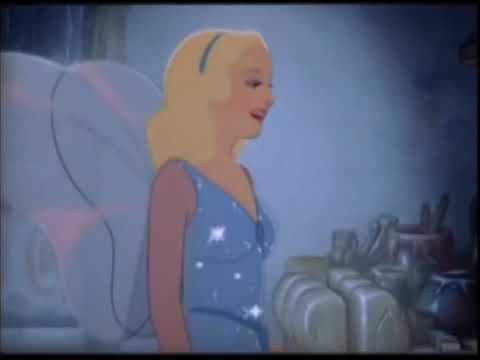
Pinocchio (1940) - animated film - non-diegetic moving into character space. Main title (approx 00:00-02:00): the melody establishes a night-sky hush before the story settles into Geppetto's workshop. Later, it returns as a closing benediction, reinforcing the film's moral spine without turning it into a lecture.
This is one of those film songs that feels like it has always existed. The opening line lands softly, then the tune rises in small, careful steps, as if it is testing the air before committing to flight. That restraint is the craft. Harline writes a melody that invites you in rather than winning you over by force, and Washington answers with language so plain it reads like a vow you could whisper to yourself.
Jiminy Cricket is key to the spell. He is not a grand vocalist, he is a companion. Edwards sings with a conversational ease, a vaudeville warmth that suggests the narrator is sitting beside you, not above you. The arrangement keeps the spotlight gentle, so the wish feels private, even when the orchestra is doing its shimmering work underneath.
Creation History
The song was developed early enough in production that it helped shape how the film framed Jiminy Cricket: not just a side character, but a guide who can speak directly to the audience. In the studio-era assembly line, that is a big promotion, and it shows. The melody was built to carry titles, themes, and returns, which is why the piece can handle repetition without turning stiff. According to Variety magazine, modern Disney scores still tip their hat to this melody when they want to signal legacy, most notably in the musical language around Wish.
Song Meaning and Annotations
Plot
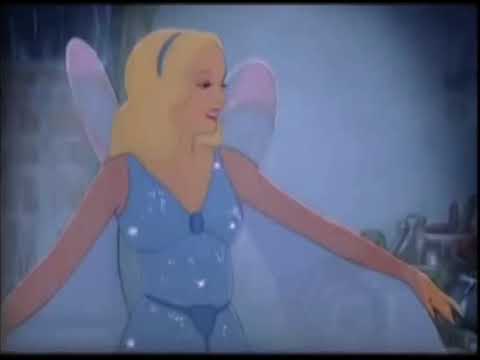
The song arrives before the plot gets busy. It sets the rules of the emotional universe: wishes matter, conscience matters, and consequences still exist. That is important in a story where a wooden boy is tempted, misled, and repeatedly tested. The music does not summarize the plot, it primes the audience to believe in transformation while staying alert to the cost of bad choices.
Song Meaning
The meaning is a compact bargain. Desire is allowed, even celebrated, but the song also sneaks in a condition: you have to be sincere, and you have to keep faith when the world does not immediately agree. The tone is calm, almost bedtime-soft, yet it is not naive. Fate is mentioned like a visitor who can help, but only if you show up with a clear heart. That mixture of comfort and accountability is why it keeps resurfacing in Disney storytelling: it sounds like hope, but it behaves like a compass.
Annotations
"Makes no difference who you are"
A universal claim that is doing narrative work. In the film, it says the story is not only about a puppet. It is about anyone who has ever wanted to be better, or wanted life to open a door.
"Anything your heart desires will come to you"
The line is often quoted as pure optimism, but the surrounding lyric frames it as a reward for sincerity and patience. The song is not selling shortcuts. It is selling steadiness.
"Fate is kind"
This is the lyric's quiet tension point. Fate is not guaranteed, it is personified, almost negotiable. The song invites belief while leaving space for struggle, which fits Pinocchio more than a simple fairy tale would.
Genre and rhythm
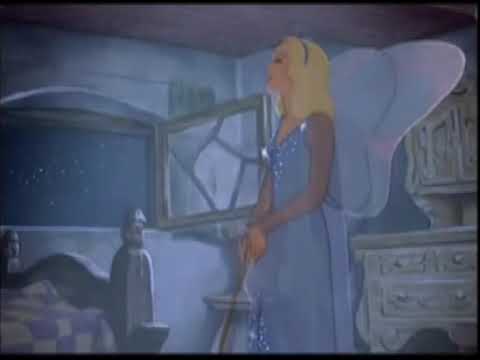
It is often treated like a lullaby, but its bones suit swing-era phrasing and later jazz harmony. The melody has room for rubato, and the chord path supports tasteful reharmonization without breaking the tune. That is why you can hear it as a torch song one night and as a big-band feature the next. The song is polite enough to survive either wardrobe.
Emotional arc
The arc is built on gradual lift. The opening feels like a confession. By the time the chorus arrives, the line has gained height and certainty, but it never turns loud. It is hope spoken at indoor volume, the kind that sounds more believable because it is not performing for applause.
Screen and media placements
Beyond the 1940 film, the melody became a corporate signature used in Disney television openings and later film logos, and it has been repeatedly reinterpreted for anniversary projects. In 2022, Cynthia Erivo performed the song as the Blue Fairy in Disney's live-action Pinocchio. In 2023, Sara Bareilles recorded a new version for Disney's 100 Years of Wonder campaign, and the short Once Upon a Studio used the melody as a finale gesture that leans into studio history.
Technical Information
- Artist: Cliff Edwards
- Featured: Chorus (recording and film-credit context varies by release)
- Composer: Leigh Harline
- Producer: Walt Disney Productions (film context)
- Release Date: February 9, 1940
- Genre: Film song; traditional pop; jazz standard
- Instruments: Lead vocal; studio orchestra; soft choral support in some mixes
- Label: Victor (original-era release listings); later reissues vary
- Mood: Warm; reassuring; reflective
- Length: About 3 minutes 15 seconds (common digital listing for the Edwards track)
- Track #: Often presented as the main title on soundtrack editions
- Language: English
- Album: Pinocchio (soundtrack context)
- Music style: Lullaby-like ballad with swing-era vocal phrasing
- Poetic meter: Mostly iambic feel, with sustained vowels that invite rubato
Questions and Answers
- Who sings the original film version?
- Cliff Edwards performs it as Jiminy Cricket, framing the song as narration rather than a stage-like showcase.
- Why does it work so well over opening credits?
- It behaves like an invitation. The melody rises slowly, giving the audience time to settle into a world where wishes and consequences both matter.
- Is it a lullaby or a pop standard?
- It is both. The film treats it like a bedtime promise, while later musicians treated it like repertoire that can take swing phrasing and jazz harmony.
- What is the song really promising?
- Less a guarantee and more a philosophy: keep faith, stay sincere, and be ready when luck gives you a door to walk through.
- Why did Disney adopt it as a signature theme?
- The melody is short, memorable, and emotionally neutral enough to fit many stories. It can signal wonder without tying itself to one character.
- How did the song return in modern film projects?
- Disney has commissioned new performances for anniversary campaigns and adaptations, including a 2022 live-action Pinocchio rendition by Cynthia Erivo.
- Is it connected to awards history?
- Yes. It won the Academy Award for Music (Song) at the 13th ceremony for films released in 1940.
- What makes the lyric memorable without clever wordplay?
- Its clarity. It uses plain language, then lets the melody carry the lift, which is often harder to pull off than a string of punchlines.
- Why do jazz players like it?
- The melody leaves space, and the harmony invites tasteful substitutions. You can decorate it without losing the song's outline.
- Is there a best way to hear it first?
- With the film visuals, where the song behaves like a statement of purpose. After that, hearing a jazz or pop cover can reveal how elastic the tune really is.
Awards and Chart Positions
The song's trophy case is not about weekly peaks, it is about longevity. It won Hollywood's top songwriting prize in its year, then kept collecting institutional nods as generations used it to define what Disney sounds like. According to the Recording Academy, the original Cliff Edwards recording was inducted into the Grammy Hall of Fame, a rare honor for a film-track performance.
| Year | Recognition | Result | Notes |
|---|---|---|---|
| 1941 | Academy Awards - Music (Song) | Winner | Awarded for Pinocchio; credited to Leigh Harline and Ned Washington. |
| 2000 | American Film Institute - 100 Years 100 Songs | Ranked #7 | Recognized as one of American cinema's defining songs. |
| 2002 | Grammy Hall of Fame | Inducted | Induction credited to Cliff Edwards' 1940 recording. |
How to Sing When You Wish Upon a Star
Common practice metrics: Many musician reference databases place the original recording in D major, with a slow feel around 85 to 95 BPM depending on whether the count is taken in full-time or half-time. Vocal-range estimates vary by arrangement, but a practical planning span for many singers is roughly A2 to F4 in a low-key version, with higher transpositions common for soloists.
- Tempo choice: Keep it slower than your nerves want. This song lives on breath and patience. If you rush, the wish turns into a memo.
- Diction: Aim for clean consonants on key words, then soften the endings. The line should land like reassurance, not proclamation.
- Breathing: Take quiet, low breaths before longer phrases. Map where you will breathe so you do not clip the melody's gentle rises.
- Flow and legato: Connect vowels across bar lines. The melody is built from small steps, and legato makes those steps feel like glide.
- Dynamics: Start intimate, then let the chorus open slightly. Think of the volume change as a window opening, not a spotlight switching on.
- Key strategy: If the top feels tight, transpose. It is better to sing it warm and steady than to chase a heroic key and lose the calm.
- Style options: For a film feel, keep vibrato light and phrasing conversational. For a jazz feel, shape the line with subtle timing behind the beat and keep the melody recognizable.
- Pitfalls: Over-sentimentality and over-singing. The song wins by sounding honest at a low volume.
Additional Info
Two facts explain the song's unusual reach. First, Disney treated it as a house theme long before modern branding language existed, weaving it through television openings, film logos, and even practical details like ship-horn motifs. Second, musicians outside Disney adopted it as repertoire. By the late twentieth century it was not only a film cue but a standard that could handle trumpet growl, string chorale, or a solo piano whisper.
The modern era has added new chapters without rewriting the original. The 2022 live-action Pinocchio placed the song in Cynthia Erivo's voice, and Disney's centennial campaign commissioned a Sara Bareilles recording that framed the melody as a living tradition rather than a museum piece. There is a reason it keeps getting dusted off: the tune does not demand a specific decade. It asks for a quiet room and a steady breath.
Key Contributors
| Entity | Type | Relationship (S-V-O) |
|---|---|---|
| Cliff Edwards | Person | Edwards performed the song as Jiminy Cricket in the 1940 film context. |
| Leigh Harline | Person | Harline composed the music for the song. |
| Ned Washington | Person | Washington wrote the lyrics for the song. |
| Walt Disney Productions | Organization | The studio produced the film that introduced the song. |
| Pinocchio (1940 film) | Work | The film used the song as an opening title theme and closing reprise cue. |
| Academy of Motion Picture Arts and Sciences | Organization | The Academy awarded the song in the Music (Song) category. |
| Recording Academy | Organization | The Recording Academy inducted the 1940 recording into the Grammy Hall of Fame. |
| American Film Institute | Organization | AFI ranked the song in its 100 Years 100 Songs list. |
| Cynthia Erivo | Person | Erivo performed the song for the 2022 live-action adaptation. |
| Sara Bareilles | Person | Bareilles recorded a new version for Disney's centennial campaign. |
Sources: Academy Awards official ceremony page (1941), Recording Academy Grammy Hall of Fame listing, American Film Institute 100 Years 100 Songs page, Variety magazine (Dave Metzger interview on Wish), Entertainment Weekly coverage of Pinocchio (2022), Walt Disney Records campaign release listings