
Trust in Me (The Jungle Book) Lyrics
Trust in Me (The Jungle Book)
Trust in me, just in meShut your eyes and trust in me
You can sleep safe and sound
Knowing I am around
Slip into silent slumber
Sail on a silver mist
Slowly and surely your senses
Will cease to resist
Trust in me, just in me
Shut your eyes and trust in me
Song Overview
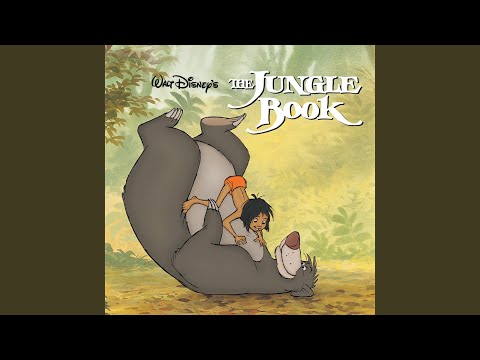
Review and Highlights
Quick summary
- Work and year: A character song written for Disney's The Jungle Book (1967).
- Who sings it on screen: Sterling Holloway as Kaa, the snake who talks like velvet and means trouble.
- What it does in the story: A lullaby that is also a trap, staged as hypnosis that keeps tightening its coils.
- Songcraft hook: Soft phrasing over a sly, swaying pulse, with a melody that sounds reassuring while the scene turns predatory.
- Notable later versions: Siouxsie and the Banshees reimagined it on their 1987 covers album, and Scarlett Johansson recorded an end-credits version for The Jungle Book (2016).
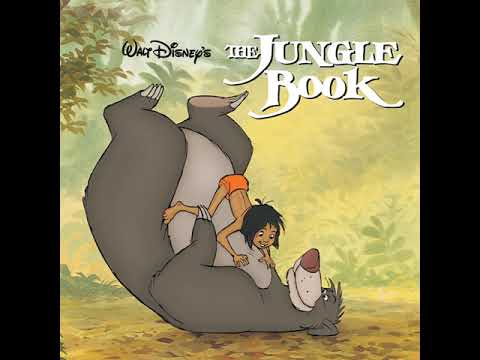
The Jungle Book (1967) - film - diegetic. Kaa slides into Mowgli's path and turns conversation into a spell. The number plays like a lullaby you should not accept, and the animation agrees: eyes soften, attention narrows, and the frame seems to sway with the phrasing. The scene is funny for a moment, then the comedy drains away and you realize the song has been smiling at you with its fangs showing.
As a piece of Disney writing, it is a small masterclass in double meaning. The vocal is gentle and unhurried, the melody keeps its balance, and yet every bar feels like another inch of rope. The trick is restraint. The line does not shout its intent. It persuades. That is why the song stays memorable long after louder numbers pass by.
One of my favorite details is how the performance uses intimacy as camouflage. Holloway sings close, almost conspiratorial, as if the listener is in on the secret. But the secret is that the listener is the target. The song is a con, delivered with perfect manners.
Creation History
Richard M. Sherman and Robert B. Sherman wrote the piece for Kaa's sequence, and it was recorded for the 1967 film soundtrack with Sterling Holloway as the voice performance most listeners know. Reference summaries also note an origin link to an unused Mary Poppins-era idea, reshaped into a calmer, more serpentine line for this scene. The result is a song that fits the film's bright surface while quietly borrowing the shadow underneath.
Song Meaning and Annotations
Plot
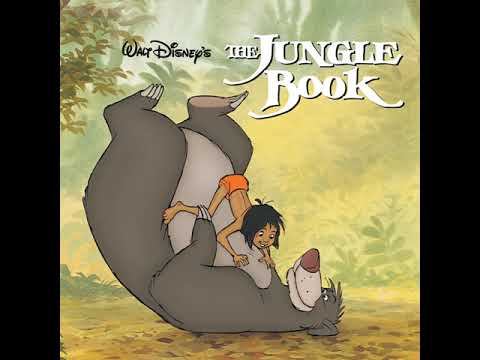
Mowgli is moving through the jungle with the overconfidence of a kid who thinks every voice is friendly. Kaa intercepts him, chats him up, and then shifts into hypnosis. The song is the engine of that shift: the moment words stop being dialogue and become control. As the number ends, the danger becomes physical, with Kaa preparing to crush and swallow, until an interruption breaks the spell.
Song Meaning
The meaning is seduction by reassurance. The lyric offers safety, sleep, and protection, but the scene tells you those are the bait. The music is built to lower defenses: smooth contours, unthreatening pacing, and a repeated insistence that surrender is sensible. It is the classic fairy-tale lesson dressed up as a lullaby: not every soothing voice is on your side.
Annotations
Trust in me, just in me
The opening does two jobs at once: it feels comforting, and it narrows the world. The phrase isolates the listener from everything else, which is exactly what hypnosis is supposed to do.
Shut your eyes, trust in me
This is the line where the song stops pretending to be merely friendly. It gives an instruction, not a feeling, and it wraps that instruction in a tone that sounds like care.
Slip into silent slumber
Notice the soft consonants and the way the phrase seems to glide. The language is designed to reduce resistance, and the melody keeps the same steady sway, like a pendulum.
Style fusion and driving rhythm
It is part lullaby, part stage whisper, with a faint blues-and-cabaret slink in the phrasing. The rhythm is not aggressive, but it is insistent, with a measured sway that suggests rocking or swinging. That rhythmic calm is the real trap: the scene looks dangerous, the sound stays polite, and the mismatch creates tension without raising volume.
Instruments and arrangement
The orchestration stays supportive rather than busy, letting the voice carry the scene's psychological turn. The ear follows the vocal line, and the background acts like a soft floor, not a spotlight. The choice makes the hypnosis feel personal, as if it is happening right next to you.
Technical Information
- Artist: Sterling Holloway (as Kaa)
- Featured: Film orchestra
- Composer: Richard M. Sherman; Robert B. Sherman
- Producer: Soundtrack production varies by release edition and catalog
- Release Date: October 18, 1967 (film context listings for the original performance)
- Genre: Soundtrack; character lullaby
- Instruments: Lead vocal; orchestral backing
- Label: Disney catalog labels (varies by edition)
- Mood: Soothing; sly; deceptive
- Length: About 1:30 in many classic references, with longer reissue track timings also circulating
- Language: English
- Music style: Lullaby sway with hypnotic repetition
- Poetic meter: Stress-timed phrasing that favors soft consonants and repeated imperatives
Questions and Answers
- Who sings the original film version?
- Sterling Holloway performs it in character as Kaa in the 1967 animated film context.
- Why does the song sound so calm while the scene is dangerous?
- That mismatch is the point. The melody sells safety while the animation shows intent, creating tension without loudness.
- What is the song doing narratively?
- It converts dialogue into control. Once the singing starts, the scene becomes a hypnosis demonstration rather than a conversation.
- Is it a lullaby or a villain song?
- Both. It borrows lullaby manners but uses them as a cover for predation, which is why it plays as a soft villain number.
- Why is repetition so central?
- Repetition narrows attention. The hook keeps returning until the listener stops evaluating the words and starts drifting with them.
- What is a notable rock rework of the tune?
- Siouxsie and the Banshees recorded it for their 1987 covers album, reshaping the sweetness into something more gothic and slow-burning.
- How did the 2016 film bring it back?
- As stated in the Los Angeles Times, Scarlett Johansson recorded a new version produced by Mark Ronson that plays over the closing credits.
- Does the song have conventional pop-chart history?
- Its reputation is more cultural than chart-driven, anchored to the scene's lasting visibility and a steady stream of cover versions.
- What is the easiest way to sell it in performance?
- Keep it intimate. The song works best when it feels like a private promise, not a stage proclamation.
How to Sing Trust in Me
Most singer problems here are not about range, they are about control. Common reference listings place the tune in C major at about 98 BPM, with an estimated singing span around Bb3 to A4. That is comfortable for many voices, which means phrasing becomes the real test.
- Tempo: Set a metronome near 98 BPM and aim for a gentle sway. If you rush, the hypnosis effect disappears.
- Diction: Keep consonants soft but clear. The words must sound effortless, like they arrive on a slow exhale.
- Breathing: Take smaller, quieter breaths. Loud inhalations break the spell faster than any wrong note.
- Flow and rhythm: Let repeated phrases land with tiny variations, not bigger volume. The listener should feel the loop tightening.
- Accents: Avoid sharp downbeats. This is a lullaby trick, not a march. Place emphasis on key verbs, especially the imperatives.
- Color: Use a warmer, closer tone on the opening lines, then cool it slightly as the lyric becomes more commanding.
- Mic technique: Stay close and reduce plosives. A soft delivery can overload a mic if you lean too hard on B and P sounds.
- Pitfalls: Overacting the menace too early. Save the hint of threat for the final third, and let the calm do the work.
Additional Info
The cover history is where this song gets mischievous. Siouxsie and the Banshees put it on Through the Looking Glass (1987), and contemporary press at the time singled out how the band transformed a cartoon lullaby into something more nocturnal. Later, a different kind of reinvention arrived with Disney's 2016 film, where Scarlett Johansson recorded a new version produced by Mark Ronson for the closing credits, complete with an official remix push in the soundtrack marketing cycle.
Then there is the live-legend lane. According to the Financial Times, Grace Jones delivered a striking performance of the song at London's Royal Festival Hall in June 2007, arranged by Jun Miyake as part of a Disney-themed concert curated by Hal Willner, with no official recording known to circulate. That is the kind of footnote that fits the song: it keeps slipping away, leaving only the memory of the sway.
Sources: SecondHandSongs, Los Angeles Times, Apple Music, Wikipedia, TuneBat, Singing Carrots, Financial Times, YouTube (Provided to YouTube by Universal Music Group), Wikipedia (Through the Looking Glass), Discogs
Key Contributors
| Entity | Type | Statement (S-V-O) |
|---|---|---|
| Richard M. Sherman | Person | Richard M. Sherman co-wrote the song for The Jungle Book (1967). |
| Robert B. Sherman | Person | Robert B. Sherman co-wrote the song for The Jungle Book (1967). |
| Sterling Holloway | Person | Sterling Holloway performed the song as Kaa in the animated film context. |
| Kaa | Character | Kaa uses the song as a hypnosis lure within the film scene. |
| Siouxsie and the Banshees | MusicGroup | The band recorded a cover for the 1987 album Through the Looking Glass. |
| Scarlett Johansson | Person | Scarlett Johansson recorded an end-credits version for The Jungle Book (2016). |
| Mark Ronson | Person | Mark Ronson produced the 2016 end-credits recording. |
| Grace Jones | Person | Grace Jones performed a notable live rendition in London in 2007. |
| Jun Miyake | Person | Jun Miyake arranged the 2007 concert rendition referenced in press coverage. |
| Hal Willner | Person | Hal Willner curated the Disney-themed concert where the 2007 rendition was performed. |