
So This is Love (Cinderella) Lyrics
So This is Love (Cinderella)
Cinderella:So this is love, Mmmmmm
So this is love
So this is what makes life divine
I'm all aglow, Mmmmmm
And now I know
The key to all heaven is mine
My heart has wings, Mmmmmm
And I can fly
I'll touch ev'ry star in the sky
So this is the miracle that I've been dreaming of
Mmmmmm
Mmmmmm
So this is love
Song Overview

Review and Highlights
Quick summary
- Where it appears: Disney's Cinderella (1950), the palace waltz sequence.
- Writers: Mack David, Al Hoffman, Jerry Livingston.
- Film voices: Sung by Ilene Woods and Mike Douglas, credited as Cinderella and Prince Charming.
- Why it works: A waltz that does not rush to declare forever. It lingers in the first minute of certainty.
- Sheet music note: Often printed with the alternate name "The Cinderella Waltz" on editions from the release era.
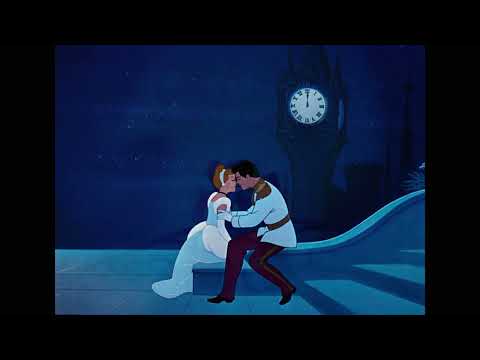
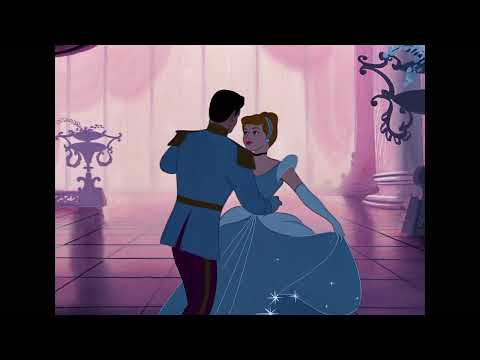
Cinderella (1950) - animated film - diegetic. Ballroom waltz sequence (approx 00:52:00-00:54:00, varies by cut). Cinderella and the Prince drift away from the crowd, and the melody behaves like a private room inside a public party. The scene placement matters because it turns their romance into motion: two people learning to trust the next step.
I have always heard this number as Disney's quiet flex. No fireworks, no comic patter, no big plot twist on the downbeat. Instead, the composers write a waltz that feels like a held breath, then give it to two voices that sound more surprised than certain. That choice is the hook. It is not a grand promise. It is recognition.
Listen for the way the phrases rise and settle. The melody glides upward, pauses, then returns home like a dancer finding the floor again. It is classic mid-century film writing, but with a soft-focus intimacy that keeps it from sounding like a showroom. When the strings and woodwinds bloom, they do not shout. They frame.
Creation History
The songwriting trio came in after earlier song plans were abandoned, and they delivered a set of tunes that fit Disney's animation rhythm without feeling factory-made. This waltz was shaped to match a moving camera and a moving couple, which is why the lyric stays uncluttered. According to the Smithsonian's National Museum of American History, a 1949 sheet-music edition credits the writers and frames the piece as a named waltz, the kind of item that could sit on a piano rack at home after the theater visit.
Song Meaning and Annotations
Plot
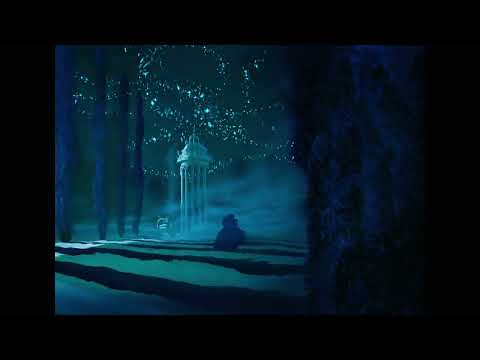
Cinderella reaches the palace with borrowed time and borrowed finery. Inside the ball, she meets the Prince and is drawn into a waltz that drifts beyond the main room. As they move through the palace, the song gives the romance a voice: not a backstory, not a vow, but the dawning sense that the world has shifted. The clock is still out there, and the rule is still firm. The music chooses to ignore both until it cannot.
Song Meaning
The meaning is simple in the best way: love is recognized before it is explained. The lyric treats the feeling as discovery, a new definition for ordinary life. It is not pushing narrative facts, it is painting the moment when someone looks at a stranger and thinks, "This is it." The waltz time helps. Three beats per bar is built for sway, and sway is built for trust.
Annotations
"So this is love"
The line lands like a label being placed on a feeling that already existed but had no name. It is not a boast. It is a small confession said out loud.
"So this is what makes life divine"
The song leans into old-fashioned phrasing, but the idea is modern enough: love reorders priorities. In the scene, the palace stops being a spectacle and becomes a hallway you can wander without fear.
"My heart has wings"
Disney loves flight imagery, and here it is used gently. No pixie dust, no lesson. Just the physical sense of lightness that arrives when the dance partner feels safe.
Driving rhythm and arrangement choices
The rhythm is a waltz, but it is not rigid. The accompaniment breathes around the vocal line, letting the singers stretch consonants and soften endings. That flexibility is why the song plays like a scene rather than a recital. It is written to match footsteps.
Metaphors and staging
Most of the imagery is plain: heart, heaven, wings. The staging gives it bite. While the lyric talks about certainty, the story keeps the audience aware of time. That tension turns simple words into a near-miss. They sound blissful because the world has not interrupted yet.
Cultural touchpoints
This waltz sits in the same family as the classic ballroom romances of Hollywood's studio era: a melody that could travel to radio, sheet music, and living-room pianos. It also carries Disney's habit of making private feeling public through chorus-like scoring, even when the scene is two people alone.
Technical Information
- Artist: Ilene Woods; Mike Douglas
- Featured: Studio orchestra and chorus (soundtrack context)
- Composer: Jerry Livingston; Al Hoffman
- Lyricist: Mack David
- Release Date: February 15, 1950
- Published: 1949 (sheet music edition)
- Genre: Film song; waltz
- Instruments: Lead vocals; strings; woodwinds; harp-like touches in many arrangements
- Label: Walt Disney Records (later soundtrack releases)
- Mood: Tender; luminous; slow-swaying
- Length: About 1 minute 33 seconds (common soundtrack listing)
- Track #: Varies by release (often titled with "Waltz")
- Language: English
- Album: Cinderella (motion picture soundtrack context)
- Music style: Studio-era romantic waltz with duet phrasing
- Poetic meter: Mostly iambic feel, shaped by waltz phrasing and held vowels
Questions and Answers
- Who sings the film version?
- The song is performed as a duet by Ilene Woods (Cinderella) and Mike Douglas (the Prince's singing voice), as listed in soundtrack credits.
- Why does it feel quieter than the film's other big numbers?
- It is staged as a two-person bubble inside a crowded ball. The lyric avoids jokes and plot chatter, leaving room for the dance to do the talking.
- What is the purpose of the waltz time?
- Three beats create sway, and sway creates trust. The rhythm makes the scene feel inevitable, like the next step is always waiting.
- Is it a love-at-first-sight song or a slow-burn song?
- It is love at first recognition. The lyric is surprised, not strategic. It describes the moment the feeling becomes legible.
- What does the subtitle "The Cinderella Waltz" signal?
- That the piece was treated as ballroom repertoire in print editions. It frames the song as dance music, not just film dialogue with melody.
- Why do the lyrics use simple images like wings and heaven?
- Because the animation is already rich with detail. Plain metaphors keep the words from fighting the visuals.
- Does the film credit the singers on screen?
- Not in a front-and-center way. Disney often blended singing voices into the film fabric, letting character and scene carry the spotlight.
- Did the Academy nominate this number for Original Song?
- No. As stated in the Academy's official Oscars listing for the films of 1950, a different song from Cinderella received the Music (Song) nomination that year.
- Why does the melody stay memorable even without a huge hook?
- It is built from clean, singable steps and repeated turns. The tune feels like a dance pattern you can remember with your body.
- What is the main dramatic tension beneath the romance?
- Time. The audience knows midnight is coming, so every sweet phrase is also a countdown, whether the characters feel it yet or not.
How to Sing So This is Love
Common reference metrics: Many karaoke and practice databases list the piece in G major with a wide top line, while some audio-feature services report a faster counted tempo because they treat the waltz as double-time. Use any metric as a guide, then set your own pace that keeps legato intact.
- Find your waltz pulse: Count in three and decide whether you feel it in one big beat per bar or three smaller beats. If the words start to blur, slow down and keep it in three.
- Sing on the breath, not on the consonants: The lyric is soft-edged. Start phrases with gentle airflow, then place consonants inside the line rather than punching them at the front.
- Map the long vowels: The melody loves held syllables. Practice sustaining the vowel while keeping jaw and tongue loose, so the sound stays even.
- Shape the duet like one thought: If you are singing both parts or working with a partner, match phrasing. The scene sells unity, so breath points and releases should feel coordinated.
- Handle the high notes with glide: Do not attack the top. Approach with a smooth slide in your mind, then land cleanly. If you feel strain, transpose down and keep the shine through resonance.
- Keep the diction bright but not sharp: Crisp enough to be understood, soft enough to stay romantic. Think ballroom, not debate stage.
- Performance tip: Imagine you are walking while singing. The rhythm becomes physical, and phrasing stops feeling like separate blocks.
Additional Info
There is a small irony in this waltz's legacy: it is central to the film's romance, yet the awards spotlight went elsewhere. As stated in the Academy's official Oscars listing for 1951, the nominated Cinderella song was a different number, leaving this duet to build its reputation the old-fashioned way: repeated viewings, piano benches, and slow dances in living rooms.
The print life is just as telling. The Smithsonian catalog describes a 1949 sheet-music edition published by Walt Disney Music Company in Burbank, California, which signals how quickly Disney expected the tune to travel beyond the screen. That kind of sheet music was a domestic gateway drug: you watched the ball, then tried to play the ball.
The song also keeps resurfacing in new costumes. In 2024, Brandy and Paolo Montalban recorded a duet version for Descendants: The Rise of Red, turning the classic waltz into a compact, modern callback. It is a clever bit of casting judo, too: two performers associated with a different Cinderella universe stepping into Disney's older melody. According to Variety magazine, Disney's 2015 live-action Cinderella leaned on newly written ballroom pieces by Patrick Doyle rather than inserting the animated duet, which makes the later Descendants cover feel like a deliberate bridge across versions.
Key Contributors
| Entity | Type | Relationship (S-V-O) |
|---|---|---|
| Mack David | Person | David wrote the lyrics for the song. |
| Al Hoffman | Person | Hoffman co-composed the music. |
| Jerry Livingston | Person | Livingston co-composed the music. |
| Ilene Woods | Person | Woods performed Cinderella's singing voice for the duet. |
| Mike Douglas | Person | Douglas performed the Prince's singing voice for the duet. |
| Walt Disney Music Company | Organization | The company published the 1949 sheet-music edition. |
| Cinderella (1950 film) | Work | The film staged the duet during the palace waltz sequence. |
| Academy of Motion Picture Arts and Sciences | Organization | The Academy listed the nominated Cinderella song for 1951. |
| Descendants: The Rise of Red (Original Soundtrack) | Work | The soundtrack included a 2024 duet cover by Brandy and Paolo Montalban. |
| Patrick Doyle | Person | Doyle composed new ballroom cues for the 2015 live-action film. |
Sources: IMDb soundtrack credits for Cinderella (1950), Smithsonian National Museum of American History object record for the 1949 sheet music, Academy Awards official ceremony page (1951), Walt Disney Records Legacy Collection track listing, SecondHandSongs cover database, DisneyMusicVEVO uploads, Variety magazine profile of Patrick Doyle's Cinderella score, Tunebat and Singing Carrots practice metrics