
A Dream is a Wish Your Heart Makes (Cinderella) Lyrics
A Dream is a Wish Your Heart Makes (Cinderella)
A dream is a wish your heart makesWhen you're fast asleep
In dreams you lose your heartaches
Whatever you wish for, you keep
Have faith in your dreams and someday
Your rainbow will come smiling through
No matter how your heart is grieving
If you keep on believing
the dream that you wish will come true
[clock:] dong
[Cinderella:] Oh that clock
[c:] dong
[Cinderella:] oh, kill joy
[c:] dong
[Cinderella:] I hear you
Come on, Get up you say
[c:] dong
[Cinderella:] time to start another day
[c:]dong
[Cinderella:] even he orders me around
[c:]dong
[Cinderella:] well, there's one thing
they cant order me to stop dreaming
and maybe someday....
[singing:]
The dreams that i wish will come true
No matter how your heart is grieving
If you keep on believing
the dream that you wish will come true
Song Overview
Review and Highlights
Quick summary
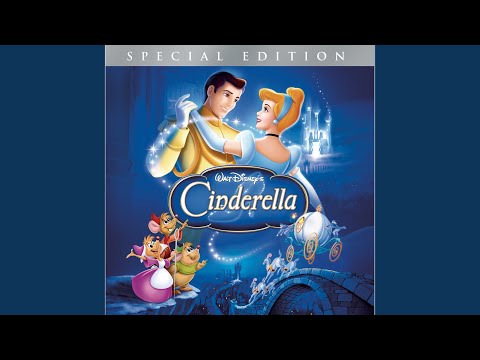
- Classic Disney ballad introduced in the 1950 animated feature Cinderella, performed by Ilene Woods as Cinderella.
- Written by Mack David, Al Hoffman, and Jerry Livingston, with a melody lineage that nods toward Franz Liszt's Transcendental Etude No. 9 (Ricordanza).
- Diegetic-adjacent: it plays as a private morning vow that the film treats like a quiet law of the universe.
- Recorded in late 1949 for RCA Victor release, then canonized through soundtrack reissues and major reinterpretations.
- Reappears in modern Disney storytelling, including the 2015 live-action film and televised singalong programming.
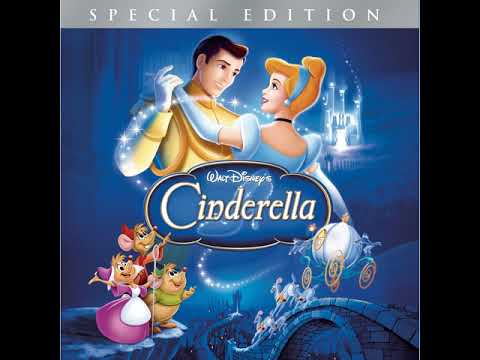
Cinderella (1950) - film song - not strictly diegetic. Placement: early morning, before chores swallow the day. Cinderella sings to her animal friends, but the camera treats the room like a sanctuary, so the number reads as both lullaby and manifesto. Why it matters: it sets the film's moral thermostat. Even when the plot turns harsh, the story keeps returning to this tune's promise.
This song is gentle in a way that can fool you. Beneath the soft phrasing sits a composerly trick: the melody moves like someone tracing a ribbon in the air, never abrupt, always curving toward comfort. It is why the piece survives outside the film. You can hum it as background, or sing it as confession, and it still feels complete.
The hook is not fireworks, it is persistence. The writing keeps circling the same thought from slightly different angles, like polishing a stone until it catches light. I have long thought of it as Disney's quiet sibling to "When You Wish Upon a Star": less spectacle, more bedside faith.
Creation History
As stated in Disney's D23 reference entry, the song was created for Cinderella by Mack David, Al Hoffman, and Jerry Livingston. D23's Ilene Woods profile adds a telling origin story: she recorded demos as a favor to songwriter friends, and those recordings helped land her the role. The recorded version circulated on RCA Victor in 1949, then the film's February 1950 release turned the number into a cornerstone of the studio's postwar comeback.
Song Meaning and Annotations
Plot
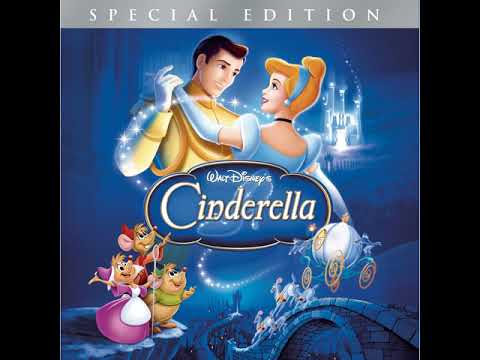
Cinderella wakes up in her attic room, greets the day without bargaining for mercy, and sings as she prepares for work. The animals gather close, listening like they have heard this philosophy before. The number sets up a contrast that powers the whole film: the outside world is chores and cruelty, but her interior world stays stubbornly hopeful.
Song Meaning
The meaning is not "wait and everything will be fixed." It is closer to "protect the part of you that can still picture a different life." The lyric frames dreaming as a coping skill, but the music gives it dignity, not desperation. Even the sighing contours of the tune feel disciplined, like someone choosing calm on purpose.
Annotations
"when you're fast asleep"
A neat double function: it sounds like bedtime imagery, yet it also hints at survival. Sleep is the only place Cinderella fully owns, so the song turns that private territory into a source of strength.
"whatever you wish for, you keep"
This is the song's quiet rebellion. The line suggests that hope can be guarded even when everything else gets taken. In performance, it is best delivered plainly, almost conversational, because the power is in the certainty, not volume.
"no matter how your heart is grieving"
The lyric allows pain into the room, then refuses to let it run the house. That emotional honesty is a big reason the number still hits in modern reinterpretations.
Style and instrumentation cues
It is built like a classic studio ballad: smooth phrases, light orchestral cushion, and a vocal line that favors legato over showboating. The arrangement does not compete with the character, it frames her, giving the voice space to sound human.
Intertext and melodic ancestry
Cover databases and work registries note that the song draws on the melodic world of Liszt's "Ricordanza". You do not need to recognize the reference for it to work, but the borrowing helps explain the tune's slightly classical poise, that feeling of memory reaching for elegance.
Technical Information
- Artist: Ilene Woods
- Featured: Cinderella character vocal (film performance), with orchestra accompaniment on the recorded release
- Composer: Jerry Livingston
- Producer: RCA Victor production credits are inconsistently listed in public catalog metadata for the 1949 release
- Release Date: December 1949 (RCA Victor catalog release window), tied to the film's February 15, 1950 premiere cycle
- Genre: Soundtrack ballad
- Instruments: Vocal with studio orchestra
- Label: RCA Victor (original single); Walt Disney Records (later soundtrack editions)
- Mood: Tender, resolute, hopeful
- Length: About 3:50 (single listing); later soundtrack versions often run longer depending on suite edits
- Track #: Varies by edition
- Language: English
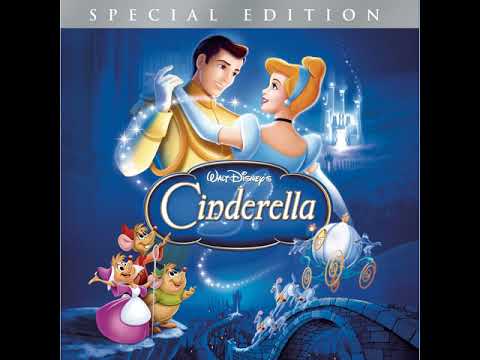
- Album (if any): Cinderella (1950 film soundtrack) and later catalog compilations
- Music style: Classic film ballad with lyric-forward phrasing
- Poetic meter: Loose accentual meter, phrased to sound like speech set to melody
Questions and Answers
- Who wrote it?
- Mack David, Al Hoffman, and Jerry Livingston share the songwriting credit across Disney reference listings and music databases.
- Where does it appear in the 1950 film?
- Near the beginning, as Cinderella starts her day and sets her inner compass before the story tightens the screws.
- Is it meant as a performance to the other characters?
- It is staged like a private ritual shared with animals, but the film treats it as a statement of values that the whole plot will test.
- Why does the melody feel almost classical?
- Work registries and cover catalog notes point to melodic overlap with Liszt's "Ricordanza," which can lend a faintly romantic-era shape to the tune.
- Did the live-action Cinderella use it?
- Yes. Lily James recorded a version for the 2015 film soundtrack, and it is presented as a direct line back to the animated original.
- What is the song's central idea?
- Hold onto the inner wish even when circumstances are ugly. It frames dreaming as a form of self-protection, not escapism.
- Why does it keep resurfacing in Disney events?
- Because it is compact, instantly recognizable, and thematically portable. It can underscore a montage, an anniversary, or a charity special without needing plot context.
- What is the easiest way to honor the original performance style?
- Keep the line smooth and unforced, with clean diction and gentle legato. It should sound like calm confidence, not a dramatic declaration.
Awards and Chart Positions
This track was not the Cinderella song nominated at the 23rd Academy Awards (that honor went to "Bibbidi-Bobbidi-Boo"), but its cultural footprint has been recognized in later institutional and critical lists.
| Year | List or honor | Result | Note |
|---|---|---|---|
| 2004 | AFI 100 Years...100 Songs (nominees list) | Nominee among 400 | Included on AFI's published nominees document for greatest movie songs. |
| 2024 | TIME magazine ranking of Disney songs | Ranked at 17 | TIME highlights its "radical optimism" as a defining Cinderella character beat. |
How to Sing A Dream is a Wish Your Heart Makes
Vocal profile
- Common reference key: B flat major
- Reference vocal range: D4-F5
- Tempo: About 94 BPM (edition dependent)
- Style note: The goal is a warm, even line. Think bedtime vow, not Broadway finale.
Step-by-step HowTo
- Tempo: Start under tempo, then settle near 94 BPM. If it drags, the phrases sag; if it rushes, the comfort disappears.
- Diction: Keep consonants clear but gentle. This lyric wants to sound spoken, not punched.
- Breathing: Mark breaths at natural commas. Take small, quiet inhales so the line stays continuous.
- Flow and rhythm: Sing in long arcs. Avoid chopping the ends of phrases; let them taper like a soft landing.
- Accents: Place emphasis on meaning words, not every downbeat. The phrase should float over the bar line.
- Ensemble or doubles: If sung in harmony, match vowels on sustained notes and agree on cutoffs. Blend should feel like one candle flame, not a row of flashlights.
- Mic and staging: Keep mic distance steady and resist dramatic head turns on sustained notes. Small moves read larger on a quiet song.
- Pitfalls: Over-vibrato, breathy under-support, and pushing the top notes. The high phrases work best when they stay conversational.
Additional Info
The song's long life is a relay race of reinterpretations. A 1995 Walt Disney Records special edition centered on cover versions opened the door for adult-pop approaches, including Linda Ronstadt tackling the tune in bilingual form. A decade later, Disney Channel Circle of Stars recast it as mid-2000s pop for the DisneyMania era, a reminder that the melody can wear different clothes and still look like itself.
In 2015, Lily James recorded a version for the live-action Cinderella soundtrack, pulling the number back toward the character's private voice. Then the pandemic-era Disney Family Singalong put it on living-room television again; according to Elle magazine, Demi Lovato and Michael Buble performed it with footage and messaging aimed at lifting frontline workers. Recent Disney+ projects also reframe it as a narrative tool: Sneakerella uses the song as a modern echo of the original promise.
If you want the song's secret in one sentence: it is built to make hope sound responsible. It never claims the world is fair. It just insists that imagination is worth defending until the day you can use it.
Key Contributors
| Entity | Type | Relationship | Statement |
|---|---|---|---|
| Ilene Woods | Person | performer | Ilene Woods performed the song as Cinderella in the 1950 animated film and recorded early demo material tied to her casting story. |
| Mack David | Person | songwriter | Mack David co-wrote the song for Cinderella. |
| Al Hoffman | Person | songwriter | Al Hoffman co-wrote the song for Cinderella. |
| Jerry Livingston | Person | songwriter | Jerry Livingston co-wrote the song and is frequently listed as composer in reference databases. |
| Harold Mooney | Person | orchestra credit | Harold Mooney is credited with orchestra support on the 1949 recording session metadata referenced in discography notes. |
| Walt Disney Productions | Organization | film production | Walt Disney Productions released the 1950 film where the song anchors Cinderella's character. |
| RCA Victor Records | Organization | original label | RCA Victor issued the 1949 record pairing this track with "The Cinderella Work Song". |
| Walt Disney Records | Organization | catalog label | Walt Disney Records reissued the song across soundtrack editions and tribute compilations. |
| Lily James | Person | cover performer | Lily James recorded a version for the 2015 live-action film soundtrack. |
| Demi Lovato and Michael Buble | People | televised performance | Demi Lovato and Michael Buble performed the song for a 2020 ABC singalong broadcast. |
| AFI | Organization | list publisher | AFI included the song on its published nominees list for 100 Years...100 Songs. |
| TIME magazine | Organization | critical ranking | TIME magazine ranked the song among its top Disney songs list in 2024. |
Sources: Disney D23 A to Z entry for the song, Disney D23 Ilene Woods profile, 45cat discography page for the 1949 RCA Victor release, SecondHandSongs work page, AFI nominees PDF for 100 Years...100 Songs, The 23rd Academy Awards (1951) page on Oscars.org, TIME magazine Disney songs ranking, Singing Carrots key and range listing, Tunebat key and BPM listing, Wikipedia pages for the song and for Music of Cinderella (1950 film), Elle magazine coverage of the 2020 singalong performance, Walt Disney Records social posts about RIAA certification, Spotify track listings for Lily James (2015) and for Sneakerella cast (2022)