
Family (James & The Giant Peach) Lyrics
Family (James & The Giant Peach)
Take a little timeJust look where we are
We´ve come very very far together
And if I mind say so
And if I mind say so too
We wouldnt have got anywhere
If werent for you, boy
Love is the sweetest thing
Love have come just when you think well
Love is the way we feel for you
Well poundelly
We´re family
We´re family
All of us and you
Take of where I´ll be
If we were on our own
Would be dead
Yeah but us are all together
And if I mind say so
And if we mind say so too
We never put love anyone
Like we love you
Love is the strangest thing
Love does exectally what its want to do
Love... Boy you know it´s true
We´re family
We´re family
We´re family
me and you
Ashes to ashes,and dust to dust
We are to that you know
but...
Love is the sweetest thing
Love does exectally what its want to do
Love is the way we feel for you
We´re family
We´re family
me and you
Song Overview
Review and Highlights
Quick summary
- What it is: A cast ensemble number written by Randy Newman for the 1996 film James and the Giant Peach.
- Where it lands: Track 4 on the official soundtrack album.
- What it does in-story: A turning-point reassurance - the insects stop being just traveling companions and start acting like a home.
- How it sounds: A steady, hymn-adjacent sway with Newman-style Americana touches - plainspoken melody, story-first phrasing.
James and the Giant Peach (1996) - soundtrack song - non-diegetic. The number plays as a protective pledge around James - less a showstopper than a hand on the shoulder, timed for when the story needs belonging more than bravery.
What still works, decades later, is how the song refuses to oversell the moment. Newman writes comfort the way a good editor cuts a scene: keep the sentiment, ditch the syrup. The melody sits in a friendly range and lets the cast blend rather than compete. The rhythm moves like footsteps that finally match, and that is the trick - you feel the group lock into one pulse, which is the whole point of the scene.
Key takeaways
- Character function: It reframes the insects from oddities into guardians, and James from tagalong into chosen kin.
- Musical function: It slows the film down on purpose, a calm pocket inside a story full of storms and slapstick.
- Lyric craft: Simple promises, clean rhymes, and lines that sound speakable - Newman is writing for performers who have to act every syllable.
Creation History
James and the Giant Peach had a winding path to its final musical voice. Director Henry Selick has described approaching Elvis Costello early on, before Disney steered the production toward Randy Newman, who ultimately composed the score and wrote the film songs. According to D23, Newman wrote five songs for the picture - the tight little set that gives the movie its singable spine, with the cast handling the ensemble numbers.
Song Meaning and Annotations
Plot
By the time the song arrives, James has run from cruelty into the impossible shelter of the peach. The insects have their own quirks and bickering history, but the story keeps nudging them toward a shared mission: get the boy across the sea, keep him safe, and let him grow into someone who can steer. The number seals that shift. It is the moment where companionship becomes commitment.
Song Meaning
The meaning is direct: family is not blood, it is behavior. The song frames belonging as something you build in real time - showing up, listening, staying. There is also a quieter idea underneath: James does not need to earn love by being useful or brave. He is allowed to be small, scared, and still included. The music supports that message with unhurried pacing and a melody that feels like it has always been there, waiting.
Annotations
-
“We will be your family...”
The line hits because it is not metaphor. In the story, it is a new legal and moral reality - the boy finally has protectors who choose him.
-
“Stay close, stay together...”
This is staging advice disguised as lyric. In ensemble performance, it encourages tight blocking and unified breath - the cast literally has to move like a unit.
-
“You are not alone...”
The phrase is plain, almost stubbornly plain. That is the point. After spectacle, you need a sentence a child can carry home.
Style and instrumentation
The track leans into Newman hallmarks: Americana-inflected harmony, a singable line that favors clarity over fireworks, and orchestration that supports the words rather than decorating them. You can hear the gentle push and pull of ensemble phrasing - like a lullaby taught in real time, voice by voice.
Cultural touchpoints
In 1990s Disney, this kind of number acted like a safety rail: a reminder that the adventure is fun, but the stakes are human. Even in a stop-motion fantasy, the story wants something true to land. As stated in AllMusic's album notes and listings, the project sits in Newman soundtrack territory - storytelling first, polish second, heart without the hard sell.
Technical Information
- Artist: Cast of James and the Giant Peach
- Featured: Ensemble cast vocals
- Composer: Randy Newman
- Producer: Randy Newman, Michael Skloff, Ted Kryczko
- Release Date: April 1, 1996
- Genre: Film soundtrack, show tune
- Instruments: Ensemble vocals, orchestral accompaniment
- Label: Walt Disney Records
- Mood: Reassuring, protective
- Length: 2:43
- Track #: 4
- Language: English
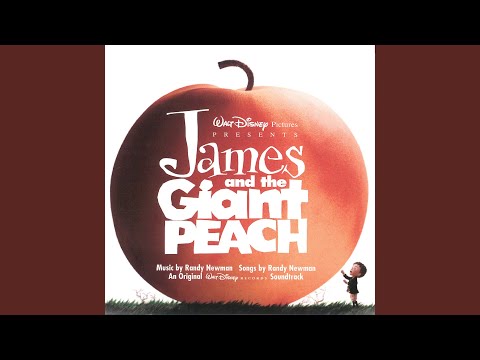
- Album: James and the Giant Peach (An Original Walt Disney Records Soundtrack)
- Music style: Americana-leaning orchestral pop
- Poetic meter: Mixed, conversational phrasing
Questions and Answers
- Who is the "artist" here?
- The credited performer is the film's vocal ensemble, billed as Cast of James and the Giant Peach, with Randy Newman as the songwriter.
- Is this the same as the stage musical songbook material?
- No. There is a later stage adaptation of James and the Giant Peach with a different score by Pasek and Paul, separate from the 1996 film soundtrack.
- Why does the song feel calmer than the big adventure sequences?
- It is designed as a narrative breather. The story needs a safe room for James to accept care before the next burst of danger.
- What is the core message in one sentence?
- Family is something you choose and practice, not something you are simply assigned.
- Does the arrangement matter as much as the lyric?
- Yes. The unhurried pacing and blended vocals make the promise sound lived-in, not theatrical.
- Is it meant to be funny or serious?
- Both, lightly. The characters keep their quirks, but the intent is sincere - a soft landing after hardship.
- Why Randy Newman for this world?
- His voice fits oddball Americana and story songs. The film needed warmth with a wink, not a Broadway belt-fest.
- Where does it sit on the soundtrack?
- It appears early in the track list as Track 4, arriving before the score cues take over much of the album runtime.
- Was it released as a standalone single?
- Not as a traditional chart single. It circulates primarily through the soundtrack album and later compilations.
- What is a practical listening tip to catch the hook?
- Follow the group phrasing - the hook is less a big chorus and more the way voices agree on the same promise.
Awards and Chart Positions
The song itself is not commonly documented as a charting single, but its parent project carried serious awards attention. The film James and the Giant Peach received an Academy Awards nomination for Music (Original Musical or Comedy Score) for Randy Newman at the 69th ceremony (covering 1996 releases). That nomination matters here because it is the same musical world the song lives in - the cue-writing craft and the song-writing craft sharing one palette.
| Year | Award | Category | Credit | Result |
|---|---|---|---|---|
| 1997 | Academy Awards (69th) | Music (Original Musical or Comedy Score) | Randy Newman | Nominated |
How to Sing Family
Because it is an ensemble piece, "how to sing it" is less about vocal athletics and more about collective storytelling - matching vowels, matching breath, matching intention. The recorded track is commonly indexed in D major at about 72 BPM, which gives you space to shape consonants without rushing.
- Tempo first: Lock a click at 72 BPM and practice speaking the text in rhythm. Do not sing yet - get the phrasing to feel like dialogue.
- Diction: Aim for clean final consonants, but clip them together as a group. One singer over-articulating can break the illusion of "one family voice."
- Breathing plan: Mark shared breaths at line ends. Stagger breathing only when the line is long and the chord must stay full.
- Flow and rhythm: Keep the pulse steady. The reassurance comes from consistency, not from rubato drama.
- Accents: Lightly stress promise-words (stay, together, home, family) while keeping everything else conversational.
- Ensemble doubles: If you have multiple parts, assign one group to hold long tones while another carries text-heavy phrases. Trade roles to avoid fatigue.
- Mic and blend: For stage or recording, prioritize blend over volume. A warm unison sells the message better than a soloist pushing for spotlight.
- Common pitfalls: Over-singing the chorus-like moments, dragging the tempo, or turning reassurance into melodrama. Keep it grounded.
Additional Info
Two afterlives are worth noting. First, the song shows up outside the film via Disney compilations and sing-along packaging, where its message becomes a standalone theme rather than a plot beat. Second, it has a small ecosystem of modern covers and karaoke releases (often labeled explicitly as "from James and the Giant Peach"), which tells you what people want from it: a ready-made comfort ritual, short enough to repeat and clear enough to teach.
Also, do not confuse this track with the stage musical adaptations of the story. The licensed musical versions popular with schools and regional theaters use different songs by different writers, even though the narrative destination - chosen kin - stays the same.
Key Contributors
| Entity | Type | Relationship (S-V-O) |
|---|---|---|
| Randy Newman | Person | Newman - wrote - the music and lyrics for the song. |
| Cast of James and the Giant Peach | MusicGroup | Cast - performed - the ensemble recording. |
| Michael Skloff | Person | Skloff - served as - vocal arranger and producer. |
| Frank Wolf | Person | Wolf - mixed - the track for release. |
| Walt Disney Records | Organization | Label - released - the soundtrack album. |
| James and the Giant Peach | Work (Film) | Film - contextualizes - the song's narrative purpose. |
| Henry Selick | Person | Selick - directed - the film featuring the song. |
| Roald Dahl | Person | Dahl - wrote - the original novel that inspired the film. |
Sources: D23, Academy Awards (Oscars.org), AllMusic, Apple Music, Shazam, Tunebat, Amazon track listing, YouTube (audio distribution listing), Music Theatre International