
The Second Star to the Right (Peter Pan) Lyrics
The Second Star to the Right (Peter Pan)
The second star to the rightShines in the night for you
To tell you that the dreams you plan
Really can come true
The second star to the right
Shines with a light so rare
And if it's Never Land you need
Its light will lead you there
Twinkle, twinkle little star
So we'll know where you are
Gleaming in the skies above
Lead us to the land we dream of
And when our journey is through
Each time we say good night
We'll thank the little star that shines
The second from the right
Song Overview
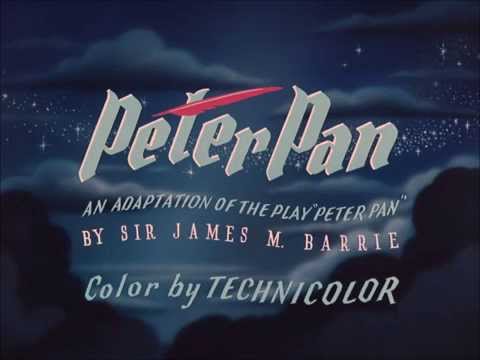
Review and Highlights
Quick summary
- Where it lives: Opening main title for Disney's animated Peter Pan (1953), delivered by an offscreen chorus rather than a named character voice.
- Songwriters: Music by Sammy Fain, words by Sammy Cahn, a Tin Pan Alley pairing that knew how to make a lullaby feel like a compass.
- Signature sound: Choral glow, gentle swing, and an orchestral bed that feels like starlight painted in soft focus.
- Pop afterlife: Quickly crossed into the 1950s adult-pop lane via Doris Day with The Four Lads, then later resurfaced for youth-pop compilations such as DisneyMania 2.
- What makes it stick: It sells directions to an imaginary place without sounding like a map. It sounds like a bedtime promise you can hum.
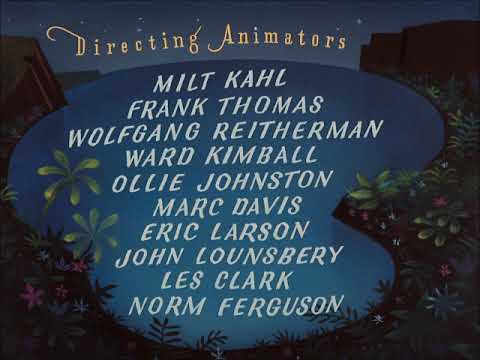
Peter Pan (1953) - animated film - non-diegetic. Opening title sequence (approx 00:00-01:50), an offscreen chorus points toward Neverland while the camera drifts through a night sky. The placement matters because it frames the story as a shared wish before any character speaks, like a curtain-raiser that invites you to believe first and ask questions later.
Creation History
Written for Disney's Peter Pan, the tune pairs Sammy Fain's gift for singable intervals with Sammy Cahn's plain-language wonder. The film credit tradition puts the voices in the background (chorus and quartet) so the idea, not the performer, carries the opening. On recordings, the title often appears as a combined cue with the main-title underscore (a common studio-era move), which is why you will see it bundled with "All This Has Happened Before" on soundtrack track lists.
Song Meaning and Annotations
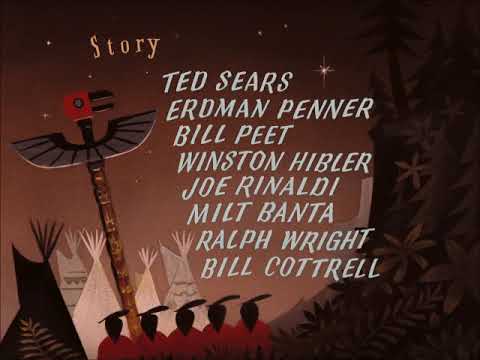
Plot
The song functions as the story's invitation: it points past the ordinary night sky and suggests a route to Neverland. In the film, it lands before the Darling household is introduced, which turns London into a launchpad rather than a cage. The lyric does not explain the rules of the world, it hands you the mood: trust the star, follow the thought, and let the trip feel possible.
Song Meaning
At heart, it is a navigation chant for imagination. The "second star" is less astronomy than ritual: a specific, repeatable sign you can return to when you want escape, comfort, or a reset. The emotional arc (quiet hope, then gentle certainty) is built into the way the chorus repeats its promise. It is not bravado, it is reassurance. The cultural touchpoint is the nursery-rhyme tradition, where small images (a star, a goodnight) carry big permission slips for dreaming.
Annotations
"second star to the right"
A childlike instruction that sounds precise on purpose. The lyric is selling you confidence: if the directions are exact, the destination must be real, at least for the length of a bedtime song.
"its light will lead you there"
This is the song's quiet thesis. The star is not decoration, it is guidance. In the film's opening, that guidance works like stage lighting: it tells you where the story wants your attention, long before a plot point does.
"each time we say goodnight"
Notice the domestic framing. Neverland is not pitched as a one-way escape, but as a place you can visit and return from. That line is why the melody feels safe: it anchors fantasy to routine.
Style and instrumentation
The arrangement is choral-first, with the orchestra acting like a soft halo around the voices. The rhythm has a lullaby sway, the kind that makes phrasing feel natural even for non-singers. That is why the tune travels so well across decades: it can be sung by a choir, a crooner, or a teen-pop vocalist without losing the central spell.
Symbols and phrasing
The star is a stand-in for belief, but also for repeatability. You can look up tonight, tomorrow, next year. The lyric keeps its images simple (night, light, goodnight), so the listener supplies the rest. It is one of those Disney openings that works like a handshake: polite, clear, and quietly binding.
Technical Information
- Artist: The Jud Conlon Chorus (with The Mellowmen Quartet on the film credit)
- Featured: The Mellowmen Quartet
- Composer: Sammy Fain
- Producer: Not consistently credited on public listings for the 1953 film recording
- Release Date: February 5, 1953 (soundtrack listing date commonly shown for the film recording)
- Genre: Film song; show tune; choral pop
- Instruments: Choir; orchestra
- Label: Walt Disney Records (common catalog attribution for soundtrack releases)
- Mood: Dreamy; guiding; bedtime-soft
- Length: About 2 minutes 18 seconds to 2 minutes 19 seconds (varies by release list)
- Track #: Commonly Track 1 as the main title cue on soundtrack editions
- Language: English
- Album: Peter Pan (Original Motion Picture Soundtrack)
- Music style: Lullaby-like chorus with classic studio-orchestra scoring
- Poetic meter: Nursery-rhyme cadence with mostly iambic motion
Questions and Answers
- Who sings the film version?
- The screen credit points to a chorus and a vocal quartet, keeping the performance anonymous so the opening feels like a storybook voice rather than a character.
- Why does it sound like a lullaby instead of a big opening number?
- Because it is a welcome mat, not a showstopper. The film wants you calm and receptive before it introduces the Darling family and the rules of flight.
- Is the star meant to be literal navigation?
- Not in a scientific sense. It is a ritual marker: a repeatable sign that says, "You can go there again," whether "there" is fantasy, comfort, or courage.
- How does the lyric connect to childhood routines?
- It folds the extraordinary into the ordinary with "goodnight" language, making Neverland feel like something that belongs to bedtime, not just adventure.
- Why did pop singers record it so quickly in the 1950s?
- The melody sits well in a crooner-friendly range and carries a clean hook. According to Variety magazine's February 1953 trade review, Doris Day's treatment was spotlighted as a standout, which tells you the song was instantly legible outside the film.
- What changed in later teen-pop versions?
- Tempo and groove often shift forward, and the vocal tone becomes more conversational. The core promise stays the same, but the delivery aims for radio polish rather than storybook haze.
- What is the simplest way to interpret the message?
- Hold onto the dream you planned, look up, and keep going. The lyric makes faith feel practical by giving it directions.
- Does the song appear elsewhere in Disney culture?
- Yes. It shows up in concert arrangements and themed compilations, where it often functions as a signature "wish" moment rather than plot-specific storytelling.
How to Sing The Second Star to the Right
Reference key and range (study editions): Common listings place it in F with a working span around C4 to E5. A main-title recording is often tagged around 178 BPM in audio-feature databases, though many vocal arrangements sit in a gentler pocket.
- Tempo first: Decide whether you want the film-title glide (brisker pulse) or a bedtime pace. Practice with a metronome at a comfortable mid-tempo, then nudge faster only if the words stay easy.
- Diction: Keep consonants soft. Over-crisp T and R sounds can turn the line into a nursery drill. Aim for storybook clarity, not announcement volume.
- Breathing: Plan air before longer thought-lines. A quiet, low breath (ribs expand, shoulders stay calm) keeps the tone floating instead of pressed.
- Flow and phrasing: Sing in arcs, not syllables. The hook wants a single breath of belief, so connect the phrase the way you would speak it to a child.
- Accents: Lean lightly on the key nouns (star, night, dreams, light). Everything else can be feathered so the line does not feel square.
- Harmony awareness: If you are in a choir, tune the thirds carefully. The charm is in blend. Listen for the chord, then place your note inside it.
- Mic and placement: Close-mic singers should use a slightly breathier onset, but avoid hiss. Stage singers can brighten the vowels a touch so the lyric carries without forcing.
- Common pitfalls: Rushing the hook, pushing the top notes, and making the mood too grand. Think lullaby with direction, not anthem.
Additional Info
The song's early life is a neat snapshot of mid-century American pop: film music could jump the fence into radio and record shops almost immediately. Doris Day recorded it with The Four Lads and Paul Weston, and trade writing treated it as more than a novelty. According to Variety magazine, her cut was framed as a standout slice tied to the Disney picture, proof that the tune could live outside animation without losing its spell.
Later, the piece became a kind of Disney shorthand for wish-making. Teen-pop compilations gave it a brighter, more contemporary sheen, while orchestral and choral programs kept returning to it as a short, luminous opener. Disney Concerts even lists a dedicated orchestral arrangement with a full wind-and-strings palette, which tells you the company still treats it as a repertoire staple rather than a relic.
Key Contributors
| Entity | Type | Relationship (S-V-O) |
|---|---|---|
| Sammy Fain | Person | Fain composed the music for the song. |
| Sammy Cahn | Person | Cahn wrote the words for the song. |
| The Jud Conlon Chorus | Organization | The chorus performed the film recording. |
| The Mellowmen Quartet | Organization | The quartet contributed vocals in the film credit. |
| Walt Disney Music Company | Organization | The company published the composition in repertory listings. |
| Peter Pan (1953 film) | Work | The film used the song as its opening main title. |
| Doris Day | Person | Day recorded a pop version tied to the film era. |
| DisneyMania 2 | Work | The compilation included a later cover version for a youth-pop audience. |
| Disney Concerts | Organization | Disney Concerts offers an orchestral arrangement for performance. |
Sources: IMDb soundtrack credits for Peter Pan (1953), Apple Music track listing for Peter Pan main title, Disney Concerts orchestral arrangement catalog entry, ABRSM Singing for Musical Theatre syllabus (Practical Grades), ASCAP 40 Years of Hit Tunes (1955) PDF, Variety (February 1953) trade review archive, DisneyMania 2 reference listings, TuneBat audio-feature listing