
Let's Go Fly a Kite (Mary Poppins) Lyrics
Let's Go Fly a Kite (Mary Poppins)
With tuppence for paper and stringsYou can have your own set of wings
With your feet on the ground
You're a bird in flight
With your fist holding tight
To the string of your kite
Oh, oh, oh
Let's go fly a kite
Up to the highest height
Let's go fly a kite
And send it soaring
Up through the atmosphere
Up where the air is clear
Oh, let's go fly a kite
Let's go fly a kite
Up to the highest height
Let's go fly a kite
And send it soaring
Up through the atmosphere
Up where the air is clear
Oh, let's go fly a kite
When you send it flying up there
All at once you're lighter than air
You can dance on the breeze over houses and trees
With your fist holding tight
To the string of your kite
O, oh, oh
Let's go fly a kite
Up to the highest height
Let's go fly a kite
And send it soaring
Up through the atmosphere
Up where the air is clear
Oh, let's go fly a kite
Song Overview
Review and Highlights
Quick summary
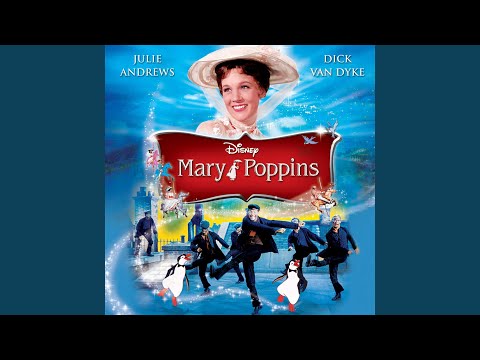
- Where it appears: Finale ensemble number from the 1964 film Mary Poppins, led by George Banks and joined by Bert and neighbors.
- Who wrote it: Richard M. Sherman and Robert B. Sherman.
- What it does: Turns a repaired kite into a family reset button, then sends the story out on a breeze instead of a bang.
- How it moves: A 3/4, waltz-leaning lift that keeps the ending airy rather than theatrical.
- Stage-life twist: In the stage musical world, the title becomes a visual engine for Mary returning by kite in Act Two.
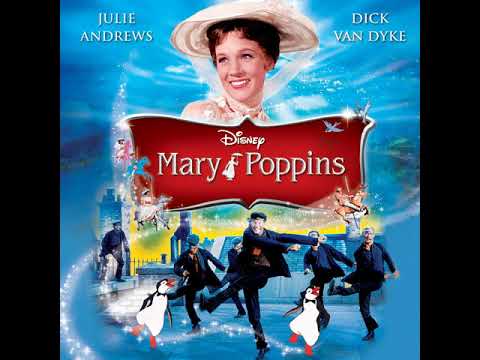
Mary Poppins (1964) - film - not diegetic. It arrives after Mr. Banks chooses family over the bank, mends the kite, and leads the household into the park with Bert and a swelling chorus. The placement matters because the number is not a victory lap, it is a promise: repair is possible, and it can look as ordinary as string and paper.
The brilliance here is restraint. A lot of movie musicals end by grabbing you by the collar and insisting you clap. This one smiles, takes your hand, and walks you outside. The melody rises like a kite line slipping through your fingers, and the waltz pulse gives the scene a gentle spin without turning it into a curtain-call stomp. The lyric keeps repeating the same invitation, but the arrangement keeps widening the frame, so what starts as one dad's bright idea becomes a neighborhood mood.
Key takeaways
- Theme in motion: The repaired kite is not a prop - it is the story's argument made visible.
- Ensemble storytelling: The chorus is not decoration; it turns private change into public warmth.
- Waltz as character: The 3/4 sway reads as relief - a man finally stepping out of rigid timekeeping.
Creation History
Accounts tied to the Shermans describe how the number was reshaped to feel lighter, shifting from a more square, show-ending drive into a waltz-like 3/4, and anchoring the song in a family symbol: a mended kite. A recurring behind-the-scenes thread also points to the brothers' father, Al Sherman, remembered as an enthusiastic kite maker, as a spark for the imagery. Wikipedia and reference summaries trace those points back to Robert B. Sherman's writing about the project and to later catalog notes on the song's development. According to TIME magazine, the tune also kept turning up in public sing-along moments, which says something about how easily its refrain slips into communal memory.
Song Meaning and Annotations
Plot
The story has spent time proving how easily money, pride, and routine can harden a household. Then the bank day collapses, Mr. Banks returns home, and he does one practical thing that carries the weight of an apology: he repairs the kite Michael thought was ruined. The family steps into daylight together, and the neighborhood joins in, as if London itself is happy to see the Bankses untangle their string.
Song Meaning
At face value, it is an invitation to fly a kite. Underneath, it is a manual for loosening your grip. The kite goes up because someone stopped insisting on control and started trusting the wind. The lyric keeps tugging upward - higher, higher - and the music answers with a buoyant 3/4 lift that feels like a reset from the bank's stiff marching world. It is not sentimental in a syrupy way; it is practical optimism, the kind you can do with your hands.
Annotations
-
"up to the highest height"
This phrase sells the feeling more than the literal action. It is aspiration phrased like play, which is the whole point: your best self might show up when you stop performing seriousness.
-
"send it soaring"
The verb choice keeps the moment active. The kite does not just float; someone releases it on purpose. That is Mr. Banks choosing a new habit.
-
"let's go"
Two words that do a lot of work. They turn an individual decision into a family pact, then into a neighborhood chorus. The song spreads the way good news spreads.
Rhythm and style fusion
This is a waltz that behaves like a sing-along. You get the roundness of 3/4, but the phrasing is plainspoken and communal, closer to a street chorus than a ballroom. That blend is why it can play as both story beat and memory hook.
Symbols and touchpoints
The repaired kite is the film's cleanest symbol: a broken thing fixed without fanfare. It is also a sly echo of British park culture, that weekend ritual of paper, string, and wind. And for Disney history watchers, the kite motif kept floating forward - later marketing for Mary Poppins Returns leaned into a battered kite as a visual callback, a shorthand for the earlier film's last act.
Technical Information
- Artist: David Tomlinson and Dick Van Dyke (with The Londoners on many soundtrack listings)
- Featured: Ensemble chorus
- Composer: Richard M. Sherman; Robert B. Sherman
- Producer: Soundtrack album production credits vary by edition and reissue
- Release Date: August 27, 1964
- Genre: Film soundtrack; show tune; waltz-leaning ensemble number
- Instruments: Lead vocals; chorus; orchestral accompaniment
- Label: Walt Disney Records (common modern credit on digital platforms)
- Mood: Uplifting; communal; breezy
- Length: 1:53 (common soundtrack listing)
- Track #: 18 (common soundtrack sequence on digital editions)
- Language: English
- Album (if any): Mary Poppins (Original Motion Picture Soundtrack)
- Music style: Waltz pulse with chorus expansion and repeated refrain
- Poetic meter: Conversational stresses shaped into repeated refrain cadence
Questions and Answers
- Why does the film end with a kite instead of a bigger spectacle?
- Because the point is repair, not fireworks. A mended kite is a humble object that can carry a big change without speeches.
- Who leads the singing?
- George Banks is the key voice, performed by David Tomlinson, with Dick Van Dyke joining and a chorus widening the moment.
- What makes the refrain so sticky?
- Short, repeated phrasing that feels like a shared chant. It is designed for a crowd, not for virtuoso display.
- Is the number more about childhood or adulthood?
- Both. It starts as a child's pastime, but it lands as an adult choosing play as a serious value.
- Why does 3/4 matter for the story?
- The waltz sway contrasts with the bank's rigid world. It sounds like breathing room, which is exactly what Mr. Banks has chosen.
- How does it connect to the earlier bank material?
- It is the release valve. The bank scenes prize control and return. The finale prizes wind, chance, and togetherness.
- Does the stage musical keep it as the final moment?
- Many stage versions use it earlier and tie it to Mary returning by kite, turning the title into a piece of stage magic as well as a moral signpost.
- Why do people sing it at reunions and tributes?
- It is a built-in group moment, a tune that welcomes extra voices without needing rehearsal, which makes it perfect for public sing-alongs.
- What is the key image to focus on when performing it?
- The repaired kite. If you sing like that repair matters, the rest of the joy follows naturally.
How to Sing Let's Go Fly a Kite
Because the song lives in a waltz sway and grows into an ensemble, the main challenge is not high notes - it is buoyancy. ABRSM syllabus material for musical-theatre singing lists a commonly used arrangement in B-flat with a working range around Bb3-D5, and also notes that keys may be adapted for the singer at lower grades. Use those references as a practical anchor, then pick the key that lets your refrain float without strain.
- Tempo: Decide whether you feel the waltz in one per bar or in three. Many metadata listings tag a brisk BPM, but performers often treat it as a lighter, slower pulse with lift at the phrase ends.
- Diction: Keep "kite" crisp and forward, but do not punch it. The word should feel like a grin, not a command.
- Breathing: Plan breaths before the refrain repeats. The trick is to sound like you have endless air, like wind does.
- Flow and rhythm: Let the second beat lean slightly, then release into the third. That tiny sway is what makes the song feel airborne.
- Accents: Stress the action words, then soften the height imagery. The melody already climbs - your job is to keep it easy.
- Ensemble and doubles: If you are leading a group, sing the first refrain smaller than you think. Save the wide sound for later repetitions so the arc feels earned.
- Mic technique: Stay close for the conversational lead, then step back as the chorus swells. Do not chase volume; chase clarity.
- Pitfalls: Rushing the waltz makes it feel like a march. Over-smiling the tone can make it childish. Aim for relieved, not silly.
- Practice materials: Speak the lyric in 3/4, then sing on one vowel, then reintroduce consonants. Record one take with a metronome, then one without, and keep the version that feels most like wind.
Additional Info
The song has a second life as a social ritual. D23 posted a clip of Richard Sherman at the piano with Dick Van Dyke, turning the finale refrain into a living-room moment on a convention stage. That is the number's special trick: it does not demand a perfect performance, it rewards participation.
On the cover side, SecondHandSongs tracks releases beyond the film recording, including Burl Ives among the artists who have taken a swing at the title. And the stagecraft angle is unusually concrete: a technical flying-effects guide for Mary Poppins references the Act Two return by kite, making the song title part of a practical cue sheet as much as a musical cue.
Key Contributors
| Entity | Type | Relationship | Statement |
|---|---|---|---|
| Richard M. Sherman | Person | Composer-lyricist | Richard M. Sherman co-wrote the song and helped define its waltz lift within the film's arc. |
| Robert B. Sherman | Person | Composer-lyricist | Robert B. Sherman co-wrote the song and documented parts of its development in later writings. |
| David Tomlinson | Person | Lead performer | Tomlinson performs George Banks, leading the finale from repair to celebration. |
| Dick Van Dyke | Person | Featured performer | Van Dyke joins as Bert, helping turn a family moment into a communal chorus. |
| Walt Disney | Person | Creative driver | Disney is frequently cited in development accounts as guiding the feel toward a breezier ending. |
| Mary Poppins (1964) | Work | Source film | The film uses the repaired kite and the ensemble refrain as its final statement of changed priorities. |
| Mary Poppins (stage musical) | Work | Stage adaptation | Stage materials reference Mary returning by kite in Act Two, tying the title to a stage effect. |
| Walt Disney Records | Organization | Label | Modern soundtrack listings commonly credit the label on digital releases. |
| ABRSM | Organization | Repertoire curator | ABRSM syllabus listings document a commonly used key and range for performance-study contexts. |
Sources: Apple Music, ABRSM, Tunebat, D23, SecondHandSongs, Disney Sing-Alongs, TIME magazine, Teen Vogue, Wikipedia, Fly By Foy