
I Wan'na Be Like You (The Jungle Book) Lyrics
I Wan'na Be Like You (The Jungle Book)
Now I'm the king of the swingersOh, the jungle VIP
I've reached the top and had to stop
And that's what botherin' me
I wanna be a man, mancub
And stroll right into town
And be just like the other men
I'm tired of monkeyin' around!
Oh, oobee doo
I wanna be like you
I wanna walk like you
Talk like you, too
You'll see it's true
An ape like me
Can learn to be humen too
( Gee, cousin Louie
You're doin' real good
Now here's your part of the deal, cuz
Lay the secret on me of man's red fire
But I don't know how to make fire )
Now don't try to kid me, mancub
I made a deal with you
What I desire is man's red fire
To make my dream come true
Give me the secret, mancub
Clue me what to do
Give me the power of man's red flower
So I can be like you
You!
I wanna be like you
I wanna talk like you
Walk like you, too
You'll see it's true
Someone like me
Can learn to be
Like someone like me
Can learn to be
Like someone like you
Can learn to be
Like someone like me!
Song Overview
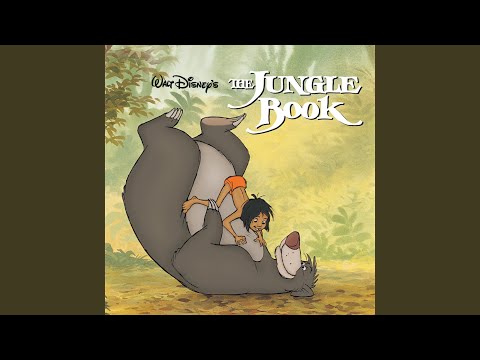
Review and Highlights
Quick summary
- Where it lives: A diegetic showstopper in the 1967 animated film, staged in King Louie's crumbling temple with Baloo dragged into the act.
- Who carries it: Louis Prima sells the swagger as King Louie, with Phil Harris answering in a looser, ad-libbed counterflow.
- Sound: Swing and Dixieland jazz energy, built on call-and-response, scat breaks, and brass that feels like it is winking at you.
- Why it matters: It turns a power play into a party, but the party is the trap.
- Afterlife: Reworked in sequels, TV placements, and stage editions, with high-profile covers that keep the hook in circulation.
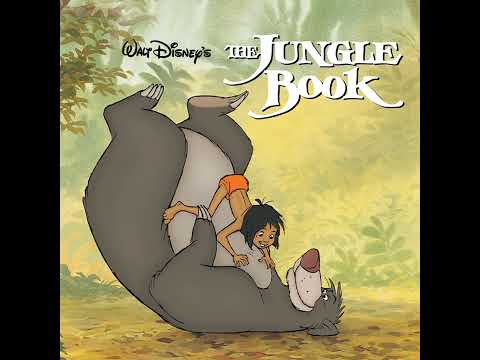
The Jungle Book (1967) - film - Diegetic. King Louie corners Mowgli inside the monkeys' lair and tries to bargain his way to "man" knowledge, with Baloo forced into a comedic, high-stakes duet. The sequence functions like a velvet-glove interrogation: the rhythm is friendly, the intent is not.
If you grew up thinking of this number as pure mischief, you were not wrong. But listen as an adult and you hear the craft: it is written to sound spontaneous while staying tightly staged. Prima's phrasing is all elbows and grin, the band hits like a nightclub revue, and the chorus chants in a way that makes the jungle feel like a crowded room. Then Harris refuses to be a mirror. He answers with his own timing, his own scat, his own little sideways chuckle. That friction is the joke, and it is also the drama.
Key Takeaways
- Character through rhythm: the swing pulse is Louie's sales pitch.
- Comedy as leverage: the duet keeps Mowgli (and the audience) relaxed while the stakes climb.
- Scat as story: the mid-song chatter is not filler - it is a power contest in syllables.
- Legacy: the tune is adaptable, which is why pop, punk, and big-band revivals all keep grabbing it.
Creation History
The songwriting brief was simple on paper and tricky in practice: brighten a jungle story without sanding off the tension. The Sherman brothers leaned into a jazz idea that matched the character concept, framing Louie as the "king of the swingers" and letting swing music do the heavy lifting. Reportedly, Prima was not just a voice on a mic; his performance style fed the animation language, with movement and timing that the film could borrow. The result is a sequence that plays like a nightclub routine dropped into a cartoon adventure - a slightly dangerous one. According to a Metro News feature on the song's origins, the pitch was to make Louie a jazz figure and then cast the most natural swinger available.
Song Meaning and Annotations
Plot
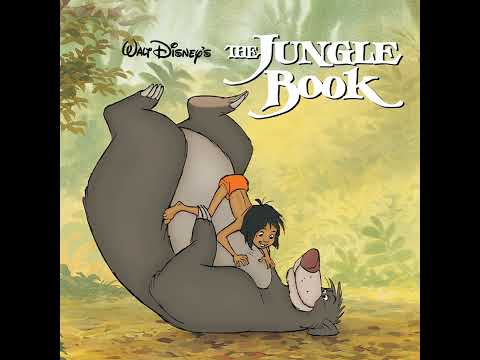
In the film, Mowgli is separated from his allies and pulled into the monkeys' domain. King Louie, amused and threatening in equal measure, makes a proposition: teach him the secret of being human, specifically how to produce fire, and he will grant favor. Baloo enters as a rescue attempt and gets drafted into the show. The song becomes the scene's operating system: humor on the surface, bargaining underneath, and a clear message that Louie is running the room.
Song Meaning
On its face, this is an aspiration anthem: an outsider wants access to the privileges of another group, and he sings the desire out loud with a grin. Under the grin, it is a negotiation about power and knowledge. Louie is not asking to join humanity out of wonder; he wants the tool that changes the food chain. That is why the lyric about "red fire" lands like a plot device, not a metaphor. The swing style helps sell the temptation: the groove says "fun," while the scenario says "deal."
Annotations
We will make him the king of the swingers.
That line works on two levels. It is a pun on how monkeys swing through trees, and it is an excuse to write a genuine swing showcase. When the arrangement leans into brass punches and riffing call-and-response, it is not decoration - it is the character pitch turned into sound.
You want to make a monkey out of me? You got me.
Even as a quip, it captures why Prima fits: the character needs a performer who can joke and dominate the room in the same breath. In practice, that persona becomes the song's engine: the band follows the swagger, and the scene follows the band.
Musically, the number is built like a small-stage revue. A tight chorus answers the lead, the stage business is baked into the accents, and the scat section turns language into percussion. The driving rhythm is swing first, story second - and that is precisely why it works. In 1967, swing already carried nostalgia and showmanship; using it here gives Louie instant charisma, like a lounge act who wandered into the jungle and decided to run it.
Motifs and symbols
Fire as leverage: "red fire" is technology, status, and threat, all at once. It is the MacGuffin that makes the song matter to the plot.
Imitation as strategy: the repeated "like you" is not admiration alone. It is a tactic: persuasion through flattery, wrapped in a dance number.
Scat as duel: when the voices trade nonsense syllables, the subtext is not nonsense. It is dominance, bluffing, and quick thinking, performed at tempo.
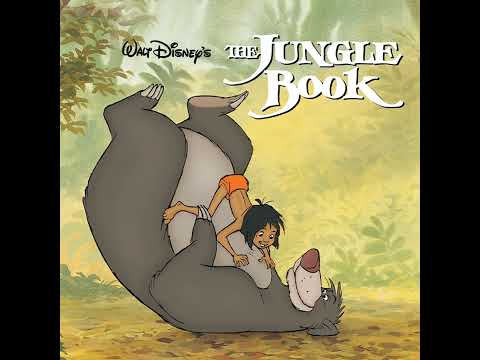
One side note from the long view: this is also a song that has carried complicated readings over time, because it is built on imitation, coded desire, and a cartoon club atmosphere. That makes it fertile for reinterpretation. Modern covers often tilt it one of two ways: either they heighten the party (pop-rock gloss, louder drums) or they underline the menace (slower tempo, heavier low end). The skeleton is strong enough to take either coat of paint.
Technical Information
- Artist: Louis Prima and Phil Harris (with spoken interjections associated with Bruce Reitherman on some album editions)
- Featured: Ensemble chorus (monkeys) in film arrangement
- Composer: Richard M. Sherman; Robert B. Sherman
- Producer: Larry Blakely (soundtrack album credit on major reissues)
- Release Date: October 18, 1967 (film release); soundtrack album editions list 1967 publishing dates
- Genre: Soundtrack; swing; Dixieland jazz
- Instruments: Lead vocals; chorus; brass; reeds; rhythm section; percussion; scat; spoken ad-libs
- Label: Walt Disney and Disneyland family of soundtrack labels (varies by edition)
- Mood: Playful; persuasive; sly
- Length: Common soundtrack listings range from about 4:03 to 4:39 depending on edition
- Track #: Often track 5 on the 1997 expanded soundtrack configuration
- Language: English (with many localized dubbing versions and later international covers)
- Album (if any): The Jungle Book - Original Motion Picture Soundtrack (multiple configurations)
- Music style: Swing vocal with staged call-and-response and scat breaks
- Poetic meter: Conversational swing phrasing, driven by syncopation rather than strict meter
Questions and Answers
- Who is singing in the classic 1967 recording?
- Louis Prima voices King Louie, with Phil Harris answering as Baloo. Some soundtrack editions also include spoken interjections associated with Bruce Reitherman.
- Why does the song lean so hard into swing?
- Swing is Louie's charm offensive. The style signals showmanship and confidence, so the character can sound welcoming while he is cornering Mowgli.
- What is the plot purpose of the fire reference?
- It makes the number a negotiation, not just a dance. Fire is the human advantage Louie wants, and the scene is built around that leverage.
- Is the famous scat section scripted or improvised?
- Accounts of the sessions describe a two-pass process where Prima laid down his ideas and Harris refused to imitate them, choosing his own responses. The finished exchange feels like controlled improvisation.
- Why does Baloo being forced into the duet matter?
- It changes the tone from threat to comedy, buying time and misdirecting Louie's attention, even while the danger stays real.
- How did the song influence later versions of The Jungle Book?
- It became a signature set piece. Sequels, TV uses, and stage editions keep returning to it because it delivers character, dance opportunity, and a clear dramatic beat.
- What is different in the 2016 live-action adaptation?
- The scene is reshaped and the lyric details are adjusted to fit that film's portrayal of Louie, while keeping the core hook and the swing-forward identity.
- Why do rock and pop artists keep covering it?
- The chorus is instantly recognizable, and the structure supports big personality. You can push it toward punk speed, pop shine, or big-band polish and it still reads.
- Does the song have notable TV placements outside the films?
- Yes. Documented uses include episode placements in scripted television, showing how the hook can signal nostalgia, mimicry, or mischief depending on context.
- What is the simplest way to describe the number's theme?
- It is imitation as ambition, performed with a grin. The grin is part of the strategy.
Awards and Chart Positions
This tune is better described as a repertory standard than a traditional chart single. Its chart footprints come mostly from later reworks and medleys rather than the 1967 soundtrack cut.
| Release | Territory | Peak | Notes |
|---|---|---|---|
| The Jungle Book Groove (medley) | United Kingdom | 14 | 1993 medley pairing the hook with "The Bare Necessities", credited to Jungle Book. |
| Robbie Williams feat. Olly Murs cover | Austria | 55 | 2013 chart placement for the swing-pop cover. |
| Robbie Williams feat. Olly Murs cover | Germany | 85 | 2013 chart placement for the swing-pop cover. |
| Robbie Williams feat. Olly Murs cover | Ireland | 64 | 2013 chart placement for the swing-pop cover. |
As stated in the Official Charts Company data, the 1993 medley run lasted eight weeks on the UK chart, peaking at number 14. Separately, the broader Jungle Book soundtrack has earned multiple certifications across territories on various editions, showing the long tail of the material even when individual tracks do not behave like conventional singles.
How to Sing I Wan'na Be Like You
Baseline metrics (practical rehearsal values): Many tempo databases cluster the classic soundtrack feel around 96 BPM. Stage-school arrangements commonly sit in a comfortable swing key center such as F minor, while pop covers may shift key and tempo depending on vocalist and band.
Step-by-step
- Tempo first: Lock the swing at a steady pulse. Practice the chorus at 96 BPM with a metronome, then remove the click and keep the same internal bounce.
- Diction: Keep consonants light. The groove dies if you over-pronounce. Aim for crisp starts and relaxed endings.
- Breathing: Mark the long phrases and take quick, silent breaths on rests or after short tag lines. This tune rewards efficient breathing more than big operatic support.
- Flow and rhythm: Think "late but not sloppy." Sit behind the beat slightly on the lead lines, then snap back in time for chorus hits.
- Accents: Punch the comedic words, not every word. Let the band do the heavy lifting on energy.
- Scat section: Treat it like trading fours. Keep syllables percussive, vary shapes, and listen like a drummer. If you are doubling another singer, assign who leads each phrase so it reads as dialogue, not noise.
- Mic and placement: Lean in for spoken asides, lean back for shouty peaks. Swing vocals sound best when the mic captures nuance.
- Pitfalls: Rushing the chorus, over-singing the joke, and making the scat too clean. This number wants controlled mess.
- Practice materials: Start with the chorus on a loop, then add verse phrasing, then add the scat. Record yourself and check whether the groove still smiles.
Additional Info
The cover history is almost a mini-tour of modern pop culture: swing bands, punk-leaning reinterpretations, kid-friendly compilations, and prestige soundtrack revisits. The song appears in a licensed stage version for young performers, where it is often paired with choreography-friendly structure and simplified vocal handling - as stated in Music Theatre International materials for the Kids edition.
On screens, the title shows up beyond the original film and its modern reimagining. Documented uses include scripted TV placements, where the hook can read as nostalgia, mimicry, or sly comedy depending on the scene.
Key Contributors
| Entity | Type | Relationship |
|---|---|---|
| Richard M. Sherman | Person | Co-wrote the song |
| Robert B. Sherman | Person | Co-wrote the song |
| Louis Prima | Person | Performed as King Louie on the 1967 film recording |
| Phil Harris | Person | Performed as Baloo on the 1967 film recording |
| Bruce Reitherman | Person | Associated with spoken interjections on some soundtrack editions |
| George Bruns | Person | Film score composer; associated with instrumental music around the songs |
| Walter Sheets | Person | Orchestration credited in production accounts |
| The Jungle Book (1967) | Work | Film scene and original context for the song |
| Disney's The Jungle Book KIDS | Work | Licensed stage adaptation including the song and a reprise |
| Official Charts Company | Organization | Publishes chart history for the 1993 medley single |
Sources: IMDb soundtrack listing for The Jungle Book (1967), Metro News feature on the song's origin, Official Charts Company chart history for The Jungle Book Groove, Music Theatre International show page for Disney's The Jungle Book Kids, Wikipedia entries for the song and soundtrack, SecondHandSongs performance and release notes, SongBPM and GetSongKey tempo-key listings