
My Name Is James (Jame & The Giant Peach) Lyrics
My Name Is James (Jame & The Giant Peach)
My name is Jamesthats what mother called me
my name is James
so its always been
sometimes I forget
when I'm lonely or afraid
and I'll go inside my head
and look for James
There's a city that I dreamed of
very far from here
very very far away from here
very far away
there are people in the city
and they come to me
but it's very very far away you know
very far away
They'll say James, James, James how are ya ?
Isn't it a lovely day
James, James, James
were so glad you came here where we are
from so very very very far
My name is James, James, James
Song Overview
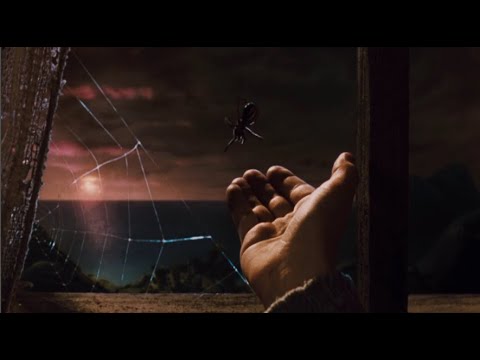
Review and Highlights
Quick summary
- What it is: An opening character-intro ballad from the 1996 film James and the Giant Peach, performed by Paul Terry.
- Who wrote it: Randy Newman wrote the film's songs and score, giving this one his signature plainspoken, story-first wit.
- Where it lands: Early in the movie, before the big adventure properly lifts off - a soft reset button for the hero's identity.
- How it feels: A lullaby-leaning show tune that walks like a children's song but thinks like a grown-up ballad.
- Why it sticks: It treats a name like a lifeline - simple words, heavy job: keep a kid upright.
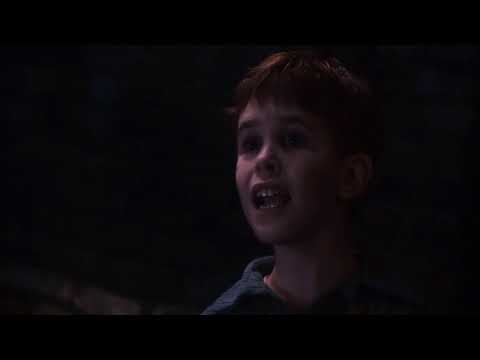
James and the Giant Peach (1996) - film soundtrack - diegetic. Early in the first act, James introduces himself while trying to make sense of his new, strange companionship before the story pivots into the peach voyage. The scene placement matters: it is not a victory lap, it is a handhold.
Key takeaways
- Newman writes small to hit big. The melody stays close to speech rhythms, like a kid talking himself through panic.
- The hook is a sentence, not a slogan. Repetition does not chase radio. It chases reassurance.
- The arrangement behaves like a bedside lamp. Nothing barges in. Instruments arrive like someone entering a room quietly so they do not spook the child.
- It is an "I am" song without the brass. A classic musical-theatre function, but staged as private self-care.
Creation History
For the 1996 adaptation directed by Henry Selick, the songwriting lane narrowed to one voice: the film's songs are credited to Randy Newman, and the soundtrack releases present the track as part of his Disney-era run of character-driven writing. There is a behind-the-scenes twist, too. Selick explored other songwriting options early on, but the finished film centers on Newman, whose knack for giving characters plain words with complicated shadows makes this opener feel less like a "number" and more like a confession slipped into melody.
Song Meaning and Annotations
Plot
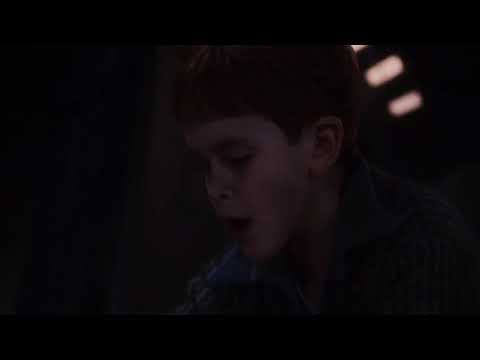
The story drops us into a boy's hard-luck orbit: James is isolated, pushed around, and hungry for a life that does not feel like a trap. When the film lets him sing right away, it is not to show off pipes. It is to show a coping mechanism. This number frames him as someone who has already learned to self-narrate: he says his name, repeats it, tests it, and tries to believe it. In a movie packed with oddball creatures and big visual swings, that small act of self-definition is the first real magic trick.
Song Meaning
At its core, the song is about identity under stress. A name here is more than an introduction - it is a tether to a mother, to memory, to the version of yourself that existed before loss did its worst. The lyric strategy is deceptively childlike: short clauses, repeat the key phrase, let the listener fill in the ache. In my notebook, I wrote: "A lullaby sung by the person who needs it." The dream of a faraway city functions like a mental escape hatch, but the song keeps returning to the name, as if saying: you can travel in your head, but you still have to come back to who you are.
"My name is James, that's what mother called me."
That line works like a title deed. It claims a self that other people keep trying to shrink or erase, and it anchors the song's tenderness in a specific relationship rather than a generic wish.
"Sometimes I forget when I'm lonely or afraid."
It is a blunt admission of dissociation without using any clinical vocabulary. The song is not diagnosing him - it is showing the listener what forgetting feels like, in the most everyday words possible.
Style, rhythm, and a little cultural context
Musically, it sits in a slow ballad pocket, with a gentle pulse that can be counted like breaths. Newman often borrows from older American songwriting traditions - the kind of theatrical pop where melody serves character - and here he scales it for a child protagonist. The result is a piece that fits "family film" expectations while still carrying a songwriter's adult awareness of grief and self-talk. It is not a belt-it-out anthem. It is a quiet scene where the point is survival.
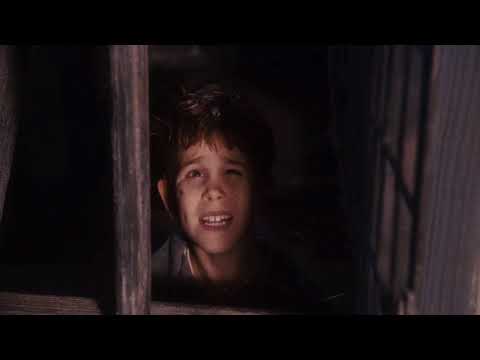
Symbols and key phrases
The name: A personal talisman. Repeating it is like checking a pulse.
The distant city: A wish-image that suggests agency. Even if he cannot move yet, he can imagine movement.
Inside my head: The song's staging is internal. It behaves like a diary entry that accidentally became music.
Technical Information
- Artist: Paul Terry
- Featured: None listed
- Composer: Randy Newman
- Producer: Not consistently credited at the individual-track level in the public metadata I could access
- Release Date: April 1, 1996 (track listing on major digital services); soundtrack album release clustered in April 1996 across formats
- Genre: Film soundtrack, children's, stage and screen ballad
- Instruments: Voice with orchestral and piano-led accompaniment (arrangement varies by release and mastering)
- Label: Walt Disney Records (soundtrack releases)
- Mood: Reflective, searching, reassuring
- Length: 2:38
- Track #: 1 (on the original soundtrack sequencing)
- Language: English
- Album: James and the Giant Peach (An Original Walt Disney Records Soundtrack)
- Music style: Story-song ballad with musical-theatre phrasing
- Poetic meter: Conversational, loosely iambic phrasing in the opening lines
Questions and Answers
- Is this song from the stage musical or the 1996 film?
- This specific recording is tied to the 1996 film soundtrack, where Paul Terry performs the lead vocal.
- Why does the song repeat the name so many times?
- Repetition is the point: it plays like self-soothing, turning a simple phrase into a steadying ritual.
- What kind of song is it in musical-theatre terms?
- It functions like an "I am" song, but it is staged as an intimate aside rather than a big declarative moment.
- What is the "faraway city" doing in the lyric?
- It is an escape image and a goal marker. The character cannot move yet, so imagination becomes a rehearsal for freedom.
- Does Randy Newman sing on this track?
- Not on the lead. Newman appears elsewhere on the soundtrack, but this performance centers on the film's young protagonist.
- Is it meant to be funny?
- It has Newman's gentle irony in the background, but the mood reads as earnest. The humor is restrained, like a smile that does not interrupt the scene.
- What makes it effective for younger performers?
- The melody is direct and sits close to speech. The challenge is storytelling: you have to sell the inner monologue without oversinging it.
- Does the song connect to the film's larger theme?
- Yes. The movie is about building a chosen family and reclaiming agency. This opener plants the "who am I" seed that later blooms into "where do I belong."
- Are there notable cover versions?
- There are instrumental and mood-setting reinterpretations on streaming services that recast the tune as background piano rather than narrative ballad.
- What is the safest way to quote it in a review?
- Use short fragments and focus on the function of the line in the scene, not a long transcription.
Awards and Chart Positions
The song itself is not widely documented as a charting single, and major discography tables do not list a Billboard 200 peak for the film soundtrack album. What did earn industry notice was the film's music as part of the larger production: the movie received an Academy Award nomination for Best Music, Original Musical or Comedy Score for Randy Newman, alongside other animation honors.
| Category | Work | Result | Year |
|---|---|---|---|
| Academy Awards | Best Music, Original Musical or Comedy Score (Randy Newman) | Nominated | 1997 |
| Compilation appearance | Classic Disney: 60 Years of Musical Magic (includes the track) | Catalog placement | 2003 |
How to Sing My Name Is James
Reported metadata places the track in D major at about 80 BPM, which is slow enough to tempt singers into dragging. The trick is to keep the line moving like spoken thought. As stated in AllMusic's album entry, this soundtrack sits squarely in stage-and-screen storytelling, and that is your north star: clarity beats volume.
- Tempo first: Set a metronome near the reported BPM and practice speaking the text in time. Do not start by singing.
- Diction: Treat the repeated name as meaningfully different each time. Change the intention, not the pronunciation.
- Breathing: Plan breaths around complete thoughts. If you gasp mid-idea, the song loses its diary-like flow.
- Flow and rhythm: Keep consonants crisp, but let vowels carry warmth. This is comfort music inside a narrative.
- Accents: Lean gently on the words that signal memory and fear. Avoid melodrama - the writing is already doing the work.
- Ensemble awareness: Even solo, imagine the orchestration as a scene partner. Leave space where the accompaniment answers you.
- Mic and dynamics: If amplified, sing smaller and closer. The piece rewards intimacy more than projection.
- Pitfalls: Rushing the repeated phrase, oversentimental phrasing, or making every line the same intensity.
Additional Info
The tune has had a second life in streaming-era reimaginings: there are piano-forward, calming versions that turn the narrative ballad into something closer to ambient Disney bedtime listening. The melody can take that transformation because it is built on a sturdy, singable contour rather than clever rhythmic tricks.
It also shows up as catalog glue on multi-artist Disney compilations, a reminder that film songs do not need chart peaks to become part of a shared library. According to BroadwayWorld, the number is even recommended as a kid-friendly audition option - proof that its real stage is often the rehearsal room.
Key Contributors
| Entity | Type | Relationship |
|---|---|---|
| Randy Newman | Person | Wrote the song and the film's credited songs; composed the film's score. |
| Paul Terry | Person | Performs the vocal as the film's James. |
| Henry Selick | Person | Directed the film in which the song appears. |
| Walt Disney Records | Organization | Released soundtrack editions that include the track. |
| James and the Giant Peach | Work (Movie) | Primary narrative context for the song's placement and meaning. |
| Roald Dahl | Person | Author of the source novel that the film adapts. |
Sources: Apple Music album listing, Apple Music track listing, Wikipedia (James and the Giant Peach film), Wikipedia (Walt Disney Records discography), Wikipedia (Randy Newman discography), Spotify album listing, SoundCloud album stream (Randy Newman account), Songdata.io track metadata, BroadwayWorld audition-songs feature, Classic Disney: 60 Years of Musical Magic track listing, YouTube (soundtrack upload)