
The Tiki, Tiki, Tiki Room (Disneyland) Lyrics
The Tiki, Tiki, Tiki Room (Disneyland)
Chorus:In the Tiki Tiki Tiki Tiki Tiki Room
In the Tiki Tiki Tiki Tiki Tiki Room
All the birds sing words and the flowers croon
In the Tiki Tiki Tiki Tiki Tiki Room
Welcome to our tropical hideaway, you lucky people you!
If we weren't in the show starting right away,
We'd be in the audience too
All together!
Chorus
The boys in hte back are kamikaze
Because of their claws?
No, because they're macaws
And our fine feathered friend is a jolly toucan
And two can sound better than one toucan can
The bird of paradise is an elegant bird
It likes to be seen and it loves to be heard
Most little birdies will fly away
But the Tiki Room birds are here every day
Our show is delightful we hope you'll agree
We hope that it fills you with pleasure and glee
Because if we don't make you feel like that
We're gonna wind up on the lady's hat
Chorus
Our magnificent production is yet to come
So strum the guitar and beat the drum
We've been hit and we know you adore us
So come on and join us in another chorus
Chorus repeats Twice
Song Overview
Review and Highlights
Quick summary
- Written in 1963 by Richard M. Sherman and Robert B. Sherman for Walt Disney's Enchanted Tiki Room at Disneyland.
- Built as an opening invitation and a wink to the audience: the performers brag, banter, and keep the show moving.
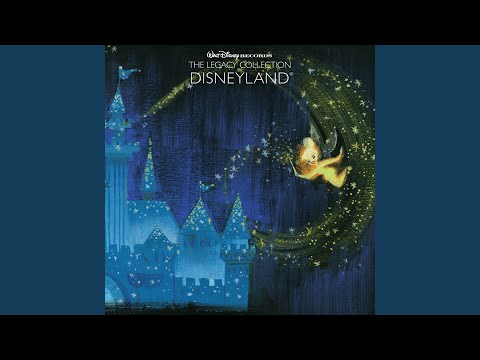
- Recorded at Disney Studios in early 1963 under music direction by George Bruns, then issued on a dedicated Disneyland Records album (1968) and later reissued in restorations and compilations.
- Its afterlife is unusually busy for a theme-park tune: covers (Hilary Duff, Los Lobos), compilation placements, and even a soundtrack cameo in Gnomeo and Juliet.
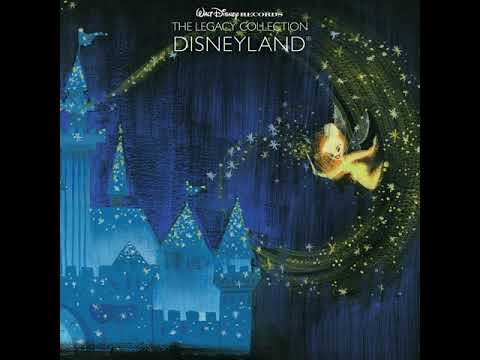
Walt Disney's Enchanted Tiki Room (1963) - theme-park attraction - non-diegetic. The song functions as the signature opener inside the theater, arriving right at the start to establish tempo, tone, and the show's playful contract with the crowd (it is a singalong, and it is also a sales pitch for its own spectacle).
Some songs are born in a studio, others in a story. This one was born in a queue. It had to be bright enough to cut through the murmur of a waiting crowd, simple enough to stick after one hearing, and cheeky enough to make a roomful of mechanical birds feel like old vaudeville pros. The trick is that it does all of that without sounding frantic. The rhythm has a relaxed island sway, but the phrasing works like a stage manager: it points, introduces, resets attention, and keeps everyone facing forward.
What I admire is the internal logic. The lyrics are a tour guide that doubles as character writing. The birds are not just singing - they are hosting. They name the cast, they tease the audience, they crack jokes about show business, and they sell the miracle of synchronized voices and moving figures as if it were a nightclub revue. According to D23, Walt wanted the birds to sing with human voices, with a specific exotica flavor in mind, and that decision is the secret sauce: the track is not birdlike, it is theatrical.
Creation History
The song was created for Disneyland's first Audio-Animatronics theater show, premiering on June 23, 1963. Disney's in-house team recorded dialog and singing at the studio in February 1963, with George Bruns directing and arranging. The complete attraction soundtrack was later issued on a Disneyland Records album in 1968, and the audio has been revisited over the years, including restorations tied to the attraction's upgrades in the mid-2000s. As stated in The Walt Disney Family Museum's writing on the attraction, the Sherman Brothers supplied the signature theme while Imagineering and voice talent shaped the onstage personalities that deliver it.
Song Meaning and Annotations
Plot
The "story" is a show-within-a-show: guests enter a tropical theater where birds, flowers, and carved figures perform as if they are a seasoned ensemble. The number introduces the setting, identifies the performers, and frames the room itself as the star. It is less about narrative twists and more about presenting a miniature world where the impossible is treated as routine: blossoms sing, percussion answers the chorus, and the hosts talk like comedians working a busy room.
Song Meaning
On the surface, it is an invitation to a tropical hideaway. Under the jokes, it is a manifesto for themed entertainment: "believe your eyes, follow the rhythm, and let the room do the work." The lyric voice is proud, slightly competitive, and always aware of the audience. There is a sly subtext about performance labor: the cast would love to sit and watch, but the curtain is up, so they hustle. That meta angle makes the track durable - it works as both a welcoming jingle and a backstage wink.
Annotations
"All the birds sing words and the flowers croon."
This line is the whole thesis in one breath: the attraction's miracle is not movement alone, but coordinated vocal character. It also sets up the blend of novelty-song comedy and lounge-y exotica, where the chorus feels like a postcard that can talk back.
"Magic is happening."
That phrase lands like a barker's slogan. It is not subtle, but it is smart: the attraction is selling wonder as a present-tense event. You are not told what you should feel; you are told what is occurring, and the beat does the persuading.
"If we weren't in the show."
Here comes the vaudeville reflex: the performers acknowledge the audience and the mechanics of the gig. It is comedy, but it also humanizes a room of programmed figures by giving them professional pride and impatience.
Rhythm and style fusion
The track sits in that sweet spot where calypso-influenced pop, mid-century lounge exotica, and Broadway patter can share a barstool. You hear it in the relaxed pulse and the percussive accents that keep the chorus buoyant, while the verses move quickly enough to deliver jokes and cast introductions without bogging down. Services that analyze recordings often place it around 90 BPM, which matches the lived experience: brisk enough to feel like an opening number, not so fast that a crowd cannot clap along.
Emotional arc without melodrama
There is a miniature rise-and-release built into the structure. The opening sells the premise, the verses show off the ensemble, and the chorus returns like a chant that re-centers the room. It is not a ballad, and it does not need one. Its arc is the arc of attention: gather the audience, delight them with novelty details, then bring them back to the hook before they drift.
Cultural touchpoints
In the early 1960s, "South Seas" imagery and exotica sounds were part of American pop decor, from cocktail lounges to hi-fi demo records. Disney's approach was to filter that vibe through family-friendly comedy and tight craft. D23 describes Walt's desire for a specific vocal style reference when shaping the act, and that detail matters: it is not just tropical wallpaper, it is a deliberate sonic costume.
Words that do practical work
The lyric writing is functional in the best way. It introduces, instructs, and distracts. It fills time while doors close and systems reset. It turns the audience into participants. Even the punchlines are engineered to keep the atmosphere light, because the attraction depends on guests looking up, not looking around for the seams.
Technical Information
- Artist: The Mellomen with key voice performers associated with the attraction (commonly credited: Wally Boag, Fulton Burley, Thurl Ravenscroft; plus ensemble voices)
- Featured: Multiple character voices and chorus used for the show
- Composer: Richard M. Sherman; Robert B. Sherman
- Producer: Studio production credited to Disney music departments; music direction and arranging attributed to George Bruns for the 1963 recording sessions
- Release Date: First recorded February 1963; attraction opened June 23, 1963; complete attraction soundtrack album released 1968 (with later restorations and reissues)
- Genre: Theme-park show tune; novelty pop; exotica-influenced lounge; singalong
- Instruments: Vocal quartet and chorus; brass; reeds; percussion; mallet colors; guitar/ukulele-style strum; whistles and character effects
- Label: Disneyland Records (historic album issue); Walt Disney Records (later catalog releases)
- Mood: Sunny, witty, bustling-host energy
- Length: Common releases range from about 2:38 to 3:28 depending on edit and compilation
- Track #: Varies by compilation and album edition
- Language: English
- Album: Songs From Walt Disney's Enchanted Tiki Room (1968); Walt Disney Records catalog reissues and compilations (including Legacy Collection branding and soundtrack appearances)
- Music style: Calypso-leaning singalong with exotica ornament and stage-host patter
- Poetic meter: Accentual and patter-driven; hook phrasing leans trochaic with conversational pickups
Questions and Answers
- Why does the song sound like it is hosting the audience?
- Because it is built as a welcome and a control panel: it introduces the cast, sets the pace, and gently trains the room to listen, clap, and laugh on cue.
- Is the number tied to a character's inner story?
- Not in the way a film song is. The "characters" are a troupe, and the theme is their collective promise that the room will come alive.
- What makes the hook stick after one hearing?
- Repetition, simple vowels, and a rhythm that invites chanting. The title phrase is basically percussion.
- Who wrote it?
- Richard M. Sherman and Robert B. Sherman wrote it for the attraction during their years as staff songwriters for Disney.
- Was it recorded like a normal pop single?
- It was recorded as part of a show soundtrack environment, with dialog, character effects, and a musical direction approach closer to film scoring than radio pop.
- Why do the lyrics name birds and joke about the show?
- It is a variety-show tradition: call out the act, tease the audience, then bring everyone back to the chorus before attention wanders.
- Did the song change in later versions of the attraction?
- Edits and trims have been made across eras to tighten show length, and the Walt Disney World "Under New Management" period used only a brief fragment of the classic theme.
- What are the most famous cover versions?
- A pop cover by Hilary Duff (DisneyMania era) and a roots-rock twist by Los Lobos are among the best-known modern reworkings.
- Where else has the original recording shown up?
- It appears in compilations and was included on the Gnomeo and Juliet soundtrack, a quirky bit of cross-brand placement that proves the tune's durability.
- Is it meant to be funny or sincere?
- Both. The jokes sell the act, while the chorus sells the wonder. The sincerity is in the craft and the confidence of the performance voice.
How to Sing The Tiki, Tiki, Tiki Room
Tempo: about 90 BPM in common audio releases. Key centers: often detected as A-flat major in catalog audio; published sheet music is frequently presented in E-flat major, depending on arrangement. Suggested vocal range (sheet music listing): B-flat3 to F5.
- Start with tempo, not pitch. Set a metronome near 90 BPM and speak the first verse rhythmically. If the words do not feel like conversational comedy at that speed, you are either rushing consonants or dragging the pickup syllables.
- Lock in diction. This tune lives on crisp consonants. Treat repeated "t" and "k" sounds like light percussion. Keep vowels simple and forward, because the hook is built for mass singalong clarity.
- Breathing plan. Think in short show-biz phrases: inhale quickly before the verse setup, then ride the hook with a longer, steadier breath. Avoid big dramatic inhales that belong to ballads; this is patter and bounce.
- Flow and rhythm. The chorus wants a gentle swing. Do not square it off. Let the rhythm lean, as if you are smiling through the beat.
- Accents and character. The original presentation is a troupe of hosts. Even if you sing it straight, add a hint of "welcome to the show" in your phrasing. Lightly lift the ends of lines, like a comedian landing a punchline.
- Ensemble thinking. If you have multiple singers, assign one voice to keep time (soft percussive syllables), another to carry the melody, and others to echo key words. The arrangement is happiest when it sounds like a room, not a solo recital.
- Microphone approach. If amplified, keep distance consistent and tame plosives on the repeated "tiki" consonants. The hook can pop harshly on a close mic if you over-articulate.
- Pitfalls. Two common mistakes: singing the chorus too aggressively (it should float), and overacting the comedy (the humor lands best when it sounds effortless).
- Practice materials. Alternate three reps: spoken rhythm at tempo, then sung on a neutral syllable, then full words. Finish by recording yourself and listening for whether the hook invites participation or feels like a solo showcase.
Additional Info
One reason this song refuses to fade is that it solved a very specific design problem. It had to be memorable while people were still settling into seats, and it had to teach the ear where to look. The chorus does the teaching; the verses do the directing. D23 notes that the attraction's audio and singing were captured at the studio in February 1963, and that compressed timeline explains the craftsmanship: everything had to communicate fast, with no wasted bars.
The tune also travels well because it can be re-skinned. A teen-pop cover can turn it into bubblegum nostalgia, while Los Lobos can tilt it toward roots-rock swagger, and it still works because the hook is basically architectural. Even the oddball soundtrack placement in Gnomeo and Juliet makes sense: it reads as a cultural shorthand for playful, slightly retro Disney charm.
And the attraction that birthed it keeps getting tuned up. In spring 2025, Disneyland's Enchanted Tiki Room closed for refurbishment work that included rebuilding long-dormant show elements and updating systems, a reminder that this is living stagecraft, not a museum loop.
Key Contributors
| Entity | Type | Relationship (S-V-O) |
|---|---|---|
| Richard M. Sherman | Person | Richard M. Sherman co-wrote the song for the Enchanted Tiki Room attraction. |
| Robert B. Sherman | Person | Robert B. Sherman co-wrote the song with his brother as Disney staff songwriters. |
| George Bruns | Person | George Bruns directed and arranged music for the 1963 studio recording sessions. |
| Wally Boag | Person | Wally Boag voiced Jose and contributed to show writing associated with the attraction. |
| Thurl Ravenscroft | Person | Thurl Ravenscroft voiced Fritz and also voiced entrance-area characters tied to the attraction lore. |
| Fulton Burley | Person | Fulton Burley voiced Michael, one of the host birds who delivers the show material. |
| Disneyland | Organization | Disneyland premiered the attraction on June 23, 1963 in Adventureland. |
| Disneyland Records | Organization | Disneyland Records released the attraction soundtrack album in 1968. |
| Walt Disney Records | Organization | Walt Disney Records maintained later catalog releases and compilations containing the track. |
| Walt Disney's Enchanted Tiki Room | Work | The attraction uses the song as its signature opening invitation and identity marker. |
| The Boys: The Sherman Brothers' Story | Work | The documentary includes discussion of how the song was conceived for Disneyland. |
| Gnomeo and Juliet (Soundtrack) | Work | The soundtrack includes the original-style recording as a catalog selection. |
Sources: D23 - The Tiki Room Celebrates 50 Years, The Walt Disney Family Museum blog on the Enchanted Tiki Room, D23 A to Z entry on Enchanted Tiki Room, SecondHandSongs work and performance listings, Apple Music - Gnomeo and Juliet soundtrack listing, EltonJohn.com discography entry for Gnomeo and Juliet, Musicstax tempo and key data, Tunebat key and BPM data, Cantabile Scores sheet music listing