
When the Nylons Bloom Again Lyrics
When the Nylons Bloom Again
Direct from three straight years entertaining our boys overseasHere she is, America?s most beloved band-singer
The songbird of the seventh fleet
Miss Armelia McQueen!
Gone are the days when I'd answer the bell
Find there a salesmen with stockings to sell
Gleam in his eye and measuring tape in his hand
I get the urge to go splurging on hose
Nylons, a dozen of those
Now poor or rich we?re enduring instead
Woolens which itch
Rayons that spread
I'll be happy when the nylons bloom again
Cotton is monotonous to men
Only way to keep affection fresh
Get some mesh for your flesh
I'll be happy when the nylons bloom again
Ain?t no need to blow no sirens then
When the frozen hose again appear
Man that means all clear
Working women of the USA and Britan
Humble down with your lonely debutante
Will be happy as puppy or a kitten
Stepping back into their nylons of DuPont
Keep on smiling till the nylons bloom again
And the WACS come back to join their men
In a world that Mr. Wallace planned
Strolling hand in hand
Working women of the USA and Britan
Humble down with your lonely debutante
Will be happy as puppy or a kitten
Stepping back into their nylons of DuPont
Keep on smiling till the nylons bloom again
And the WACS come back to join their men
In a world that Mr. Wallace planned
Strolling hand in hand
Song Overview
Review and Highlights
Quick summary
- What it is: A wartime-flavored comedy song with music credited to Thomas "Fats" Waller and lyrics credited to George Marion Jr., originally from the 1943 Broadway musical Early to Bed.
- Where it appears in the revue: In Act 1 of Ain't Misbehavin, placed after "Yacht Club Swing" and before "Cash for Your Trash" on a widely used track list.
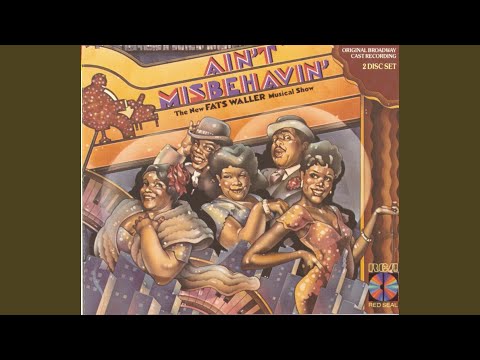
- Who fronts it on the cast recording: Common album metadata credits Armelia McQueen with Nell Carter and Charlaine Woodard.
- What it does onstage: A quick tonal swerve into home-front satire, with close-harmony seasoning that nods toward 1940s radio-girl-group style.
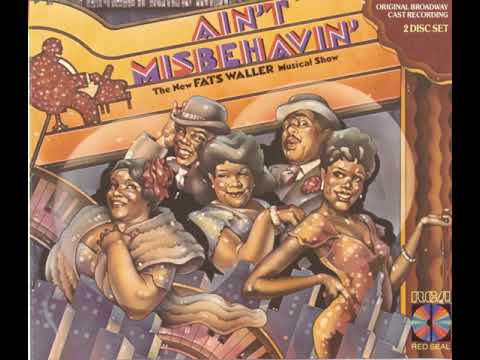
Ain't Misbehavin (1978) - stage revue - non-diegetic (presented as nightclub performance). On the Legacy Recordings 2-CD track list, the number sits at Disc 1, track 10, a placement that works like a palate cleanser: you get a neat little period joke about scarcity and desire, then the show pivots to the next vignette without losing momentum.
This is one of those songs where the title does half the acting. "Nylons" instantly summons a time and a mood: ration books, lipstick, and the nervous glamour of a world trying to stay social while history bangs on the door. In performance, the best laughs come from the singers treating the premise seriously. They want the nylons. They want them now. The comedy lives in that unembarrassed insistence. A review of a recent regional production described the number as a playful salute to close-harmony wartime pop, and I agree with the impulse: keep the blend tight, keep the phrasing crisp, and let the audience recognize the era without being told to recognize it.
Key takeaways:
- It is an era sketch: the number paints 1943 with one costume change and a harmonic shimmer.
- It is ensemble craft: balance and timing do the heavy lifting, not vocal force.
- It is a pacing tool: short, specific, and designed to hand off cleanly to the next track.
Creation History
The tune did not originate inside Ain't Misbehavin. It came from Early to Bed (1943), a Waller-scored Broadway show with book and lyrics by George Marion Jr. Early to Bed ran during the 1942 to 1944 musicians strike period, and reference histories note that no original cast recording exists, which helps explain why this song later felt "rediscovered" when the 1978 revue brought it back into circulation. According to City Journal, "When the Nylons Bloom Again" is one of the few Early to Bed songs that stayed commonly heard after the 1940s, largely because it was published as sheet music and could be revived.
Song Meaning and Annotations
Plot
The "story" is a single wartime complaint dressed as a party number: the singers want back the little luxuries that made going out feel like going out. In a revue, that is enough plot. The audience hears the situation, sees the style, and fills in the rest: crowded streets, bright marquees, and the small indignities of shortages.
Song Meaning
At heart, it is about normalcy as aspiration. The singers are not asking for grand political victory, they are asking for the return of a daily pleasure - and that mismatch is the comic engine. In Ain't Misbehavin, the number also works as a historical lens: it reminds you that this nightlife world spans decades, and that swing-era glamour had to negotiate hard times along the way.
Annotations
Early to Bed credits list music by Thomas "Fats" Waller and lyrics by George Marion Jr., and include this title among the published songs.
That credit line matters for staging. It says: this is not a revue pastiche written in 1978, it is period material with period bite. Play it like something the characters have always known, not like a museum exhibit.
IBDB documents "When the Nylons Bloom Again" as a musical number in Early to Bed, sung by the characters Pooch and Lily Ann.
A revue can dissolve character assignments, but it is useful to know the original dramatic function: a specific duet moment, not just an anonymous chorus gag. Even in ensemble harmony, give it a clear point of view.
Legacy Recordings lists it as Disc 1, track 10 on the 2-CD cast recording, while Discogs and other discographies list a duration around 3:43.
Theatre lesson: it is built to do a job quickly. Establish the period, land the laugh, and move on before the premise wears out.
A 1995 Financial Times review highlighted lyric lines from the song as part of the appeal of "little-known" numbers in the show.
That is the revue's trick at its best: it sneaks rarities into the party and makes them feel like standards the audience forgot it already loved.
Style fusion and rhythmic drive
Musically, the number sits between swing-club delivery and radio-era close harmony. The band can keep a light bounce while the singers lock their vowels into a tight stack. The emotional arc is simple: polite longing grows into comic insistence, then exits cleanly before it turns into complaint.
Technical Information (Quick Facts)
- Song: When the Nylons Bloom Again
- Artist: Original Broadway Cast of Ain't Misbehavin
- Featured: Armelia McQueen; Nell Carter; Charlaine Woodard
- Composer: Thomas "Fats" Waller
- Lyricist: George Marion Jr.
- Release Date: 1978 (cast recording era)
- Genre: Swing-era theatre song; staged revue number
- Instruments: Voice; piano; ensemble band
- Label: Legacy Recordings (2-CD reissue track list); Masterworks Broadway (catalog upload context)
- Mood: Wry; stylish; period-playful
- Length: 3:43 (common discography listing)
- Track #: Disc 1, track 10 (Legacy 2-CD track list)
- Language: English
- Album: Ain't Misbehavin (Original Broadway Cast Recording)
- Music style: Close-harmony swing staged as a wartime vignette
- Poetic meter: Accentual, speech-led stresses aligned to swing phrasing
Frequently Asked Questions
- Was this song written for the 1978 revue?
- No. Reference histories tie it to the 1943 Broadway musical Early to Bed, later revived in Ain't Misbehavin.
- Who wrote the song?
- Catalog and library listings credit Thomas "Fats" Waller for music and George Marion Jr. for lyrics.
- Where does it appear in Ain't Misbehavin?
- Song lists place it in Act 1, near the end of the act's run-up to "The Joint Is Jumpin'."
- Who performs it on the cast recording?
- Common metadata credits Armelia McQueen with Nell Carter and Charlaine Woodard.
- How long is the cast-recording track?
- Discography listings commonly give a duration around 3:43.
- Why does it feel different from the earlier Act 1 numbers?
- It leans into 1940s close-harmony style, giving the revue a period detour without changing its nightclub frame.
- What is the central joke?
- Big longing for a small luxury. The singers treat hosiery like a symbol of normal life returning, and the seriousness is the comedy.
- Is there an original cast recording of Early to Bed?
- Reference histories note that no original cast recording exists, in part due to the 1940s recording strike era.
- What is the safest staging choice?
- Play it straight. Let the harmony and the period posture sell the humor, not mugging.
Awards and Chart Positions
The number itself is theatre repertory, not a pop chart fixture. The awards story is the revue that reintroduced it: Ain't Misbehavin won the 1978 Tony Award for Best Musical, which is the context for why deep-cut material like this could suddenly feel like a hit in a new room.
| Item | Year | Result |
|---|---|---|
| Tony Awards | 1978 | Best Musical (Ain't Misbehavin) - Won |
Additional Info
This title is a small key to a larger door: Early to Bed. City Journal points out that only a couple of its songs stayed in common circulation after 1944, and this was one of them, precisely because it was published and could travel through bandstands and theatre revivals. Masterworks Broadway, writing about the full 2-disc edition, also flags the song as a reason to seek the complete set: it gives you a line back to a Waller score that otherwise slipped through history's fingers.
If you want a staging clue from criticism, the Financial Times review of a 1995 London revival singled out the pleasure of the show's "little-known" songs and cited lines from this one. That tells you what audiences notice: not only the famous standards, but the specific comic writing that makes the period feel lived-in.
Key Contributors
| Entity | Type | Relationship (S-V-O) |
|---|---|---|
| Thomas "Fats" Waller | Person | Waller composed the music credited for the song in library and discography listings. |
| George Marion Jr. | Person | Marion wrote the credited lyrics and also wrote for Early to Bed, the source musical. |
| Early to Bed | Work | Early to Bed introduced the song as a book musical number in 1943. |
| Armelia McQueen | Person | McQueen is credited as a featured cast-recording vocalist for the revue track. |
| Nell Carter | Person | Carter is credited as a featured cast-recording vocalist for the revue track. |
| Charlaine Woodard | Person | Woodard is credited as a featured cast-recording vocalist for the revue track. |
| Legacy Recordings | Organization | Legacy publishes a reissue track list that places the song as Disc 1, track 10. |
| IBDB | Organization | IBDB documents the song in Early to Bed and provides the revue production record context. |
Sources
Sources: Legacy Recordings track list, IBDB production records, Early to Bed reference history, City Journal essay on Early to Bed, Masterworks Broadway blog note on the 2-disc edition, Financial Times revival review text, Presto Music cast recording credits, YouTube (Masterworks Broadway upload)