
How Ya Baby Lyrics
How Ya Baby
How ya baby hows about a little dancewhen the band starts blowin' i feel alive
i feel like going say whats your job baby
How you baby is you in some kind of trance
Well im a killer diller with nothing on my mind
When they start to playin' sweet songs it leaves me on the rocks
When they start to playin' swing songs it leaves me to my socks
How ya babe hows about a little dance
Well you say you feel like truckin' I'm in the groove
If you feel like packing c'mon lets move you like swing music Yes how ya babe
I'm gonna get you
Knock Knock, Chop Chop
How ya babe
C'mon down we in the groove heck heck you gotta move play out that sweet swing music
How ya babe
Song Overview
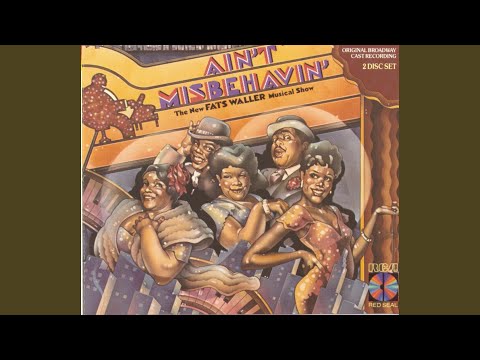
Review and Highlights
Quick summary
- What it is: A flirt-forward swing tune associated with Thomas "Fats" Waller and co-credit J. C. Johnson for the composition, with Johnson also credited for the lyric in stage education materials.
- What it does in the musical: In Ain't Misbehavin', it sits in Act One and functions as a quick burst of charm and invitation, often assigned to a featured lead before the ensemble joins.
- How it differs from a jazz-club cover: The revue keeps the shape theatrical: clear setup, a clean handoff into the hook, and a finish that feels like a curtain line.
- Why it works: It gives the cast a moment to talk to the audience without breaking the musical world - a come-on that doubles as showmanship.
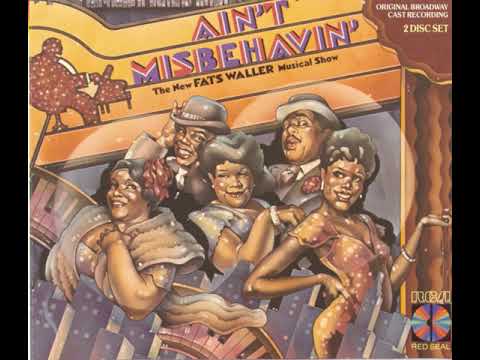
Ain't Misbehavin' (1978) - stage revue - not diegetic. This song is the sort of number a good director loves: short, specific, and instantly playable. You can stage it as a straight serenade, or as a social-game demonstration where the singer tries out the line on one person, then another, then the whole house. The score supports that flexibility because it is written like conversation with swing underneath. The band supplies the glamour; the performer supplies the nerve.
In the best performances, the lyric lands as an opening move, not a speech. A little too much emphasis and it starts sounding like a routine. Keep it casual, keep it rhythmic, and the room starts to feel like a party you were invited into by name. According to a recent regional review at VA Stage, modern productions still treat it as a featured come-on song that points the energy outward to the crowd.
- Key takeaways: A compact flirtation scene, a hook designed for direct address, and an arrangement that rewards crisp consonants and clean cueing.
- Staging idea that pays off: Begin private, then widen - a single target becomes the entire room by the final refrain.
- Performance note: Treat pauses as choices. A half-beat of silence can read like confidence, which is the real selling point.
Creation History
Crediting varies depending on whether a source is describing the underlying song or the revue presentation. A major music database lists the composition credit to Waller and J. C. Johnson, and a theater preparation guide for Ain't Misbehavin' assigns the lyric credit to Johnson while dating the song to 1938 inside the show’s curated song list. That split is not unusual in revue culture, where the production team organizes catalog history into a playable theatrical canon. What matters for performance is the intent: it is built to sound effortless, as if the line came to you in the moment and the band happened to agree.
Song Meaning and Annotations
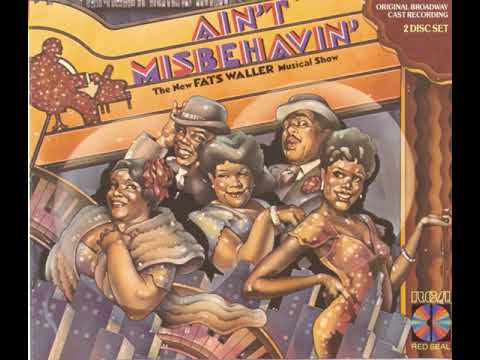
Plot
A singer opens with a playful greeting and invitation, testing the temperature of a possible romance. The number tends to expand from solo address into a more communal feel, as if the whole room has agreed to flirt back.
Song Meaning
The meaning is simple and theatrical: attraction as conversation. The song is not a love confession. It is a door being opened. In the revue, that door-opening becomes a kind of stagecraft lesson. The performer is showing how a line can be delivered with swing, how timing can sell confidence, and how the band can frame a casual remark as something worth cheering. If you want a cultural touchpoint, this is Harlem nightlife language translated into Broadway clarity, and it keeps the bite without turning it into a museum piece.
Annotations
Act One placement, dated 1938 in a production education guide.
That date functions like a program note for the ear. It nudges the listener toward late-1930s swing attitudes, which helps the performer decide how modern or period the delivery should be.
Lyrics credited to J. C. Johnson in the show materials.
In staging terms, that credit suggests the lyric wants clarity and punch. Johnson wrote for rhythm-driven delivery, where the consonants carry as much groove as the instruments.
Cast recording credit emphasizes featured voices with ensemble support.
That is the revue recipe. A lead line gets the spotlight, then the ensemble steps in to turn a private flirtation into a public event.
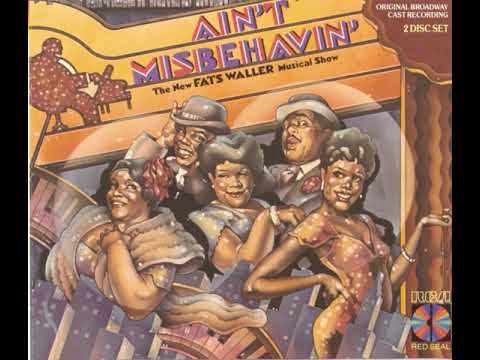
Style and rhythm
The style is swing with talk-first phrasing. The driving rhythm is not speed, it is placement: short phrases that land cleanly, then a hook that invites response. The emotional arc is outward-facing: curiosity, confidence, a quick escalation, then a tidy exit that leaves the room wanting the next number.
Technical Information (Quick Facts)
- Song: How Ya Baby
- Artist: Ain't Misbehavin' Ensemble (featured vocals on the cast recording include Andre DeShields and Charlaine Woodard)
- Featured: Andre DeShields; Charlaine Woodard
- Composer: Thomas "Fats" Waller; J. C. Johnson
- Producer: Thomas Z. Shepard (cast recording credit line in release metadata)
- Release Date: 1938 (dated in the show education guide song list)
- Genre: Swing; jazz standard; show tune
- Instruments: Voice; piano; small jazz ensemble
- Label: Masterworks Broadway (digital distribution and catalog branding for the cast recording upload)
- Mood: Flirtatious, quick, crowd-facing
- Length: 3:06 on the Masterworks Broadway album page track list
- Track #: Listed as track 6 on one widely circulated release listing
- Language: English
- Album (if any): Ain't Misbehavin' (Original Broadway Cast Recording)
- Music style: Swing phrasing with direct-address staging potential
- Poetic meter: Conversational accents shaped for swing subdivision
Frequently Asked Questions
- Where does it appear in the show?
- It is an Act One number, placed among the early sequence that establishes the revue's nightclub tone.
- Who is typically featured on the cast recording?
- The Masterworks Broadway track credit highlights Andre DeShields and Charlaine Woodard with the ensemble.
- Is it a solo or ensemble piece?
- It often begins as a featured lead moment and then opens into ensemble support, which is part of its theatrical lift.
- Who wrote it?
- A major music database lists the composition credit to Thomas "Fats" Waller and J. C. Johnson, and the show education guide credits the lyric to Johnson.
- Why does it feel like dialogue?
- Because the phrasing is built around speech-like timing. The hook is a line you can aim at a person, not a sentiment you float into the air.
- What is the key acting objective while singing it?
- Make the invitation land. Every musical choice should support that simple action: approach, test, charm, and exit.
- Does it have a famous chart history?
- Not in the way the big Waller standards do. Its modern visibility comes from the revue and cast recordings, not a signature pop chart run.
- What is the most common staging pitfall?
- Turning it into a routine. If it feels rehearsed rather than freshly aimed, the number loses its sting and its sparkle.
- How long is it on the cast recording catalog listing?
- The Masterworks Broadway album page lists it at 3:06.
Awards and Chart Positions
The song is best measured by stage life, not chart trophies. The umbrella fact that matters is the revue's standing: the Tony Awards winners list records Ain't Misbehavin' as the 1978 Best Musical winner, a top-category vote that helped keep deep-cut numbers like this one in circulation for decades.
| Work | Year | Award | Result |
|---|---|---|---|
| Ain't Misbehavin' | 1978 | Tony Award - Best Musical | Won |
Additional Info
One useful detail from a theater preparation guide is its way of labeling the catalog: it treats the revue as a curated timeline, assigning years and lyric credits as if the show were also a history lesson. That matters because it changes how performers play it. A "1938" tag encourages late-swing smoothness rather than earlier stride punch, and it puts the number closer to the band-era polish audiences associate with Waller's later recordings.
For a quieter kind of authority, the New York Public Library's finding aid for a Fats Waller collection notes that it includes a music score titled "How Ya Baby." That kind of archival breadcrumb does not tell you how to sing the hook, but it does tell you the title lived a real working life on paper, not only on records.
Key Contributors
| Entity | Type | Relationship (S-V-O) |
|---|---|---|
| Thomas "Fats" Waller | Person | Waller co-composed the song and anchors the revue's musical identity. |
| J. C. Johnson | Person | Johnson is credited for the lyric in show materials and shares composition credit in music databases. |
| Andre DeShields | Person | DeShields is a featured vocalist on the cast recording track listing for the number. |
| Charlaine Woodard | Person | Woodard is a featured vocalist on the cast recording track listing for the number. |
| Luther Henderson | Person | Henderson provided music supervision and shaped the revue's arrangements and band feel. |
| Masterworks Broadway | Organization | Masterworks Broadway distributes and documents the cast recording track metadata. |
| Tony Awards | Organization | The Tony Awards recognized Ain't Misbehavin' as Best Musical in 1978. |
Sources
Sources: Masterworks Broadway track upload, Masterworks Broadway album page, Great Lakes Theater teacher preparation guide PDF, IBDB tour production song list, AllMusic song entry, VA Stage review, New York Public Library archives finding aid