
Viper's Drag Lyrics
Viper's Drag
I dreamed about a refer, five feet long.A might immense, but not to strong.
You'll be high, but not for long.... if you're a viper.
I'm the king, of everything.
I've got to get high before I swing.
Your bell will be ringing, ding dong ding....if you're a viper.
I dreamed about a refer, five feet long.
A might immense, but not to strong.
You'll be high, but not for long....if you're a viper.
If you're a viperrrrrrrrrrr!
Song Overview
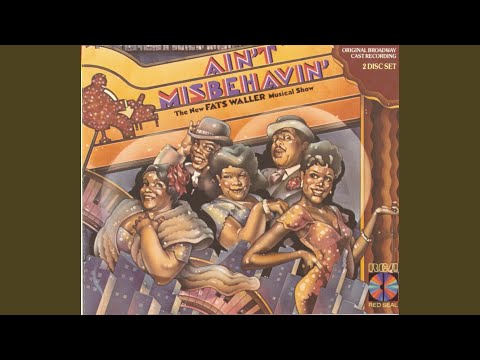
Review and Highlights
Quick summary
- What it is: A Waller-era instrumental built for sly swagger, staged in Ain't Misbehavin as a spotlight number that can turn a nightclub into a slow-moving parade.
- Where it appears in the show: Listed among the Act 2 numbers in the Broadway production song list.
- How audiences most often encounter it: Many album editions package it together with "The Reefer Song" as a medley-style track listing.
- What it does best: It changes the air - less jump, more prowl - and gives a featured performer room to work the room.
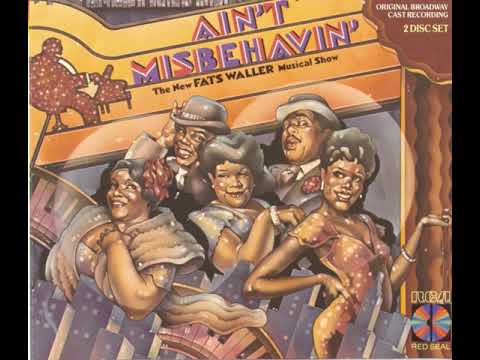
Ain't Misbehavin (1978) - stage revue - non-diegetic (presented as nightclub performance). Often paired on recordings as The Viper's Drag / The Reefer Song, which frames it like a corridor into after-hours territory rather than a stand-alone detour.
This is the show switching lighting gels without changing sets. You feel it before you can name it: the band stops grinning and starts leaning. The tempo pulls you closer, the rhythm section hushes its shoes, and a featured performer can behave like a predator in patent leather. I have seen productions treat it like a novelty and lose the point. It is not a cartoon "bad boy" number. It is seduction by control - glances measured, phrases placed, the tiniest pause doing more than a full bar of mugging. A New York Theatre Wire review once called a touring performer "seductive" in this section of the score, and that is the bullseye: the number wants charm with a little danger, not a wink the size of a cymbal.
Key takeaways:
- It is about pacing: let the groove breathe and you can make the room listen.
- It spotlights presence: a featured performer can do more with posture than with decibels.
- It sets up contrast: when "The Reefer Song" follows (as it often does), the shift from prowl to patter lands cleanly.
Creation History
The tune lives in the Waller catalog as one of those titles that feels like a setting and a stance at the same time - music as nightlife choreography. By the time Ain't Misbehavin arrived in 1978, the creators understood that a revue does not need plot to build momentum; it needs changes of texture that read in the body. IBDB lists the title among the Broadway production numbers, and album publishers later reinforced the pairing with "The Reefer Song" in track listings, effectively turning it into a gateway into the show's smokier corner. According to MTI, the revue's Tony win was historic for its form, and that kind of craft-forward success depends on smart sequencing as much as star turns.
Song Meaning and Annotations
Plot
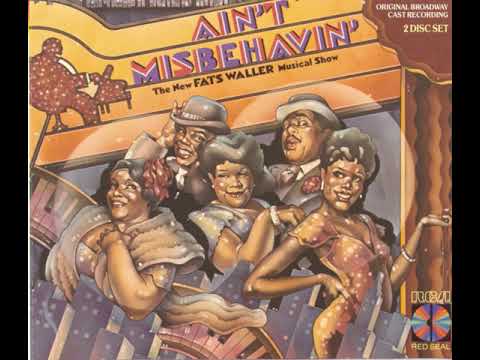
No plot mechanics, just a nightclub event: a featured performer steps forward, the band shifts into a darker glide, and the room is asked to watch how confidence moves. In a revue, that is a scene - you can feel the audience recalibrating from "showtime" to "late night."
Song Meaning
Even as an instrumental, the meaning is legible. It is about the walk, the approach, the careful ownership of time. In the Ain't Misbehavin frame, it reads as a portrait of sophistication that is not polite - the kind of elegance that knows what it wants. If you keep it clean, it plays like invitation. If you overplay it, it turns into a joke you have heard before.
Annotations
The Broadway production song list places the title alongside "The Reefer Song" in the Act 2 cluster.
That proximity matters. The first track establishes mood and posture; the second can cash in with language and laughs. The pairing lets directors build a mini-arc without inventing story.
Many album editions label the recording as "The Viper's Drag / The Reefer Song" in a single track line.
That packaging is a staging note in disguise. It suggests the numbers share a corridor and should transition like one long night rather than two unrelated stops.
Track metadata services list a slow pulse for the cast-recording title, around 67 BPM.
That slow pulse explains why the number can feel dangerous when played straight. There is space for breath, for looks, for tiny timing choices that read as confidence instead of hurry.
Style and rhythmic drive
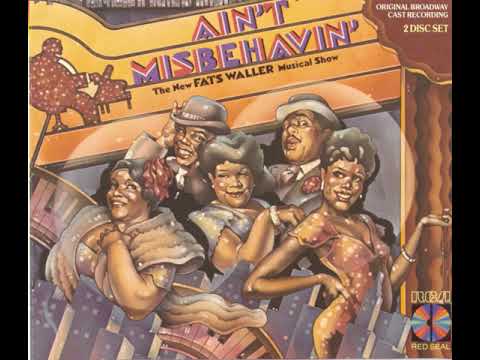
Think of it as swing with the lights turned down. The rhythm does not bounce; it stalks. That changes vocal and movement choices. Even when performed with spoken asides or light vocal coloring in some productions, the core requirement is the same: you must sit in the pocket and let the audience come to you.
Technical Information (Quick Facts)
- Song: The Viper's Drag
- Artist: Original Broadway Cast of Ain't Misbehavin
- Featured: Andre DeShields (common cast-recording credit line)
- Composer: Thomas "Fats" Waller
- Producer: Thomas Z. Shepard (cast recording producer credit commonly listed for the album)
- Release Date: 1978 (original cast recording era; some digital catalog pages list 1987 release dates for reissues)
- Genre: Jazz; swing; musical theatre revue
- Instruments: Piano; ensemble band; featured vocal presence in the revue frame
- Label: Legacy Recordings and Masterworks Broadway (reissue and digital catalog context)
- Mood: Low-lit; controlled; flirtatious
- Length: 5:20 (common cast-album listing for the track on several editions)
- Track #: Disc 2, track 4 (common 2-CD reissue listing, paired with "The Reefer Song")
- Language: Instrumental in its core identity; staged as a performance moment within the revue
- Album: Ain't Misbehavin (Original Broadway Cast Recording)
- Music style: Slow swing built for featured stage presence
- Poetic meter: Not applicable as a core instrumental; staged phrasing follows swing stress and breath
Frequently Asked Questions
- Is this number usually instrumental in the revue?
- Its core identity is instrumental, but productions often stage it with a featured performer and character business so it reads like a scene.
- Where does it appear in the show?
- The Broadway production song list places it in the Act 2 cluster, near "The Reefer Song."
- Why is it often paired with "The Reefer Song" on albums?
- Many reissues label the track as "The Viper's Drag / The Reefer Song," signaling a continuous late-night sequence.
- How long is the cast-recording track?
- Several common listings give it as 5:20.
- What is the main performance objective?
- Control the room without pushing. The slow groove invites the audience to lean in.
- What makes it hard for dancers?
- Resisting the urge to fill every beat. The number needs negative space and clean lines.
- What makes it hard for the band?
- Keeping time steady at a slow pulse without letting the energy sag.
- Is there a recommended practice tempo?
- Metadata services list it around 67 BPM for the cast recording. Start there, then match your music director's pocket.
- Does the title refer to slang?
- In the show's neighborhood, "viper" connects to jazz-era slang tied to marijuana culture, which is why the number pairs so naturally with "The Reefer Song."
Awards and Chart Positions
The headline achievements attach to the revue, not to a single track. Ain't Misbehavin won the 1978 Tony Award for Best Musical, with additional major honors across directing and performance. MTI notes the Best Musical win as a first for a revue format, which helps explain why these small, sharply sequenced numbers mattered: the evening was judged as theatre craft, not as a pop hit parade.
| Award | Year | Category | Result (selected) |
|---|---|---|---|
| Tony Awards | 1978 | Best Musical | Won |
| Tony Awards | 1978 | Best Featured Actress in a Musical (Nell Carter) | Won |
| Tony Awards | 1978 | Best Direction of a Musical (Richard Maltby Jr.) | Won |
| Drama Desk Awards | 1978 | Outstanding Musical | Won |
How to Sing The Viper's Drag
Because this number functions as slow-burn swing, the "singing" is often about phrasing, breath, and stage timing as much as notes. A cast-recording metadata estimate places it around 67 BPM, which is a good rehearsal anchor if your chart is similar.
- Tempo: Practice at about 67 BPM, then adjust to your music director. The goal is steady, not sluggish.
- Diction: If you add spoken or sung color, keep consonants minimal and stylish. Think nightclub, not recital hall.
- Breathing: Take quiet, planned breaths that do not interrupt the illusion of ease.
- Flow and rhythm: Sit back in the pocket. If you rush, you erase the danger and turn it into ordinary swing.
- Accents: Choose a few moments to lean on - a glance, a held note, a delayed entrance. Do not decorate every bar.
- Ensemble: If the band trades fills, treat them like dialogue. Leave space so their replies read.
- Mic: If amplified, keep dynamics intimate. This number is built for close listening.
- Pitfalls: Avoid melodrama. The heat comes from control, not from pushing.
Additional Info
There is a practical reason this number keeps turning up in reviews: it offers a performer a different kind of solo. Not a big belt, not a comic patter sprint - a confidence test. A production can hang a spotlight on a singer and see whether they can hold silence without panicking. That New York Theatre Wire notice that singled out "The Viper's Drag" as "seductive" is really describing a skill set: how to make an audience watch you breathe.
Key Contributors
| Entity | Type | Relationship (S-V-O) |
|---|---|---|
| Thomas "Fats" Waller | Person | Waller composed the music associated with the title in the revue context. |
| Andre DeShields | Person | DeShields is a commonly credited featured performer for the cast-recording track. |
| Luther Henderson | Person | Henderson shaped the revue sound through music supervision and arrangements. |
| Legacy Recordings | Organization | Legacy publishes reissue track listings that pair the title with "The Reefer Song." |
| IBDB | Organization | IBDB documents the Broadway production song list and production details. |
Sources
Sources: IBDB production record, Legacy Recordings track list, Discogs release listing, Shazam track page, MTI show page, Wikipedia awards table, New York Theatre Wire review, YouTube (Masterworks Broadway upload)