
Reefer Song Lyrics
Reefer Song
I dreamed about a reefer five feet longA mighty immense, but not too strong
You'll be high, but not for long... if you're a viper
I'm the king, of everything
I've got to get high before I swing
Your bell will be ringing, ding dong ding... if you're a viper
Song Overview

Review and Highlights
Quick summary
- What it is: A stage-ready slice of "viper" jazz: marijuana slang, nightclub innuendo, and a groove that knows how to grin.
- How it appears in the show: Typically paired with "The Viper's Drag" as a medley in Ain't Misbehavin, letting the number build from a slow-drag prowl into lyric mischief.
- Where it sits dramatically: It is a controlled flirt with the seedy edge of the revue's Harlem night.
- Why it lands: The text is funny, but the real punch is contrast: sweet swing on top, contraband subject underneath.
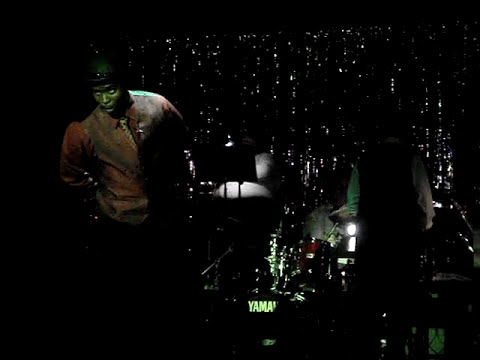
Ain't Misbehavin (1978) - stage revue - non-diegetic (presented as nightclub performance). In the Broadway song list, the title is grouped with "The Viper's Drag," a placement that frames it as an after-hours wink rather than a plot beat.
This number is the revue's slyest handshake: it offers the audience a laugh, then waits to see who laughs first. What I like is how the humor is engineered. The lyric is not built as a punchline machine; it is built as a shared code, the kind of "you know what I mean" delivery that cabaret thrives on. Done well, the performer does not mug. They confide. That is where the theatre craft sits: you make the room feel complicit, and suddenly the song is not naughty, it is communal.
Key takeaways:
- Cabaret timing matters more than volume: the laugh comes from phrasing and held glances, not belting.
- The groove carries the risk: the band stays elegant, so the subject can stay cheeky.
- Best staging keeps it human: a little swagger, a little secrecy, no cartoon villainy.
Creation History
In the show, this piece is part of a curated "nightlife anthology" built around Thomas "Fats" Waller's orbit, with Luther Henderson shaping the musical spine through arrangements and orchestration. The original Broadway production opened in 1978, and IBDB lists the song among the revue's numbers. A separate historical thread runs through the viper repertoire: "If You're a Viper" began as Stuff Smith's 1936 recording ("You'se a Viper"), and Fats Waller later recorded a 1943 version often issued under the title "The Reefer Song," keeping the material in circulation long after the slang first hit the air.
Song Meaning and Annotations
Plot
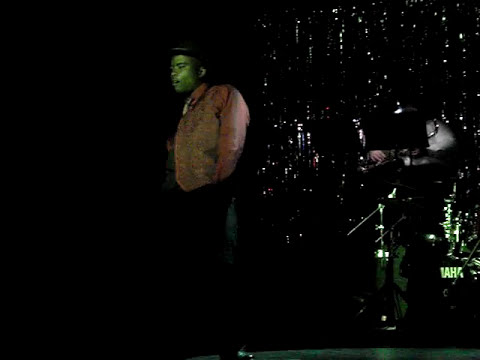
There is no plot, but there is a scenario: the singer invites you into a smoky corner of the club where "viper" culture is described with a storyteller's sparkle. In Ain't Misbehavin, it is often chained to "The Viper's Drag," so the evening slides from instrumental strut to lyric confession without a hard cut.
Song Meaning
The surface meaning is simple: a coded celebration of marijuana use in jazz slang. The stage meaning is smarter. The song shows how a community talks to itself in public, hiding the plain truth inside jokes, nicknames, and rhythm. That tension is the point: the number is not "about drugs" so much as it is about belonging - who gets the reference, who pretends not to, who sells it anyway.
Annotations
"Viper" is not a random animal image - it was slang for a pot smoker in the jazz scene.
That definition changes the staging. Once the performer knows it is coded language, the delivery can turn into a wink that stays inside the room, rather than a lecture pushed at the audience.
Waller's 1943 recording history is tied to wartime V-Disc sessions and censorship anxieties.
In performance terms, that gives the number a faint thrill of danger. Even if you never mention a date onstage, you can play the idea that the song is "not for polite company," which is exactly why the room leans in.

Style fusion and drive
Musically, the trick is elegance under mischief: swing phrasing, clear time, and enough space for spoken asides. The rhythm is what keeps the song from turning into a novelty. The band plays it like real nightlife, not a history lesson.
Emotional arc
The arc is "tease to trust." It starts with posture and control, then relaxes into a more intimate rhythm as the performer senses the audience is with them. When the room catches up, the number feels less like provocation and more like a shared secret.
Historical touchpoints
The viper song tradition sits inside the wider Harlem Renaissance and swing-era entertainment economy. A 2024 WTTW review of the revue's continuing appeal points to how these titles still entice audiences as snapshots of a time and a sound - a reminder that the material survives because it plays, not because it is preserved.
Technical Information (Quick Facts)
- Song: Reefer Song
- Artist: Original Broadway Cast of Ain't Misbehavin
- Featured: Often presented as part of "The Viper's Drag / The Reefer Song" sequence (medley context varies by production and recording).
- Composer: Stuff Smith (associated with "If You're a Viper" origin)
- Lyricist: Associated with "If You're a Viper" lyric tradition; later versions and stage framing vary by arrangement.
- Arranger (revue context): Luther Henderson
- Release Date (cast recording context): 1978 (Original Broadway cast recording era)
- Genre: Jazz; swing; musical theatre revue
- Instruments: Voice; piano; ensemble band
- Label (cast recording context): RCA Victor (original cast recording release context)
- Mood: Playful; sly; late-night cabaret
- Length: Listed as part of a medley on several releases (timings vary by edition).
- Language: English
- Album (common context): Ain't Misbehavin (Original Broadway Cast Recording)
- Music style: Swing with spoken-aside performance practice
- Poetic meter: Accentual, conversational stresses aligned to swing phrasing
Frequently Asked Questions
- Is this number a stand-alone song in the revue, or part of a medley?
- Many releases and song lists pair it with "The Viper's Drag," treating it as a sequence that moves from slow-drag mood into lyric confession.
- What does "viper" mean in this context?
- In jazz slang of the period, it referred to a marijuana smoker, which is why the lyric plays like a coded in-joke.
- Why does the number feel funny without turning into parody?
- The music stays classy. The performer supplies the secrecy, not the band, so the humor reads as nightclub confidence rather than cartoon shock.
- Is there a historical song behind this stage version?
- Yes. "If You're a Viper" (originally "You'se a Viper") is associated with Stuff Smith's 1936 recording history, and later recordings include a 1943 Fats Waller version often issued as "The Reefer Song."
- Does the show treat it as a plot point?
- No. Ain't Misbehavin is a revue, so the number functions as atmosphere and character flavor rather than story causality.
- What is the safest acting choice for a performer singing it?
- Confide, do not declare. The best versions feel like a shared aside to the back table.
- How explicit should the staging be?
- Less than you think. Suggestion sells the joke, and the audience supplies the rest.
- Why is it often placed late in the show?
- After intermission, audiences are looser and the nightclub frame can darken slightly without breaking the revue's charm.
- Is it appropriate for all audiences?
- Subject matter and lyric references can be adult; productions usually handle it with period style and discretion.
- What is the main musical challenge?
- Keeping swing time steady while delivering conversational text and optional spoken asides.
Awards and Chart Positions
The awards story belongs to the revue, not to a single number. Ain't Misbehavin opened on Broadway in 1978 and went on to win the Tony Award for Best Musical, with additional major wins including Featured Actress in a Musical (Nell Carter) and Direction of a Musical (Richard Maltby Jr.). IBDB documents the original opening at the Longacre Theatre and the show history that followed.
| Award | Year | Category | Result (selected) |
|---|---|---|---|
| Tony Awards | 1978 | Best Musical | Won |
| Tony Awards | 1978 | Featured Actress in a Musical (Nell Carter) | Won |
| Tony Awards | 1978 | Direction of a Musical (Richard Maltby Jr.) | Won |
| Drama Desk Awards | 1978 | Outstanding Musical | Won |
How to Sing Reefer Song
Hard metrics differ by edition because the number is frequently performed as part of a medley. Streaming-analysis tools commonly estimate Fats Waller's "You're a Viper (The Reefer Song)" near 100-105 BPM and place it in the neighborhood of C, which is useful as a rehearsal starting point, not a legal contract. Use your production's chart as truth.
- Tempo: Start around a moderate swing (near 100 BPM) so the text can sit on top of the beat without rushing.
- Diction: Keep consonants clean but light. The song fails when it becomes stiff, and it fails when it becomes mush.
- Breathing: Plan breaths before spoken asides. If you gasp after a joke, you undercut it.
- Flow and rhythm: Aim for conversational swing. Let the band do the heavy lifting while you ride the pocket.
- Accents: Punch selected words like a storyteller, not every word like a drummer. Variety is the real heat.
- Ensemble handling: If staged with other singers, decide who owns the secret at each moment and who reacts. The reactions sell the room.
- Mic and style: If amplified, keep it intimate. This is closer to cabaret patter than Broadway proclamation.
- Pitfalls: Do not telegraph the joke. Let the audience catch up, then reward them with a pause.
Additional Info
Legacy Recordings lists the original cast album sequencing with "The Viper's Drag / The Reefer Song" grouped as a single entry on some editions, which tells you how producers want listeners to hear it: not as a lone gag, but as part of a curated late-night corridor in the second act. Masterworks Broadway also presents the show's credits as a craft showcase - Henderson's arrangements, Maltby's direction, and a cast built to deliver style as much as sound.
Key Contributors
| Entity | Type | Relationship (S-V-O) |
|---|---|---|
| Stuff Smith | Person | Smith is credited as composer of "If You're a Viper" (origin song linked to the material). |
| Thomas "Fats" Waller | Person | Waller recorded a 1943 version often issued as "The Reefer Song," keeping the viper repertoire in circulation. |
| Luther Henderson | Person | Henderson arranged and orchestrated music for Ain't Misbehavin, shaping how standards play as scenes. |
| Richard Maltby Jr. | Person | Maltby co-wrote the book and directed the Broadway revue. |
| Murray Horwitz | Person | Horwitz co-wrote the book that frames the songs inside a nightclub world. |
| IBDB | Organization | IBDB documents the 1978 Broadway production and lists the number in the show's song roster. |
| Longacre Theatre | Venue | The revue opened at the Longacre Theatre on May 9, 1978. |
Sources
Sources: IBDB production record, Masterworks Broadway credits page, Legacy Recordings track listing, Wikipedia entry for If You're a Viper, WTTW review (2024), Discogs cast recording listing