
Die Rose / The Rose Lyrics
MorganaDie Rose / The Rose
Vor langer Zeit besaß ich einfach allesIch liebte meine Eltern, die Welt war schön und neu
Und jeder Tag brachte neue Wunder
Aber all die Freude ging zu schnell vorbei
Denn meine Welt war nie mehr so wie vorher
Seit jenem Tag, als er darin erschien
Sein eig’ner Sohn – ist das nicht der Wunsch
Der Traum von jenem Vater? Nun war er erhört
Und dieser Sohn wurde ihm entrissen
Vaters ganzes Leben war seitdem zerstört
Ihm blieb nur eins, und das war seine Tochter
Ihm blieb nur eins, doch das schien nicht zu sein
Und damit zerbrach mein Glück
Er wünschte nur den Sohn zurück
Ich war der Dorn, die Rose verblüht
Er wollt’ nur den Sohn zurück
Schenkte mir nicht einen Blick
Und mein ganzes Dasein war auf einmal leer
Ich lernte schmerzlich und schwer
Die Rose zählt nun nicht mehr
Und auch als Mutter starb
Sprach er nie ein Wort
Schickte mich fort für immer
Viel zu früh zerbrach mein Glück
Er wünschte nur den Sohn zurück
Ich war der Dorn, die Rose verblüht
Er wollt’ nur den Sohn zurück
Schenkte mir nicht einen Blick
Und mein ganzes Dasein war auf einmal leer
Ich lernte schmerzlich und schwer
Die Rose zählt nun nicht mehr
ENGLISH LYRICS:
Long ago, I had everything,
I loved my parents, the world was beautiful and new,
And every day brought new wonders,
But all that joy passed too quickly.
For my world was never the same,
Since that day he appeared in it,
His own son – isn't that the wish,
The dream of that father? Now it was fulfilled.
And this son was taken from him,
Father’s whole life was destroyed since then,
He was left with one thing, and that was his daughter,
He was left with one, but it seemed not to be.
And with that, my happiness broke,
He wished only for the son back,
I was the thorn, the rose had withered,
He wanted only the son back,
Didn’t give me a single glance,
And my whole existence suddenly felt empty,
I learned painfully and hard,
The rose no longer mattered.
And even when Mother died,
He never spoke a word,
Sent me away forever.
Much too soon my happiness broke,
He wished only for the son back,
I was the thorn, the rose had withered,
He wanted only the son back,
Didn’t give me a single glance,
And my whole existence suddenly felt empty,
I learned painfully and hard,
The rose no longer mattered.
Song Overview
Review and Highlights
Quick summary
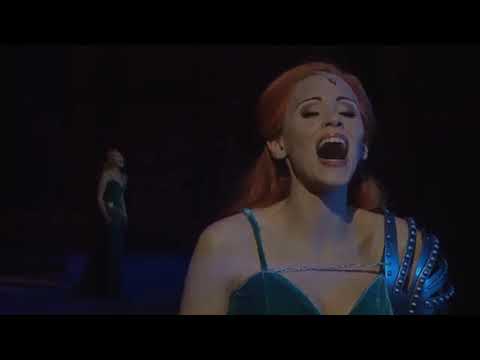
- Work: Artus - Excalibur (world premiere: March 15, 2014, Theater St. Gallen)
- Song role: Morgana solo in Act II, a self-portrait after Loth locks her away
- Dramatic job: converts a villain label into a backstory with bruises, memory, and cold logic
- Sound: slow pulse ballad that keeps tightening as the text turns from childhood to revenge
- St. Gallen association: Sabrina Weckerlin originated Morgana in the premiere production
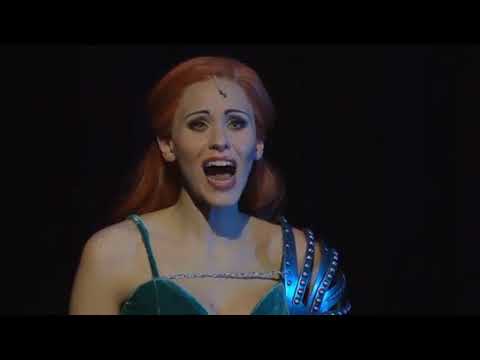
Artus - Excalibur (2014) - stage musical - non-diegetic. The plot places Morgana alone after a fight with Loth, shut in her room and forced to sit with her own history. The song matters because it stops the war machine for a minute and shows what fuels it. Her anger is not abstract. It is personal, practiced, and old.
"Die Rose" is written like a diary page she never meant anyone to read. The opening is almost disarming: a remembered life that once felt bright. Then the lyric turns the screw - fathers, sons, and the wound of being left behind. It is a Wildhorn tactic I have always liked: make the villain speak in plain sentences first, then let the melody swell only when the character cannot stay calm anymore. By the time the refrain circles back, the rose image feels less like romance and more like a warning sign nailed to a door.
Creation History
The show was developed for Theater St. Gallen with music by Frank Wildhorn, lyrics by Robin Lerner, and German translation by Nina Schneider. In the St. Gallen plot outline, Morgana is locked up by Loth after a dispute, and this song becomes her pause button: she reviews the damage of her childhood and the loneliness of her position before the story throws her back into manipulation and war. The recorded release followed soon after the premiere, a timing noted in theatre press coverage.
Song Meaning and Annotations
Plot
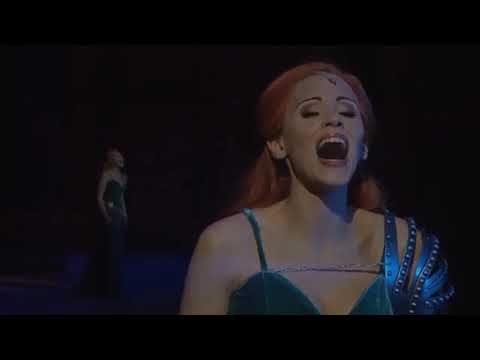
Act II has already turned violent. Artus declares war, the factions arm up, and Morgana is riding the chaos she helped start. Then the alliance fractures: Loth threatens her and locks her in her chamber. Alone, she stops playing chess and starts explaining why she learned the game in the first place. The scene is a reset of motive, right before she returns to action.
Song Meaning
The meaning is not "feel sorry for her". It is "understand her". Morgana frames herself as someone who once had a normal beginning, then watched it get ripped away. The rose stands in for something tender that cannot survive under power politics. The mood moves from nostalgic to bitterly composed, as if she is teaching herself not to hope. According to LyricTranslate, the text leans on family fracture and loss as the hinge that flips her from innocence into strategy.
Annotations
"Vor langer Zeit besass ich einfach alles"
This line is the bait and the bruise. She opens with abundance, which makes the later emptiness feel chosen by someone else, not by her.
"Seit jenem Tag, als er darin erschien"
The phrasing is pointed: the intruder is not named here. It makes the memory feel like a haunted room. Somebody entered, and the childhood ended.
"Und dieser Sohn wurde ihm entrissen"
She turns family into a chain reaction: a father loses a son, the father breaks, and the daughter inherits the fallout. In other words, she is describing an injury that spreads through generations.
Style and staging cues
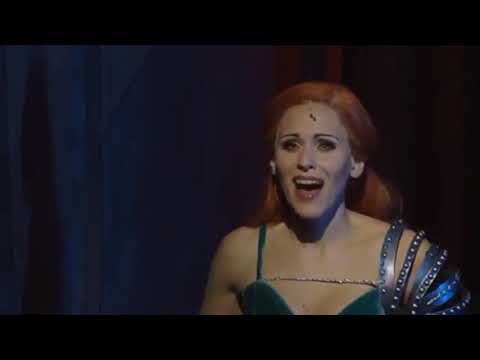
Driving rhythm: slow, steady steps rather than a rush. That restraint makes her sound controlled, which is scarier than a tantrum.
Emotional arc: memory - rupture - cold clarity. The chorus feels like a decision being signed, not a tear being wiped.
Cultural touchpoint: the song borrows the language of fairy-tale objects (a rose as symbol) but keeps it grounded in cause-and-effect family trauma, so the myth stays human-sized.
Technical Information (Quick Facts)
- Song: Die Rose (alternate title: The Rose)
- Artist: Sabrina Weckerlin
- Featured: Solo (Morgana)
- Composer: Frank Wildhorn
- Lyricist: Robin Lerner
- Book: Ivan Menchell
- German translation: Nina Schneider
- Arrangements and orchestrations: Koen Schoots
- Release Date: April 4, 2014 (album listing)
- Genre: Musical theatre; pop ballad
- Instruments: band and orchestral layers (cast recording context)
- Label: HitSquad Records
- Mood: reflective, wounded, calculating
- Length: 2:35 (live clip runtime)
- Track #: CD-15 (Discogs track listing reference)
- Language: German
- Album: Artus Excalibur - Das Musical
- Music style: slow-burn character ballad
- Poetic meter: accentual, speech-led phrasing with a repeating refrain shape
Frequently Asked Questions
- Who sings "Die Rose" in the musical?
- Morgana sings it as a solo, and the St. Gallen premiere production featured Sabrina Weckerlin in the role.
- Where does the song appear in the story?
- It is placed in Act II when Morgana is shut in her chamber after a clash with Loth, giving her a rare private moment.
- What does the rose symbolize here?
- Something delicate she once believed in - family safety, love, a future that felt possible - and the knowledge that it will not survive in her world.
- Is it written to make Morgana sympathetic?
- It is written to make her legible. The text explains the engine behind her choices without asking the audience to excuse them.
- Does the song change how Act II plays?
- Yes. It slows the pace right after war talk, then sends her back into the plot with a clearer motive and a colder plan.
- Is "The Rose" an official English version?
- It is a widely used alternate title in summaries and translation pages, while the documented release tied to the 2014 recording is in German.
- What tempo and key do musicians commonly cite for practice?
- Chord platforms commonly list it around 70 BPM and in G sharp minor for the clip-based chord analysis.
- Is there a separate chart run for the track?
- Not widely documented. The better sourced chart story is the album launch performance in Germany.
Awards and Chart Positions
There is no solid, separate single-chart history commonly published for "Die Rose". The reliable headline is the release moment of the St. Gallen concept recording: according to Playbill, the album was released April 3, 2014 and entered the No. 1 slot on both Amazon and iTunes in Germany.
| Item | Metric | Date | Scope |
|---|---|---|---|
| Artus - Excalibur (concept recording) | No. 1 on German Amazon and iTunes (reported) | April 3, 2014 | Platform charts (album), not an official national singles chart |
Additional Info
A neat production wrinkle: in at least one later staging write-up, the song order was reshuffled so Morgana introduces herself with "Die Rose" earlier, front-loading her motive. That tells you how functional the song is as story glue. It can move around because it is a character thesis, not a plot mechanic tied to one prop or one entrance.
Key Contributors
| Entity | Type | Relationship (S-V-O) |
|---|---|---|
| Frank Wildhorn | Person | Wildhorn composed the score for Artus - Excalibur. |
| Robin Lerner | Person | Lerner wrote lyrics for Artus - Excalibur. |
| Ivan Menchell | Person | Menchell wrote the book for Artus - Excalibur. |
| Nina Schneider | Person | Schneider translated the show into German for the St. Gallen production. |
| Koen Schoots | Person | Schoots created arrangements and orchestrations for the production build. |
| Sabrina Weckerlin | Person | Weckerlin originated Morgana in the 2014 St. Gallen premiere cast. |
| Theater St. Gallen | Organization | Theater St. Gallen premiered Artus - Excalibur on March 15, 2014. |
| HitSquad Records | Organization | HitSquad Records is credited on the 2014 album listing. |
How to Sing Die Rose
Most of the power here comes from restraint. Chord platforms that analyze the clip commonly tag it at about 70 BPM in G sharp minor. Treat that as your frame: slow enough for clear storytelling, tense enough to keep the threat under the tenderness.
- Tempo: Rehearse the verse at half pace, then settle into the slow groove (about 70 BPM) once the phrasing feels conversational.
- Diction: Keep the consonants clean on the hard turns (Zeit, Traum, entrissen). The text should sound like confession, not like fog.
- Breathing: Plan breaths before long memory lines, then shorten them as the emotion tightens. The shift is part of the acting.
- Flow and rhythm: Let the verse sit close to speech. When the refrain arrives, widen the vowels and lengthen the final syllables so the melody carries the weight.
- Accents: Stress the family words. That is where the motive lives, and the audience needs to hear it without subtitles.
- Color: Start warmer than you think, then cool the tone as the lyric turns into a personal manifesto.
- Mic and dynamics: Keep the loudest moments forward but not shouted. The menace reads better when it stays controlled.
- Pitfalls: Do not rush the sad opening. If you sprint, the turn into bitterness has nowhere to go.
Sources
Sources: Playbill (April 3, 2014 concept recording note), Wikipedia (Artus-Excalibur plot and song list), Apple Music (album date and label), LyricTranslate (German text and translation page), Chordify (tempo and key analysis), Discogs (track numbering reference), MaybeMusical.com (song order note)