
How I Know You Lyrics
How I Know You
Mereb:I grew up in your hometown
At least began to grow
I hadn't got to my first shave
before the body blow
Egyptians in the courtyard
My family in chains
You witnessed our abduction
Which possibly explains
How I know you
How I know you
Before that fateful morning
My family enjoyed
A privileged existence
For my father was employed
As advisor to the King no less
Which surely rings a bell
For as your are his daughter
You probably can tell
How I know you
Yes I know you
Aida:
You know too much and what you say
Is better left unknown
And now I'm just a slave like you
Our lives our not our own
Mereb:
I never have abandoned
And nor I think could you
That spark of hope for freedom
No terror can subdue
Aida:
My only hope is silence
You've never seen my face
Mereb:
No you remain a princess
In any time or place
Aida:
You don't know me
Mereb:
Yes, I know you
Aida:
You don't know me
Mereb:
How I know you
How I know you
Song Overview
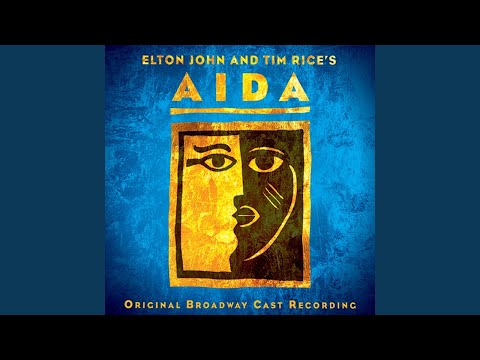
Review and Highlights
Quick summary
- Act I duet for Mereb and Aida, a hush of history inside a loud court.
- On the Original Broadway Cast Recording track list, it is Track 5 and runs 2:36.
- Style: pop-theatre conversation song, lightly pulsed, more tension than showy melody.
- Dramatic job: reveal Aida's hidden identity and Mereb's loyalty problem before the palace can label her.
Aida (2000) - stage musical - non-diegetic. Placement: Act I, following the early political maneuvering and the introduction of captivity. Why it matters: it is the first real "code switch" in the show, where public roles fall away and a private past tries to speak.
This is one of my favorite kinds of musical-theatre writing: the number that is not trying to win applause, only trying to win the next minute of survival. The melodic line stays close to speech, the accompaniment keeps its hands mostly to itself, and the tension is carried by what cannot be said too loudly. If the earlier Act I songs are banners, this one is a folded note passed behind a guard's back.
The staging implication is deliciously simple. Mereb recognizes her, and recognition is dangerous. The lyric does not need ornate poetry because the stakes are already ornate: empire, captivity, a princess in disguise, and one loyal servant who has learned to keep his face neutral. The best performances play it like two people walking in step while their minds sprint.
Key takeaways
- The show confirms identity through subtext, not exposition dump.
- The music favors quick, clean phrasing over held notes.
- The duet establishes Mereb as the story's quiet pressure point.
Creation History
Elton John and Tim Rice build this scene as a compact dramatic tool, and the cast recording keeps it brisk. According to the IBDB musical numbers list, the song is sung by Mereb and Aida in Act I, and the official Elton John discography track list places it as Track 5 at 2:36 on the original Broadway cast album. That combination of theatrical documentation and catalog metadata explains why the number is so often taught as a scene-in-miniature: it is structured like dialogue with music under it, not a stand-alone concert piece.
Song Meaning and Annotations
Plot
Mereb is tasked with delivering Aida into the palace orbit, and he realizes she is not just another captive. He knows her from Nubia, from a life that Egypt is trying to erase. Aida, reading the room faster than he can, orders him to keep silent about who she is. In a few minutes, the musical turns identity into strategy: she must survive as anonymous property while still thinking like a leader.
Song Meaning
The meaning lives in the phrase "I know you" as both comfort and threat. Recognition can be love, but it can also be evidence. Here it is evidence, and Aida treats it like contraband. The mood is tense, clipped, and fiercely practical. Aida is not asking for sympathy, she is managing an information leak. Mereb is not pleading, he is checking whether loyalty still has a place in a conquered world.
Annotations
"How I know you" is credited in show documentation as a duet for Mereb and Aida in Act I.
That credit line matters because it frames the scene as shared risk, not a solo confession. Both characters have skin in the secret, and the number should feel like two internal monologues colliding politely.
The cast album listing places the track early, before the romance duets take over the foreground.
Dramaturgically, this is smart placement. The show insists that identity and politics arrive before attraction. Love will come, yes, but it cannot pretend it is the first crisis.
The song functions like dialogue set to pulse rather than a belted showcase.
Singers who treat it as a big moment often miss the point. The drama is in containment: tight breath, sharp consonants, and the feeling that a guard might be listening.
Driving rhythm and style fusion
The rhythm sits in that pop-theatre lane where the groove is present but understated, almost like a heartbeat you are trying not to reveal. It is not a march, not a ballad, not a comedy number. Instead, it is a suspense conversation with music doing the pacing. The emotional arc moves from surprise to warning to agreement, and it lands on a fragile truce: silence as protection.
Key touchpoints
The touchpoint is occupation and disguise, a story engine older than opera and newer than any headline. In Aida, the language is modern musical theatre, but the stakes are timeless: who gets named, who gets misnamed, and who benefits from the naming.
Technical Information (Quick Facts)
- Song: How I Know You
- Artist: Damian Perkins and Heather Headley (Original Broadway Cast Recording principals)
- Featured: Orchestra
- Composer: Elton John
- Lyricist: Tim Rice
- Release Date: June 6, 2000
- Genre: Musical theatre; pop-theatre duet
- Instruments: Voices, rhythm section, theatre orchestra
- Label: Buena Vista Records
- Mood: Tense, controlled, confidential
- Length: 2:36
- Track #: 5
- Language: English
- Album (if any): Aida: Original Broadway Cast Recording
- Music style: Speech-led pop phrasing shaped for scene work
- Poetic meter: Accentual, conversational scansion
Frequently Asked Questions
- Who sings the song in the Broadway version?
- It is sung by Mereb and Aida.
- What is happening in the scene?
- Mereb recognizes Aida as royalty from Nubia, and she demands secrecy so she can survive inside the palace system.
- Why does the number feel restrained?
- Because the characters are managing danger. The writing favors quick phrasing and contained intensity over long held notes.
- Is this a love duet?
- No. It is a recognition duet, and it sets up the show’s political and identity stakes before romance takes center stage.
- Where does it sit on the cast album?
- It appears early, listed as Track 5 with a runtime of 2:36 in major discographies.
- What is the core theme?
- Identity as liability. Being known can protect you, but it can also get you killed, so knowledge becomes a currency that must be hidden.
- What do sheet-music listings suggest about key and tempo?
- A common piano-vocal-guitar arrangement is published in A minor with a Moderato tempo and a metronome reference of quarter note equals 132.
- Why does Mereb matter beyond this track?
- He becomes the moral hinge: he knows the truth, he serves the system, and he keeps choosing which truth can safely be spoken.
- Does the show reprise this moment?
- Yes. Act II includes a reprise sung by Mereb, returning to the theme of loyalty and warning as choices tighten.
Awards and Chart Positions
The track is not treated as a pop single, but it lives inside a Broadway release with formal recognition. As stated in the IBDB awards section, Aida won the 2000 Tony Award for Best Original Musical Score (Elton John and Tim Rice), and the production also won multiple design awards. That kind of institutional validation keeps the cast album circulating, which is why this small, tense duet remains a steady audition and study pick.
How to Sing How I Know You
The goal is not volume, it is credibility under pressure. Treat it like scene work first and singing second. Your best tool is steadiness: a calm pulse that lets the audience feel danger without you announcing it.
- Published key (PVG listing): A minor
- Tempo (PVG listing): Moderato, quarter note equals 132
- Range (PVG listing): F3 to A5
- Tempo: practice at the marked pulse before adding rubato. If you stretch too much, the scene stops feeling watched.
- Diction: keep consonants crisp on the recognition lines. The point is clarity delivered quietly.
- Breath: take small, silent inhales. Big breaths broadcast fear and make the moment theatrical in the wrong way.
- Flow: sing in thought units, like spoken warnings. Let the music carry you forward rather than leaning on sustained notes.
- Accents: stress words tied to identity and secrecy. That is where the drama sits.
- Blend and contrast: in duet, match vowel color on shared phrases, then separate tone slightly when the characters disagree.
- Mic and space: if amplified, stay consistent distance and let intensity come from articulation, not gain.
- Pitfalls: avoid turning it into a ballad. It is a warning exchange with music underneath.
Additional Info
This number is a masterclass in how a musical can compress exposition into conflict. Mereb could simply explain who Aida is to the audience, but the writers choose to make the revelation a negotiation. That choice keeps Aida active: she is not discovered, she is deciding how to be seen. If you are looking for the show’s moral wiring, it is right here, in a short exchange where survival requires both pride and restraint.
Key Contributors
| Entity | Type | Relation | Statement |
|---|---|---|---|
| Damian Perkins | Person | Original performer | Damian Perkins originated Mereb on Broadway and leads the cast recording track with Heather Headley. |
| Heather Headley | Person | Original performer | Heather Headley originated Aida on Broadway and performs the duet on the cast album. |
| Elton John | Person | Composer | Elton John composed the score for Aida. |
| Tim Rice | Person | Lyricist | Tim Rice wrote the lyrics that frame identity and secrecy as dramatic fuel. |
| Buena Vista Records | Organization | Label | Buena Vista Records released the Original Broadway Cast Recording. |
| IBDB | Organization | Reference database | IBDB documents song placement and who sings each number in the Broadway production. |
Sources
Data verified via official discography listings and Broadway reference documentation; arrangement references sourced from a major sheet-music catalog; awards context sourced from the Broadway production record.
Sources: Elton John official discography, IBDB, YouTube (Provided to YouTube by Universal Music Group), Musicnotes