Finale Lyrics — Anyone Can Whistle
Finale Lyrics
Good Lord! This time, the water really is coming out of the rock!
I can see it. Can't you?
COMPANY:
Crazy business this, this life we live in-
Can't complain about the time we're given-
With so little to be sure of in this world,
Hold me.
Hold me.
Song Overview
Review and Highlights
Quick summary
- Work: Closing number from Anyone Can Whistle (Broadway, 1964).
- Who carries it: Fay and Hapgood at the emotional center, with Cora and the town nearby in the story logic, depending on staging and edition.
- Where it lands: After the town stampedes to chase a new miracle elsewhere, leaving the original "miracle town" nearly empty.
- What it does: Pays off the title idea without turning it into a victory speech.
- How it hits: Brief, concentrated, and staged like an aftershock rather than a ribbon-cutting.
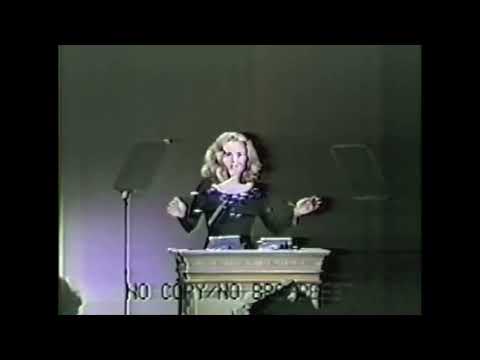
Anyone Can Whistle (1964) - stage musical - non-diegetic, but with a pointed stage consequence. The show has spent hours showing how a crowd can be led by signage, slogans, and carefully sold hope. The closing move refuses that kind of hope. Fay tries to whistle, and the attempt is clumsy enough to be believable. Then Hapgood reappears, and, in the story, water finally flows from the rock. The joke is that the first real miracle arrives when no one is left to buy it. I find that one of the show’s sharpest decisions: sincerity arrives only after the market leaves town.
Creation History
The recording trail helps explain why this ending has stayed in circulation. The Carnegie Hall concert release lists the closing cue as "Finale" and times it at 1:29, and the same track naming and timing are documented in a dedicated Sondheim discography. Masterworks Broadway also provides a detailed synopsis that leads straight into the ending, setting up the whistle attempt and the late return. It is not a long number, but it is engineered as a capstone: it answers the title without overexplaining it.
Song Meaning and Annotations
Plot
Late in Act III, Fay is forced to identify the Cookies, the town refuses to accept her truth about the fake miracle, and Hapgood and Fay part in the duet that admits uncertainty. Then news arrives: a neighboring town has its own miracle, and the citizens rush off to see if it is real. Cora is left behind, Schub pitches a new scheme, and the town’s attention shifts away like a spotlight turning. Fay returns to the rock calling for Hapgood. When he does not answer, she attempts a whistle and succeeds, harshly. Hapgood appears again, accepts the imperfect whistle, and, in the story, water finally flows.
Song Meaning
The closing point is not "believe in miracles." It is "stop outsourcing your courage to miracles." Fay’s whistle is the show’s practical proof: she does not become a different person, she just does the thing she could not do. Hapgood, a man who hid behind skepticism, chooses to re-enter the room. The water is almost an afterthought, and that is the best part. The show saves its gentlest grace note for the moment when the crowd is gone, as if to say: if you need an audience to be brave, you are still bargaining.
Annotations
Fay returns to the rock, calls for Hapgood, then tries to whistle - and succeeds in blowing a shrill, ugly whistle.
This is the ending’s secret weapon: the whistle is not pretty. It is effort, not polish. The show does not reward her with a perfect sound, it rewards her with the fact that she did it at all.
Hapgood appears again, saying, "That is good enough for me."
He finally behaves like a partner rather than a critic. The line lands because it lowers the standard. In a town addicted to spectacle, "good enough" is revolutionary.
Rhythm and emotional arc
The music does not need to chase a crowd anymore, so it can relax into shorter, clearer phrases. The arc is humility to connection. No one sings a manifesto. Two people accept imperfection and keep going. That is the ending’s quiet nerve.
Symbols and callbacks
The rock is where the town staged its fake miracle, a prop for tourists. Returning to it without the crowd reframes it. Now it is simply a place where Fay tests herself. The title idea becomes practical: anyone can whistle, but not on cue, not for applause, and not because a mayor says so.
Technical Information (Quick Facts)
- Song: Finale
- Artist: Company and principals (recording contexts vary)
- Featured: Fay Apple; J. Bowden Hapgood (dramatic focus)
- Composer: Stephen Sondheim
- Producer: Columbia recording team for major releases (cast and concert contexts vary by edition)
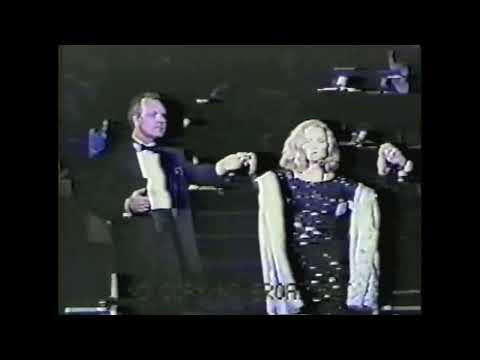
- Release Date: April 8, 1995 (concert performance date) - July 18, 1995 (concert album release)
- Genre: Musical theatre
- Instruments: Voice with orchestra
- Label: Masterworks Broadway (catalog and reissues)
- Mood: Wry; tender; quietly relieved
- Length: 01:29 (1995 concert track listing)
- Track #: 28 (1995 concert album sequence)
- Language: English
- Album (if any): Anyone Can Whistle - Live at Carnegie Hall 1995
- Music style: Brief closing cue that resolves the title idea through action rather than slogan
- Poetic meter: Mixed conversational scansion
Frequently Asked Questions
- Where does the closing cue occur in the story?
- After the town rushes off to chase a new miracle elsewhere, leaving Fay at the rock where the earlier fake miracle was staged.
- What action proves the title idea?
- Fay finally whistles, imperfectly, after failing earlier.
- Why is the whistle described as ugly in plot summaries?
- Because the point is effort, not prettiness. It is the sound of a person doing something she could not do before.
- What does Hapgood’s "good enough" line change?
- It shifts the ending away from perfection and toward acceptance, making connection possible.
- Does the show end with a literal miracle?
- In the story, yes: water begins flowing from the rock, but it arrives when there is no crowd to cash in on it.
- How long is the concert recording track?
- Major track listings document it at 1:29 on the 1995 Carnegie Hall concert album.
- Is the ending optimistic?
- It is cautiously hopeful: the town remains itself, but two characters become less trapped by their own habits.
- Why do listeners remember such a short closing number?
- Because it is a payoff of behavior rather than rhetoric, and the show has been withholding that kind of simple proof all night.
Additional Info
The ending is almost rude in its timing. A 1:29 closer feels like the show is refusing to bask, and that refusal is dramaturgically smart. The town has spent the musical chasing spectacle, so giving it a lean ending is a final corrective: do not applaud the town, watch the people.
In the Carnegie Hall concert synopsis, the closing beat is staged as a chain reaction: Fay returns, calls, fails, tries, succeeds, and only then does Hapgood answer. That sequence keeps the ending from turning mystical too soon. It is not faith that summons him, it is her attempt. According to Wikipedia’s plot summary, the water begins only after their embrace, which makes the miracle feel less like a prize and more like an aftereffect.
If you want one plain-text attribution for the shelf, here it is: according to Masterworks Broadway’s published album notes for the Carnegie Hall performance, the concert framed the show’s ending with unusual narrative clarity, restoring connective tissue and emphasizing how the title idea becomes action at the last second.
Key Contributors
| Entity | Type | Relationship |
|---|---|---|
| Stephen Sondheim | Person | Wrote music and text; shaped the ending as proof-by-action rather than a speech. |
| Arthur Laurents | Person | Book writer; structured the final reversals that place Fay alone at the rock. |
| Carnegie Hall | Venue | Hosted the April 8, 1995 staged concert documented on the commercial album. |
| Masterworks Broadway | Organization | Publishes the concert synopsis and track listings used to document the closing cue. |
| Stephen Sondheim Society | Organization | Discography source documenting the closing cue name and timing. |
| Fay Apple | Work | Character who attempts and achieves the whistle that triggers the ending’s shift. |
| J. Bowden Hapgood | Work | Character whose return and acceptance complete the final beat. |
Sources
Sources: Masterworks Broadway album notes and track listing for the 1995 Carnegie Hall concert, Stephen Sondheim Society discography, Apple Music album listing, Discogs track list, Wikipedia plot summary
Anyone Can Whistle Lyrics: Song List
- Act 1
- Prelude Act I
- I'm Like the Bluebird
- Me and My Town
- Miracle Song
- There Won't Be Trumpets
- Simple
- Act 2
- Entr'acte
- Hooray for Hapgood
- Come Play Wiz Me
- Anyone Can Whistle
- A Parade in Town
- Everybody Says Don't
- Act 3
- I've Got You To Lean On
- See What It Gets You
- The Cookie Chase
- With So Little to Be Sure Of
- Finale