Chicago Lyrics – All Songs from the Musical
Chicago Lyrics: Song List
- Act 1
- Overture / All That Jazz
- Funny Honey
- When You're Good to Mama
- Cell Block Tango
- All I Care About
- Little Bit of Good
- We Both Reached for the Gun
- Roxie
- I Can't Do It Alone
- Chicago After Midnight
- My Own Best Friend
- Act 2
- Entr'acte
- I Know a Girl
- Me and My Baby
- Mr. Cellophane
- When Velma Takes the Stand
- Razzle Dazzle
- Class
- Nowadays
- Hot Honey Rag
- Finale
About the "Chicago" Stage Show
This musical is one of the longest among Broadway musicals and in the world in general. For example, at the already mentioned Broadway, it currently has 7950+ shows, and it is alive at the moment (based on the Ambassador Theatre). The Lion King steps on the heels, which had 7550+ shows in stock at the beginning of 2016, and they both have outstripped Cats, which isn’t alive today on Broadway, having 7485 hits (fourth place at length). The first place belongs to The Phantom Of The Opera, with its phenomenal 11625+ shows, and it is still alive.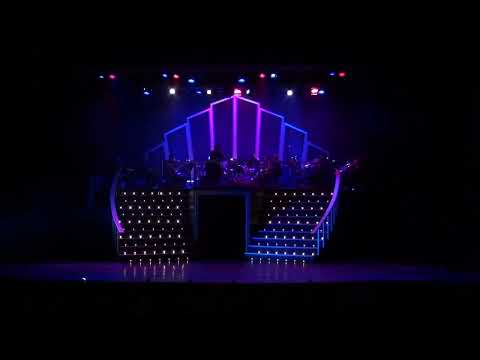
The first show of Chicago was committed in 1975 and it lasted almost 1000 performances up to the closure (936) on Broadway, and in 1996 it was resumed and has been until now. It is not necessary, however, to think that it had a break between 75 and 96 – it always continued somewhere, on the West End or in international productions. After a musical on Broadway experienced a resurrection, it immediately became much more popular and, based on its success, even a motion picture with three stars of Hollywood was filmed: Richard Gere, Renee Zellweger, and Catherine Zeta-Jones (who was the former wife of Michael Douglas).
The musical received such total of awards around the world, especially on Broadway and the West End: 6 wins and 13 nominations for Tony; 7 wins & 3 nominations for Drama Desk Award; 2 wins & 8 nominations for Laurence Olivier Award; 1 win of Grammy Award.
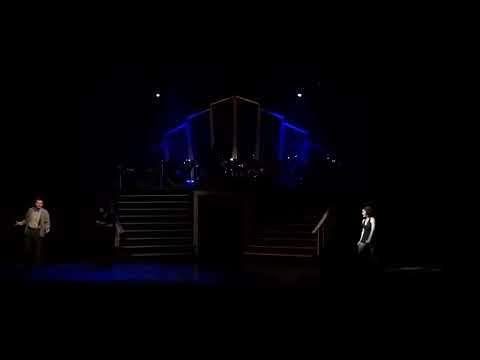
In 1997, the musical went on the second tour across the United States, as well as in a tour to the cities of the world, where among others it visited: Melbourne, Vienna, Tokyo, Buenos Aires, Mexico City, Montreal, Milan, Paris, Sao Paulo, Johannesburg, Cape Town, Copenhagen, Seoul, Bangkok, Brisbane, Madrid, Singapore, Hong Kong, Stuttgart, Berlin and Munich. The last two it visited were at the beginning of 2016. In 2010, it traveled to 9 different cities in Asia.
Release date: 1975
"Chicago" – The Musical Guide & Song Meanings
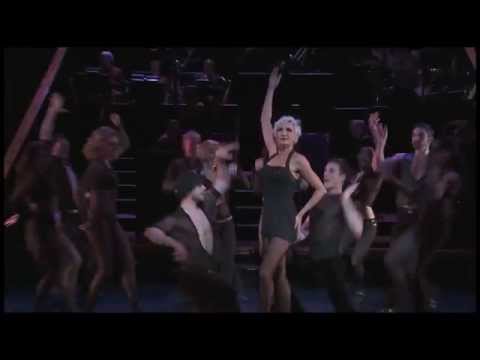
Review and lyric themes
Why does “Chicago” still feel current when its world is all flappers, courtroom fans, and brass? Because it is not really about murder. It is about attention. The score turns scandal into rhythm, then lets the characters mistake rhythm for love.
Fred Ebb’s lyrics are written like a press kit that learned how to flirt. Everybody pitches themselves. Roxie talks as if she is already a headline. Velma talks as if she invented the headline. Billy talks as if the law is a stage manager and the jury is a paying audience. Even the show’s jokes have an agenda. They keep you laughing so you do not notice how quickly you start rooting for the worst behavior in the room.
John Kander’s music sits in jazz vocabulary but behaves like vaudeville structure: number after number, each one a “turn.” That format is the story engine. Each song is a mini-act where guilt becomes a costume change. The band, often visible in staging and in the long-running revival’s stripped-down aesthetic, makes the point sharper: the entertainment machine is always on, even when the plot says someone’s life is on the line.
How it was made
The roots are tabloid, not fairy tale. The musical is based on Maurine Dallas Watkins’ 1926 play, shaped by her reporting on two 1924 murder trials in Chicago. That true-crime origin is not trivia; it is the show’s moral temperature. The writing knows how a courtroom story gets sold, because it started as a courtroom story getting sold.
There is also an inheritance story inside the inheritance story. Gwen Verdon championed the play and pushed for an adaptation with Bob Fosse. Rights were a long chase, and the project only truly opened up after Watkins’ death, when her estate sold the rights. That delay matters. It meant the piece arrived in 1975 with a colder eye than many of its peers, and its cynicism landed awkwardly beside audiences who were being trained to want uplift.
Fosse’s concept made the show’s mechanics visible. Scholars describe “Chicago” as a chain of 1920s-style entertainment acts, with the justice system and show business treated as twins. Around the same period, Fosse was juggling major work across media, and his autobiographical film “All That Jazz” later borrowed its title straight from the opening number, turning the musical’s tagline into a personal brand.
Key tracks and scenes
"All That Jazz" (Velma Kelly)
- The Scene:
- A spotlight hits like a match strike. Velma invites you into the night, half emcee, half siren. The band feels close enough to touch. The room looks glamorous until you notice the edges are sharp.
- Lyrical Meaning:
- This is the show’s thesis in a cocktail glass. Pleasure, cynicism, and survival share the same straw. Velma is not confessing. She is recruiting you to enjoy the mess with her.
"Funny Honey" (Roxie Hart)
- The Scene:
- After the crime, Roxie turns domestic space into a performance space. Lighting tightens. The sweetness looks staged. Amos is close by, eager, confused, already being written into her story.
- Lyrical Meaning:
- The lyric is manipulative on purpose. Roxie weaponizes affection as alibi, then as leverage. The word “funny” keeps shifting. Cute becomes cruel in real time.
"Cell Block Tango" (Velma and the Murderesses)
- The Scene:
- Jail becomes a cabaret line. Isolated pools of light carve each woman into her own exhibit. The storytelling is crisp, almost chatty, until a detail lands and the air goes cold again.
- Lyrical Meaning:
- Each verse is a lesson in self-justification. The women do not argue innocence; they argue inevitability. The famous “he had it coming” refrain is a chorus of moral outsourcing.
"When You're Good to Mama" (Matron “Mama” Morton)
- The Scene:
- Mama holds court like a nightclub owner who also controls the keys. Warm lighting, velvet energy. The ensemble becomes her customer base. The jail bars feel decorative, not protective.
- Lyrical Meaning:
- This is corruption sung with a wink. “Good” means profitable. “Mama” means gatekeeper. The lyric teaches Roxie, and the audience, the price list for comfort.
"We Both Reached for the Gun" (Billy Flynn, Roxie, Mary Sunshine)
- The Scene:
- A press scrum as puppet show. Bright, clinical light, like flashbulbs that never stop popping. Billy positions Roxie. He speaks and she moves. Reporters lean in like they are at a magic trick.
- Lyrical Meaning:
- Language becomes ventriloquism. Roxie’s “truth” is manufactured live, with jokes as grease. The lyric is funny because it is accurate about how narratives get sold.
"Razzle Dazzle" (Billy Flynn)
- The Scene:
- The courtroom turns into a full act. Lighting turns theatrical, almost show-opening bright. Billy smiles straight at the room, as if the jury bought tickets and he intends to earn applause.
- Lyrical Meaning:
- Billy’s philosophy is simple: distract them until they confuse charm for evidence. The lyric is a manual for public spin, dressed as entertainment so it can travel further.
"Mister Cellophane" (Amos Hart)
- The Scene:
- A man steps out of the bustle and realizes nobody sees him. The light often narrows to a lonely cone. Movement slows. The band feels far away for once.
- Lyrical Meaning:
- Amos sings the cost of being useful. The lyric is plain, almost old-fashioned, which is why it hurts. In a world of performers, sincerity is the strangest act.
"Nowadays / Hot Honey Rag" (Roxie and Velma)
- The Scene:
- The finale is a victory lap that also reads like a warning. Roxie and Velma share the spotlight, trading poses like currency. The stage picture is sleek, polished, and just a little desperate.
- Lyrical Meaning:
- “Nowadays” is resignation and swagger braided together. Fame is temporary, so take the bow now. The lyric lands as a shrug with lipstick on it.
Live updates 2025/2026
On Broadway, “Chicago” is still running at the Ambassador Theatre. The current official cast listing includes Kate Baldwin as Roxie Hart, Robyn Hurder as Velma Kelly, Alex Newell as Matron “Mama” Morton, Tam Mutu as Billy Flynn, and Raymond Bokhour as Amos Hart. The production continues its long tradition of rotating Roxies, with Whitney Leavitt scheduled to play Roxie from February 2 through March 15, 2026. Ticket listings in January 2026 show entry prices starting around $91.95, with frequent “special offer” calendars depending on the week.
On the road, the North American tour has a published 2025-26 company led by Ellie Roddy (Roxie), Claire Marshall (Velma), Max Cervantes (Billy Flynn), Marc Christopher (Amos), Illeana “illy” Kirven (Mama), and J. Clanton (Mary Sunshine). In the UK and Ireland, 2025 tour dates and venue announcements have spotlighted star casting including Janette Manrara and Faye Brookes sharing Roxie, with Darren Day and others appearing as Billy Flynn on select weeks, depending on the stop.
The bigger trend is that “Chicago” keeps turning its own theme into a business model. Celebrity casting is not a gimmick here. It is part of the text. A famous face as Roxie makes the satire feel literal, like the show is reporting on itself in real time.
Notes and trivia
- The show opened on Broadway June 3, 1975 at the 46th Street Theatre and originally ran through August 27, 1977.
- The 1996 revival opened November 14, 1996, later moved to the Ambassador Theatre on January 29, 2003, and remains there today.
- After “The Phantom of the Opera” closed in April 2023, “Chicago” became the longest-running show currently playing on Broadway.
- On November 23, 2014, the Broadway revival played its 7,486th performance, surpassing “Cats” to become the second-longest-running show in Broadway history at the time.
- Associated Press reporting on the “Roxie pipeline” notes that some choreography is customized to each new star; a move nicknamed “The Melanie” entered the show during Melanie Griffith’s run.
- “All That Jazz” later gave its title to Bob Fosse’s 1979 film, extending the musical’s signature phrase into pop culture shorthand.
- The Original Broadway Cast Recording is widely available on streaming services, with digital listings crediting 1975 rights and later reissue metadata.
Reception then vs. now
In 1975, “Chicago” did not land like a crowd-pleaser, and some major critics bristled at its chill. That early discomfort makes sense: the show asks you to enjoy the performance while questioning the reason you enjoy it. It is a risky demand in any era.
“‘Chicago’ … is a disappointment,” wrote Brendan Gill, arguing that style was doing “the work of the imagination.”
Over time, the show’s posture started to read like accuracy. The revival era reframed the material as a mirror held up to celebrity justice, and the public got less shy about recognizing itself in the reflection. A later wave of criticism also sharpened the point that Fosse’s direction was not decoration. It was the thesis made physical.
A Guardian feature quotes Ben Brantley recalling Fosse’s advice: “Dare the audience to look at you … and then look back at them with murder in your eyes.”
Now the conversation is less about whether the show is “too dark” and more about how cleverly it keeps rewriting itself. When a new Roxie arrives from film, TV, or pop culture, the satire tightens. The show becomes a live case study in the thing it has been warning you about.
An Associated Press report describes the role’s rotating-star system as deliberate, with training “boot camps” and small changes designed to fit each new Roxie.
Quick facts
- Title: Chicago (also billed as “Chicago: A Musical Vaudeville” in the original era)
- Year: 1975
- Type: Musical, vaudeville-structured satire
- Music: John Kander
- Lyrics: Fred Ebb
- Book: Fred Ebb and Bob Fosse
- Based on: Maurine Dallas Watkins’ 1926 play, shaped by 1924 Chicago murder trials
- Original Broadway opening: June 3, 1975 (46th Street Theatre)
- Broadway revival: Opened November 14, 1996; at the Ambassador Theatre since January 29, 2003
- Selected notable placements: “All That Jazz” opens the show; “Cell Block Tango” introduces the jail’s “acts”; “Razzle Dazzle” frames the trial as showbiz
- Album status: Original Broadway Cast Recording available on major streaming platforms; digital listings include 1975 rights and later reissue metadata
- Availability: Streaming (album), Broadway and touring productions (North America; UK/IE touring dates vary by season)
Frequently asked questions
- Is “Chicago” based on a true story?
- It is based on Maurine Dallas Watkins’ play, which drew from real 1924 Chicago murder trials she covered as a reporter, later fictionalized into Roxie and Velma.
- What is the lyrical point of “Razzle Dazzle”?
- It is Billy Flynn’s argument that presentation beats proof. The lyric is a blueprint for distraction, staged as entertainment so it goes down easy.
- Why does “We Both Reached for the Gun” feel like satire and horror at once?
- Because the song treats a press conference like a puppet act. You laugh at the mechanics, then realize the mechanics are the story.
- Who is in the current Broadway cast in early 2026?
- The official Broadway cast listing includes Kate Baldwin (Roxie), Robyn Hurder (Velma), Alex Newell (Mama), Tam Mutu (Billy), and Raymond Bokhour (Amos), with rotating stars scheduled for limited runs.
- When is Whitney Leavitt playing Roxie on Broadway?
- She is scheduled to play Roxie from February 2 through March 15, 2026.
- Is there a tour in 2025-2026?
- Yes. The North American tour has a published 2025-26 company, and the UK and Ireland continue to host touring engagements with star casting that varies by venue and week.
Key contributors
| Name | Role | Contribution |
|---|---|---|
| John Kander | Composer | Wrote a jazz-driven score built for vaudeville “turns,” giving each character a performable argument. |
| Fred Ebb | Lyricist, co-book writer | Lyrics that sound like headlines and confessions, with language that constantly negotiates image and truth. |
| Bob Fosse | Director, choreographer, co-book writer | Turned the courtroom into a stage and made performance itself the plot device. |
| Maurine Dallas Watkins | Source author | Wrote the 1926 play rooted in her reporting on 1924 murder trials, shaping the story’s tabloid DNA. |
| Ann Reinking | Choreography custodian (revival era) | Helped preserve and translate Fosse’s movement language for the long-running revival and its rotating stars. |
| Walter Bobbie | Director (1996 Broadway revival) | Staged the revival’s lean, band-forward presentation that helped the show’s cynicism read as clarity. |
| Barry & Fran Weissler | Producers (revival) | Built a production model that keeps the show alive through smart casting cycles and touring reach. |
| Kate Baldwin | Performer | Current Broadway Roxie (as listed on the official site in early 2026), carrying the role’s “headline hunger.” |
| Robyn Hurder | Performer | Current Broadway Velma (as listed on the official site in early 2026), balancing menace with control. |
Sources: Chicago The Musical (official site), Broadway.com, IBDB, Playbill, Associated Press, The New Yorker, The Guardian, Concord Theatricals, Chicago On Tour (official tour site), Apple Music, Spotify, Broadway In Chicago, Chicago History Museum.