Mein Herr Lyrics — Cabaret
Mein Herr Lyrics
Meine Damen und Herren. Mesdames et Messieurs,
Ladies and Gentlemen; it is almost midnight!
Husbands- you have only ten seconds in which to
lose your wives! Five- four- three- two- one!
Happy New Year!
[SALLY]
You have to understand the way I am,
Mein Herr.
A tiger is a tiger, not a lamb.
Mein Herr.
You'll never turn the vinegar to jam,
Mein Herr.
So I do...
What I do...
When I'm through...
Then I'm through...
And I'm through...
Toodle-oo!
Bye-Bye, Mein Lieber Herr.
Farewell, mein Lieber Herr.
It was a fine affair,
But now it's over.
And though I used to care,
I need the open air.
You're better off without me,
Mein Herr.
Don't dab your eye, mein Herr,
Or wonder why, Mein Herr.
I've always told you I was a rover.
You mustn't knit your brow,
You should have known by now
You'd every cause to doubt me,
Mein, Herr.
The continent of Europe is so wide,
Mein Herr.
Not only up and down, but side to side,
Mein Herr.
I couldn't ever cross it if I tried,
Mein Herr.
So I do..
What I can...
Inch by inch...
Step by step...
Mile by mile...
Man by man.
Bye-Bye, Mein Lieber Herr.
Farewell, mein Lieber Herr.
It was a fine affair,
But now it's over.
And though I used to care,
I need the open air.
You're better off without me,
Mein Herr.
[SALLY AND GIRLS]
Don't dab your eye, mein Herr,
Or wonder why, Mein Herr.
I've always told you I was a rover.
You mustn't knit your brow,
You should have known by now
You'd every cause to doubt me,
Mein, Herr.
Bye-bye, mein Lieber Herr,
Auf wiedersehen, mein Herr.
Es war sehr gut, mein Herr
Und vorbei.
Du kennst mich wohl, mein Herr,
Ach, lebe wohl, mein Herr.
Du sollst mich nicht mehr sehen,
Mein Herr.
[SALLY]
Bye-bye, mein Lieber
[GIRLS]
Bye-bye, mein
Lieber Herr
[SALLY]
Herr...
[GIRLS]
Auf weidersehen,
Mein Herr.
Es war sehr gut,
[SALLY]
Und Vorbei.
[GIRLS]
Mein Herr
Und vorbei.
[SALLY]
Du kennst
Mich wohl,
[GIRLS]
Du kennst mich,
Wohl, mein
Herr,
[SALLY]
Mein Herr...
[GIRLS]
Ach, lebe
Wohl, mein
Herr.
Du sollst mich
Nicht mehr
Sehen,
[SALLY]
And bye-bye
[SALLY AND GIRLS]
Bye-Bye, Mein Lieber Herr;
Farewell, mein Lieber Herr.
It was a fine affair,
But now it's over.
And though I-
Used to care,
I need the-
Open air.
[SALLY]
You're better off
Without me,
[GIRLS]
Auf wiedersehen...
[SALLY]
You'll get on
Without me
[GIRLS]
Es war sehr gut...
[SALLY]
Mein
[GIRLS]
Du kennst nicht
[SALLY]
Herr...
[GIRLS]
Wohl...
Ach, lebe wohl!
Bye bye, mein
[SALLY]
Herr,...
[GIRLS]
Auf wiedersehen,...
Bye bye mein Herr!
[EMCEE]
The final performance of Sally Bowles! Thank you,
Sally. Bye-bye!
Song Overview
Review and Highlights
Quick summary
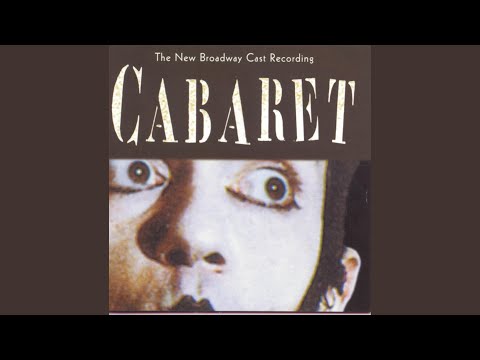
- Performed in the 1998 Broadway revival as a cabaret number for Sally Bowles with the Kit Kat girls, framed by the Emcee.
- Track 4 on the cast album, produced by Jay David Saks, with music by John Kander and words by Fred Ebb.
- Originally introduced to mass audiences through the 1972 film version, then folded into later stage revisions.
- The scene function is simple: a glamorous exit speech that also advertises a survival strategy.
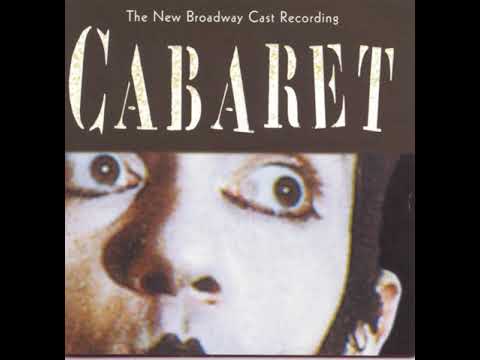
Cabaret (1998) - cast recording - diegetic. A Kit Kat Klub floor show number in Act I, placed after "Don't Tell Mama" and before "Perfectly Marvelous" on the album track sequence (Track 4, 4:18). It matters because it sells Sally's public persona as a fearless roamer, while the book scene around it turns that persona into a plot lever: Cliff sees the act, then meets the private mess right after.
What makes this performance work is its timing. The Emcee's multilingual welcome and countdown is showmanship with a wink, then the singer arrives with a thesis statement: do not expect reform. The lyric is built like a series of doors closing, each rhyme a latch. In cabaret terms, it is not a love song - it is a contract cancellation, signed in glitter. The tune keeps a brisk, strutting gait, and the vocal line favors clean consonants over big-held notes, which is a canny way to make independence sound like a decision, not a plea.
In the 1998 cast recording, the club numbers were shaped to feel lived-in, including audience response for the onstage turns, a production choice discussed in Masterworks Broadway's own note about the album's approach. That little bit of room sound changes the meaning: the crowd laughs and claps at the persona, while the story outside the spotlight grows darker.
Creation History
The song sits at a crossroads in the show's history. Kander and Ebb wrote it for the 1972 film, and later stage versions adopted it as part of a revised lineup, with the licensed 1998 version specifically listing it among its defining inclusions. The 1998 Broadway revival - the one captured on this recording - came from the Mendes-era rethinking of the piece, treating the Kit Kat Klub not as decoration but as the engine that runs the evening. As stated in Playbill, the cast album for that revival was released in late June 1998, pairing the stage zeitgeist with a studio document that still smells faintly of cigarette smoke and footlights.
Song Meaning and Annotations
Plot
Within the musical's Berlin frame, the singer steps into the nightclub spotlight and performs a goodbye to a lover, with the chorus line amplifying the message. On the surface it is a breakup delivered with charm and a shrug. Underneath, it is a self-portrait: she casts herself as someone who cannot be domesticated, cannot be rescued, and will not be argued into safety. The song's placement early in the story makes it a warning label for what comes later.
Song Meaning
The meaning is blunt in the best cabaret way: I am not changing for you. The speaker treats commitment as a costume she can put on for a number and toss aside at the stage door. "Tiger" versus "lamb" is not just swagger, it is self-knowledge, and the internal rhymes mimic a dancer's steps - neat, rehearsed, and ready to leave on cue. The trick is that the number is both seduction and escape plan. She makes freedom sound like air, and attachment sound like a cramped room.
Annotations
Meine Damen und Herren ... Ladies and Gentlemen
The opening address is a triple-language flourish, a nightclub host showing off and signaling that this world has tourists, locals, and masqueraders all sharing the same tables. It also sets up the song's favorite weapon: performance as camouflage.
You have to understand the way I am
That line is half confession, half preemptive defense. The singer does not ask for forgiveness; she asks for comprehension, and then moves on before the listener can reply.
A tiger is a tiger, not a lamb
This is the song's self-mythology in one image. It is also foreshadowing: the romance plot wants transformation, but the character insists on continuity. When later choices clash with Cliff's fantasies, the audience has already been told who she plans to be.
Not only up and down, but side to side
Played as a sly double meaning in many stagings, the lyric turns geography into flirtation. It is part of the number's dare: she refuses shame, and she weaponizes wit. In the club context, innuendo is currency.
Auf wiedersehen ... it was very good, and over
The German refrain is not a plot twist, it is a mirror. Switching languages makes the goodbye feel formal, like stamping paperwork. It also underlines a theme in Cabaret: identity is flexible until politics makes it dangerous.
Rhythm and style fusion
The groove borrows from jazz-era cabaret and Broadway brassiness. The phrasing lands like spoken theater that happens to be pitched, which is why the words cut through even when the band is busy. The refrain's repeated farewells are a hook, but also a ritual: repetition turns discomfort into a sing-along.
Arc and touchpoints
The number moves from explanation to farewell to a chorus that gets increasingly communal, as if the Kit Kat Klub itself is helping her pack. Historically, it taps a familiar Weimar-stage archetype: the performer who sells liberation while the outside world tightens the screws. That tension is part of why the song travels so well across decades; according to grammy.com, the 1998 cast album even entered the awards conversation, suggesting the revival's version of this material landed as more than nostalgia.
Technical Information
- Artist: New Broadway cast recording principal performers led by Natasha Richardson (Sally) and Alan Cumming (Emcee)
- Featured: Cabaret Ensemble and Kit Kat girls (chorus)
- Composer: John Kander
- Lyricist: Fred Ebb
- Producer: Jay David Saks
- Release Date: June 30, 1998
- Genre: Musical theatre, Broadway, pop-leaning cabaret
- Instruments: Piano and keyboards, drums, bass, brass, reeds, strings, accordion, banjo (small stage band aesthetic)
- Label: RCA Victor Broadway (original release); Masterworks Broadway (catalog branding)
- Mood: Flirtatious, defiant, controlled
- Length: 4:18
- Track #: 4 (Cabaret - New Broadway cast album)
- Language: English with German and brief French lines
- Album: Cabaret (New Broadway Cast Recording)
- Music style: Cabaret strut with show-tune clarity and punchline timing
- Poetic meter: Mixed conversational meter built for rhyme snaps and patter-like stress
Questions and Answers
- Who produced the 1998 cast recording track?
- Jay David Saks produced the cast album recording, shaping the club numbers to feel like live turns rather than sterile studio captures.
- When was this recording released?
- The cast album release date is June 30, 1998, tied to the Broadway revival's awards-season afterglow.
- Who wrote the song?
- John Kander composed the music and Fred Ebb wrote the words, a partnership built for sharp rhyme and sharper irony.
- Why does the Emcee begin with a multilingual welcome and countdown?
- It frames the club as cosmopolitan theater. The countdown also primes the room for a "midnight" persona change: party patter becomes personal declaration.
- What is the speaker really saying in the refrain?
- She is refusing the fantasy of reform. The goodbye is not heartbreak, it is boundary-setting with stage lights on.
- Is the "Europe is so wide" verse literal travel talk?
- Partly, but it plays bigger as metaphor. She cannot "cross" the continent because she is always moving within it, chasing novelty one encounter at a time.
- How does the number foreshadow later conflict with Cliff?
- It announces that stability will be a fight she does not plan to win. When Cliff asks for a different life, the audience remembers she already said no.
- What is the purpose of the German refrain in performance?
- It formalizes the farewell, like a stamped dismissal. It also reinforces the Berlin setting while keeping the club's tone: playful, transactional, unsentimental.
- Why is innuendo central to the middle verse?
- Because the character sells autonomy through teasing control. A double meaning becomes a power move: she chooses the terms of attention.
- How did the song become standard repertoire outside the show?
- The 1972 film version made it a signature number for Sally Bowles in pop culture, and later stage revisions kept it because it instantly defines character and world.
Awards and Chart Positions
This recording comes from a revival that dominated its season, and the album drew major awards attention. According to grammy.com, the cast album was nominated at the 41st Annual Grammy Awards for Best Musical Show Album, credited to producer Jay David Saks along with the score's creators.
| Year | Award | Category | Work credited | Result |
|---|---|---|---|---|
| 1999 | Grammy Awards (41st) | Best Musical Show Album | Cabaret (New Broadway Cast Recording) - producer Jay David Saks | Nominated |
I did not find a verified singles-chart history for this specific cast-album track in major pop charts, which is typical for theatre recordings where the album, not the individual track, is the commercial unit.
Additional Info
One detail that often gets lost: this number is a marker of the 1998 licensed version itself. Concord's show edition notes that the 1998 configuration specifically includes it, distinguishing that revision from earlier stage lineups. That matters because it explains why many theater fans treat the song as inseparable from the Mendes-era style, even though its earliest fame came from the film.
If you want a quick map of how performers have used the number outside the show, it has long been a showcase piece in concerts and revues, from classic cabaret singers to Broadway benefit stages. The appeal is practical: it lets an actor sing, act, and move while projecting authority, and it lands even when the audience does not know the plot.
Key Contributors
| Entity | Type | Relationship (S-V-O) |
|---|---|---|
| John Kander | Person | Kander - composed - the song's music. |
| Fred Ebb | Person | Ebb - wrote - the song's words. |
| Jay David Saks | Person | Saks - produced - the 1998 Broadway cast album. |
| Natasha Richardson | Person | Richardson - performed - Sally Bowles on the recording and on Broadway in 1998. |
| Alan Cumming | Person | Cumming - performed - the Emcee role on the recording and on Broadway in 1998. |
| Sam Mendes | Person | Mendes - directed - the 1998 Broadway revival staging captured by the album. |
| Rob Marshall | Person | Marshall - co-directed and choreographed - the 1998 Broadway revival. |
| Roundabout Theatre Company | Organization | Roundabout - produced - the 1998 Broadway revival. |
| RCA Victor Broadway | Organization | RCA Victor Broadway - released - the cast album in 1998. |
| Masterworks Broadway | Organization | Masterworks Broadway - catalogs - the recording in its current label ecosystem. |
| Henry Miller's Theatre / Studio 54 | Venue | The production - played in - a transformed nightclub-theatre setting. |
| Cabaret | Work | The musical - frames - the number as Kit Kat Klub performance inside a larger political story. |
| Cabaret (1972 film) | Work | The film - popularized - the number for mainstream audiences. |
Sources: Masterworks Broadway album page for Cabaret (New Broadway Cast Recording), Masterworks Broadway blog note on the cast album sound, Playbill release announcement for the cast album, Grammy.com 41st Annual Grammy Awards page, Concord Theatricals Cabaret (1998 version) listing, IBDB Cabaret (1998 Broadway revival) production page, Variety Grammy nominations list (1999), Wikipedia Cabaret (musical)
Music video
Cabaret Lyrics: Song List
- Act 1
- Wilkommen
- So What
- Telephone Song
- Don't Tell Mama
- Mein Herr
- Perfecly Marvelous
- Two Ladies
- It Couldn't Please Me More
- Tomorrow Belongs to Me
- Why Should I Wake Up?
- Maybe this Time
- Money Song
- Married
- Meeskite
- Act 2
- Entr'acte
- If You Could See Her
- What Would You Do?
- Tomorrow Belongs to Me (Reprise)
- Cabaret
- Finale