Too Marvelous for Words Lyrics — A Day in Hollywood / A Night in the Ukraine
Too Marvelous for Words Lyrics
Too marvelous for words
Like "glorious," and "glamorous,"
And that old standby, "amorous."
It's all too wonderful
I'll never find the phrase
That says enough, tells enough
I mean, just aren't swell enough
You're much too much, and just too very very
To ever be, to ever be in Webster's Dictionary
And so I'm borrowing a love song from the birds
To tell you that you're marvelous
Too marvelous for words
You're much too much, and just too very very
To ever be, to ever be in Webster's Dictionary
And so I'm borrowing a love song from the birds
To tell you that you're marvelous
Too marvelous for words
Song Overview
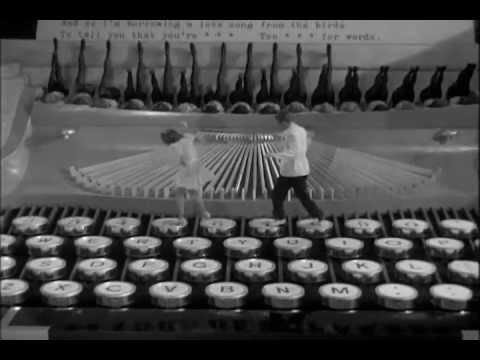
"Too Marvelous for Words" arrives in A Day in Hollywood / A Night in the Ukraine as one tile in the Richard A. Whiting medley, but it never feels like filler. The refrain is a little engine of awe: the singer tries to compliment a lover and keeps running out of vocabulary, so the lyric turns language itself into comic flirtation. As stated in the Internet Broadway Database, the number is sung by the Company within the Whiting medley, with Johnny Mercer credited for the lyric and Richard A. Whiting for the music.
Review and Highlights
Quick summary
- Where it appears: Act 1, inside the Richard A. Whiting medley, after "Ain't We Got Fun" in the IBDB song list.
- Writers: music by Richard A. Whiting; lyrics by Johnny Mercer.
- Show delivery: Company on paper, but cast-album and production lists often single out Kate Draper for this slice of the medley.
- Stage flavor: bright romantic patter with a swing-era wink.
- Why it matters: it lets Act 1 sound like Hollywood romance while quietly showing how smart the era's craft could be.
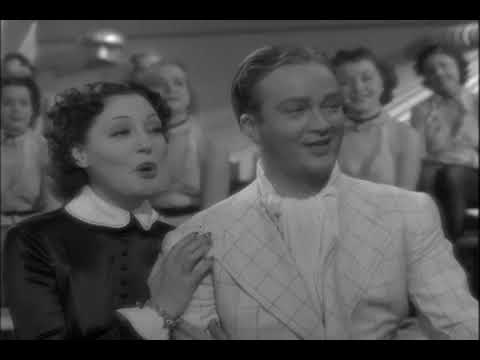
In this musical, the Whiting medley is a moving sidewalk, and this song is one of the moments when you feel the floor glide under your feet. Mercer writes as if the speaker is thinking out loud, grabbing adjectives and tossing them away when they feel too small. That quick reach-and-reject rhythm plays well in a medley because it lands fast, then clears the runway for the next title.
The production listing detail I love is the bit of instrumental business: Overtur notes Kate Draper on the vocal with David Garrison on clarinet. That is a stage picture with built-in period air, and it matches the show's Act 1 habit of turning music-making into part of the joke, not a hidden service.
Key takeaways: a compact romantic lift inside a longer medley; lyric-driven comedy that stays classy; and a neat chance for an ensemble member to step into the spotlight without stopping the show's momentum.
Creation History
The song dates to 1937 and is tied to the Warner Bros. film Ready, Willing and Able, where it was introduced as a screen number. Later, it became a jazz-and-pop standard with a long recording life. In this musical, it is borrowed as part of the Whiting salute, and the borrow feels earned: Act 1 is basically a live demonstration of how film-era songwriting could sell romance on command.
Song Meaning and Annotations
Plot
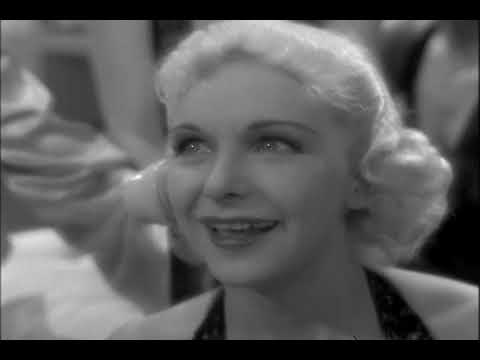
Act 1 is a revue set in a movie-palace world, with performers presented as ushers and usherettes guiding the audience through Hollywood song styles. The Richard A. Whiting medley is the centerpiece of that stroll, and this song functions as the romance beat - a quick flash of elegance before the medley pivots again.
Song Meaning
The meaning is simple and theatrical: the speaker is so taken with someone that ordinary compliments feel useless. So the lyric turns into a comic search for language big enough to hold the feeling. In performance, that search can read as sophisticated charm, or as a person genuinely surprised by their own devotion. Either way, the song sells the idea that love is not only felt; it is performed.
Annotations
You're just too marvelous, too marvelous for words
The hook is a compliment that admits defeat. The singer tries to praise, then confesses the praise will never be adequate. That reversal is why the line sticks; it flatters the beloved and makes the speaker sound witty at the same time.
like that old standby, amorous
A rhyme that makes the point of the song: the speaker is rummaging through the dictionary, borrowing fancy labels, then treating them as props. When staged inside A Day in Hollywood, the line can be tossed off like movie dialogue, fast and polished.
Driving rhythm and style
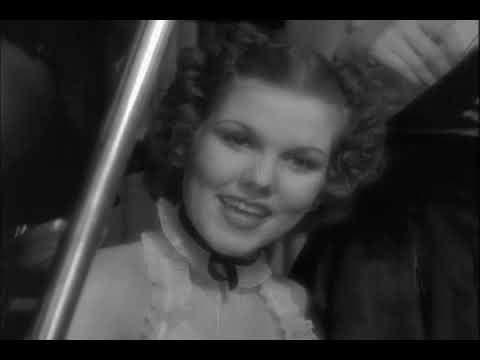
Even when it is sung sweetly, the lyric has a patter-like pulse: thought, correction, thought, correction. That pulse is what keeps the number buoyant in a medley, where anything slow can start to feel like a traffic jam.
Cultural touchpoints
According to The New Yorker magazine's cast-album note from 1981, the show and its recording lean heavily on piano-led accompaniment, which makes this kind of wordplay land cleanly. With less orchestral perfume in the air, you hear the lyric's mechanics - and that is half the fun.
For the complete text, use authorized editions and licensed recordings. This page stays with commentary and brief excerpts only.
Technical Information (Quick Facts)
- Artist: Company (stage listing); featured on production lists as Kate Draper
- Featured: Kate Draper (vocal) with David Garrison (clarinet) noted in a production listing
- Composer: Richard A. Whiting
- Lyricist: Johnny Mercer
- Release Date: 1937 (song publication year listed by Musicnotes)
- Genre: standard (traditional pop, later jazz repertory); used in musical theatre as a medley segment
- Instruments: vocal with period dance-band color; clarinet feature noted in one staging list
- Label: DRG (cast recording context)
- Mood: romantic, playful, high-gloss
- Length: presented as a medley segment rather than a separately indexed track on the cast album
- Track #: contained within the "Richard A. Whiting Medley" track on the Original Broadway Cast recording
- Language: English
- Album (if any): A Day in Hollywood / A Night in the Ukraine - Original Broadway Cast Recording (DRG)
- Music style: swing-era romantic wordplay with conversational lift
- Poetic meter: accentual, speech-led phrasing with rhyme as punchline
Frequently Asked Questions
- Is this song original to the musical?
- No. It is a 1937 standard used inside Act 1 as part of the Richard A. Whiting medley.
- Who wrote it?
- Richard A. Whiting wrote the music, and Johnny Mercer wrote the lyric.
- Who sings it in the Broadway song list?
- IBDB lists it as sung by the Company in the medley.
- Why does it fit the show's Hollywood setting so well?
- It was introduced in a 1937 Warner Bros. musical film, so it carries screen-era romance in its bones.
- Is it played as comedy or straight romance?
- Both can work. The safest choice is to play the affection straight and let the wordplay earn the laughs.
- Does the medley give it a feature performer?
- Production and discography lists often associate the segment with Kate Draper, and one staging list pairs her vocal with David Garrison on clarinet.
- Do performers need to lean into a vintage accent?
- No. Clarity wins. A light swing feel and clean consonants deliver the period without a caricature.
- Is there a cast recording that includes it?
- Yes. The New York Public Library catalog lists the Whiting medley on the DRG cast recording, which includes this title among the medley songs.
Awards and Chart Positions
For chart life, treat this as a standard with many recordings rather than a single definitive hit. In this musical's world, the public record that matters is theatrical: IBDB lists the Broadway production as a 1980 Tony-winning show (Featured Actress in a Musical, and Choreography) with further nominations including Best Musical and Best Original Score.
| Award | Year | Category | Result |
|---|---|---|---|
| Tony Awards | 1980 | Featured Actress in a Musical | Won |
| Tony Awards | 1980 | Choreography | Won |
| Tony Awards | 1980 | Best Musical | Nominated |
| Tony Awards | 1980 | Best Original Score | Nominated |
How to Sing Too Marvelous for Words
Sheet music listings give a practical starting point: published key in G major, vocal range B3 to D5, with a metronome marking shown as half note equals 76. That points to a relaxed swing walk, not a sprint.
- Tempo: Settle into a medium swing feel. If you rush the consonants, the joke turns to mush.
- Diction: Treat the internal rhymes as little drum hits. Keep vowels pure and let the consonants do the sparkle.
- Breathing: Plan breaths like you are telling a story at a cocktail piano. Short refills between phrases beat one big gulp that breaks the thought.
- Flow and rhythm: Think in sentences, not bars. The line is a thought that keeps revising itself.
- Accents: Pop the setup words, then relax on the held tones. The lyric is the punchline; the sustained notes are the glow afterward.
- Ensemble blend: In the medley context, match the group color, then step forward only on the hook. It should feel like a spotlight that clicks on, then off.
- Mic and placement: If amplified, stay close for the patter moments and back off slightly on the broader held phrases.
- Pitfalls: Do not overplay the vintage manner. The writing already does the work. Play the affection honestly and let the language carry the grin.
Additional Info
Outside the show, the tune has lived several lives: pop crooners, jazz players, and film references. SecondHandSongs catalogs it as originating from Ready, Willing and Able and tracks early recordings, while Musicnotes lists Warner Chappell as publisher for a modern lead sheet. In other words, it is not only a clever lyric; it is repertory, and repertory is the closest thing popular music has to a stage revival.
The cast-album trail is also nicely concrete. The New York Public Library catalog item for the DRG release lists the Whiting medley and names this song among its components, which helps when you are trying to match what you hear to what the show prints.
Key Contributors
| Entity | Relation | Statement |
|---|---|---|
| Richard A. Whiting | composer | Richard A. Whiting wrote the music for the 1937 standard used in the Act 1 medley. |
| Johnny Mercer | lyricist | Johnny Mercer wrote the lyric credited in the Broadway song list. |
| Kate Draper | featured performer | Kate Draper is associated with the cast-album listing and a production note for this medley segment. |
| David Garrison | performer, instrumentalist | David Garrison is noted as playing clarinet under the vocal feature in a production listing. |
| Dick Vosburgh | book writer, lyricist | Dick Vosburgh wrote the book and guided the Act 1 frame that houses the medley. |
| Frank Lazarus | composer, performer | Frank Lazarus composed the main score and performs the medley introduction that leads into the Whiting standards. |
| DRG | label | DRG released the cast recording that documents the Whiting medley sequence. |
| New York Public Library | catalog source | The New York Public Library catalog lists the cast recording contents and medley components. |
Sources
Sources: Internet Broadway Database production record and song list; Musicnotes lead sheet listing; Overtur production song list; New York Public Library research catalog entry for the DRG cast recording; The New Yorker (1981) cast-album note; SecondHandSongs work page for the standard; YouTube film clip from Ready, Willing and Able (1937).
Music video
A Day in Hollywood / A Night in the Ukraine Lyrics: Song List
- Just Go to the Movies
- Famous Feet
- I Love a Film Cliche
- Nelson
- The Best in the World
- It All Comes Out of the Piano
- Ain't We Got Fun
- Too Marvelous for Words
- Japanese Sandman
- On the Good Ship Lollipop
-
Double Trouble
- Louise
- Sleepy Time Gal
- Beyond the Blue Horizon
- Thanks for the Memories
- Another Memory
- Doin' the Production Code
- A Night in the Ukraine
- Samovar the Lawyer
- Just Like That
- Again
- A Duel! A Duel!
- Natasha
- A Night in the Ukraine (Reprise)