

If I Have To Live Alone Lyrics
If I Have To Live Alone
The house seems smaller since she's been gone.The lights stay dim and the shutters drawn.
But the clock keeps running and time runs on,
and there's time enough has flown
if I have to live alone.
The leaves still rustle, the wind still whines;
the sun shines colder but still it shines.
I do my living between the lines
like the silent times I've known
when I had to live alone.
Before I knew her I had my ways
to fill the hours, to kill the days.
Have a meal at the cafe
ev'ry night at ten;
take a walk, take a nap, perhaps a card game now and then.
I've lived alone before and I can do it again.
I still hear laughter, I still see stars, and if it's true that a smile comes hard,
well, that's the reason that God made scars, to protect us once they've grown.
Let them harden now like stone,
let them harden now like stone
if I have to live alone
Song Overview
"If I Have to Live Alone" is Aimable Castagnet's solitary reckoning in The Baker's Wife. By this point, the village gossip has burned through, Genevieve has run off, and the baker has stopped pretending that a cheerful slogan can hold the world together. This is not the public, swaying denial of "Any-Day-Now Day." It is the private aftershock. Aimable faces the possibility that his life may continue without the woman he loves, and he tries to meet that fact with dignity. The song is quiet, plainspoken, and devastating for exactly that reason.
Review and Highlights
"If I Have to Live Alone" is one of Stephen Schwartz's strongest restraint songs. No grand allegory. No comic spin. No village bustle to hide behind. Aimable is left with himself, and the number lets him speak in a register that feels almost embarrassingly direct. That is its power. The lyric does not try to sound clever. It sounds like a man measuring what remains of his life after the center has gone missing. MTI's synopsis puts the setup with blunt clarity: alone inside the bakery, Aimable faces his future alone. That dramatic plainness is the whole point.
Key takeaways:
- It is Aimable's major Act Two solo after Genevieve leaves.
- The song marks the shift from denial to wounded acceptance.
- It stayed in the 1976 road material and later versions, which shows how essential it is to Aimable's arc.
- The best performances avoid self-pity and lean into steadiness, dignity, and ache.
The Baker's Wife (1976) - stage musical number - diegetic. After the church scene and the collapse of public pretense, Aimable is left by himself in the bakery. He considers what it means to keep living if Genevieve never returns. Dramatically, the song matters because it strips away the comic frame and shows the man's moral center. He is hurt, but he is not theatrical about it. He tries to stand upright inside loss.
Creation History
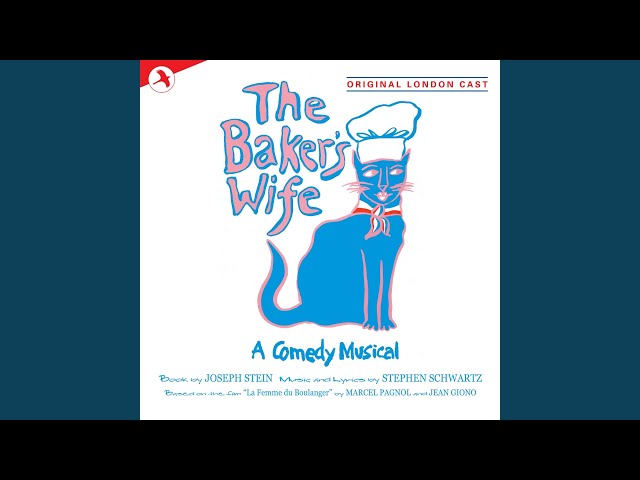
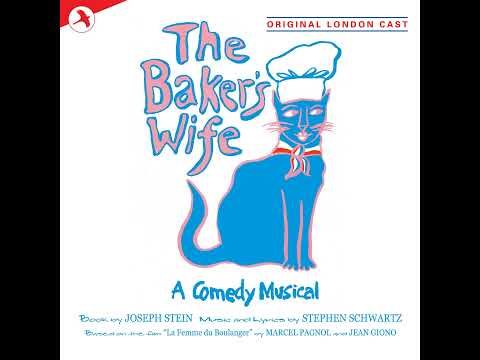
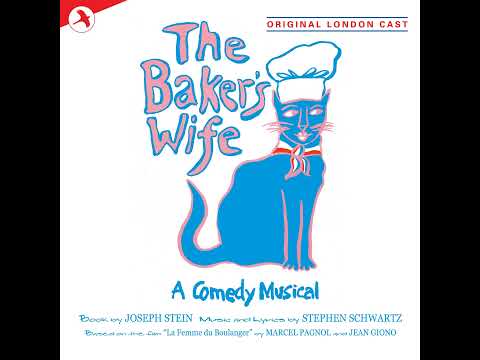
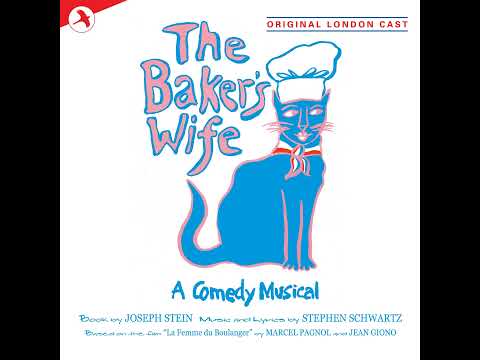
The Baker's Wife was written by Stephen Schwartz and Joseph Stein from the French source associated with Marcel Pagnol and Jean Giono. Ovrtur's 1976 song lists place "If I Have to Live Alone" in Act Two for Aimable, and the New York Public Library's 2026 textual history shows the title appearing across multiple draft stages of the musical, which suggests it was a stable pillar of the later score rather than a stray experiment. The preserved 1976 recording, remastered in 2014, lists Paul Sorvino singing the song at 3:07 as track 10. The original London cast album later preserved Alun Armstrong's version at 3:27. That second recording is especially useful because it helped keep the song circulating even when "Meadowlark" dominated the show's public afterlife.
Lyricist Analysis
Schwartz writes this lyric with admirable plainness. Aimable is not a man of ornament. He is not going to turn heartbreak into a myth or a flirtation. So the title tells you everything about the method. "If I Have to Live Alone" sounds like a sentence spoken slowly to oneself, half promise, half test. That kind of line can look simple on paper. Writing it well is harder than it seems.
The meter is steadier than the tipsy bounce of "Any-Day-Now Day." Here the line wants footing. It wants ground. The phrasing feels measured, as if Aimable is carefully placing one thought after another so he does not fall apart. Good instinct from Schwartz. The song gains weight by refusing verbal decoration.
Phonetically, the lyric leans on strong monosyllables and plain speech. That gives the number an almost hymnal honesty without turning it into a formal prayer. The emotional movement comes from endurance, not flourish. Aimable is not asking the audience to admire his pain. He is trying to survive it with some shred of self-respect intact.
Song Meaning and Annotations
Plot
Genevieve has left Aimable, and the village has finally grasped the seriousness of the damage. In earlier scenes, Aimable tried to cover his grief with hopeful talk, public performance, and a little drink. By the time this song arrives, that cover has worn thin. He is alone in the bakery, no longer protected by noise or company, and he looks directly at the possibility that Genevieve may never come back.
Song Meaning
The meaning is acceptance under protest. Aimable does not want solitude. He does not suddenly discover some noble love of loneliness. What he does discover is that if loneliness is what remains, he will have to meet it as a man and not as a wreck. That is the dignity inside the song. It is not triumphant. It is stubborn.
This is also why the number deepens the whole musical. Without it, Aimable might remain only the decent abandoned husband. With it, he becomes something richer - a man trying to build a moral response to private devastation. The bakery, the village, the marriage, all of it narrows into one human question: how do you continue when the life you counted on is gone?
Annotations
Alone inside the bakery, Aimable faces his future alone.
MTI's synopsis states the scene in plain language, and that plainness fits the song. No distractions. No subplots. Just a man and the future he did not ask for.
If I Have To Live Alone
The title is almost the whole lyric in miniature. It is conditional, reluctant, and steady at once. Aimable is not embracing isolation. He is bracing for it.
included in multiple draft stages
The NYPL textual history matters here because it shows the song surviving through the show's changing architecture. Songs were moved, replaced, restored, and retitled across versions, but this number keeps appearing. That says a lot about its structural importance.
Theme and message
The central theme is dignity in abandonment. Aimable's love does not vanish, but the song refuses to let love become theatrical collapse. The message is simple and severe: grief can humble a person without entirely erasing their self-command.
Mood and dramatic arc
The mood is hushed, wounded, and resolute. The arc moves from recognition toward a painful kind of steadiness. Not healing. Not peace. Just the first moment of trying to stand still inside the damage.
Style, rhythm, and instrumentation
Musically, the song sits closer to a reflective Broadway soliloquy than to a showstopper. The rhythm supports speech and thought rather than crowd energy. That makes the orchestration feel like support rather than spectacle. The line has room to breathe, and the silence around it does real work.
Cultural and historical touchpoints
Set in a French village but written by American musical-theater artists, the song shows how The Baker's Wife balances local color with universal emotional writing. Later productions kept it because Aimable needs one scene where his sorrow is not filtered through the villagers or Genevieve's choices. In the 2025 Classic Stage Company revival coverage, Aimable's torment remained a major talking point, and this number is one of the clearest reasons why.
Metaphors and key phrases
The title phrase is not metaphorical at all, and that is its strength. After a score full of village chatter, flirtation, fables, and public comedy, this song speaks in brick and bread language. Live alone. Face it. Go on. Sometimes the hardest line is the plainest one.
One reason the song is so affecting in performance is that it trusts understatement. Aimable does not break himself open for applause. He simply admits what may be true and tries to keep breathing through it. That is harder to sing than it sounds.
Technical Information (Quick Facts)
- Song: If I Have to Live Alone
- Artist: Paul Sorvino on the preserved 1976 recording; Alun Armstrong on the original London cast recording
- Featured: Aimable solo
- Composer: Stephen Schwartz
- Producer: Dennis Anderson for the preserved 1976 recording
- Release Date: 1977 recording sessions for the 1976 material; remastered digital edition released January 8, 2014; London cast album released June 1, 1999
- Genre: Show tune, musical theater, character soliloquy
- Instruments: Orchestra
- Label: Bruce Yeko on the 2014 remaster; JAY Records for the London cast album
- Mood: Solemn, resilient, heartbroken
- Length: 3:07 on the 2014 remaster; 3:27 on the London cast album
- Track #: 10 on the 2014 remaster; 7 on the London cast album
- Language: English
- Album: The Baker's Wife (Members of 1976 Original Cast) [Remastered]; The Baker's Wife (Original London Cast)
- Music style: Reflective Broadway lament
- Poetic meter: Measured conversational phrasing with restrained lyrical lift
Frequently Asked Questions
- Who sings "If I Have to Live Alone" in the preserved 1976 recording?
- Paul Sorvino sings it as Aimable on the preserved 1976 recording later remastered in 2014.
- Who wrote "If I Have to Live Alone"?
- Stephen Schwartz wrote the music and lyrics, with Joseph Stein writing the book of The Baker's Wife.
- Where does the song appear in the show?
- It appears in Act Two after the church scene, when Aimable is left alone in the bakery to face the possibility of life without Genevieve.
- What is the song about?
- It is Aimable's attempt to imagine surviving abandonment with dignity, even while he is still deeply in love and deeply wounded.
- How is it different from "Any-Day-Now Day"?
- "Any-Day-Now Day" hides grief inside public optimism. "If I Have to Live Alone" drops the public mask and faces the grief directly.
- Did later versions of the show keep the song?
- Yes. Ovrtur documents it in the 1976 road material, the 1985 York version, the 1989 London production, the 2005 Paper Mill production, and other later stagings.
- Why does the song matter so much for Aimable?
- Because it gives him moral depth. He is no longer just the wronged husband. He becomes a person trying to answer pain without cruelty or collapse.
- Is there a notable later recording?
- Yes. Alun Armstrong recorded it for the original London cast album, and that version has an official YouTube topic upload.
- Was the song present in development drafts?
- Yes. The New York Public Library's 2026 textual history shows the title across multiple draft stages, which suggests it was a durable part of the score's structure.
- Did the song chart or win awards?
- No reliable song-specific chart or award history turned up in the sources checked.
Additional Info
- The New York Public Library's 2026 textual history is especially valuable here because it shows "If I Have To Live Alone" surviving across several script and score arrangements.
- The 1989 London cast recording helped keep the song alive for listeners who knew the score mainly through later audio editions rather than the 1976 road production.
- Unlike "Meadowlark," this number never became a pop theater calling card, but that lower profile is part of its strength. It lands inside the show like a hard truth instead of a recital trophy.
- The 2025 Classic Stage Company revival coverage put fresh focus on Aimable as one of the musical's richest roles, and songs like this are the reason why.
Key Contributors
| Entity | Type | Relationship |
|---|---|---|
| Stephen Schwartz | Person | Wrote music and lyrics for The Baker's Wife and "If I Have to Live Alone" |
| Joseph Stein | Person | Wrote the book for The Baker's Wife |
| Paul Sorvino | Person | Sang Aimable on the preserved 1976 recording |
| Alun Armstrong | Person | Recorded the song for the original London cast album |
| Aimable Castagnet | Work role | Sings the number while confronting life without Genevieve |
| Genevieve | Work role | Absent but central figure whose departure drives the song |
| Dennis Anderson | Person | Produced the preserved 1976 recording |
| JAY Records | Organization | Released the original London cast album |
Sources
Data verified via Stephen Schwartz's official show page, MTI's full synopsis, Ovrtur production and recording records, Apple Music, Shazam, Discogs, the New York Public Library's 2026 textual history, and 2025 Playbill revival coverage.