

A Night in the Ukraine Lyrics
A Night in the Ukraine
Coming shortlyThe Marx brothers
In their latest movie sensation!
The motion picture made for your delight
Is a night
In the Ukraine
The hit of hits and you?ll remember it's
The film they said could not be made!
The studio that brought you Grand Hotel
China Seas, Tarzan as well
Is soon to hit you with a moving picture
That?ll rock the new decade!
It's a smash!
Nothing less
A movie you will never forget
Is it big?
Yes, yes, yes
Or as they say in Russia
"Nyet, nyet, nyet"
Oh, Groucho, Harpo, Chico, you're a scream
What a team
Simply insane
The merry Marxes at their bouncy best
Wrecking Russia just like men possessed
Why it?s enough to make the East move West
Come see "A Night in the Ukraine"!
Yes, those howl-arious, fun-tastic clown princes are back
In a smile-a-minute song-sational musical mirth-quake
So for a laugh-time of a lifetime
See MGM?s "A Night in the Ukraine"!
Storming from the pages of The Mare
The best-selling play by Anton Chekhov
Russia's top gag writer
And just hear what one of Hollywood?s greatest stars
Miss Katharine Hepburn
Has to say about "A Night in the Ukraine"!
I'm terribly, terribly mad about the Marx brothers
Really I am, really
And I just couldn?t wait to see their new film
So I went home
What a cast!
What a show!
It's gonna have you glowing with glee!
Ha-ha-ha!
Ho-ho-ho!
And while we?re on the subject
Hee, hee, hee!
The motion picture you've been waiting for
You will roar 'till you?re in pain
You?ll howl and cackle at the knockabout
Shriek and bellow and guffaw and shout
You'll be so noisy that they?ll throw you out
Come see "A Night in the Ukraine"!
All next week, hey!
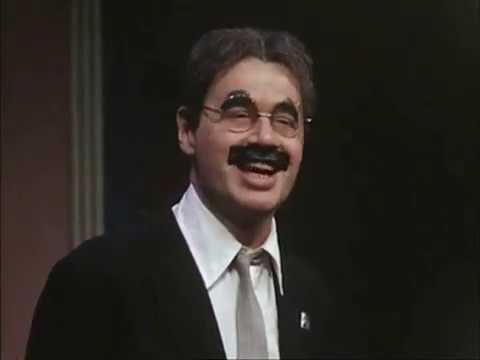
Song Overview
Review and Highlights
Quick summary
- Act 1 closer in the Hollywood half, sung by the company as a "coming attractions" bridge into Act 2.
- Establishes the second half's frame: Chekhov filtered through Marx Brothers rhythms, with a lobby-show host vibe.
- Written by Dick Vosburgh (words) and Frank Lazarus (music) and paired later with a short reprise at the end of Act 2.
- On the cast album, it is typically a short track (about 2 minutes), which suits its job: set the premise, then roll credits on Act 1.
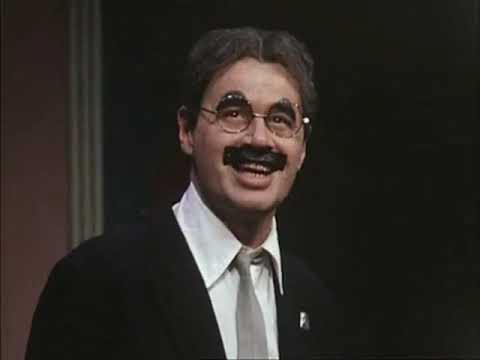
A Day in Hollywood / A Night in the Ukraine (1980) - stage musical - diegetic. Act 1 finale, following "Doin' the Production Code." The number functions like a trailer for Act 2: it announces the setting, the comic style, and the basic shape of the farce, so the audience can reset their expectations in one brisk burst.
This is a title song that does not try to be a star turn. It is closer to a marquee: bright lights, a promise, a wink from the lobby. After a run of Hollywood-era pastiche and that tap-driven censorship routine, the show needs a clean pivot. The trick is to make the pivot feel like entertainment, not housekeeping. So the music behaves like a genial announcer - quick tempo, easy hook, and a refrain that sells the phrase as if it were a postcard.
On stage, it also sets the comedic contract. Act 2 is not Russia as history, but Russia as a movie set where a Groucho figure can talk his way into trouble and a Harpo figure can solve problems without speaking. According to StageAgent's show notes, the second half retools Chekhov's one-act play The Bear into a Marx Brothers-style film parody, and this title number is the on-ramp.
Creation History
The writers built the show as a "musical double feature" that travels from a cinema-lobby revue to a fully staged farce. Production records place the Broadway opening in 1980, and published song lists include this title number at the end of Act 1, with a reprise later in Act 2. A recent obituary in The Guardian sketches how the Lazarus-Vosburgh partnership moved the piece from a small London venue to the West End and then Broadway, which helps explain why the number plays like a well-tested transition: it is crafted for clarity, for laughs, and for momentum.
Song Meaning and Annotations
Plot
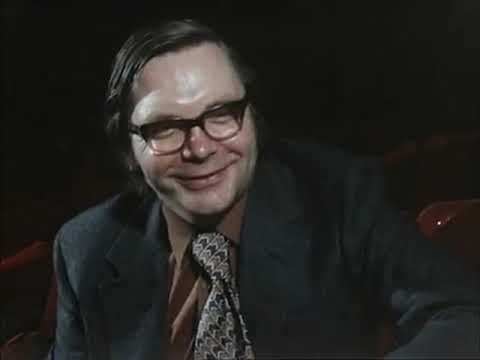
Act 1 is a guided tour through Hollywood fantasy, staged as a lobby revue at Grauman's Chinese Theatre. The cast sells the audience on the joys of old movies, then punctures the gloss by showing how the rules were enforced. This title number closes the act by previewing the second feature: a boisterous, movie-style adaptation of Chekhov, set in a Ukrainian household before the Revolution, where a lawyer arrives to collect a debt and chaos does the rest.
Song Meaning
The meaning is practical and theatrical: "Here is where we are going next." But there is a sharper edge inside that practicality. The show has been arguing that movies manufacture memory. Now it manufactures a whole other movie in front of you, with the cast inviting you to treat the second half as a screen comedy happening live. The title phrase becomes a sales pitch for the genre change, and the audience is meant to enjoy the shamelessness of the pitch.
Annotations
-
"The snow was heavy but my heart was light"
A neat little vaudeville contrast. It signals the second half's tone: hardship exists, but the show will skate past it with jokes and rhythm.
-
"Okay, Chico, now it's your turn"
The number is not shy about its engine. It names the Marx Brothers template, turning character types into a running gag the audience can track.
-
"Said Samovar the lawyer"
Introducing the Groucho figure inside the title song is a smart shortcut. The plot needs a spark plug, and the lyric hands you the spark plug by name.
Style and rhythm
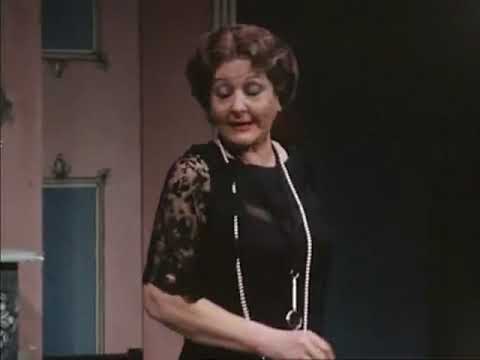
The writing leans toward patter and ensemble bounce rather than long melodic lines. That fits its job: deliver information fast, keep the audience laughing, and end Act 1 with a clean button. The refrain behaves like a movie-house slogan, and the orchestration often supports that with clear accents and brisk punctuation.
Emotional arc
The arc is less confession, more show-business control. It starts as an announcement, picks up energy as character types are named and teased, then ends with a seal of approval on the second feature. The reprise later in the evening flips the function: it becomes a curtain-call stamp, a final reminder of the movie parody frame.
Cultural touchpoints
The title number is built on two cultural shortcuts: classic cinema "trailers" and the Marx Brothers comedy vocabulary. You do not need deep Chekhov knowledge to get the joke. You just need to recognize that the show is about to get louder, faster, and more anarchic.
Technical Information (Quick Facts)
- Artist: Original Broadway Cast ensemble
- Featured: Company
- Composer: Frank Lazarus
- Lyricist: Dick Vosburgh
- Release Date: May 1, 1980 (Broadway opening reference); January 1, 1991 (widely listed catalog release for a DRG edition)
- Genre: Musical theatre; comedy patter; ensemble transition number
- Instruments: Pit orchestra; ensemble vocals
- Label: DRG Records
- Mood: Brisk, promotional, comic
- Length: About 2:17 on common cast-album listings
- Track #: Often listed as track 8 on the cast album sequence
- Language: English
- Album (if any): A Day in Hollywood / A Night in the Ukraine (Original Broadway Cast Recording)
- Music style: Title-theme button that previews Act 2's farce frame
- Poetic meter: Accentual patter and refrain-driven phrasing
Frequently Asked Questions
- Is this the start of Act 2 or the end of Act 1?
- In standard song lists, it closes Act 1 as a preview for the second half, then returns later as a short reprise near the end.
- What is the number trying to accomplish in two minutes?
- Set the premise, introduce the comic film frame, and get the audience ready to watch a different kind of show after intermission.
- Why does it feel like an announcement instead of a character ballad?
- Because it functions like a trailer. The writing favors clear cues and punchy refrains over long personal storytelling.
- Is the "Ukraine" setting treated historically?
- Not in a documentary sense. The second half uses the setting as a movie parody playground, with broad character types and fast comic timing.
- How does Chekhov fit into something this silly?
- The Bear supplies the skeleton: a widow, a debt, and a visitor who will not leave. The show adds Marx Brothers-style chaos on top.
- Do you need to know Marx Brothers films to follow it?
- No, but it helps. The number signals the template so the audience can enjoy the imitation even without specific references.
- Is there a standout line that explains the tone?
- Lines that name a "Chico" turn make the joke plain: this is stage comedy pretending to be a screen comedy.
- Does the cast album treat it as a full song?
- It is usually short on recordings, which matches its stage purpose as a transition and premise-setter.
- What is the reprise doing at the end?
- It works like a final stamp: the film parody has played, the mess has resolved, and the title phrase returns as a curtain button.
- Who wrote the number?
- Dick Vosburgh and Frank Lazarus, the show's principal lyricist and composer.
Awards and Chart Positions
The title number itself is not documented as a standalone chart single. Its visibility comes from the show being a well-awarded season player. Production records list a London award for comedy, and Broadway records show multiple Tony nominations with wins for featured performance and choreography.
| Year | Item | Category | Result |
|---|---|---|---|
| 1979 | A Day in Hollywood / A Night in the Ukraine | Evening Standard Theatre Awards - Best Comedy | Won |
| 1980 | A Day in Hollywood / A Night in the Ukraine | Tony Awards - Best Featured Actress in a Musical (Priscilla Lopez) | Won |
| 1980 | A Day in Hollywood / A Night in the Ukraine | Tony Awards - Best Choreography (Tommy Tune and Thommie Walsh) | Won |
| 1980 | A Day in Hollywood / A Night in the Ukraine | Tony Awards - Best Musical | Nominated |
Additional Info
Because the show calls itself a double feature, this number is the moment where the metaphor becomes staging. You can feel the audience recalibrating: less swoon, more wisecrack. In a good performance, the cast delivers it with the confidence of cinema staff who have done this spiel a hundred times, and that confidence is part of the joke. The show is telling you, gently, that all entertainment comes with a frame. Here is the next one.
The title has also gathered a separate layer of lore through the show's real-world afterlife. The second half's Marx Brothers imitation was close enough to spark a right-of-publicity dispute, turning a stage spoof into a legal headline. That sort of backstage echo makes the number feel even more like a "trailer": comedy first, paperwork later.
Key Contributors
| Subject | Relation | Object | Notes |
|---|---|---|---|
| Dick Vosburgh | wrote book and lyrics for | A Day in Hollywood / A Night in the Ukraine | Shaped the double-feature structure and the parody frame for Act 2. |
| Frank Lazarus | composed | A Night in the Ukraine | Built the title-theme transition and the Act 2 score language. |
| Anton Chekhov | wrote | The Bear | Source play that Act 2 retools into a screen-comedy pastiche. |
| Tommy Tune | directed and co-choreographed | Broadway production | Broad physical comedy and crisp pacing help the transitions read. |
| Thommie Walsh | co-choreographed | Broadway production | Co-choreography credit for the Broadway staging. |
| DRG Records | released | Original Broadway Cast Recording | Label associated with the cast album and later catalog editions. |
| Internet Broadway Database | documents | song list and production dates | Lists the setting and the Broadway run timeline. |
Sources
Sources: Internet Broadway Database production page, IBDB tour song list, Wikipedia show entry, StageAgent show notes, Discogs cast-album track list, Spotify track listing, Concord Theatricals show page, The Guardian obituary for Frank Lazarus