

Nelson Lyrics
Nelson
My heart, my love, my life is his aloneBut if, but if, but if the truth be known
My hero must stand on a box in our love scenes
God, does he act like a lox in our love scenes
Nelson, what your putting me through
And all of his notes above B flat verbotten
And all of his notes below B flat are rotten
Oh, Nelson, Don't call me, I'll call you
His love making casts such a pall
It's not hard to sleep through at all
His vocal chords carry insurance by Lloyd's and so I might add, should his adenoids
The lights wilt his hairdo on camera he'll primp and quite frankly, his hair isn't all that goes
limp.
Darling Nelson
How incredibly boring, that's not singing it's snoring!
What your putting me through!
A picture of strength, and good breeding.
of course and of passion and warmth, (I'm discussing his horse)
Darling Nelson, don't call me, I'll call you
A symbol of virtue and class
America's sweethearts my ass "A pair made in heaven," the fans love to say
but each time we kiss I swear that he's gay.
In film after film after film I betrothed him, we snuggled and smooched,
and oh God, how I loathed him.
My Nelson,
oh so calming you'll never need embalming
Oh Nelson, what you're putting me through!
Song Overview

"Nelson" is one of the added Jerry Herman numbers that helped Broadway-ize A Day in Hollywood / A Night in the Ukraine. It plays like a satin postcard from the early talkie era: romantic, a little ridiculous, and smart enough to know that the audience is in on it. According to IBDB, Herman contributed this song (music and lyrics) to the Broadway song list.
Review and Highlights
Quick summary
- Where it appears: Act 1, after "I Love a Film Cliche," inside the Hollywood cinema-usher framing.
- Songwriter: Jerry Herman (music and lyrics).
- Who leads it on the cast album: Peggy Hewett.
- What kind of number: comic-romantic specialty that imitates old movie-operetta devotion without turning mean.
- What it spoofs: the show’s running fascination with screen idols and the way audiences once treated them like royalty.
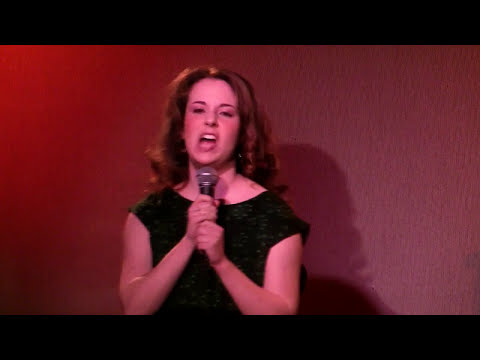
This is Herman doing a quiet flex: he writes a love song that is also a punchline, and he lets the performer decide how sharp the edge should be. The melody behaves like an old-fashioned swoon, but the dramatic situation keeps tugging the rug. If you play it too arch, it collapses into mugging. If you play it sincerely, it becomes funny in the way a perfectly overripe genre can be funny.
The real trick is how the number resets the revue temperature. Act 1 opens with bright salesmanship, then slips into cliches and name-drops. "Nelson" pauses that bustle for a few minutes of mock rapture. It is a breather, but not a nap.
Key takeaways: a precision comic ballad, a performer showcase, and a small lesson in the show’s affection-first attitude toward Hollywood mythology.
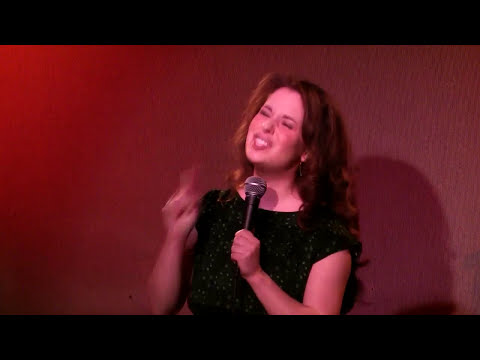
A Day in Hollywood / A Night in the Ukraine (May 1, 1980) - stage musical - diegetic. Act 1, sung as part of the movie-palace-usher revue, following "I Love a Film Cliche." On the original cast album sequence, it begins at about 11:31 and lands near 14:44, depending on release timings. The placement matters because it shifts the evening from fast catalogue humor to a focused character moment before the medley engine resumes.
Creation History
Broadway did not simply import the London evening and call it a day. As stated in a Theater Pizzazz review, Tommy Tune wanted extra fuel and leaned on Jerry Herman for additional songs, including this one. That context explains why "Nelson" feels like a carefully planted audience-pleaser: it is built to read quickly, even if you do not catch every reference.
Song Meaning and Annotations
Plot
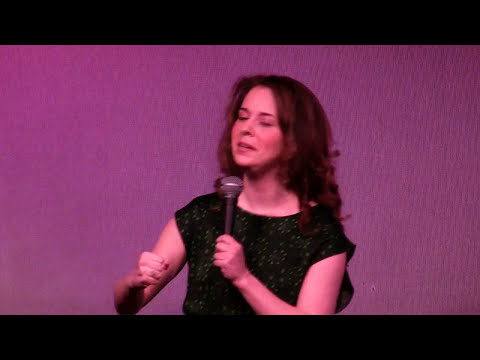
Act 1 frames the performers as ushers at a famed Hollywood movie palace, presenting a sequence of period-style turns. "Nelson" is one of the featured moments: a single voice steps forward and turns movie-idol worship into a theatrical scene.
Song Meaning
The song is about devotion, but the show treats devotion as performance. In other words, it is not simply love - it is love as a genre, love as a camera angle, love as a practiced posture. The singer leans into screen-era romance so fully that the audience can both admire the commitment and laugh at the scale of the crush.
The subtext is the Hollywood bargain: you rent a fantasy, you fall for it, and you know it is rented. This number sings that bargain with a straight face and lets the audience supply the wink.
Annotations
My heart, my love, my life is his alone.
The opening line (as printed in licensed sheet music previews) is shamelessly operetta-coded. It sets up the joke by refusing to soften the sentiment. The singer is not flirting - she is declaring.
Nelson Eddy (who?) got all its laughs
A Theater Pizzazz review, looking back on a modern revival, calls out the reference that can sail past a contemporary crowd. The point is not that you must know the names. The point is that the song imitates a kind of movie romance associated with Jeanette MacDonald and Nelson Eddy, and imitation is legible even when the trivia is not.
Style, rhythm, and arc
This is a ballad shaped by parody, not a parody shaped by ballad. The emotional arc climbs the way a classic screen love song climbs: wider vowels, longer phrases, more breath on the line. The comedic release comes from the gap between that grand style and the modest reality of a stage revue.
Images and cultural touchpoints
The Hollywood half of the show is a museum that moves. "Nelson" is one of the glass cases: it preserves a specific kind of star worship, the kind that turned singers into icons and icons into personal companions. You can hear the audience recognizing the behavior even if the names are new to them.
For the complete text, use licensed editions and authorized recordings. This page stays with commentary and brief excerpts.
Technical Information (Quick Facts)
- Artist: Peggy Hewett (Original Broadway Cast)
- Featured: Featured female vocal; character commonly listed as Mrs. Pavlenko in song guides
- Composer: Jerry Herman
- Producer: Hugh Fordin (cast recording)
- Release Date: January 1, 1991 (album digital listing date on Apple Music; original recording year documented as 1980)
- Genre: Musical theatre
- Instruments: Theatre pit orchestra; published piano-vocal-chords edition
- Label: DRG Records
- Mood: Romantic-comic, affectionate spoof
- Length: About 3:13 to 3:17 (varies by catalog listing)
- Track #: 4 on the Original Broadway Cast recording sequence
- Language: English
- Album (if any): A Day in Hollywood / A Night in the Ukraine (Original Broadway Cast Recording)
- Music style: Old-film operetta pastiche with Broadway clarity
- Poetic meter: Mixed meter shaped to speech and sustained phrases
Frequently Asked Questions
- Who wrote the song?
- Jerry Herman wrote both music and words for this number, one of the Broadway additions to the score.
- Where does it appear in the show?
- It is placed in Act 1 of the Hollywood half, following "I Love a Film Cliche" in documented song lists.
- Who sings it on the original cast recording?
- Cast recording documentation lists Peggy Hewett as the featured vocalist for the track.
- Which character is associated with it?
- Song guides often assign it to Mrs. Pavlenko, the role Peggy Hewett plays in the second half, while the staging frame still treats the company as movie-palace ushers in Act 1.
- What is being spoofed?
- The number imitates screen-era operetta romance, commonly linked with the Jeanette MacDonald and Nelson Eddy style of movie pairing.
- Do I need to know the reference names to get the joke?
- No. The humor sits in the performance of grand devotion. Recognition adds seasoning, but the dish still works.
- Is there a licensed printed edition?
- Yes. Digital sheet music listings include the song with piano-vocal-chords scoring and credit Herman as composer and lyricist.
- What key and range are commonly listed?
- Licensed sheet music metadata lists Bb major and a vocal range from G3 to F5.
- Is it a good audition piece?
- It can be, if you enjoy playing sincerity inside parody. The comic value comes from clean phrasing and truth in the line, not from winking at every bar.
- Does it have notable recordings beyond the cast album?
- Yes. "Nelson" appears in the Jerry Herman revue Jerry's Girls, including a recording associated with Carol Channing.
Awards and Chart Positions
The track is a theatre artifact rather than a pop-chart item. The production, however, has a clear awards trail. According to Concord Theatricals and IBDB, the Broadway run won Tony Awards for Featured Actress and Choreography, with additional nominations including Best Musical, Best Book, and Best Original Score.
| Award | Year | Category | Result |
|---|---|---|---|
| Tony Awards | 1980 | Best Performance by a Featured Actress in a Musical | Won |
| Tony Awards | 1980 | Best Choreography | Won |
| Tony Awards | 1980 | Best Musical | Nominated |
| Tony Awards | 1980 | Best Book of a Musical | Nominated |
| Tony Awards | 1980 | Best Original Score | Nominated |
How to Sing Nelson
The published metadata gives you a workable map: Bb major, listed tempo marking "Rubato" with a metronome note of q = 120, and a range of G3 to F5. That combination suggests the acting sits in the time-stretching, while the musical line stays organized underneath.
- Tempo first: treat rubato as character, not as drift. Pick two or three spots for breathing space, and keep the rest moving.
- Diction: sing the consonants like you are selling a close-up. The comedy reads when the text stays clean, even on long vowels.
- Breath plan: mark breaths before each new idea, not just before high notes. This song wants phrases that sound like one thought.
- Flow and rhythm: maintain a gentle pulse under the legato. Think "old film soundtrack" rather than "recital hall."
- Accents: highlight the most extravagant declarations with a slightly brighter tone, not extra volume. Excessive power can flatten the joke.
- Acting choice: decide what the singer sees. If the object of affection is an idol, a photo, a cardboard cutout, or a memory, play that focus consistently.
- High notes: approach F5 with forward placement and easy jaw. Let the thrill come from ease, not push.
- Common pitfalls: too much wink, too much rubato, or treating parody as permission to ignore pitch. Keep it honest and the room will laugh.
Additional Info
The afterlife of this song is not limited to the original show. It migrated into Jerry's Girls, where the reference becomes part of a Herman museum tour, and a cast recording track list places it in a context built around his catalogue.
I also like how the number doubles as a tiny history lesson. A modern reviewer can admit the audience may not catch the Jeanette MacDonald and Nelson Eddy reference, and still report that the laugh arrives. That is a sign the writing is doing its job.
Key Contributors
| Entity | Relation | Statement |
|---|---|---|
| Jerry Herman | composer-lyricist | Jerry Herman wrote the music and lyrics for "Nelson". |
| Peggy Hewett | performer | Peggy Hewett leads the track on the Original Broadway Cast recording. |
| Hugh Fordin | producer | Hugh Fordin is credited as producer for the cast recording documentation. |
| Tommy Tune | director-choreographer | Tommy Tune directed and co-choreographed the Broadway production and brought in added songs. |
| Dick Vosburgh | book-lyricist | Dick Vosburgh wrote the book and the main lyric framework for the show. |
| Frank Lazarus | composer | Frank Lazarus composed the show’s primary score material and performed in the Broadway cast. |
| Wally Harper | music director | Wally Harper served as musical director and handled vocal arrangement work in production documentation. |
| DRG Records | label | DRG Records issued the Original Broadway Cast recording releases and reissues. |
| Concord Theatricals | licensing organization | Concord Theatricals licenses the show and lists music samples including "Nelson". |
| Grauman's Chinese Theatre | setting reference | Grauman's Chinese Theatre is named as the Hollywood-half setting in production records. |
| Jeanette MacDonald | reference target | Jeanette MacDonald is referenced in commentary as part of the spoofed screen-romance style. |
| Nelson Eddy | reference target | Nelson Eddy is referenced in commentary as the romantic idol being spoofed. |
| Jerry's Girls | related work | Jerry's Girls includes "Nelson" in its song list and recordings. |
Sources
Sources: IBDB Broadway production record, IBDB tour production song list, CastAlbums.org recording entry, Concord Theatricals show page and music samples, Musicnotes song listing and metadata, Apple Music album listing for the cast recording, Theater Pizzazz review (March 1, 2022), Jay Records track listing for Jerry's Girls, Wikipedia production and awards summary.