Music Man, The Lyrics – All Songs from the Musical
Music Man, The Lyrics: Song List
- Act 1
- Rock Island
- Iowa Stubborn
- Ya Got Trouble
- Piano Lesson
- Goodnight My Someone
- Seventy Six Trombones
- Sincere
- The Sadder-But-Wiser Girl For Me
- Pick-A-Little / Goodnight Ladies
- Marian The Librarian
- My White Knight
- Wells Fargo Wagon
- Act 2
- It's You
- Shipoopi
- Lida Rose
- Will I Ever Tell You
- Gary, Indiana
- Till There Was You
- Finale
About the "Music Man, The" Stage Show
Release date: 1957
"The Music Man" – The Musical Guide & Song Meanings
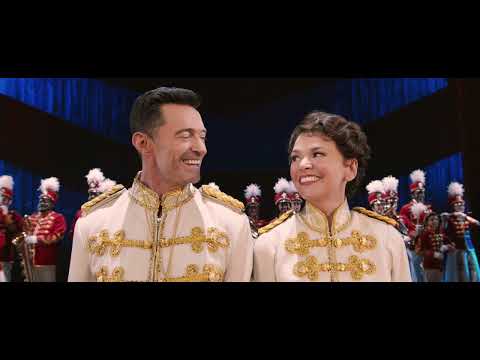
Review: what the lyrics are really selling
How do you write a musical about a scam and still send the crowd home humming like they just joined the parade? Meredith Willson’s trick is that he never treats language as decoration. The words are the engine. River City is built on talk: sales talk, church talk, civic talk, and the lethal small-town variant, talk-a-little. Every major turn of the plot happens because somebody phrases an anxiety into existence, then repeats it until it feels like fact.
The lyrics aren’t merely clever. They are tactical. Harold Hill’s patter works like a legal brief delivered at sprint speed. The Pick-a-Little ladies weaponize half-sentences and shared assumptions. Marian’s ballads, by contrast, keep reaching for complete thoughts, as if the full stop itself is a moral position. Willson’s style fuses barbershop consonance, march rhetoric, and conversational rhythm, so the score can flip from civic pageantry to intimate confession without changing the town’s dialect. The show’s central theme is persuasion: who gets to define what “trouble” is, and who profits once the label sticks.
Editorial note on method: this guide prioritizes primary production documentation (official synopses and production records), then major critical reviews, then specialist reference catalogs for recordings. When a point is interpretive, it is framed as interpretation, not reportage.
How it was made
“The Music Man” began as a memory project with teeth. Willson pulled from his Iowa boyhood and kept worrying the material for years, shifting formats and partners until it could survive Broadway’s appetite for speed and clarity. The collaboration with Franklin Lacey helped shape the book into something sturdier than nostalgia, and Willson’s own experience as a working musician is all over the writing: he composes dialogue the way other people compose melodies, with internal rhythm doing half the storytelling.
The best behind-the-scenes detail is also the most revealing. Willson considered cutting a long chunk of dialogue about parental panic in River City, then realized it sounded like lyrics. It became “(Ya Got) Trouble,” the show’s thesis statement disguised as a sales pitch. And the title of his own making-of memoir says the quiet part out loud: the writing process was a fight with craft, momentum, and gatekeepers who kept insisting the territory was wrong. The finished musical still carries that chip on its shoulder, which is why the comedy has bite instead of quaintness.
Key tracks & scenes
"Rock Island" (Salesmen, Charlie Cowell)
- The Scene:
- A train car on the morning of July 4, 1912. Bodies sway with the track. The rhythm sounds like wheels and bad coffee. Faces are half-lit, as if the fluorescent future is arriving early.
- Lyrical Meaning:
- This is a chorus of professionals trying to police their own image. The lyrics move like a rumor passing seat to seat, and Harold Hill is already a myth before he enters. The song teaches you the show’s rules: language travels faster than ethics, and a town can be sold before it is even seen.
"(Ya Got) Trouble" (Harold Hill)
- The Scene:
- Main Street and the billiard parlor. A new pool table is wheeled in like contraband. Hill clocks the crowd, then turns the air into a courtroom, pointing, pacing, building to a civic fever.
- Lyrical Meaning:
- The lyrics are fear marketing in perfect meter. Hill doesn’t discover a problem; he names one, capitalizes it, and provides a single vendor-approved cure. Listen to how often he repeats the town’s own self-image back at them. He wins by sounding like their conscience while acting like their invoice.
"Goodnight, My Someone" (Marian Paroo)
- The Scene:
- Marian alone, after the day’s noise. The light narrows. The town’s chatter fades and you finally hear the inner monologue of the person who reads for a living.
- Lyrical Meaning:
- Marian’s lyric posture is radically different from Hill’s. She searches, revises, admits uncertainty. It is longing without a sales plan. The melody later returns in a new tempo, turning private desire into public spectacle, which is the show’s sweetest, most unnerving joke.
"Seventy-Six Trombones" (Harold Hill)
- The Scene:
- The high school gym during the Fourth of July program. Patriotic costumes, a mayor mid-oration, a room ready to be bored. Hill hijacks the space and turns it into a marching dream, with bodies filling the floor in widening circles.
- Lyrical Meaning:
- It is a recruitment anthem and a blueprint for communal imagination. The lyric sells an image so vivid that it becomes memory on the spot. Willson writes the town’s longing for importance as if it were instrumentation: loud, bright, and just plausible enough to purchase.
"Pick-a-Little (Talk-a-Little)" (Eulalie and the Ladies)
- The Scene:
- A cluster of women closing ranks, gossip moving in tight harmonies. The staging often leans into precision: heads tilt together, fingers wag, syllables snap like sewing scissors.
- Lyrical Meaning:
- This is Hill’s mirror image. The ladies are also salespeople, except their product is social enforcement. The lyric structure mimics surveillance: quick accusations, shared refrains, the comfort of certainty. In River City, rumor is a civic institution.
"Marian the Librarian" (Harold Hill)
- The Scene:
- The library, where flirtation has to stay quiet enough to avoid the shush. Hill weaponizes silence: he threatens chaos, then choreographs restraint. Readers and kids glide in a soft-shoe ballet between shelves.
- Lyrical Meaning:
- Hill’s lyric voice turns into a spotlight. He names Marian as if naming creates intimacy. The number is persuasion dressed as romance, and the show is honest about that. He is practicing a pitch, yet the cadence starts betraying real fascination.
"Shipoopi" (Marcellus, Harold, Marian, Teens)
- The Scene:
- The school gym shifts from civic space to teen territory. Energy spikes. Adults are not invited. The choreography usually reads as a permission slip for the whole cast to breathe.
- Lyrical Meaning:
- In the story, the lyric is a pop lesson in who gets chosen and why. In performance history, it is also the number directors keep tweaking to match the decade’s social vocabulary. Either way, it exposes the town’s matchmaking logic as something learned, not natural.
"Till There Was You" (Marian Paroo, Harold Hill)
- The Scene:
- The footbridge, the town’s designated romance location. The stakes are suddenly adult. The light warms, the band thins, and the con finally meets a person who has been reading him closely.
- Lyrical Meaning:
- This lyric is deceptively simple: it doesn’t argue, it remembers. Marian reframes her life as before and after, which is a frightening amount of power to hand a stranger. When Harold echoes the tune later, it lands as proof that the pitchman has started telling on himself.
Live updates (2025/2026)
The current headline is the road. Big League Productions’ new “The Music Man” launches a 100-city U.S. national tour in January 2026, with opening dates in Springfield, Missouri. The published itinerary is already doing the show’s favorite trick: selling nostalgia with a real-world map, including a stop in Mason City, Iowa, where Willson’s hometown mythology has always been part of the brand.
For Broadway watchers, the most recent New York chapter was the star-led revival that played the Winter Garden Theatre and closed January 15, 2023 after repeatedly extending its run. It was a heavy earner during its stretch, which matters because “The Music Man” is the rare classic whose box-office logic mirrors its plot: a charismatic front man, a big public promise, and crowds happy to join the parade.
Tour tip for buyers: because many venues route sales through local presenters, pricing and seat maps vary city to city. Use the tour’s official date list to jump to the correct presenting organization.
Notes & trivia
- Willson wrote the music and lyrics and co-wrote the book with Franklin Lacey, a one-stop authorship rarity for a Broadway hit.
- The original Broadway production opened December 19, 1957 and ran 1,375 performances.
- Willson reportedly transformed a draft dialogue passage into “(Ya Got) Trouble,” which is why the number feels like speech with a brass section attached.
- “Goodnight, My Someone” shares its core melody with “Seventy-Six Trombones,” shifting the same tune from private yearning to public pageant.
- The original cast recording was released January 20, 1958 on Capitol and became a long-running chart fixture, later honored by the Recording Academy and the Library of Congress.
- “Till There Was You” is widely known beyond musical theater, including a famous Beatles recording that helped push the song into pop standards territory.
- The 2026 national tour lists a Mason City, Iowa engagement, a tidy piece of geographic fan service for a show built from Iowa memory.
Reception
Critically, “The Music Man” has always lived in a productive argument: is it a warm portrait of American community, or a sharper comedy about how easily community can be played? Early reviewers leaned toward affection, though not naivete. Modern reviews, especially of big revivals, tend to press harder on the con itself: what the show admits, what it smooths over, and what it chooses to keep dancing past.
“A warm and genial cartoon of American life.”
“For a revival … the new Broadway production … seems oddly lacking in confidence.”
“In other words, it’s a high-energy con worthy of Harold Hill.”
Quick facts
- Title: The Music Man
- Year: 1957 (Broadway premiere)
- Type: Musical comedy
- Book / Music / Lyrics: Meredith Willson
- Book collaborator: Franklin Lacey
- Setting: River City, Iowa, July 1912
- Original Broadway opening: December 19, 1957 (Majestic Theatre)
- Original cast recording: Released January 20, 1958 (Capitol Records)
- Selected notable placements: “Rock Island” (train opening); “Trouble” (pool-table panic pitch); “Marian the Librarian” (library soft-shoe); “Till There Was You” (footbridge confession)
- Recent major production context: Broadway revival closed January 15, 2023 (Winter Garden Theatre)
- Current status: New 100-city U.S. national tour announced for January 2026 (Big League Productions)
Frequently asked questions
- Who wrote the lyrics in “The Music Man”?
- Meredith Willson wrote the lyrics, and he also wrote the music and co-wrote the book, which helps explain the unusually tight link between dialogue rhythm and melodic rhythm.
- Where does “(Ya Got) Trouble” happen in the story?
- Hill spots the town’s new pool table and turns it into evidence of moral crisis, pitching a boys’ band as the cure and whipping the crowd into agreement.
- Why do “Goodnight, My Someone” and “Seventy-Six Trombones” sound related?
- They are built from the same melodic DNA, reframed by tempo and context so the show can connect Marian’s private longing to Hill’s public spectacle.
- Is “Till There Was You” the song the Beatles recorded?
- Yes. The song traveled far beyond the stage, and the Beatles’ version is one reason it lives as a pop standard as well as a theater ballad.
- Is “The Music Man” touring in 2026?
- Yes. A new national tour has been announced as a 100-city run beginning in January 2026, with dates published by venue and city.
- Is there a movie version?
- Yes. The best-known screen adaptation is the 1962 film, which helped cement several numbers as household-name standards.
Key contributors
| Name | Role | Contribution |
|---|---|---|
| Meredith Willson | Composer / Lyricist / Book (co-author) | Wrote the score and lyrics, shaping the show’s signature blend of patter, barbershop, and marching-band Americana. |
| Franklin Lacey | Book (co-author) | Helped refine and structure the script as the project moved toward Broadway. |
| Big League Productions | Producer (2026 tour) | Launching the new U.S. national tour with a published multi-city routing plan. |
| Matt Lenz | Director (2026 tour) | Staging the tour production with an emphasis on classic musical-comedy mechanics. |
| Joshua Bergasse | Choreographer (2026 tour) | Building the dance vocabulary that carries the show’s group-energy numbers. |
| Santo Loquasto | Costume Designer (original Broadway & tour) | Costume framework connecting a modern tour to a Broadway design legacy. |
| Ken Billington | Lighting Designer (2026 tour) | Lighting architecture for the show’s quick pivots between civic spectacle and private scenes. |
| Kristin Stowell | Music Supervisor (2026 tour) | Overseeing musical standards for a score where diction and tempo are plot devices. |
| Thomas Fosnocht | Music Director / Orchestrator (2026 tour) | Maintaining the band-driven spine of the orchestration while supporting touring realities. |
| Elliott Andrews | Performer (2026 tour) | Listed as Harold Hill for the national tour. |
| Elizabeth D’Aiuto | Performer (2026 tour) | Listed as Marian Paroo for the national tour. |
Sources: The Music Man Tour (official site), Playbill, IBDB, Music Theatre International, North Shore Music Theatre synopsis, Olney Theatre Center, Time Out, The Guardian, Commentary, The Beatles (official site), Billboard.