You'll Never Leave Harlan Alive Lyrics
You'll Never Leave Harlan Alive
In the deep, dark hills of eastern KentuckyThat's the place where I trace my bloodline
And it's there I read on a hillside gravestone
"You will never leave Harlan alive"
Well my grandad's dad walked down Katahrin's Mountain
And he asked Tillie Helton to be his bride
He said, "Won't you walk with me out
Of the mouth of this holler
Or we'll never leave Harlan alive"
(Chorus:)
Where the sun comes up about ten in the morning
And the sun goes down about three in the day
And you fill your cup with whatever bitter brew you're drinking
And you spend your life just thinking how to get away
No one ever knew there was coal in them mountains
'Till a man from the northeast arrived
Waving hundred dollar bills,
He said "I'll pay you for your minerals"
But he never left Harlan alive
Well Granny, she sold out cheap
And they moved out west of Pineville
To a farm where Big Richland River winds
And I'll bet they danced them a jig,
And they laughed and sang a new song
"Who said we'd never leave Harlan alive?"
But the times,
They got hard and tobacco wasn't selling
And old Granddad knew what he'd do to survive
Well he went and dug for Harlan coal
And sent the money back to Granny
But he never left Harlan alive
(Chorus:)
Where the sun comes up about ten in the morning
And the sun goes down about three in the day
And you fill your cup with whatever bitter brew you're drinking
And you spend your life just thinking how to get away
And the sun comes up about ten in the morning
And the sun goes down about three in the day
And you fill your cup with whatever bitter brew you're drinking
Spend your life diggin' coal from the bottom of your grave
In the deep, dark hills of eastern Kentucky
That's the place where I trace my bloodline
And it's there I read on a hillside gravestone
"You will never leave Harlan alive"
Song Overview
Review and Highlights
Quick summary
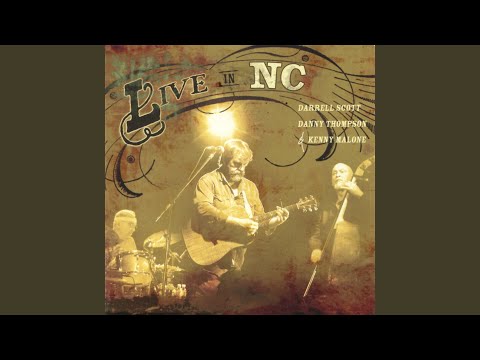
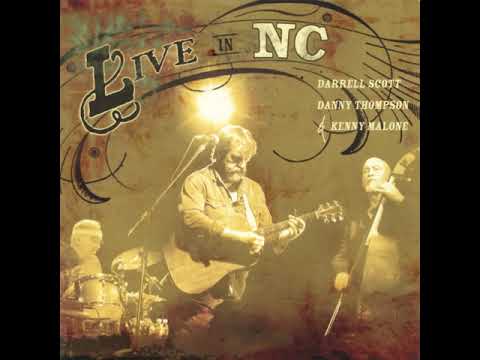
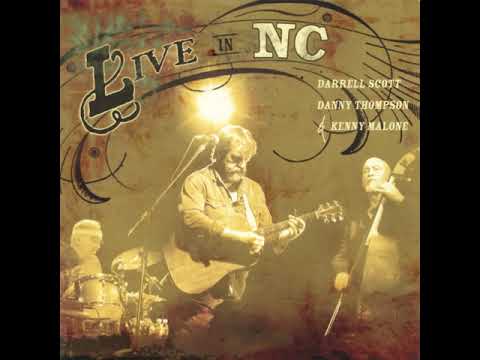
- Writer: Darrell Scott, first released on his 1997 debut album Aloha from Nashville.
- Signature theme: a multigenerational Appalachian story shaped by coal, debt, and gravity you can feel in the scenery.
- Best-known recordings: Darrell Scott (1997), Patty Loveless (2001), Brad Paisley (2001), Kathy Mattea (2008).
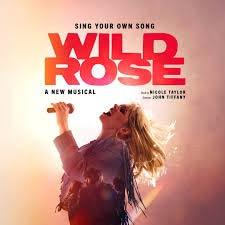
- Stage use: appears in Act 2 of Wild Rose (Edinburgh premiere, 2025), often associated with Patty Loveless in press coverage.
This song does not stroll in. It arrives like weather. A single gravestone line sets the hook, and everything after that feels like testimony. The verses move through family names and place names with the calm of a person who has repeated the story for years. That restraint is the trick: the lyric never begs for sympathy, so the listener supplies it anyway.
The chorus is a daylight report that doubles as a prison sentence. The short winter sun, the bitter brew, the endless math of escape. Even when the narrative briefly offers a swing of hope - a move west, a farm, a new song - the story bends back toward the seam in the mountain. The final image of digging coal from the bottom of your grave is a line you do not shake off quickly.
Wild Rose (2025) - stage musical - non-diegetic. Used in Act 2 as a tightening of the stakes, shifting the tone from dream-chasing toward inheritance and consequence. Reviews note the score blends country standards and modern classics, and this number helps anchor the show in a harder kind of realism.
- Key takeaway: the lyric treats place as destiny, told through family memory instead of slogans.
- Key takeaway: the chorus compresses time and labor into a few stark images that land like headlines.
- Key takeaway: in Wild Rose, the song functions as a shadow over the ambition narrative, a reminder that escape stories have a cost.
Creation History
Darrell Scott wrote and first recorded the song for Aloha from Nashville, released in 1997. He has described the spark as a research trip to Harlan County, Kentucky, where he saw the phrase on a gravestone and built a family saga around it. The track later gained wide circulation through Patty Loveless, who recorded it for her 2001 bluegrass-leaning album Mountain Soul, and through Brad Paisley, who included it on his 2001 album Part II. Kathy Mattea recorded it for her 2008 coal-themed album Coal. In television, the song became a recurring sign-off in Justified, with different versions appearing across multiple season finales. According to Entertainment Weekly, the series repeatedly closed seasons with this song while Raylan Givens kept surviving anyway.
Lyricist Analysis
Scott writes like a balladeer with a historian’s notebook. The first-person framing is quiet but decisive: "thats the place where I trace my bloodline" sounds like somebody pointing from a porch, not selling a myth. Structurally, the lyric uses a circular design. It starts at the gravestone, walks through generations, and returns to the gravestone, so the story feels trapped in its own loop.
The chorus works because the details are measurable. Sunrise at ten. Sunset at three. Even if the listener has never been near eastern Kentucky, the timetable sells the claustrophobia. The diction leans Anglo-Saxon and concrete, with hard consonants and short words that suit the mining imagery. Rhyme is present but not showy, more like a rail that keeps the story moving forward.
In performance, the best versions treat the melody as a slow climb, with the chorus widening for breath and emphasis. The song wants a steady pulse more than flashy ornamentation. That steadiness mirrors the subject: work that does not stop, and a landscape that does not negotiate.
Song Meaning and Annotations
Plot
A narrator traces family history through eastern Kentucky, beginning with a grave marker warning and then recounting migrations, marriages, economic booms, and the return to coal labor. A brief moment of possibility appears when the family moves and celebrates, but financial pressure drives them back into the mines. The story closes where it began, at the same hillside message that frames the whole tale.
Song Meaning
The song is about inherited constraint: geography, economy, and identity braided together until leaving feels like betrayal and staying feels like doom. It does not claim that people lack courage. It argues that structural forces outlast individual will. In a stage context like Wild Rose, that meaning hits differently, because the show is built around aspiration and self-invention. This track interrupts the fantasy with a family ledger, reminding you that some dreams start from a deeper hole.
Annotations
In the deep, dark hills of eastern Kentucky
And its there I read on a hillside gravestone
"You will never leave Harlan alive"
The opener is a scene-setter and a curse in the same breath. It is also a craft move: the lyric gives you a single line to carry, then proves it over three generations. The grave marker functions like a chorus before the chorus even arrives.
Where the sun comes up about ten in the morning
And the sun goes down about three in the day
Time is compressed, and that compression becomes psychological. Short daylight suggests short options. It is not just a weather report - it is a life report, a place where the day ends before plans can.
No one ever knew there was coal in them mountains
Till a man from the northeast arrived
This is the outside world entering with money and paperwork. The lyric does not need to name an era or a company. The dynamic is familiar: extraction sold as opportunity, followed by the slow realization that the bargain was uneven.
Spend your life diggin' coal from the bottom of your grave
The image fuses labor and mortality. It is not metaphor for metaphor's sake. It is the narrator admitting that the work is not only dangerous, it is spiritually consuming. In performance, singers often lean into this line with a slight pause, as if even the storyteller needs a second to accept what he just said.
Genre and rhythmic feel
It lives at the crossroads of country storytelling and bluegrass-adjacent balladry. The groove is patient, built for narrative clarity. Many recordings keep the tempo moderate and let the chorus do the widening.
Historical touchpoints
Coal extraction in Appalachia is the backbone reference, with the lyric hinting at land deals, mineral rights, and boom-bust cycles. The song does not present a textbook. It presents an heirloom story shaped by those facts.
Technical Information (Quick Facts)
- Song: Youll Never Leave Harlan Alive
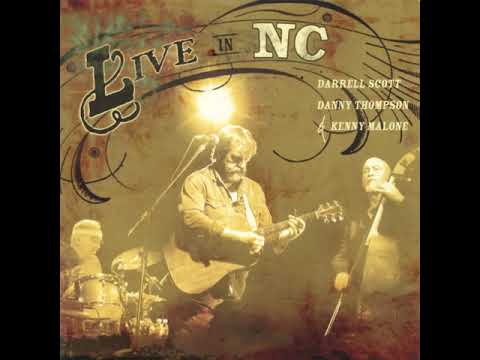
- Artist: Darrell Scott (original recording)
- Featured: None
- Composer: Darrell Scott
- Producer: Darrell Scott, Verlon Thompson
- Release Date: April 22, 1997
- Genre: Country, bluegrass-leaning folk
- Instruments: Lead vocal, acoustic guitar, banjo or mandolin (version-dependent), bass, light percussion
- Label: JustUs
- Mood: Somber, grounded, narrative
- Length: 5:03 (original album version)
- Track #: Album track (varies by edition)
- Language: English
- Album: Aloha from Nashville
- Music style: Appalachian story ballad
- Poetic meter: Accentual narrative lines with flexible syllable counts
Frequently Asked Questions
- Who wrote the song?
- Darrell Scott wrote it and first recorded it for his 1997 debut album.
- Which recording made it widely known to country audiences?
- Patty Loveless brought it to a broader audience with her 2001 Mountain Soul version, later followed by Brad Paisley and others.
- Is it a true story?
- It reads like family history, but it is best understood as a composite narrative grounded in real regional experience and mining realities.
- What does the gravestone line mean inside the story?
- It is a warning about cycles - economic, cultural, and familial - that make leaving feel impossible even when the desire is constant.
- Why does the chorus focus on daylight hours?
- The short day becomes shorthand for limited options, and it also paints the place with one quick, credible detail.
- How is the song used in television?
- It became a recurring season-finale closer in Justified, with multiple versions used across different seasons.
- Where does it sit in the Wild Rose stage show?
- It appears in Act 2 of the Edinburgh premiere, used to darken the atmosphere and underline what is at stake.
- Does it have a single chart history?
- It is better known as an album cut and repertoire staple than as a charting single, with its reputation built through performances, covers, and screen use.
- What is the song's main image?
- A family trying to outrun a place that keeps calling them back, with coal as both livelihood and trap.
Awards and Chart Positions
The song's reputation is driven more by awards recognition, covers, and screen placement than by a classic singles chart run. According to Billboard, Patty Loveless and Darrell Scott received a 2002 International Bluegrass Music Awards Song of the Year nomination tied to her recording. The song later became a recurring closer in Justified, reinforcing its association with Harlan County in popular culture.
| Item | Result | Date / Notes |
|---|---|---|
| International Bluegrass Music Awards | Song of the Year nomination (Patty Loveless version) | Announced August 15, 2002, artist credited to Loveless, writer credited to Scott |
| Wild Rose (musical) | Included song | Act 2, Edinburgh premiere opened March 14, 2025 |
Additional Info
- The song has become a modern standard, with recordings documented across country and roots catalogs, including interpretations by Patty Loveless, Brad Paisley, and Kathy Mattea.
- Entertainment Weekly notes the track's repeated use as a season-ending statement in Justified, a rare case where one song becomes a signature ritual through multiple versions.
- A major theatre review of Wild Rose in 2025 lists the number among the score highlights, linking it to Patty Loveless in the production's song mix.
Key Contributors
| Entity | Role | Relationship (S-V-O) |
|---|---|---|
| Darrell Scott | Writer, original recording artist | Scott wrote and released the song on Aloha from Nashville (1997). |
| Verlon Thompson | Producer | Thompson co-produced the original album recording. |
| Patty Loveless | Cover artist | Loveless recorded a key version on Mountain Soul (2001). |
| Brad Paisley | Cover artist | Paisley recorded the song for Part II (2001). |
| Kathy Mattea | Cover artist | Mattea recorded it for Coal (2008). |
| Nicole Taylor | Book writer | Taylor wrote the book for the stage musical Wild Rose. |
| John Tiffany | Director | Tiffany directed the Edinburgh premiere production. |
| Royal Lyceum Theatre, Edinburgh | Venue | The Lyceum hosted the world premiere run in March to April 2025. |
| Justified | Television placement | The series used multiple versions as season-finale closers. |
Sources
- Release data and credits verified via discography references and encyclopedic song documentation.
- Awards nomination verified via Billboard coverage of the International Bluegrass Music Awards nominees.
- Stage placement verified via production documentation and published musical numbers for the Edinburgh premiere.
- Television usage context verified via Entertainment Weekly reporting.
- Links: Song background; Billboard IBMA nominees; Entertainment Weekly Justified note; Wild Rose stage musical.