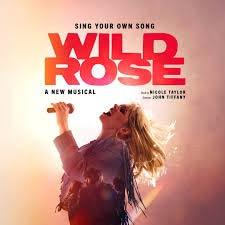
Outlaw State of Mind Lyrics
Outlaw State of Mind
[Verse 1]Cut my teeth on daddy's old LGO
And I lost my mind somewhere in New Mexico
And TW put a snake on my back
I keep a redbone on my side
[Chorus 1]
And there's people all across the land
From East Kentucky down to Alabam'
Whole lot like I am all the time
In an outlaw state of mind
[Verse 2]
I got friends that know how to have a good time
Yeah they roll their own and drink Carolina shine
I've seen the devil in a dark coal mine
I've been higher than a Georgia pine
[Chorus 2]
And there's people all across the land
From West Virginia to The Rio Grande
Whole lot like I am all the time
In an outlaw state of mind
[Chorus 3]
Yeah there's people all across the land
From New York out to old San Fran'
Just don't give a damn all the time
In an outlaw state of mind
Song Overview
Review and Highlights
Quick summary
- What it is: A deep-cut anthem from Traveller that wears outlaw pride like a work shirt, not a costume.
- Where it appears: Pulled into Act 1 of Wild Rose (2025 Edinburgh), placed after "He'll Be Back" in published musical-number lists.
- Who wrote it: Chris Stapleton with Ronnie Bowman and Jerry Salley.
- How it plays: Mid-tempo, riff-forward, built for a band that can swing from barroom stomp to stadium roar.
Wild Rose (2025) - stage jukebox musical - not diegetic. The number is listed in Act 1, and it lands like a pressure-release valve: the show has already introduced dreams, wounds, and family gravity, then this song kicks the doors open and lets the room breathe. In a story about a singer chasing Nashville while dragging Glasgow reality behind her, the lyric's roaming map of identities works as a quick character billboard. This is what she thinks "free" sounds like, at least for three loud minutes.
The writing does not romanticize trouble so much as catalog it. The verses are a scrapbook of codes, places, and bragging rights, but the chorus is the real engine: people everywhere, same posture, same refusal to explain themselves. That line about a whole country of kindred spirits is the hook that makes audiences lean in. The band can play it loose, the crowd can sing it straight, and both reads still fit.
One reason the song keeps popping up in live sets is its pacing. It is not a sprint. It is a confident walk with boots that scuff the floor on purpose. uDiscoverMusic has described it as a stage favorite, which tracks with how it functions in performance: it gives the singer a platform to project swagger without rushing the band.
Key takeaways
- Style fusion: Modern country grit with outlaw-country posture and a rock-ready groove.
- Emotional arc: Verses flex, chorus unites - the bravado turns communal.
- Wild Rose function: A pulse-raiser in Act 1 that frames rebellion as a tempting identity.
Creation History
The song was released as an album track on Traveller (Mercury Nashville) on May 5, 2015. Album documentation credits Dave Cobb and Chris Stapleton as producers for Traveller, while songwriting credits for this track name Stapleton alongside Ronnie Bowman and Jerry Salley. A decade later, Universal Music marked Traveller's ten-year milestone and reiterated the track list and credits, a reminder that the record's deep cuts still do work beyond the album cycle. The track later traveled into the theatre world via Wild Rose, the 2025 Edinburgh country jukebox musical directed by John Tiffany with a book by Nicole Taylor.
Lyricist Analysis
Metric and scansion: The verses sit in speech rhythm, with stressed nouns doing the steering: places, initials, objects. That is deliberate. The narrator sounds like he is reciting a resume of lived-in trouble. The chorus tightens into more even stresses, so the phrase "outlaw state of mind" lands like a stamped seal.
Rhyme and repetition: End-rhymes are secondary. The lyric relies on internal echoes and repeated structures: "I've seen", "I've been", the geographic roll call, the recurring chorus frame. Repetition here is not laziness - it is branding, the voice insisting on its own category.
Diction and texture: The language is coded and local. Initials, region names, and colloquial references make the verse feel like it comes from a particular map, not a writers-room mood board. That specificity is what makes the chorus feel earned instead of generic.
Structure: The final chorus expands the geography and simplifies the attitude. By the end, the character is less a single outlaw and more a roaming tribe.
Song Meaning and Annotations
Plot
A narrator lists the talismans and detours that shaped him: a rough upbringing, a blurred stretch of miles, friends who chase their own kind of freedom, and a few dark sights he would not recommend. After each verse, the chorus widens the frame, claiming there are similar people everywhere. The final chorus stretches the map even farther and shrugs at judgment.
Song Meaning
The meaning is not "crime is cool." It is closer to "identity is stubborn." The narrator treats outlaw as a mindset: self-reliance, appetite, and a refusal to tidy up the story for polite company. The chorus makes it communal, which is why the track translates so easily to a stage show about belonging. In Wild Rose, it can read as a mirror held up to the main character's fantasy of reinvention. The song sells freedom, but it also hints at the cost in the images it chooses.
Annotations
And there's people all across the land / From East Kentucky down to Alabam'
This is the chorus doing its main job: turning a personal stance into a shared flag. The geography is not decoration. It is recruitment.
I've seen the devil in a dark coal mine
One line, and the song suddenly has teeth. It flashes a working-world nightmare, not a cinematic one. That contrast keeps the outlaw pose from floating away into fantasy.
I've been higher than a Georgia pine
It is a classic Southern simile, funny on the surface, revealing underneath. The narrator admits excess as casually as weather.
Just don't give a damn all the time
The final chorus strips things down to attitude. After all the details, the song ends by daring you to judge it. That is a stage-ready button.
Driving rhythm and emotional arc
Tempo references cluster around 116 to 117 BPM, steady 4/4. That mid-tempo pocket is why the song feels muscular without rushing. It leaves space for phrasing, and it lets the chorus expand like a chant without turning into a blur.
Technical Information (Quick Facts)
- Song: Outlaw State of Mind
- Artist: Chris Stapleton
- Featured: None
- Composer: Chris Stapleton, Ronnie Bowman, Jerry Salley
- Producer: Dave Cobb, Chris Stapleton
- Release Date: May 5, 2015
- Genre: Country, outlaw country
- Instruments: Lead vocal, electric guitar, acoustic guitar, bass, drums, percussion
- Label: Mercury Nashville
- Mood: Rowdy, proud, communal
- Length: 5:37
- Track #: 13 (Traveller)
- Language: English
- Album (if any): Traveller (2015)
- Music style: Mid-tempo groove with outlaw-country attitude and rock-ready dynamics
- Poetic meter: Conversational stress with a chant-anchored chorus
Frequently Asked Questions
- Who wrote the song?
- Songwriting credits list Chris Stapleton, Ronnie Bowman, and Jerry Salley.
- What album is it on?
- It appears on Traveller as track 13.
- Is it a radio single?
- It is best documented as an album cut that later charted through sales and streaming rather than as a primary pushed single.
- What does "outlaw" mean here?
- More mindset than criminal plot - a stance of independence, appetite, and a shrug at polite expectations.
- Why does it work in Wild Rose?
- The chorus turns personal rebellion into a shared identity, which fits a story about chasing a new life and testing what belonging costs.
- What tempo is it?
- Public tempo references cluster around 116 to 117 BPM.
- What key is it in?
- Digital music databases often tag it around C major, while published sheet music is commonly presented in F major for the arrangement.
- Did it earn certifications?
- Listings credit it with Platinum status in the United States and Gold in Canada.
- Is there an official lyric source?
- Yes. The artist's official site hosts a lyrics page for the track.
Awards and Chart Positions
Even as an album track, it charted and later received certification. It has been listed with a peak on the U.S. Hot Country Songs chart and on U.S. Country Digital Song Sales, and it is also credited with major-market certification in the United States and Canada.
| Metric | Result | Notes |
|---|---|---|
| US Hot Country Songs peak | 45 | Charted as an album track during the Traveller era |
| US Country Digital Song Sales peak | 42 | Sales and streaming momentum |
| United States certification | Platinum (RIAA) | Certified units threshold met |
| Canada certification | Gold (Music Canada) | Certified units threshold met |
Additional Info
- Traveller has been repeatedly re-contextualized in press as a long-running modern country landmark, with industry write-ups revisiting the track list and songwriting credits years after release.
- The title inspired the name of Chris and Morgane Stapleton's charitable fund, Outlaw State of Kind, founded in 2016 and administered through the Community Foundation of Middle Tennessee.
- The Guardian's review of Wild Rose highlights the production's live band and stylistic range, which helps explain why a groove-heavy number like this fits naturally in Act 1.
Key Contributors
| Entity | Type | Relationship (S-V-O) |
|---|---|---|
| Chris Stapleton | Person | Chris Stapleton co-wrote and recorded the song. |
| Ronnie Bowman | Person | Ronnie Bowman co-wrote the composition. |
| Jerry Salley | Person | Jerry Salley co-wrote the composition. |
| Dave Cobb | Person | Dave Cobb co-produced Traveller recordings that include this track. |
| Mercury Nashville | Organization | Mercury Nashville released Traveller. |
| Wild Rose | CreativeWork | Wild Rose (2025 Edinburgh) includes the song in Act 1. |
| Royal Lyceum Theatre, Edinburgh | Place | The Royal Lyceum Theatre hosted the world premiere production run. |
| Outlaw State of Kind Fund | Organization | The fund borrows its name from the song and supports charitable causes. |
Sources
Data verified via Apple Music album listing for Traveller, official artist-site lyric page, Music Row track list reporting, and Universal Music catalogue press notes. Wild Rose production and musical-number placement verified via published production summaries and The Guardian stage review. Certification and chart listings cross-checked using discography tables that compile RIAA and Music Canada status. Tempo, key, and vocal range references checked against Musicnotes arrangement data and common BPM databases. As stated in The Guardian review, the Wild Rose production leans on a live band that shifts styles quickly, supporting why this number plays as a surge in Act 1.
How to Sing Outlaw State of Mind
Practical references place it around 116 BPM, with sheet music commonly published in F major for the arrangement and a listed vocal range around D4 to C6. The original recording sits comfortably in a mid-tempo pocket, so the goal is not speed - it is bite, breath, and phrasing that sounds lived in.
- Tempo: Start at 100 BPM and lock the groove. Move up in small steps until 116 BPM feels relaxed, not chased.
- Diction: Treat the verse like spoken storytelling with pitch. Keep place names and initials crisp so the images land.
- Breathing: Plan breaths before long verse runs. The chorus is easier, but the verses can steal air if you lean too hard.
- Flow and rhythm: Sit slightly behind the beat in the verse for swagger. For the chorus, land the phrase "outlaw state of mind" right on the pulse so it feels like a stamp.
- Accents: Emphasize the geography in the chorus. Those words are the hook's muscle.
- Ensemble and doubles: If you are singing it with a group, keep harmonies simple on the chorus. A tight unison sell can sound more rebellious than pretty stacks.
- Mic technique: Stay close for verse detail, then give the chorus a little distance so it opens up without strain.
- Pitfalls: Do not turn it into cartoon toughness. The best performances sound confident and casual, like the character is not trying to impress anyone.