Baby I'm Burning Lyrics
Baby I'm Burning
You look at me that wayI know what your eyes say
Your eyes reflect love and desire
I see that you need me
I need you to please me
You touch me and set me on fire
The way that you love me
The way that you touch me
The way that you whisper my name
I cannot resist you
Each time I kiss you
Then everything goes up in flames
Baby, I'm burnin', out of control
Baby, I'm burnin', body and soul
Hot as a pistol that's flamin' desire
Baby, I'm burnin', you got me on fire
I'm on fire
This red-hot emotion
Puts fireworks in motion
It looks like the 4th of July
There's no use in fighting
This fire you've ignited
Just stand back and watch the sparks fly
Baby, I'm burnin', out of control
Baby, I'm burnin', body and soul
Hot as a pistol that's flamin' desire
Baby, I'm burnin', you got me on fire
Baby, I'm burnin'
Baby, I'm burnin'
Baby, I'm burnin'
Baby, I'm burnin'
Baby, I'm burnin', out of control
Baby, I'm burnin', body and soul
Hot as a pistol that's flamin' desire
Baby, I'm burnin', you got me on fire
Baby, I'm burnin', out of control
Baby, I'm burnin', body and soul
Hot as a pistol that's flamin' desire
Baby, I'm burnin', you got me on fire
Baby, I'm burnin', out of control
Baby, I'm burnin', body and soul
Hot as a pistol that's flamin' desire
Baby, I'm burnin', you got me on fire
Baby, I'm burnin', out of control
Baby, I'm burnin', body and soul
Hot as a pistol that's flamin' desire
Baby, I'm burnin', you got me on fire
Song Overview
Review and Highlights
Quick summary
- What it is: A Dolly Parton self-write that leans into country-disco, built for dance floors and radio edits alike.
- Where it appears: On Heartbreaker (1978), then retooled for clubs via the 12-inch Dance with Dolly release.
- Why it still hits: The hook is a bright flare and the verses keep tossing gasoline on it.
- Pop culture footprint: Used as the opening theme for Parton's 1987-1988 TV series Dolly, and later resurfaced in Hacks (Season 3, Episode 4).
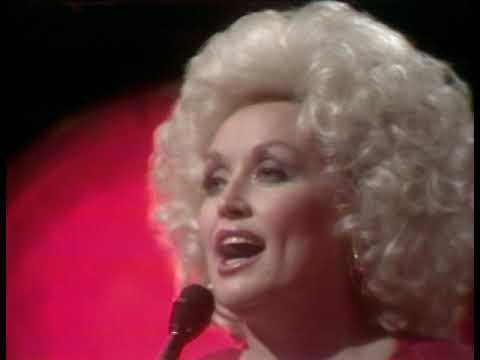
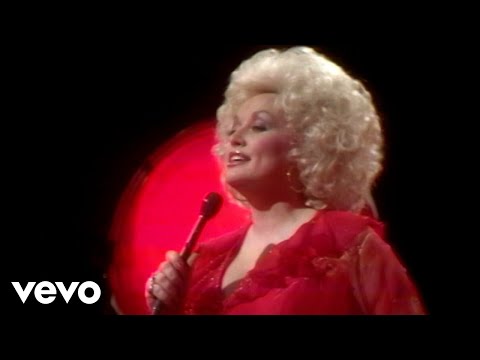
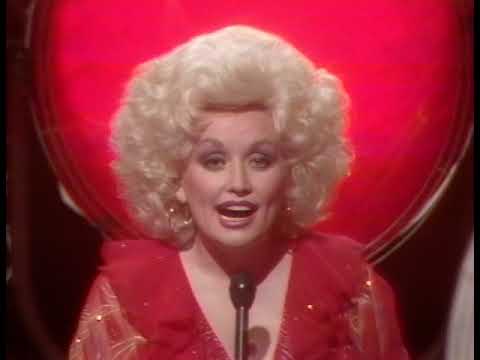
This is the moment where Parton kicks the door open wearing sequins and a grin, then backs it up with a band that sounds like it has been bribed with neon. The verses are classic come-on writing, but the arrangement is the twist. It rides a brisk pulse, splashes horns and synth colors, and keeps the vocal right on top so the lyric stays readable even when the groove is doing cartwheels.
The phrasing is sly. She stacks short lines like sparks: a look, a touch, a whisper, then the chorus detonates. You do not need a complicated story here. The song is a thermostat that keeps turning up. Billboard magazine described the single as a high-energy change of pace and noted how her vocal punches against the track's groove. That is the proper read. The performance is sharp, not floaty.
If you come to it from the more tender side of her catalog, the speed can feel like a prank at first. Then you notice how controlled it is. The hook repeats like a dance instruction, and the lyric commits to the premise without winking. Rolling Stone later framed it as her first real dance hit in their Dolly Parton songs list, which matches what the record does best: it moves.
Key takeaways
- Style fusion: Country attitude with disco momentum, arranged to keep the vocal front and center.
- Hook engineering: Repetition turns desire into a chant.
- Performance identity: It is often treated like an opener because it instantly changes the room temperature.
Creation History
Written by Dolly Parton and recorded for Heartbreaker during 1978 sessions in Los Angeles, the track was positioned as a pop-leaning side of her late-1970s crossover strategy. It arrived to the public as part of the album release in mid-1978 and then as a double A-side single paired with "I Really Got the Feeling" in November 1978. Producers commonly credited include Gary Klein and Parton, with Charles Koppelman associated as executive producer on the Heartbreaker project. The club-facing angle was made explicit through the 12-inch Dance with Dolly package, which pushed an extended disco mix designed for DJs and longer floors.
Lyricist Analysis
Metric and scansion: The verse lines sit in conversational stress, but the chorus snaps into a march of strong beats. That shift is why the hook feels unavoidable. The title phrase lands like a drum hit, then the next words ride the groove with clean, breath-sized chunks.
Rhyme and repetition: The writing leans on internal rhyme and mirrored phrasing instead of fancy end-rhyme patterns. "The way that you" repeats like a camera pan, and the chorus repeats the title line to turn desire into a loop. The repetition is not filler. It is the point.
Sound and diction: Plosives and sibilants do most of the work: "pistol", "sparks", "fireworks". The consonants are percussive, which suits the disco pulse. Vowels stay open in the chorus, giving the melody room to ring without sounding strained.
Structure: There is no plot twist, no bridge that changes the meaning. The lyric keeps raising intensity in small steps, and the arrangement provides the lift. It is a smart division of labor.
Song Meaning and Annotations
Plot
A narrator reads desire in someone else's eyes, answers it, and lets the heat escalate. Verses stack tactile details - looks, touches, whispers - and the chorus states the main claim: the attraction has flipped her into overdrive. A later verse frames it as surrender, not struggle, and ends in a firework image that keeps the song in full summer-bright motion.
Song Meaning
The message is simple and proudly unashamed: lust as momentum. The lyric turns attraction into a physical force that makes resistance feel silly. It is not written as a romance with consequences. It is written as a celebration of spark, speed, and consent-driven inevitability. In the broader Dolly Parton story, it also signals confidence in crossover craft: keep the storytelling plain, then let the groove deliver the thrill.
Annotations
You look at me that way / I know what your eyes say
She starts with perception. The narrator is not guessing, she is reading a signal and returning it. That confidence is key to why the chorus sounds triumphant, not pleading.
The way that you love me / The way that you touch me / The way that you whisper my name
Three parallel lines create a rising staircase. The repetition mimics the rhythm of a dance pattern: step, step, step, then the hook lands.
Baby, I'm burnin', out of control / Baby, I'm burnin', body and soul
The hook frames desire as total takeover. "Body and soul" stretches it from physical heat to identity, which is why it plays bigger than a standard come-on.
Hot as a pistol that's flamin' desire
The line borrows a tough, almost cartoonish metaphor to keep the lyric punchy. It also pairs well with the track's percussive consonants, so it feels like part of the beat.
It looks like the 4th of July
The fireworks image is a clean American shorthand for spectacle. It turns private passion into public celebration, matching the disco idea of taking feelings straight to the floor.
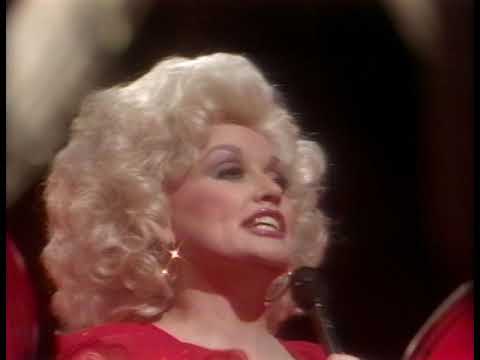
Genre and rhythm
Tempo listings commonly sit around 134 BPM in a straight 4/4 pulse. That speed is why the track reads as a dance record even when the vocal keeps its country bite. The 12-inch remix leans into that identity, using extended sections and a more club-friendly layout.
Historical touchpoints
Heartbreaker arrived during a late-1970s moment when country stars were testing pop textures, and Parton did it without sanding off her accent or her phrasing. The song later gained another lap of visibility through its TV theme usage on Dolly and a modern needle drop in Hacks.
Technical Information (Quick Facts)
- Song: Baby I'm Burnin'
- Artist: Dolly Parton
- Featured: None
- Composer: Dolly Parton
- Producer: Gary Klein, Dolly Parton
- Release Date: November 6, 1978 (single, double A-side with "I Really Got the Feeling")
- Genre: Country-disco, pop-country
- Instruments: Lead vocal, electric guitar, bass, drums, horns, synthesizer, percussion
- Label: RCA Victor
- Mood: Flirty, high-heat, kinetic
- Length: About 2:36 (album cut), longer on the disco mix
- Track #: Heartbreaker album track
- Language: English
- Album (if any): Heartbreaker (1978)
- Music style: Fast dance groove with country vocal attack
- Poetic meter: Conversational verse phrasing, chant-like chorus stresses
Frequently Asked Questions
- Who wrote the song?
- Dolly Parton is credited as the writer.
- Was it a standalone single?
- It was released as a double A-side with "I Really Got the Feeling", with each side aimed at different radio lanes.
- Why does it feel like disco without losing country flavor?
- The rhythm section stays in dance tempo, but the vocal phrasing stays country, with crisp consonants and storytelling clarity.
- What is "Dance with Dolly"?
- A 12-inch release built for clubs, featuring an extended disco mix paired with another remix from the same album era.
- Did it appear on television?
- Yes. It served as the opening theme for the 1987-1988 TV series Dolly, and it later appeared in Hacks (Season 3, Episode 4).
- Is there an official video?
- Yes, and the clip matches the track's fast glow, focusing on performance energy rather than narrative.
- What is the central idea of the lyric?
- Desire as acceleration: the narrator reads the signal, accepts it, and lets the heat take over.
- Why is it often used as a concert opener?
- The tempo and hook do instant crowd work, and the chorus is easy to sing on the first listen.
- Is the album cut the same as the club mix?
- The album cut is short and tight, while the disco mix stretches sections for DJs and emphasizes the beat for longer dancing.
- What tempo should musicians expect?
- Public tempo databases commonly list it around 134 BPM.
Awards and Chart Positions
The single delivered a real crossover moment, reaching the U.S. pop top 40 and placing on adult and country listings. The disco remix also made the dance chart, a neat proof that the club angle was not just marketing talk.
| Chart | Peak | Notes |
|---|---|---|
| Billboard Hot 100 | 25 | U.S. pop peak during 1978-1979 run |
| Billboard Adult Contemporary | 11 | Strong adult-format reception |
| Billboard Hot Country Songs | 48 | Country chart presence via the double A-side listing |
| Billboard Dance Club Songs | 15 | Disco mix performance |
Additional Info
- Billboard also reviewed the record as a fiery rocker with a disco edge, calling out how the vocal adds to the rockish feel.
- The theme-song use on Dolly makes the track a time capsule of her late-1970s crossover confidence, later repurposed for a late-night, modern TV needle drop on Hacks.
- For DJs and collectors, the Dance with Dolly 12-inch is part music artifact, part fashion item, often noted for its pink vinyl pressings and extended layout.
Key Contributors
| Entity | Type | Relationship (S-V-O) |
|---|---|---|
| Dolly Parton | Person | Dolly Parton wrote and recorded the song. |
| Gary Klein | Person | Gary Klein co-produced the recording. |
| RCA Victor | Organization | RCA Victor released the single and album era formats. |
| Heartbreaker | CreativeWork | Heartbreaker includes the album version. |
| Dance with Dolly | CreativeWork | Dance with Dolly packaged the extended disco mix for clubs. |
| Dolly | CreativeWork | The TV series used the track as its opening theme. |
| Hacks | CreativeWork | Hacks featured the track at the end of Season 3, Episode 4. |
Sources
Data verified via Billboard chart pages, Wikipedia reference summaries for release history, and music-industry and culture coverage in Rolling Stone and NME. Format and remix details cross-checked with Discogs release listings and DJ notes from James Hamilton's Disco Page. TV usage cross-checked using IMDb episode listings and published soundtrack guides for Hacks.
How to Sing Baby I'm Burnin'
Most public tempo listings place it around 134 BPM in a bright major key center. The challenge is not range, it is stamina and articulation at speed. Treat it like a sprint with clean corners.
- Tempo: Start at 110 BPM, then move up in 4 BPM steps until you can keep the chorus crisp at full speed.
- Diction: Practice the chorus on spoken rhythm first. Keep the t and p sounds clear in lines like "hot as a pistol" without tightening the jaw.
- Breathing: Take quick, planned breaths before the chorus and before the fireworks verse. If you wait until you are desperate, the hook will blur.
- Flow and rhythm: Verses can sit slightly behind the beat for swagger. Lock the chorus directly to the pulse so the chant stays tight.
- Accents: Stress the action words: "burnin'", "control", "fire". It keeps the hook readable when the band is cooking.
- Ensemble and doubles: If you add backing vocals, keep them rhythmic and short. Too much harmony can soften the punch.
- Mic technique: Pull back on chorus peaks. Get closer on verses for detail, then give the hook a little distance so it pops.
- Pitfalls: Do not oversing the high-energy feel. Keep the tone bright and forward. Tension is the enemy at 134 BPM.