Goodbye Earl Lyrics
Goodbye Earl
[Verse 1]Mary Anne and Wanda were the best of friends
All through their high school days
Both members of the 4H Club
Both active in the FFA
After graduation Mary Anne went out
Lookin' for a bright new world
Wanda looked all around this town
And all she found was Earl
[Verse 2]
Well, it wasn't two weeks after she got married
That Wanda started gettin' abused
She put on dark glasses and long sleeved blouses
And makeup to cover a bruise
Well, she finally got the nerve to file for divorce
She let the law take it from there
But Earl walked right through that restraining order
And put her in intensive care
[Pre-Chorus]
Right away, Mary Anne flew in from Atlanta
On a red-eye midnight flight
She held Wanda's hand and they worked out a plan
And it didn't take 'em long to decide that Earl had to die
[Chorus]
Goodbye, Earl
Those black-eyed peas
They tasted alright to me, Earl
You're feeling weak
Why don't you lay down and sleep, Earl?
Ain't it dark
Wrapped up in that tarp, Earl?
[Verse 3]
The cops came by to bring Earl in
They searched the house high and low
Then they tipped their hats
And said "Thank you ladies, if you hear from him let us know,"
[Verse 4]
Well, the weeks went by and
Spring turned to summer
And summer faded into fall
And it turns out he was a missing person
Who nobody missed at all
[Pre-Chorus]
So the girls bought some land at a roadside stand
Out on Highway 109
They sell Tennessee ham
And strawberry jam
And they don't lose any sleep at night, 'cause
[Chorus]
Earl had to die
Goodbye Earl
We need a break
Let's go out to the lake, Earl
We'll pack a lunch
And stuff you in the trunk, Earl
Well, is that all right?
Good, let's go for a ride Earl
Hey
[Outro]
Well hey, hey, hey
Aw, hey, hey, hey
Well hey, hey, hey
Song Overview
Review and Highlights
Quick summary
- A black-comedy murder ballad built like a small-town short story: setup, escalation, payoff, then the punchline.
- Written by Dennis Linde and released as the third single from Fly, with Paul Worley and Blake Chancey producing.
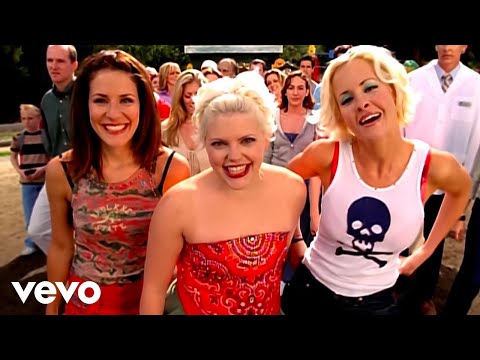
- The official video leans into camp, casting recognizable actors to make the satire loud and legible.
- The hook uses sweet, singalong phrasing to smuggle in something darker: revenge as a last resort after the system fails.
This track works because it refuses to act nervous about its own premise. The verses speak in plain clothes: clubs, school days, a marriage that looks normal until it does not. Then the chorus snaps on like a neon sign. The melody stays friendly while the details get colder, and that friction is the point.
The groove is country-rock with a rootsy snap. It is brisk, almost perky, and that tempo makes the story feel like gossip traveling down a diner counter. You can hear why some radio programmers hesitated back then, but you can also hear why listeners kept it moving anyway. It is hard to stop a chorus that knows exactly what it is doing.
The video doubles down on dark humor, with a star-studded cast and a wink-wink tone that frames the story as satire rather than a manifesto. That framing mattered in the early-2000s conversation around domestic violence and revenge narratives, and it still shapes how people defend the song now.
Key takeaways
- The hook turns a murder plot into a communal chant, which is why the song still plays like a live-show favorite.
- The comedy is not random - it is a pressure valve for a story that starts in bruises and hospital lights.
- The final image (a missing man nobody misses) is the quietest line, and maybe the meanest.
Creation History
Dennis Linde wrote the song, and it first circulated in Nashville before The Chicks recorded it for Fly. It picked up momentum from unsolicited airplay in late 1999, then rolled out as the album’s third single to country radio in late February 2000. The CD single paired it with an intentionally ironic B-side cover of Tammy Wynette’s "Stand by Your Man," a choice that underlines the track’s satire. Paul Worley and Blake Chancey produced the recording, keeping the arrangement bright enough to carry the punchline without sanding down the storyline.
Lyricist Analysis
Linde writes like a filmmaker who likes tight scenes. He stacks specifics early (clubs, school programs, the red-eye flight) so the later turns feel inevitable instead of melodramatic. The lyric reads conversational, but it is carefully managed conversation: short clauses, clear subjects, and verbs that land hard.
Metric and scansion
The dominant feel is speech-rhythm, not strict meter. Still, many lines lean iambic in their natural stress, then break it on purpose with proper nouns and list-like detail. That little wobble is useful: it makes the story sound like a friend telling you what happened, not a poet showing off.
Rhyme scheme and rhyme quality
The verses use loose, narrative-friendly rhyme - more about cadence and internal echoes than perfect end-rhyme. The chorus, by contrast, locks into repeated end-tags ("Earl") and near-rhymes around it ("peas," "weak," "sleep," "tarp"). That repetition is not subtle, and it is not trying to be. It turns the chorus into a stamp.
Phonetic texture and sound devices
The chorus leans on plosives and hard consonants that make the jokes feel blunt: "peas," "tasted," "tarp," "trunk." The verses use softer consonants when the story needs sympathy, then shift to sharper sounds as the stakes rise. It is simple craft, but it is craft.
Prosodic match and breath economy
Phrases tend to run just long enough to feel like breathless storytelling, then reset. The chorus is built for group singing: short lines, obvious stresses, and a repeated name on strong beats. That is why crowds yell it like a toast.
Song Meaning and Annotations
Plot
Two longtime friends grow up in the same rural orbit. One leaves for a bigger life; the other stays and marries a man who becomes violently abusive. The legal route fails - even a restraining order cannot stop him - and the friend who left flies back in to help. Together, they decide on a final solution: poison, concealment, and disposal. The town’s reaction is the last twist: Earl becomes a missing person, but the story suggests he does not earn much sympathy.
Song Meaning
The song is revenge fantasy, but it is also a critique of how little protection Wanda gets when she tries to do things "the right way." The humor is not there to dismiss abuse; it is there to spotlight the absurdity of a system that only reacts after catastrophic harm. In that sense, the chorus is a blunt coping mechanism: singable, loud, and designed to take power back in a story where Wanda has very little of it.
Annotations
Both members of the 4H Club
That detail is a social shortcut: farm-kid credibility, community ties, and a small-town resume that makes the friendship feel real. The lyric signals an upbringing shaped by agriculture and youth programs, which sets the scene before the plot turns sharp.
Both active in the FFA
Same move, different badge. "Future Farmers of America" is a cultural marker, and it tells you these characters are not abstract victims in a morality play. They are the kind of people who would be known by half the county.
She put on dark glasses and long sleeved blouses / And makeup to cover a bruise
The line is brutal because it is mundane. No metaphors, no fancy language, just concealment as routine. It draws the emotional arc in one stroke: Wanda is managing appearances while she is being harmed.
But Earl walked right through that restraining order / And put her in intensive care
This is the hinge. The song does not present murder as the first idea; it presents it as the idea that arrives after paperwork fails. That context is why the chorus lands as dark comedy rather than pure shock.
On a red-eye midnight flight
The red-eye is more than travel jargon. It is urgency. Mary Anne is not thinking, she is moving. The image also carries exhaustion - the kind where you do not sleep until your friend is safe.
Those black-eyed peas / They tasted alright to me
The Southern food reference does double duty: regional texture and the method of murder. The sweetness in the melody makes the line sound like table talk, which is exactly why it feels so wicked.
Ain’t it dark / Wrapped up in that tarp
Dark humor, literal darkness, and an image associated with real-world disposal. The song keeps the language casual on purpose, as if the characters are talking themselves into calm.
And it turns out he was a missing person / Who nobody missed at all
The lyric ends the story with a social verdict. It is not just that Earl is gone - it is that the community’s silence becomes part of the punchline.
They sell Tennessee ham / And strawberry jam
On the surface, it is a roadside-stand postcard. Some listeners have spun it into a raunchier theory, but the cleaner reading already works: the women build a life after violence, and the rhyme makes it feel like a folk tale closing line.
We need a break
A sly musical in-joke. The lyric nods at arrangement structure while also staying in-character, using "a break" as an excuse. It is a small wink that rewards repeat listens.
We’ll pack a lunch / And stuff you in the trunk
The horror is undercut by picnic language. That mismatch is the signature style move here: the more cheerful the phrasing, the sharper the satire.

Genre and rhythm
The track sits at the crossroads of country storytelling and pop-forward drive. The rhythm pushes like a dance number, which is why the lyric can carry such heavy content without turning into a dirge. It is a murder ballad that moves.
Cultural touchpoints
The story has often been compared to female-revenge narratives in American film and Southern-gothic storytelling. Rolling Stone has described the song as a murder ballad with a modern feminist twist, and that framing fits: the song is not subtle about who the audience is meant to side with.
Technical Information (Quick Facts)
- Song: Goodbye Earl
- Artist: The Chicks
- Composer: Dennis Linde
- Producer: Paul Worley; Blake Chancey
- Release Date: February 28, 2000
- Genre: Country; Murder ballad; Country rock
- Instruments: Acoustic guitar; banjo; drums; bass; fiddle; group backing vocals
- Label: Monument
- Mood: Darkly comic; defiant; fast-moving
- Length: 4:20
- Track #: 5
- Language: English
- Album (if any): Fly (1999)
- Music style: Narrative country-rock with roots instrumentation
- Poetic meter: Speech-rhythm with iambic lean; chorus built on repetitive tag phrasing
Frequently Asked Questions
- Who produced Goodbye Earl?
- Paul Worley and Blake Chancey are credited as the producers.
- Who wrote the song?
- Dennis Linde wrote it, and his knack for black-comedy storytelling is all over the lyric.
- When was it released as a single?
- It was sent to US country radio in late February 2000, with many references listing February 28, 2000.
- What is the song’s core message?
- It is a revenge fantasy shaped by institutional failure: the legal system exists in the story, but it does not keep Wanda safe.
- Is it meant to be taken literally?
- The tone pushes it toward satire. The cheerful hook, the deadpan details, and the community punchline all signal black comedy.
- Why did some radio stations resist it?
- The plot centers on murder in response to abuse, and the chorus makes the act sound singalong-easy. That contrast made it controversial in country radio conversations at the time.
- What happens to Earl in the narrative?
- He is poisoned, concealed, and disposed of, then treated as a missing person no one seems eager to find.
- What does the "black-eyed peas" line do musically?
- It places a regional food image on a punchy rhythmic landing, turning the method into a hook without spelling it out clinically.
- What is the point of the roadside-stand ending?
- It is the "new life" coda: friendship restored, money coming in, sleep coming back. The rhyme makes it sound like folk wisdom, which is part of the joke.
- Is the B-side pairing with "Stand by Your Man" intentional irony?
- Yes. That choice reads like a raised eyebrow at older expectations about loyalty, especially in the face of harm.
- Did the song show up in major award events?
- According to GRAMMY.com, the group performed it at the 42nd Grammy Awards in 2000, a huge mainstream stage for a story this sharp.
Awards and Chart Positions
Major awards and recognition
- Academy of Country Music: Video of the Year win for the music video (director Evan Bernard; producer Keeley Gould credited for the video).
- Country Music Association: Music Video of the Year win for the music video.
- Rolling Stone ranked the track on its 2021 edition of "The 500 Greatest Songs of All Time" list.
| Category | Result | Year | Notes |
|---|---|---|---|
| ACM Awards | Winner | 2001 | Video of the Year (music video) |
| CMA Awards | Winner | 2000 | Music Video of the Year (music video) |
| Rolling Stone | Ranked | 2021 | Listed on "500 Greatest Songs of All Time" |
Selected chart peaks
| Chart | Peak | Region | Era |
|---|---|---|---|
| Hot Country Songs (formerly Hot Country Singles and Tracks) | 13 | United States | 2000 |
| Hot 100 | 19 | United States | 2000 |
Certifications
- RIAA: Gold (April 4, 2000); later certified Platinum (March 5, 2020).
Additional Info
- The music video cast includes Jane Krakowski as Wanda, Lauren Holly as Mary Ann, and Dennis Franz as Earl, which turns the story into something closer to dark sitcom theater than gritty realism.
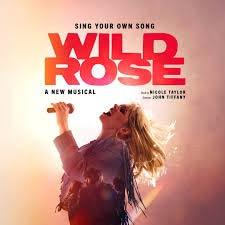
- The track’s cultural afterlife keeps growing. A 2025 People magazine report noted an in-development jukebox musical inspired by the story, using The Chicks catalog as the songbook.
- Notable covers include a punk version by Me First and the Gimme Gimmes, proof that the chorus survives genre swaps with its grin intact.
- According to a Rolling Stone write-up, Dennis Linde framed the song as black comedy in the spirit of classic dark farce, which matches the way the lyric keeps cracking jokes while the plot stays severe.
Key Contributors
| Entity | Type | Relationship |
|---|---|---|
| The Chicks | MusicGroup | Perform the recording. |
| Dennis Linde | Person | Writes the song. |
| Paul Worley | Person | Produces the recording. |
| Blake Chancey | Person | Produces the recording. |
| Evan Bernard | Person | Directs the music video. |
| Keeley Gould | Person | Produces the music video. |
| Fly | MusicAlbum | Contains the track as album track 5. |
| Monument | Organization | Releases the single and album in the United States. |
Sources
- Data verified via Billboard chart listings and chart-summary references.
- Awards verified via IMDb awards listing and major country-awards archives.
- Ranking verified via Rolling Stone list entry.
- Performance context verified via GRAMMY.com artist page.
- Certification dates cross-checked via a compiled RIAA certification list referencing RIAA program data.
- Lyrics reference: Genius lyrics page
How to Sing Goodbye Earl
This one is sneaky. It sounds like a party track, but it asks for clean diction at speed, bright vowels, and enough stamina to keep the chorus bouncing without turning harsh.
- Original key: C major
- Tempo: about 123 BPM
- Time feel: straight 4/4 with a driving, story-forward pocket
- Typical vocal range target: about G3 to C5 in the original key
- Tempo first. Set a metronome around 123 BPM and speak the verses in rhythm before you sing them. If you cannot speak them cleanly, you will not sing them cleanly.
- Diction and consonants. Pop the story words: names, places, objects. You are basically acting. Do not blur the plot.
- Breathing plan. Mark quick, practical breaths at the ends of narrative clauses. Do not wait for desperation - the verse is a long sentence.
- Chorus lift. Keep the chorus forward and bright. Think smile in the cheeks, not squeeze in the throat. The repeated name should feel easy, almost tossed off.
- Rhythm accents. Lean into the natural stresses of conversational English. It should sound like you are telling a friend what happened, except you are locked to the band.
- Blend if you have harmony. Country harmony likes clean thirds and tight timing. Match vowel shapes on shared words so the stack does not smear.
- Mic control. Back off slightly on the loudest chorus tags. The hook is repetitive; keep it fun, not abrasive.
- Common pitfalls. Rushing the verses, swallowing the names, and over-singing the satire until it turns mean. Let the groove do the work.