
Freedom Road Lyrics
Freedom Road
CRYSTALFreedom road
Lead me home
I have traveled so long
Now my journey is through
I will come home to you
All my troubles are gone
Freedom road
Lead me home
I have traveled so long
When I lay me to rest
My soul will be blessed
All my troubles are gone
Freedom road
Lead me home
Oh!
Take me out of this darkness
Oh!
Let your light shine on me!
Free--dom road
I have traveled so long
Now my heart feels no pain
I will see you again
All my troubles are gone
All my troubles are gone
Freedom road
Lead me home
Song Overview
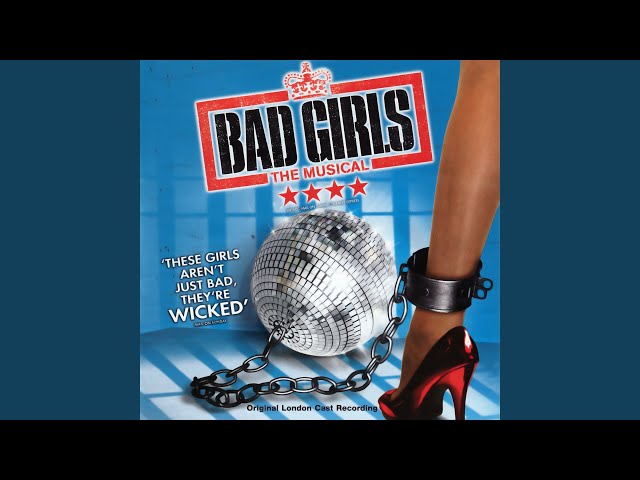
"Freedom Road" opens Act II like a prison hymn with bruises still fresh. After the riot that ends the first act, Crystal Gordon steps forward and the score changes color. The swagger, cruelty, and uproar of Larkhall give way to something steadier - a gospel-shaped plea for release, grace, and a future that does not feel locked shut. On the 2008 Original London Cast Recording, Camilla Beeput leads the track with the ensemble behind her, and that casting fits the scene. Crystal is the show's self-righteous believer, but here belief is not a joke or a character tic. It is survival. That is what "Freedom Road" lyrics are doing. They turn lockdown into prayer and confinement into a vision of movement.
Review and Highlights
"Freedom Road" works because it arrives exactly when the show needs a breath and refuses to make that breath easy. Rachel Hicks is dead. The riot has happened. The inmates are locked down. Crystal Gordon, who can seem comic or sanctimonious elsewhere, suddenly becomes the voice that holds the women together. That switch is one of the musical's cleverer moves. Instead of giving Act II a loud restart, Kath Gotts opens it with something devotional and collective.
The style shift matters. MTI's production notes quote The Observer on the score's range, from a song for "moppers-out" to "a gospel moment for a godly shoplifter." That line points straight at "Freedom Road." Sheet Music Plus also classifies the number as a gospel and spiritual-influenced piece for solo voice with female choir, and says it occurs after the death of one of the inmates. That is the song in a nutshell - grief rerouted through faith, with Crystal at the center. According to a 2015 NODA review, the number was still making audiences cry in amateur productions years later. No surprise there. It is short, direct, and built to land.
Key Takeaways
- The song opens Act II after the riot and prison lockdown.
- Crystal Gordon leads the number, shifting the focus from chaos to faith and endurance.
- The gospel-spiritual style stands apart from the harsher comic and villain songs around it.
- Its main dramatic job is to turn shared grief into shared resolve.
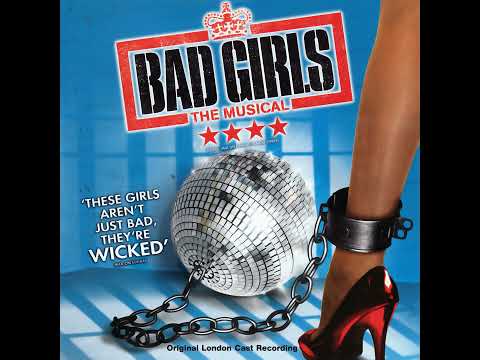
Bad Girls: The Musical (2007) - stage musical gospel-spiritual scene - diegetic in dramatic terms. The number appears at the start of Act II after the riot, when the inmates are on lockdown and forced back into confinement. Crystal Gordon leads the women in a lament that turns prison stillness into spiritual testimony. It matters because it resets the show's rhythm after the Act I explosion and gives the prisoners a language bigger than the institution around them.
Creation History
Bad Girls the Musical grew out of the ITV prison drama created by Maureen Chadwick and Ann McManus, then moved from workshop development into a 2006 premiere at West Yorkshire Playhouse and a 2007 West End run at the Garrick Theatre. Kath Gotts wrote the music and lyrics, and the 2008 Original London Cast Recording was released by First Night Records. "Freedom Road" appears on that final album as track 9, credited to Camilla Beeput, The "Bad Girls" Ensemble, and Kath Gotts, with a running time of 2:44. The final Garrick song list keeps it as the first number of Act II, tied to Crystal Gordon and the prison lockdown. That placement tells you why the song stayed. It is the score's spiritual reset button.
Lyricist Analysis
Kath Gotts writes this one with a very different engine from the snarling satire of "Jailcraft" or the menace of "The Key." The title "Freedom Road" sounds simple, almost traditional, and that simplicity helps. It carries the feel of hymn language, revival language, the sort of phrase built to be repeated until it becomes a promise. That is why the song suits Crystal so well. She is a woman who interprets prison through belief, so the lyric needs to feel plain enough to preach and strong enough to hold.
The phrasing leans toward uplift without becoming vague. This is not abstract comfort. The prisoners are still locked in. Rachel is still dead. What changes is the frame around that pain. The lyric gives Crystal a route out of despair without pretending the walls have vanished. That is a tricky balance, and the gospel influence helps carry it.
There is also a good piece of irony in the title. "Freedom Road" names motion in a place built to stop motion. That tension gives the number its charge. The road is not literal. It is spiritual, communal, maybe moral. But because the women are physically trapped, the image lands harder.
Song Meaning and Annotations
Plot
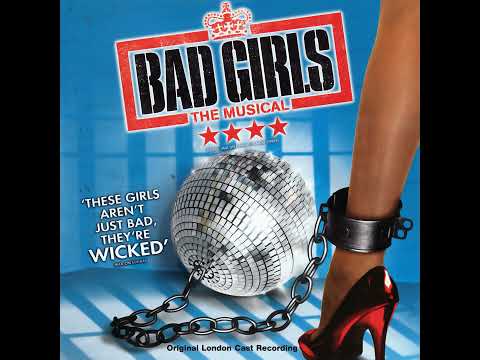
Act II begins with the inmates confined after the riot sparked by Rachel Hicks' death. The prison is tense, grieving, and shut down. Crystal Gordon, usually described in character notes as a bible-bashing Christian with plenty of blind spots, becomes the lead voice in this new atmosphere. She sings while the women sit with the consequences of everything that happened in Act I. In story terms, the number does not introduce a new scheme or conflict. It steadies the world long enough for the audience to feel the loss and for the prisoners to sound like a community rather than scattered factions.
Song Meaning
The meaning of "Freedom Road" is hope under confinement. That sounds lofty, but the song stays grounded because it is sung by women who have almost nothing else to claim. Crystal frames suffering through faith, and the rest of the inmates, whether devout or not, fall into that shared language for a moment. So the road in the title becomes less about escape and more about endurance - how to keep going, how to imagine a future, how to find a way through grief when the system would rather flatten it into routine.
There is also a deeper character twist here. Crystal is often drawn in broad strokes, all judgment and piety. This number complicates her. It lets belief become generous rather than abrasive. That makes the song useful beyond its melody. It broadens Crystal while broadening the show's moral range.
Annotations
Freedom Road
The title lifts prison language out of steel and keys and puts it into spiritual motion. A road suggests progress, pilgrimage, and direction. Inside Larkhall, that image feels both impossible and necessary.
The dramatic setting matters. This is the first thing the audience hears after the Act I riot. Instead of reopening on more violence, the musical opens on lockdown and lament. That contrast gives the song its force.
The gospel-spiritual touch is not decorative. Sheet Music Plus describes the piece as a gospel and spiritual for solo voice with female choir, and MTI's critical-reaction page points to the score's "gospel moment for a godly shoplifter." Both descriptions fit because the song uses religious style to organize grief and solidarity.
The emotional arc moves from confinement toward resolve. Not triumph. Not easy comfort. More like a stubborn refusal to let loss have the last word. In a prison musical, that kind of modest uplift often hits harder than a grand anthem.
Historical and Cultural Touchpoints
The number sits in a familiar lineage of gospel-inflected theatre songs where one believer's testimony becomes a chorus response. It also fits the long tradition of prison music using roads, crossing, and movement as metaphors for release. Crystal's voice pulls both traditions into the same small scene.
Instrumentation and Vocal Style
The cast recording presents the song as a solo-led piece with female choir support rather than a big brass showstopper. That is the right shape. The arrangement needs room for call-and-response feeling, devotional lift, and the sense that the women are leaning on one another vocally.
Symbols and Key Phrases
The road is the main symbol, but lockdown is the counter-image that makes it meaningful. A road means nothing unless something is stopping you from taking it. In that sense, the whole song is built on tension between vision and confinement.
Technical Information (Quick Facts)
- Song: Freedom Road
- Artist: Camilla Beeput, The "Bad Girls" Ensemble, Kath Gotts
- Featured: Crystal Gordon with female ensemble support
- Composer: Kath Gotts
- Producer: First Night Records release credit is clear, but a track-level producer credit was not reliably surfaced in the sources checked
- Release Date: February 25, 2008
- Genre: Musical theatre, soundtrack, gospel-spiritual
- Instruments: Solo vocal with female choir-style ensemble backing and stage-band accompaniment
- Label: First Night Records
- Mood: Reflective, uplifting, mournful, resolute
- Length: 2:44
- Track #: 9
- Language: English
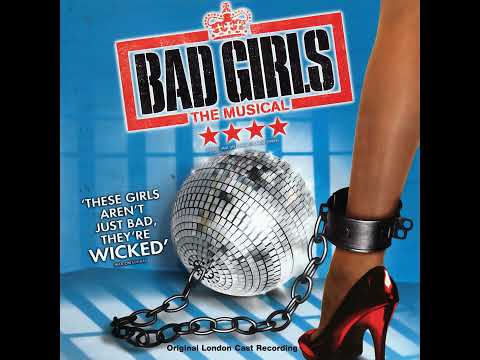
- Album: Bad Girls the Musical (Original London Cast Recording)
- Music style: British stage gospel moment with spiritual overtones
- Poetic meter: Flexible stress rhythm shaped for hymn-like repetition
Frequently Asked Questions
- Who sings "Freedom Road" on the 2008 cast recording?
- The track is credited to Camilla Beeput, The "Bad Girls" Ensemble, and Kath Gotts. In the show, it belongs to Crystal Gordon with ensemble support.
- Where does the song appear in the musical?
- It opens Act II after the riot, when the inmates are on lockdown and dealing with the aftermath of Rachel Hicks' death.
- What is the song about?
- It is about hope, faith, and endurance under confinement. Crystal leads the prisoners toward a vision of release that is spiritual before it is literal.
- Is "Freedom Road" a gospel number?
- Yes. Multiple sources describe it in gospel or spiritual terms, and the music was later issued as a solo-with-female-choir arrangement in that style.
- Why is Crystal Gordon the right character for this song?
- Because Crystal is the show's most openly religious inmate. Her belief can seem abrasive elsewhere, but here it becomes the language that helps the women hold together.
- How long is the cast-recording version?
- The Original London Cast Recording lists the track at 2 minutes and 44 seconds.
- What dramatic job does the number do?
- It resets the score after the Act I riot, turns grief into communal reflection, and reopens the show on solidarity rather than fresh conflict.
- Was the song kept in the final Garrick version?
- Yes. The final Garrick song list places it at the start of Act II, and the 2008 cast album preserves it as track 9.
- Did "Freedom Road" chart as a single?
- No reliable standalone chart history surfaced in the sources checked. Its reputation lives through the cast recording, staged productions, and arrangement references.
- Has the song been used outside the original production?
- Yes. Later productions have continued to feature it, and a published choir arrangement confirms its life beyond the original West End run.
Awards and Chart Positions
No reliable chart record for "Freedom Road" as a standalone release surfaced in the sources checked. The stronger recognition belongs to the musical and to reviews that singled the number out as a moving Crystal Gordon feature. That is more or less how cast-album songs like this survive - through performance memory rather than chart data.
Additional Info
- The final Garrick song list places "Freedom Road" as track 9 on the 2008 cast album and the opening number of Act II.
- Camilla Beeput played Crystal Gordon in the West End production and is the lead voice on the cast recording.
- According to MTI's critical-reaction page, The Observer highlighted the score's range by pointing to "a gospel moment for a godly shoplifter," a description that clearly fits Crystal's song.
- A published choir arrangement describes the number as suitable for funerals and spiritual reflection, which tells you how strongly its gospel frame stands even outside the show's plot.
Key Contributors
| Entity | Type | Relationship |
|---|---|---|
| Kath Gotts | Person | Kath Gotts wrote the music and lyrics and is credited on the track. |
| Camilla Beeput | Person | Camilla Beeput sings on the cast recording and performed Crystal Gordon in the West End production. |
| Crystal Gordon | Character | Crystal Gordon leads the song and frames prison grief through faith. |
| Maureen Chadwick | Person | Maureen Chadwick co-wrote the musical's book and co-created the source television drama. |
| Ann McManus | Person | Ann McManus co-wrote the musical's book and co-created the source television drama. |
| Bad Girls: The Musical | Work | The song opens Act II of the stage musical. |
| First Night Records | Organization | First Night Records released the Original London Cast Recording. |
Sources
Data verified via Qobuz, Apple Music, and YouTube topic metadata for the 2008 cast album, plus MTI song lists and critical-reaction pages, StageAgent's song listing, Qsulis' 2006 review, NODA review coverage, and arrangement notes describing the piece as a gospel-spiritual number for solo voice with female choir.