
The Baddest and the Best (Reprise) Lyrics
The Baddest and the Best (Reprise)
SHELLIf you?re gonna be bad
You gotta be the baddest and the best
When you?ve been messed around and trampled down
Get it off your chest
No you don?t get mad
You just get badder than all the rest
Who?s the baddest girl in town?
The baddest and the best!
Song Overview
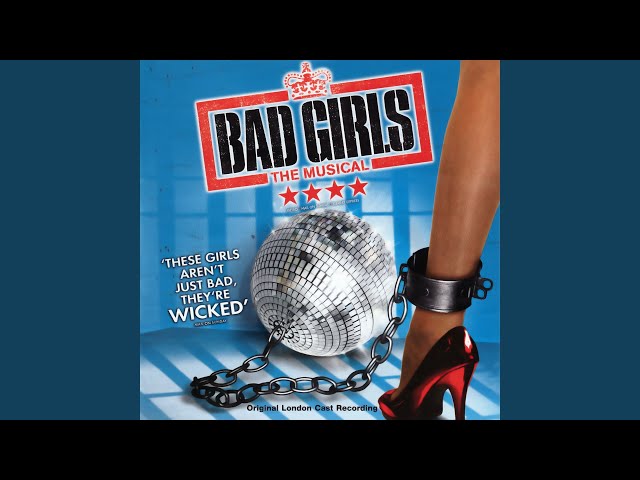
"The Baddest and the Best (Reprise)" is the score's shortest revenge burst and one of its sharpest. After all the planning, plotting, and swagger of the full ensemble number, the reprise strips everything down to Shell Dockley and the moment she pushes the trap over the edge. On the 2008 Original London Cast Recording, Nicole Faraday leads the track, and that is exactly right. This is Shell's flash of triumph, fury, and destruction. The setup is already in motion - Fenner has walked into the sting, the women have proof, and Shell decides that proof alone is not enough. That is what these lyrics are doing in Bad Girls the Musical. They take the group's rally cry and turn it into one woman's scorched punctuation mark.
Review and Highlights
"The Baddest and the Best (Reprise)" barely hangs around, but that is part of the shock. The earlier ensemble version is broad, noisy, and collective. This one is tiny by comparison, almost like a match struck after a whole room has spent fifteen minutes smelling of gas. Shell has just helped lure Fenner into the sting in "First Lady," and instead of stopping at exposure, she lights the place up. Literally.
That makes the reprise feel less like a repeat and more like a snap. The slogan from the earlier number comes back stripped of teamwork and repurposed as Shell's private signature. If the main version is about coalition, this one is about instinct. Shell has always been the show's wild card - vicious, wounded, funny, reckless. The reprise lets all of that flare at once. According to the Garrick synopsis, she sets fire to the cell after the sting succeeds. So the song is not ornamental. It is the ignition point.
Key Takeaways
- The reprise belongs to Shell Dockley and follows directly from the sting in "First Lady."
- It turns the earlier rally slogan into a personal act of retaliation.
- The song is extremely short, which adds to its shock value.
- Its dramatic purpose is to tip Fenner's exposure into physical destruction and chaos.
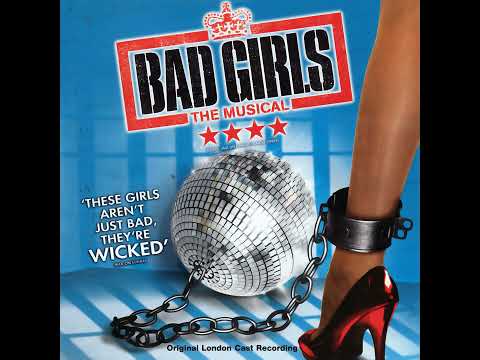
Bad Girls: The Musical (2007) - stage musical reprise burst - diegetic in dramatic terms. The number appears in Act II immediately after "First Lady." The sting against Jim Fenner has worked, but Shell Dockley goes further and sets fire to the cell. It matters because it transforms the prison's anti-Fenner plan from exposure into a direct act of destruction.
Creation History
Bad Girls the Musical was adapted from the ITV prison drama created by Maureen Chadwick and Ann McManus, with music and lyrics by Kath Gotts. After workshop development and a 2006 premiere in Leeds, the show transferred to the Garrick Theatre in 2007 and was preserved on the 2008 Original London Cast Recording released by First Night Records. "The Baddest and the Best (Reprise)" appears on that final album as track 16, credited to Nicole Faraday and Kath Gotts, with a running time of just 0:33. The final Garrick song list gives it to Shell, and published synopsis material places it directly after "First Lady." That compact placement tells the story. The reprise exists as aftermath and escalation, not as a second fully developed set piece.
Lyricist Analysis
Kath Gotts does not waste a syllable here. Reprises often work best when they do less, and this one really does less - shorter, sharper, and more dangerous than the original number. The title phrase already carries history because the audience has heard it earlier as a group slogan. When Shell takes it back in miniature, the meaning shifts. Same words, different temperature.
The lyric's strength is in compression. Shell does not need to explain herself. She rarely does. The reprise works because the audience already knows what the phrase means in the show's world - reputation, nerve, bad-girl status, collective menace. Now the phrase gets narrowed to one woman acting alone. That narrowing is the whole point.
There is also a good dramatic irony in the way the slogan survives the plan. The ensemble version sounds organized, almost triumphant. The reprise sounds feral. It suggests that even when the women act together, Shell will always keep one foot in chaos.
Song Meaning and Annotations
Plot
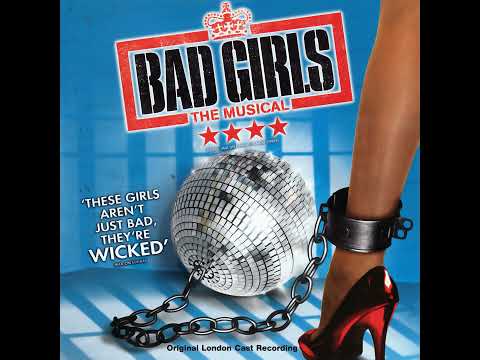
By the time the reprise hits, Act II has already assembled the anti-Fenner coalition. Nikki, Justin, Yvonne, Shell, and others have worked to protect Helen Stewart and trap Jim Fenner. "First Lady" carries out the seduction-based sting. Then comes the extra move. Shell sets fire to the cell, and the reprise stamps that action with the song title from the earlier rally number. In straightforward plot terms, it is the final beat of the operation before the story moves toward "This Is My Life."
Song Meaning
The meaning of "The Baddest and the Best (Reprise)" is retaliation without restraint. The earlier song uses the phrase as a collective badge. The reprise turns it into a dare carried out in real time. Shell is not content with legal proof or moral victory. She wants the scene to burn in memory.
There is also a more complicated character reading. Shell is helping the group, yes, but she does it in Shell's own language - destructive, theatrical, excessive. That is what makes the reprise satisfying and unsettling at the same time. It proves her usefulness while reminding everyone that she can never be fully domesticated into the team's plan.
Annotations
The Baddest and the Best
In the main number, the phrase is a group boast. In the reprise, it becomes Shell's personal stamp on the operation. Same slogan, much sharper edge.
The dramatic context is crucial. The reprise only works because "First Lady" has already built the trap. Shell's fire-setting is not random mayhem. It is the moment where revenge outruns strategy.
The short running time matters too. At thirty-three seconds on the cast album, the piece behaves more like an exclamation mark than a full song. That brevity gives it force. It is over almost before you can settle into it.
The emotional arc is one clean line - triumph, fury, ignition. There is no reflection and no apology. Shell does what she does, and the show moves on with the smell of smoke still hanging in the air.
Historical and Cultural Touchpoints
Reprises in musical theatre often deepen feeling or reverse perspective. This one does something rougher. It weaponizes memory. The audience remembers the full ensemble version and hears the phrase again in a far more volatile register. That is a very efficient theatrical trick.
Instrumentation and Vocal Style
The cast recording keeps the reprise short and pointed, which is the only sane choice. A longer arrangement would blunt the attack. Shell needs to sound like a flare, not a full parade.
Symbols and Key Phrases
Fire is the obvious symbol here, but the slogan itself is nearly as important. Shell takes a group identity and turns it back into individual force. That split between collective action and private chaos is the real sting of the reprise.
Technical Information (Quick Facts)
- Song: The Baddest and the Best (Reprise)
- Artist: Nicole Faraday, Kath Gotts
- Featured: Shell Dockley
- Composer: Kath Gotts
- Producer: First Night Records release credit is clear, but a track-level producer credit was not reliably surfaced in the sources checked
- Release Date: February 25, 2008
- Genre: Musical theatre, soundtrack, reprise
- Instruments: Stage-band reprise arrangement, female lead vocal
- Label: First Night Records
- Mood: Defiant, incendiary, sharp, theatrical
- Length: 0:33
- Track #: 16
- Language: English
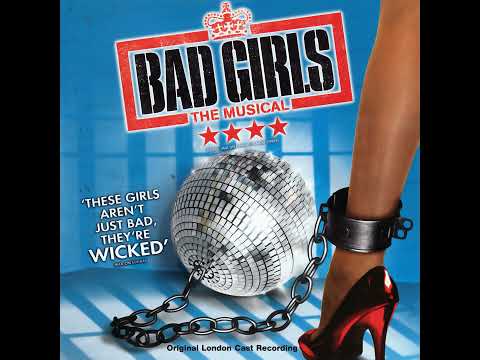
- Album: Bad Girls the Musical (Original London Cast Recording)
- Music style: Compressed British stage reprise with revenge energy
- Poetic meter: Flexible stress rhythm shaped by slogan repetition
Frequently Asked Questions
- Who sings "The Baddest and the Best (Reprise)" on the 2008 cast recording?
- The track is credited to Nicole Faraday and Kath Gotts. In the show, it belongs to Shell Dockley.
- Where does the song appear in the musical?
- It appears in Act II immediately after "First Lady" and before "This Is My Life."
- What is the song about?
- It is about retaliation. Shell takes the slogan from the earlier ensemble number and stamps it onto the sting's violent aftermath.
- Is this a full song or a brief reprise?
- It is a very brief reprise. The cast album lists it at only thirty-three seconds.
- Why is the title still effective in reprise form?
- Because the audience already knows the phrase from the earlier rally song. When Shell repeats it alone, the meaning turns darker and more personal.
- Which characters matter most in the scene?
- Shell is the central voice, while Fenner remains the target and Nikki and Justin matter through the wider sting that makes the moment possible.
- How long is the cast-recording version?
- The Original London Cast Recording lists the track at 0 minutes and 33 seconds.
- What style is the reprise written in?
- It is a compressed stage reprise built for impact rather than development, with revenge energy and slogan-driven force.
- Does the reprise move the plot?
- Yes. It turns the sting into destructive action and closes the anti-Fenner sequence before the final emotional resolution.
- Did "The Baddest and the Best (Reprise)" chart as a single?
- No reliable standalone chart history surfaced in the sources checked. Its footprint belongs to the cast album and the stage production.
Awards and Chart Positions
No reliable chart record for "The Baddest and the Best (Reprise)" as a standalone release surfaced in the sources checked. The stronger recognition belongs to the musical and to the way this brief reprise completes the late-Act II Fenner takedown sequence.
Additional Info
- The final Garrick song list places "The Baddest and the Best (Reprise)" as track 16 on the 2008 cast album.
- Qobuz lists Nicole Faraday as the lead vocalist on the track, which matches StageAgent's simpler onstage credit to Shell.
- The reprise is one of the shortest tracks on the whole album, which makes it feel more like a detonator than a conventional song.
- According to the published Act II synopsis, the sting succeeds and then Shell sets fire to the cell, which explains why the reprise lands with such sudden violence.
Key Contributors
| Entity | Type | Relationship |
|---|---|---|
| Kath Gotts | Person | Kath Gotts wrote the music and lyrics and is credited on the track. |
| Nicole Faraday | Person | Nicole Faraday sings on the cast recording and performed Shell Dockley in the West End production. |
| Shell Dockley | Character | Shell Dockley leads the reprise and escalates the sting into destruction. |
| Jim Fenner | Character | Jim Fenner remains the target of the trap and its violent aftermath. |
| Nikki Wade | Character | Nikki Wade is part of the wider plan that makes the reprise possible. |
| Justin Mattison | Character | Justin Mattison is part of the wider plan that makes the reprise possible. |
| Maureen Chadwick | Person | Maureen Chadwick co-wrote the musical's book and co-created the source television drama. |
| Ann McManus | Person | Ann McManus co-wrote the musical's book and co-created the source television drama. |
| Bad Girls: The Musical | Work | The song appears in Act II of the stage musical. |
| First Night Records | Organization | First Night Records released the Original London Cast Recording. |
Sources
Data verified via Qobuz, YouTube topic metadata, StageAgent's final song list, published Garrick plot summaries, and supplementary cast-album references confirming Shell's lead credit and the reprise's position in the Fenner takedown sequence.