
Patterns Lyrics
Patterns
Patterns in my life that I trace every day,Patterns as I say the things I always say,
Patterns in the ceiling as I lie awake,
Why are patterns haunting every move I make?
Just look, here I am on cue, again.
Upset, feeling torn in two, again.
Afraid, saying I'm okay,
Making little jokes,
'Til I run away, again.
And yet today, I am not the same,
I feel my life slipping from its fame
Strange feelings rise, feelings with no name,
And I can't face them, so I shake them hard,
Fold them up,
And tuck them safely away,
Again.
Patterns that begin as I walk through a door,
Patterns in the curtains, and the kitchen floor,
Patterns in the day's routine I must arrange,
Patterns in the ways I try, but never change.
Just look, as I'm thrown a curve, again.
I leap, then I lose my nerve again.
In tears, running home I go,
Secretly relieved, safe with what I know,
Again.
And yet I know, I am not the same.
Inside my heart, there's something I can't tame.
I feel my mind, bursting into flames,
And I must change or else I'll break apart,
Or break away.
Or end up having to start,
Again.
Patterns in the day I seem to use to give my life a shape,
Patterns in the house that give me comfort when I need escape,
Patterns that leave me, nowhere
At all.
Song Overview
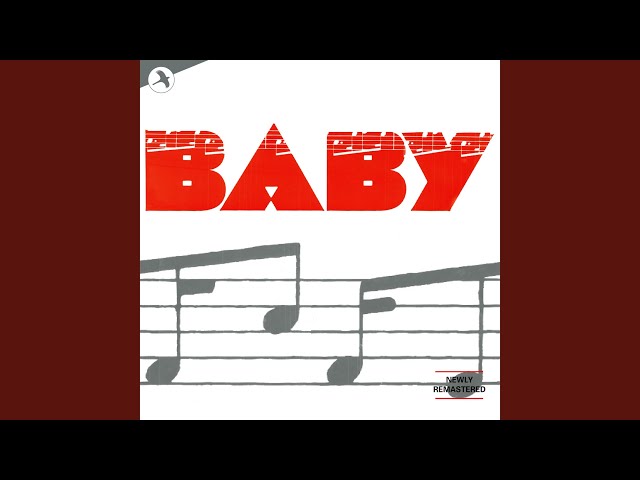
Written as a second-act ballad, Baby's "Patterns" lyrics give Arlene McNally the sharpest midlife reckoning in the score. The song pauses the show's bustle and lets her stare at the shape of her life - wife, mother, volunteer, caretaker - and ask whether those familiar routines have turned into a trap. Musically it sits in classic Maltby-Shire territory: clear melodic lines, theater phrasing that sounds spoken until it suddenly lifts, and a lyric built on repetition with a sting in it. That is why the song has lasted. It sounds intimate, but it leaves a bruise.
Review and Highlights
"Patterns" is one of those musical-theater songs people pass around quietly, like a recommendation between friends. Not because it is obscure for obscurity's sake. Because once you hear it, you understand why performers keep coming back to it. Arlene has spent years doing the right things, the useful things, the expected things. Now, pregnant again in middle age, she sees those habits as a repeating design and starts to wonder whether she built a life or disappeared inside one.
The song works because it refuses melodrama. Richard Maltby Jr. writes Arlene as smart enough to mock herself and scared enough to mean every word. David Shire gives her a melody that moves in patient waves, which suits the title. The thought keeps circling. So does the music. According to Playbill, "Patterns" was widely regarded as one of Maltby's strongest and most character-rich lyrics, which tracks with the song's afterlife in concerts, revivals, and Closer Than Ever. A lot of theater ballads announce themselves. This one just walks into the room and sits down next to you.
Key takeaways:
- It is Arlene's major self-examination song.
- The power comes from repetition, not vocal fireworks alone.
- Its cut-and-return history made it more famous than many songs that actually stayed in the first Broadway run.
- The lyric catches a very adult fear: that a well-run life can start to feel pre-written.
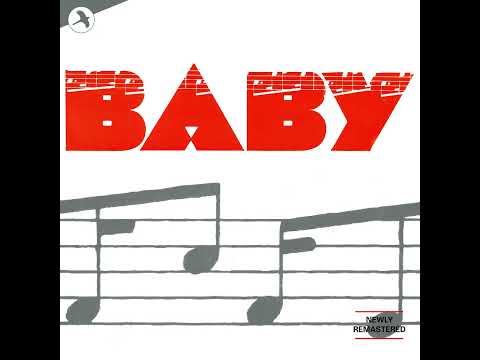
Baby (1983) - stage musical number - diegetic in dramatic effect. The song appears in Act Two after Lizzie's public scene on the park bench. Arlene enters and reflects on her repeating domestic life, the pull of motherhood, and the unnerving sense that time is moving while she stands still. Its function is not decorative. It deepens the show's oldest couple and gives the score one of its clearest moments of grown-up unease.
Creation History
Baby opened on Broadway on December 4, 1983 at the Ethel Barrymore Theatre, with a book by Sybille Pearson, music by David Shire, and lyrics by Richard Maltby Jr. "Patterns" was written for Arlene McNally and recorded by Beth Fowler for the original cast album, but the song was cut during Broadway previews and did not remain in the opened production. That odd fate only helped its reputation. Fans knew it from the album, later audiences met it again in revivals, and the song eventually turned up in Maltby and Shire's revue Closer Than Ever. Playbill reported in 1999 and again in 2004 that the ballad had been dropped from the original Broadway run, preserved on disc, and later restored in revised stagings. The 2023 Off-Broadway cast recording also includes it, cementing the song as part of the show's modern performing life.
Lyricist Analysis
Maltby writes "Patterns" in a measured speech-rhythm that keeps slipping toward formal shape without sounding literary for its own sake. That matters. Arlene is not presenting a thesis. She is catching herself in a spiral. The repeated title word acts like a hook, but also like a footstep in the same hallway. You hear recurrence before you fully parse it.
The meter is flexible, mostly conversational with moments of tighter stress placement that sharpen the dawning realization. There is light anacrusis in places, which gives some phrases the feeling of a thought arriving before the speaker is ready for it. Rhyme tends toward neat theater rhyme, but Maltby avoids making the lyric too polished. A song about domestic repetition should not sound slick. It should feel organized enough to suggest routine and unsettled enough to show routine cracking.
Phonetically, the lyric benefits from repeated plosives and clipped consonants around the title idea. You can almost hear the edges of habit. Shire's setting respects natural speech stress, then stretches key words when Arlene reaches the point she has been trying not to say aloud. Breath economy matters, too. This is not a long-line float. The phrases tend to gather, pause, and re-gather, like someone sorting her own life in real time.
Song Meaning and Annotations
Plot
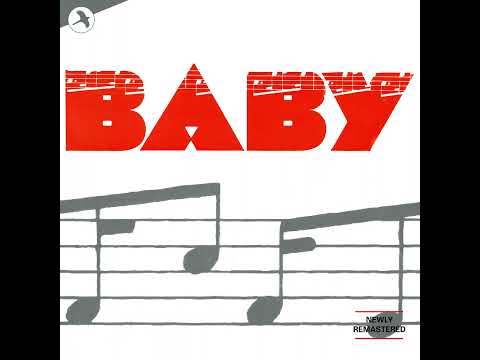
After Lizzie's comic Act Two scene, Arlene takes focus. She is older than the other expectant mothers and already has a settled marriage, a household, grown children close to leaving, and now another pregnancy that throws her whole sense of order sideways. In "Patterns," she tries to name what is happening inside her. The life she built has shape and continuity, but it also feels circular. She sees repeated behaviors, repeated roles, repeated days. The song captures the moment when stability starts to look a little like entrapment.
Song Meaning
The meaning of "Patterns" is simple and tough at the same time: Arlene is afraid that she has confused purpose with repetition. She is not rejecting family. She is asking what remains of the self after years of being needed in familiar ways. That is why the lyric lands harder with age. For younger characters in Baby, pregnancy is an arrival. For Arlene, it is also a return, and returns can feel comforting or suffocating depending on the day. This song knows both are true.
Annotations
Patterns
The title does the heavy lifting. A pattern can be a guide, a comfort, a habit, a groove, a rut. Maltby chooses a word that can sound domestic, artistic, mathematical, and claustrophobic all at once. Very neat move.
life is slipping away from her while she goes nowhere
That summary from MTI's synopsis gets at the song's central ache. The fear is not open disaster. It is stagnation. A lot of theater songs are about wanting something. This one is about suspecting you may already have accepted too little.
The deeper pull of the song comes from how many meanings it can hold at once.
Theme and message
At heart, this is a song about identity erosion inside respectable adult life. Marriage is not mocked. Motherhood is not mocked. But the script around them is. Arlene hears the pattern and realizes it may have been speaking for her.
Emotional tone
The tone is controlled, then increasingly alarmed. Not hysterical. That would make it cheaper. The dread comes from recognition, from the awful calm of seeing a long-running design all at once.
Historical and cultural touchpoints
In early 1980s Broadway terms, the song stands out for giving a middle-aged wife and mother a searching interior ballad rather than a stock comic turn. According to MTI, Arlene is explicitly defined by the tension between another child and the prospect of an empty nest. According to Playbill, the song later became admired enough to migrate into Closer Than Ever, which says plenty about its life outside the original staging.
Production and musical writing
Shire's writing supports the title idea without hammering it. The melody tends to circle back. Harmonic movement gives Arlene room to think, but it never turns hazy. The song stays tethered to speech, which keeps the self-discovery grounded and a little raw.
Symbols and key phrases
The pattern itself is the symbol. No need for a drawer full of metaphors when one image already does the job. Domestic routine becomes visual, almost textile-like, then starts feeling architectural, like walls closing in. That shift is why the lyric sticks.
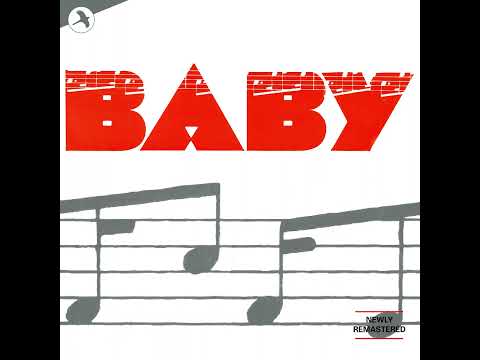
One reason people remember the song is timing. It arrives after comic material and before later relationship reckonings, so it changes the weather of Act Two. Baby stops being only a musical about expecting children and becomes, for a few minutes, a musical about the cost of the roles adults learn to play well.
Technical Information (Quick Facts)
- Song: Patterns
- Artist: Beth Fowler on the original cast album of Baby
- Featured: Beth Fowler as Arlene McNally
- Composer: David Shire
- Producer: Norman Newell on the original cast album; Michael Croiter, Richard Maltby Jr., and Geoffrey Ko on the 2023 cast recording
- Release Date: 1984 on the original cast album; February 14, 2023 on the new Off-Broadway cast recording
- Genre: Musical theater, character ballad, introspective solo
- Instruments: Piano-led Broadway orchestration with restrained ensemble accompaniment
- Label: PolyGram or Polydor on the original release; Yellow Sound Label on the 2023 recording
- Mood: Reflective, uneasy, rueful, searching
- Length: 3:34 on the original cast album issue indexed on major streaming services
- Track #: 14 on the original Broadway cast album track listing commonly indexed online
- Language: English
- Album: Baby: The New Musical - Original Broadway Cast
- Music style: Contemporary Broadway ballad with speech-driven phrasing
- Poetic meter: Conversational stress-rhythm with recurring title hooks and controlled refrain structure
Frequently Asked Questions
- Who sings "Patterns" in Baby?
- Arlene McNally sings it. On the original cast album, the performance is by Beth Fowler.
- Was "Patterns" in the original Broadway production?
- It was written for the show and recorded on the original cast album, but it was cut during Broadway previews and did not remain in the opening run.
- Why is the song still so well known?
- Because it survived on disc, returned in later versions, and is simply a strong theater ballad. Its reputation outlived its first staging history.
- What is Arlene afraid of in the song?
- She fears that her life has become a repeated design of duties and habits, and that she may have lost sight of herself inside that design.
- Is "Patterns" angry?
- Not mainly. It is more unsettled than furious. The pain comes from recognition, not explosion.
- How does the song fit the plot?
- It gives the older couple their deepest interior moment and broadens Baby beyond young-parent anxiety into questions about marriage, aging, and selfhood.
- Did the song move into another show?
- Yes. It later appeared in Closer Than Ever, which helped spread the song beyond Baby fandom.
- Is there a chart history for the song?
- No notable pop chart run is documented. Its standing is theatrical rather than commercial-radio based.
- Are there famous cover versions?
- There are many cabaret and concert performances, especially by theater singers, but no big mainstream crossover cover appears to dominate the song's history.
- Why do performers like it so much?
- Because it gives a singer real dramatic thought, a clear arc, and a lyric that sounds like an adult talking instead of a generic show tune placeholder.
Awards and Chart Positions
"Patterns" does not have a documented chart life as a pop single, but it belongs to a score from a Broadway musical that earned major recognition. Baby received seven Tony Award nominations in 1984, including Best Musical and Best Original Score. The song's own milestone is different: it became one of the most admired numbers in the score even after being cut from the first Broadway run. Sometimes that kind of survival tells the better story.
| Award body | Year | Recognition | Result |
|---|---|---|---|
| Tony Awards | 1984 | Best Musical | Nominee |
| Tony Awards | 1984 | Best Original Score - David Shire and Richard Maltby Jr. | Nominee |
| Drama Desk Awards | 1984 | Outstanding Musical | Nominee |
| Drama Desk Awards | 1984 | Outstanding Featured Actress in a Musical - Catherine Cox | Winner |
| Drama Desk Awards | 1984 | Outstanding Featured Actor in a Musical - Martin Vidnovic | Winner |
Additional Info
- Playbill described "Patterns" as a searching ballad and later as one of Maltby's strongest character lyrics, which is the kind of praise theater people file away and keep repeating for years.
- The song's cut-before-opening status gave it a small legend. Fans of the cast album knew it even when audiences at the original Broadway opening did not.
- According to the 2023 cast-album announcements, the number was reinstated in the newer version, which confirms that later creative teams saw it as essential rather than optional.
- No reliable evidence turned up for a film adaptation use, TV placement, or mainstream soundtrack sync for this specific recording.
Key Contributors
| Entity | Type | Relationship |
|---|---|---|
| David Shire | Person | David Shire composed "Patterns." |
| Richard Maltby Jr. | Person | Richard Maltby Jr. wrote the lyrics and directed the original Broadway production of Baby. |
| Sybille Pearson | Person | Sybille Pearson wrote the book of Baby. |
| Beth Fowler | Person | Beth Fowler recorded "Patterns" as Arlene McNally on the original cast album. |
| Arlene McNally | Character | Arlene is the character whose inner conflict drives the song. |
| Baby | Work | "Patterns" belongs to Act Two of Baby. |
| Closer Than Ever | Work | The song later appeared in Closer Than Ever. |
| Ethel Barrymore Theatre | Venue | The original Broadway production of Baby opened there. |
| Yellow Sound Label | Organization | Yellow Sound Label released the 2023 Off-Broadway cast recording that includes the song. |
How to Sing Patterns
There is enough documented performance information to sketch a useful guide. MTI lists Arlene as a high belt role with a top note of Ab5 in the licensed material. The bigger challenge, though, is not range. It is patience. "Patterns" only works if the thought sounds newly discovered while the melody keeps quietly insisting that this thought has been waiting for years.
- Start below full intensity. This song should not enter like a showstopper. It begins as private sorting.
- Let the title word change color. Each return of "patterns" should mean something slightly different - comfort, boredom, suspicion, dread.
- Keep diction plain. Theater clarity matters, but over-enunciation can make the lyric feel studied instead of lived.
- Use breath to show thought. Small pauses help. The song is somebody thinking around a corner, not delivering a polished speech.
- Shape the climb carefully. The vocal rise should feel earned by realization, not pasted on for effect.
- Avoid generic sadness. Arlene is perceptive, frustrated, and a little ashamed of what she is admitting. Sing the complexity.
- Support the upper notes with forward speech placement. The role sits in a belt-friendly zone, but strain kills the intimacy.
- Keep the ending unsettled. This is not a tidy resolution number. Leave some air in it.
Sources
Data verified via MTI show materials and synopsis, Playbill reporting on the original run, later revisions, and the 2023 cast album, Overture recording listings, and catalog pages for the original cast recording and related releases.