I Wish I Were In Love Again Lyrics — Babes In Arms
I Wish I Were In Love Again Lyrics
You don't know that I felt good
when we up and parted.
You don't know I knocked on wood
gladly broken-hearted.
Worrying is trought,
I sleep all night
appetite and health restored.
You don't know how muck I'm bored!
REFRAIN 1
The sleepless nights,
the daily fights
the qick toboggan when you reach the heights
I miss the kisses and I miss the bites
I wish I were in love again!
The broken dates,
the endless waits,
the lovely loving and the hateful hates,
the conversations with the flying plates
I wish I were in love again!
No more pain
no more strain
now I'm sane but ...
I would rather be gaga!
The pulled-out fur
of cat and cur
the fine mismating of a him and her
I've learned my lesson, but I wish I were
in love again!
REFRAIN 2
The furtive sight
the blackened eye,
the words "I'll love you till the day I day"
the self-deception the belives the lie
I wish I were in love again!
When love congeals
it soon reveals
the faint aroma of performing seals
the double-crossong ps a pair of heels.
I wish I were in love again!
No more care
no despair
I'm all there now
But I'd rather be punch-drunk!
Belive me sir
I much prefer
the classic battle of a him and her.
I don't like quiet and
I wish I were in love again!
Song Overview
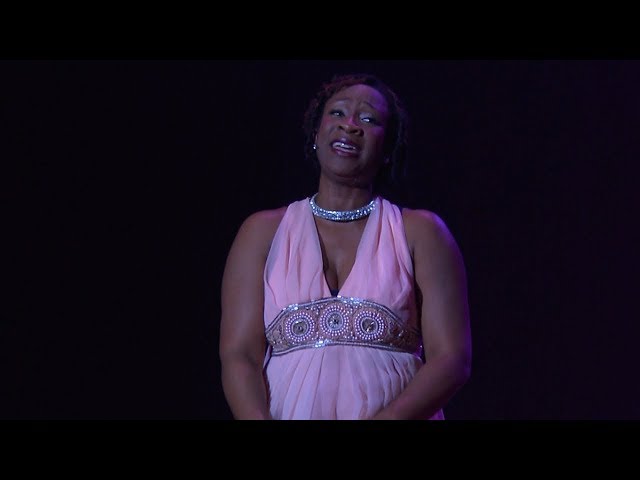
"I Wish I Were In Love Again" is one of the great Rodgers and Hart complaint songs - a love song that spends most of its time listing why love is miserable, then admits it misses the whole wreck anyway. In the 1989 concert recording of Babes in Arms, it arrives as a full feature, running 4:02 and credited to Gregg Edelman and Judy Blazer, which gives the number plenty of room to strut, spar, and enjoy its own contradictions. This is not romance in candlelight. It is romance with bruises, broken plates, and a grin. :contentReference[oaicite:0]{index=0}
Review and Highlights
This number is a delight because it refuses dignity. Hart writes the lyric as a catalogue of disasters - sleepless nights, daily fights, flying plates, blackened eyes, lies, double-crossing, the whole glorious mess - and then turns around and says he wants it back. That reversal is the joke, but it is also the truth underneath the joke. Some people do miss the chaos when the room goes quiet. Rodgers matches that neurotic appetite with a tune that feels brisk, buoyant, and almost too pleased with itself. Exactly right. A song about preferring romantic mayhem should not sound calm. :contentReference[oaicite:1]{index=1}
In the 1989 concert recording, the song holds a prominent early slot as track 4, right after the title number. That placement matters. It keeps the score from becoming too dreamy too quickly and reminds you that Babes in Arms is not only a box of standards - it also has bite, speed, and comic abrasion. The official Rodgers and Hammerstein recording page lists the track at 4:02 with Gregg Edelman and Judy Blazer, while Apple Music carries the same timing on the live benefit recording. :contentReference[oaicite:2]{index=2}
Key Takeaways
- It is one of the score's sharpest comic songs.
- The lyric turns romantic suffering into a form of appetite.
- The 1989 concert recording preserves it as a substantial featured number.
- Its afterlife as a standard is huge because the joke is instantly legible.
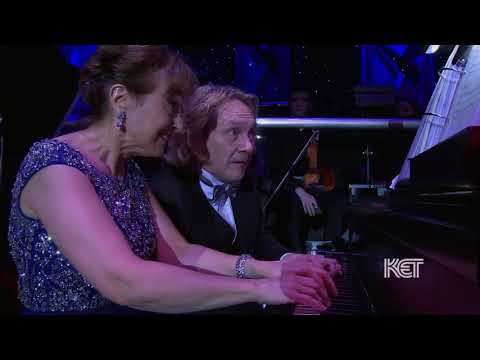
Babes in Arms (1937 stage musical; 1989 concert recording) - diegetic. In the stage score, the song functions as a comic release valve, letting the show revel in romance's ugliest habits rather than idealize them. In the 1989 concert version, it remains intact as an early-show highlight. :contentReference[oaicite:3]{index=3}
Appearances in Film, TV, and Stage Media - beyond Babes in Arms, the song has had a long life in concert, cabaret, and pop-standard performance. Rodgers and Hammerstein's official page highlights an extensive cover trail, which helps explain why many listeners know the number even without knowing the show. :contentReference[oaicite:4]{index=4}
Creation History
"I Wish I Were In Love Again" was written by Richard Rodgers and Lorenz Hart for the original 1937 Broadway production of Babes in Arms. The official Rodgers and Hammerstein song page identifies it as part of that score, and the 1989 concert recording page confirms it was retained in the Lincoln Center concert presentation performed on June 5, 1989. On the official recording listing, the track appears as number 4 and is credited to Gregg Edelman and Judy Blazer. Apple Music also lists the live benefit recording under the same June 5, 1989 event, released commercially in 1990. :contentReference[oaicite:5]{index=5}
Lyricist Analysis
Hart's trick here is comic accumulation. He keeps piling up evidence that love is exhausting, ridiculous, and occasionally violent, then lets the refrain confess that all this chaos beats emotional calm. The lyric scans like conversation sharpened into rhyme - quick, clipped, and full of internal momentum. It sounds easy because Hart makes the complaint feel spontaneous, but it is tightly built. Every ugly image feeds the same conclusion. No matter how badly the affair goes, being "all there now" is somehow less exciting than being "gaga." That is a very Hart thought - urbane, self-mocking, and faintly unwell in the most entertaining way. :contentReference[oaicite:6]{index=6}
Song Meaning and Annotations
Plot
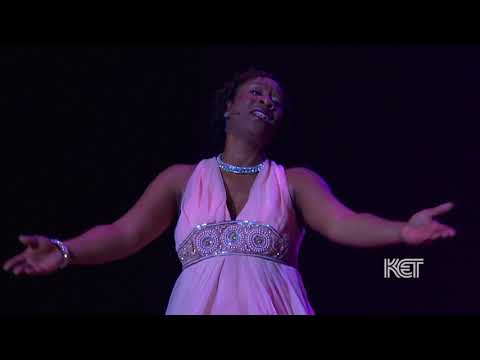
Inside Babes in Arms, the song works less as plot machinery than as character-and-tone writing. It gives the score a burst of comic cynicism right when romance in the show could otherwise drift into idealized standard territory. Instead of singing about love's purity, the number sings about love as a glorious nuisance. That tonal shift is a feature, not a detour. :contentReference[oaicite:7]{index=7}
Song Meaning
The song means that emotional turbulence can become addictive. The singer says life is healthier, calmer, and more reasonable after the breakup - then immediately reveals that reason is boring. Beneath the comedy, the lyric suggests people sometimes prefer intensity to peace, even when the intensity is terrible for them. That is why the number still lands. It is funny, but it is not exactly fake. :contentReference[oaicite:8]{index=8}
Annotations
The sleepless nights, the daily fights, the quick toboggan when you reach the heights.
Hart opens with momentum and damage at once. The line moves fast because the whole relationship feels unstable - up, down, crash, repeat. A pretty efficient portrait of bad romance. :contentReference[oaicite:9]{index=9}
The conversation with the flying plates.
This is where the song's polish gets deliciously nasty. The lyric turns domestic chaos into a punchline without losing the sense that the affair is genuinely combustible. That mixture of wit and danger is the song's signature flavor. :contentReference[oaicite:10]{index=10}
No more pain, no more strain, now I'm sane - but I would rather be gaga.
There is the whole thesis. Sanity wins the argument, but loses the song. Hart lets the singer admit that equilibrium is good for the body and bad for the appetite. :contentReference[oaicite:11]{index=11}
The song's standard-life after the theater also matters. Rodgers and Hammerstein's official page treats it as one of the score's enduring standards, and public sheet-music pages show multiple common arrangements in different keys and ranges, which is exactly what you would expect from a number that migrated so easily into cabaret and recital culture. :contentReference[oaicite:12]{index=12}
Genre and style fusion
This is musical theater crossed with classic standard craft and a comic patter instinct. It can swing, it can strut, and it can sit in a piano-bar setup without losing any of its bite. That portability is part of its staying power. :contentReference[oaicite:13]{index=13}
Emotional arc
The arc runs from supposed recovery to gleeful self-betrayal. The singer starts by claiming health and calm, then spends the rest of the song proving that calm is overrated. By the end, all the evidence against love has become evidence for returning to it. :contentReference[oaicite:14]{index=14}
Historical and cultural touchpoints
As a 1937 Rodgers and Hart number, the song sits in the fertile period when their scores for Babes in Arms and neighboring shows produced standards that far outlived their original plots. The 1989 concert recording helped keep that repertory visible in a restoration-minded form, and the official recording page presents the event as a simplified Lincoln Center concert rather than a full traditional revival. :contentReference[oaicite:15]{index=15}
Production and instrumentation
Public Musicnotes pages show more than one common arrangement. One Babes in Arms leadsheet is listed in G major with a vocal range of C4 to D5, while another arrangement is listed in B-flat major with a range of F4 to E-flat5. Those listings suggest the song has long been treated as flexible and performer-specific, which tracks with its life as a standard. :contentReference[oaicite:16]{index=16}
Metaphors and symbols
The song is not built on one large metaphor so much as a pile of comic symptoms - plates, blackened eyes, hateful hates, and "performing seals." Love is rendered as spectacle, combat, and bad habit all at once. That collage is what makes it feel so alive. :contentReference[oaicite:17]{index=17}
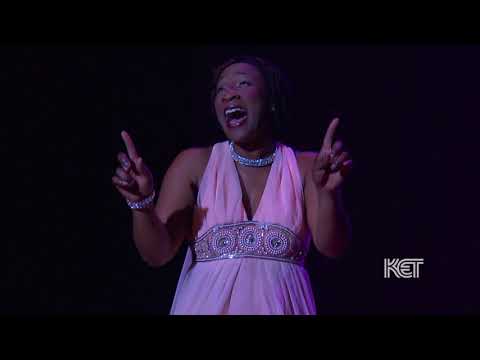
Technical Information (Quick Facts)
- Song: I Wish I Were In Love Again
- Artist: Gregg Edelman, Judy Blazer on the 1989 concert recording
- Featured: 1989 Babes in Arms concert cast feature duet
- Composer: Richard Rodgers
- Lyricist: Lorenz Hart
- Producer: Public listings emphasize the 1989 live concert recording and release credits rather than a consistently surfaced single producer credit in the sources reviewed
- Release Date: Originally published in 1937; included in the June 5, 1989 concert recording and commercially issued in 1990
- Genre: Musical theater standard, comic duet
- Instruments: Voice, piano, orchestra
- Label: New World Records for the 1989 concert recording release
- Mood: Wry, punchy, rueful
- Length: 4:02 on the 1989 concert recording
- Track #: 4 on the 1989 concert recording
- Language: English
- Album: Babes In Arms (1989 Starlight Foundation Benefit Concert Recording)
- Music style: Standard-friendly theater complaint song with comic swing
- Poetic meter: Conversational accentual phrasing with refrain-driven accumulation
Frequently Asked Questions
- Was "I Wish I Were In Love Again" included in the 1989 Babes in Arms concert recording?
- Yes. The official Rodgers and Hammerstein recording page lists it as track 4, sung by Gregg Edelman and Judy Blazer, with a runtime of 4:02. :contentReference[oaicite:18]{index=18}
- Is the song originally from the 1989 version?
- No. It was written for the original 1937 Broadway production of Babes in Arms and later preserved in the 1989 concert recording. :contentReference[oaicite:19]{index=19}
- What is the song about?
- It is about missing the chaos of being in love even after admitting how exhausting and destructive that chaos can be. :contentReference[oaicite:20]{index=20}
- Why does the song still work so well outside the musical?
- Because the premise is instantly clear and the lyric is built on vivid comic details rather than plot-specific references. That made it easy to become a standard. :contentReference[oaicite:21]{index=21}
- What key appears in public sheet-music listings?
- One public Musicnotes listing shows G major with a vocal range of C4 to D5, while another shows B-flat major with a range of F4 to E-flat5. :contentReference[oaicite:22]{index=22}
- Is it usually a solo or a duet?
- It is often performed as a solo in cabaret and standard settings, but the 1989 concert recording credits it to Gregg Edelman and Judy Blazer as a duet feature. :contentReference[oaicite:23]{index=23}
- Did it chart as a separate release from the 1989 recording?
- No reliable chart history surfaced for the track as a standalone release from the 1989 concert album. :contentReference[oaicite:24]{index=24}
- What makes the lyric special?
- Hart makes the singer sound sane and insane at once - relieved to be out of love, yet hungry for the exact misery just escaped. :contentReference[oaicite:25]{index=25}
Awards and Chart Positions
No reliable source surfaced a distinct chart run or awards trail for "I Wish I Were In Love Again" as a separate track from the 1989 concert recording. Its stature comes from its long standard-life, its place inside the Rodgers and Hart catalog, and its preservation in the 1989 live album rather than from a modern chart event. The official Rodgers and Hammerstein materials emphasize the song's enduring status and cover history more than any single commercial ranking. :contentReference[oaicite:26]{index=26}
Additional Info
- The official 1989 concert recording page lists the track immediately after "Babes In Arms" and before "Way Out West," which shows how strongly it is positioned in the early flow of the score. :contentReference[oaicite:27]{index=27}
- Apple Music identifies the album as the 1989 Starlight Foundation Benefit Concert Recording [Live] and dates the performance to June 5, 1989. :contentReference[oaicite:28]{index=28}
- Public sheet-music listings show enough variation in key and range to confirm what performers already know - this number travels well and gets shaped to the singer. :contentReference[oaicite:29]{index=29}
- The lyric's comic violence is one reason the song stays memorable. Hart keeps turning domestic disaster into rhythm, which is a little wicked and a lot of fun. :contentReference[oaicite:30]{index=30}
Key Contributors
| Entity | Type | Relationship |
|---|---|---|
| Richard Rodgers | Person | Composed "I Wish I Were In Love Again" |
| Lorenz Hart | Person | Wrote the lyrics for "I Wish I Were In Love Again" |
| Gregg Edelman | Person | Featured performer on the 1989 concert recording |
| Judy Blazer | Person | Featured performer on the 1989 concert recording |
| Evans Haile | Person | Conducted the 1989 concert recording |
| New World Records | Organization | Released the 1989 concert recording |
| Babes in Arms | Work | Musical that introduced the song in 1937 |
How to Sing I Wish I Were In Love Again
Public sheet-music listings suggest this song lives comfortably in more than one practical setup. One Musicnotes leadsheet lists G major with a vocal range of C4 to D5, while another lists B-flat major with a range of F4 to E-flat5. That is a clue, not a contradiction. The number is flexible, and the right key is the one that lets you spit the text cleanly without sacrificing swing. This is not a tune to croon into a velvet curtain and hope for the best. It needs bite. :contentReference[oaicite:31]{index=31}
- Choose the key for text speed. Pick the setting that lets the consonants stay crisp and the sarcasm land without strain.
- Start in spoken rhythm. The opening lines work best when they feel like an amused complaint, not a grand statement.
- Keep the diction sharp. This song lives on words like "fights," "plates," and "gaga." Smear them and the number loses its teeth.
- Use the refrain as escalation. Each return of "I wish I were in love again" should sound a little more knowingly self-defeating.
- Mind the breath plan. Hart's lists can run away from you if you do not map the thought units clearly.
- Lean into the comic images. Do not apologize for the lyric's nastiness. That edge is part of the fun.
- Avoid over-swinging. The song wants rhythmic life, not lounge smugness.
- Finish with appetite, not elegance. The singer should sound hungry for trouble again.
Sources
Data verified via the official Rodgers and Hammerstein song and recording pages, Apple Music live-album listing, Musicnotes public arrangement pages, and concert-performance video listings on YouTube.
Music video
Babes In Arms Lyrics: Song List
- Act 1
- Where Or When
- Babes In Arms
- I Wish I Were In Love Again
-
Babes in Arms - Reprise
- Way Out West
- My Funny Valentine
- Johnny One-Note
- Ballet: Johnny One-Note
- Act 2
- Imagine
- All At Once
- Peter's Journey: Imagine Reprise 1
- Peter's Journey: Ballet: Peter's Journey
- Peter's Journey: Imagine Reprise 2
- The Lady Is A Tramp
- You Are So Fair
- Finale