Up in the Pyrenees Lyrics — Aspects of Love
Up in the Pyrenees Lyrics
Do you remember the first time you fell in love?
Did it make you happy or sad?
Did you waste away and lie awake all night?
ALEX
Yes, I remember...
I cannot forget...
It's haunted my life since then...
JENNY
"Pas de tendresse
Et pas de joie,
Loin d'ici,
Loin de toi.
Rien de plus triste
Que mes soupirs,
Lorsque vient le jour
O? il me faut partir..."
ALEX
How do you know that?
JENNY
Mummy used to sing it to me.
That was her love song.
Her very first love song...
Love,
Love changes everything:
How you feel and
What you do...
What...
What would you say to me,
If I told you
I loved you...?
ALEX (with difficulty)
Then I'd have to say to you:
You are bright and sweet and foolish...
Yes, love,
Love changes everything,
But not always
For the best --
Love can sometimes
Be a most
Unwelcome guest...
JENNY
You don't believe that.
You know you're fooling yourself.
Why not be honest?
Alex,
Be honest...
Song Overview
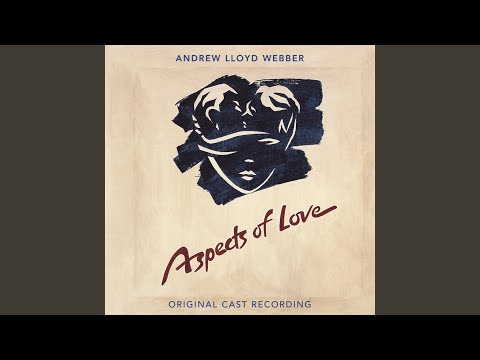
Review and Highlights
Quick summary
- What it is: A late-Act II scene-song built from reprises - a quick splice of earlier themes that suddenly turns the room inside out.
- Who sings it: Jenny and Alex in the show, with cast-recording releases often credited to Diana Morrison and Michael Ball for the Act II version.
- What it borrows: Motifs from "Chanson d'Enfance" and "Love Changes Everything" return, but with the warmth squeezed into something tighter.
- Why it lands: It is the moment where flirting stops being theoretical - the story tips into consequences.
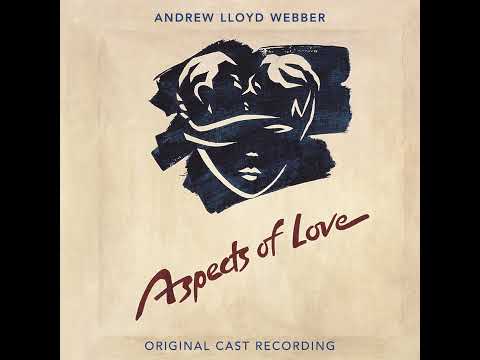
Aspects of Love (1989) - stage musical - not. Act II, immediately after "The Vineyard at Pau". Jenny corners Alex, pushes for honesty, and the scene ends in a kiss. On the remastered cast album, the track runs about three minutes, and the turning point arrives late in the cue, close to the final bars. Why it matters: the show stops hinting and lets the characters step over the line in plain sight.
This cue is small on paper, but it is a classic Webber trick: take a melody the audience already trusts, bring it back in a new light, and let that familiarity do the heavy lifting. A reprise can feel like comfort food. Here it feels like a memory being used as leverage.
What makes it sting is the speed. There is no long runway, no big romantic setup. Jenny goes straight for the pressure point, and the music follows. If you know "Chanson d'Enfance" as a tender earlier scene, hearing its shape reappear here can feel like the story tugging the past into the present and saying: this is what it was leading to.
Key takeaways
- Reprise as plot: The recycled themes are not decorative - they underline that these characters cannot escape what has already been said and sung.
- Jenny takes control: The writing gives her the momentum. Alex reacts, hesitates, then fails to hold the boundary.
- Fast scene mechanics: It works like a hinge between confrontation and fallout, setting up the chain that follows in Act II.
- Two tracks with one name: Some releases label the earlier Act I mountain scene around "Chanson d'Enfance" as an "Up in the Pyrenees" track as well, which can confuse first-time listeners.
Creation History
Andrew Lloyd Webber wrote the music and book for the musical, with lyrics by Don Black and Charles Hart. The show is sung-through, so many "songs" are really scene titles - this one behaves like a compressed highlight reel, stitched from earlier material. The remastered 2005 edition of the original London cast recording restored material that had been trimmed for the first release, which helps explain why different editions and streaming services list slightly different timing and track splits.
Song Meaning and Annotations
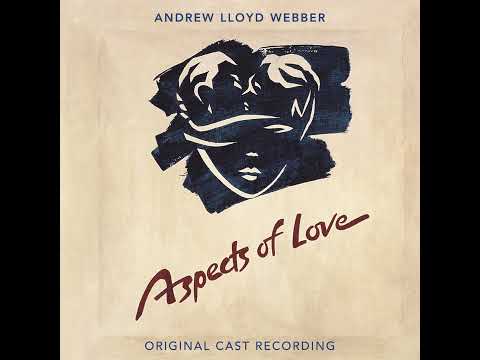
Plot
By the time this scene arrives, the show has already stacked the deck: Alex has been pulled between Rose and Jenny, and the adults around them have either ignored the warning signs or turned them into jokes. "The Vineyard at Pau" blows the situation open, and this cue follows as the private aftershock. Jenny demands clarity, Alex tries to keep the peace, and the story refuses to let him. The kiss is not a surprise. It is the moment the characters stop pretending they can keep it clean.
Song Meaning
The title points to escape - mountains, air, distance, the fantasy of getting above the mess. But the scene does not play as freedom. It plays as inevitability. By using familiar musical ideas, the score suggests that what is happening now has been baked in for a while. That is the meaning that lingers: affection can start as harmless attention, then turn into a claim once someone decides they want more.
Annotations
-
"Chanson d'Enfance" returns as a reprise
The callback is a bit ruthless. It takes a theme associated with earlier tenderness and drops it into a moment where tenderness has teeth.
-
"Love Changes Everything" comes back in miniature
When the big tune is reduced to a fragment, it stops sounding like a banner and starts sounding like a thought you cannot switch off.
-
The cue is credited to Jenny and Alex in Act II lists
That matters because it frames the scene as a two-person collision, not a family ensemble moment. No one else can sing them out of it.
-
Driving rhythm: The pulse is direct and scene-led. It does not linger the way the show's larger ballads do, because the writing is focused on action, not reflection.
-
Cultural touchpoint: Using reprises as moral bookkeeping is a theatre habit going back decades - the score "reminds" you of what you felt earlier, then asks whether you still feel safe about it.
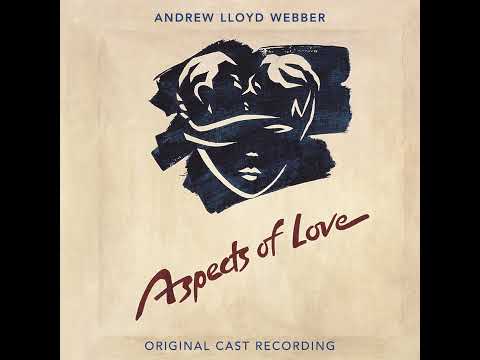
Theme notes
Memory as pressure: Repeated themes turn into a kind of argument. The music insists that earlier closeness counts for something now. Age and power: The scene is written to feel intimate, but the stakes are unequal, and the show wants you to sit with that discomfort rather than smooth it away.
Music and staging signals
Because the cue is short, productions often stage it tightly: close blocking, minimal movement, a sudden stillness before contact. That staging choice matches the score. The reprise does not ask for spectacle. It asks for proximity, and for the audience to notice what has shifted.
Technical Information (Quick Facts)
- Song: Up in the Pyrenees
- Artist: Aspects of Love (stage musical, 1989) - Original London Cast recording credits vary by edition
- Featured: Diana Morrison; Michael Ball (Act II track credits on major streaming listings)
- Composer: Andrew Lloyd Webber
- Producer: Andrew Lloyd Webber (cast recording producer credit appears across major listings)
- Release Date: September 1989 (original cast album era; remastered edition released later)
- Genre: Musical theatre
- Instruments: Lead vocals; orchestra (cast recording); piano-vocal arrangements exist for related themes
- Label: Really Useful (album chart listing); LW Entertainment Ltd. appears on some streaming metadata
- Mood: Intimate, insistent, and restless
- Length: About 3:05 for the "Live" cast-recording track on streaming services
- Track #: Often listed as Track 37 on the 2005 remastered edition track sequencing
- Language: English
- Album (if any): Aspects of Love (Original London Cast Recording)
- Music style: Reprise medley, sung-through scene writing
- Poetic meter: Accentual theatre phrasing, built for quick turns in dialogue
Frequently Asked Questions
- Is this a full standalone song or a reprise scene?
- In most song lists it functions as a reprise medley inside Act II, pulling back earlier themes to score a turning point.
- Who sings it in the story?
- Jenny and Alex are the focus in Act II listings, and the scene ends with their first kiss.
- Why do some releases also label an Act I track with a similar title?
- Some tracklists group the Act I mountain scene and "Chanson d'Enfance" under an "Up in the Pyrenees" heading, while Act II uses the title for the reprise cue.
- What earlier musical ideas does it reference?
- It draws from "Chanson d'Enfance" and folds in a brief return of "Love Changes Everything" material.
- Is there a commercial single for this track?
- No widely documented single release is associated with this cue. The major pop-leaning single from the show is tied to "Love Changes Everything".
- How long is the commonly streamed cast-recording track?
- Many streaming listings place the "Live" cast-recording track at just over three minutes, depending on edition and service.
- Where does it sit in Act II?
- It follows "The Vineyard at Pau" and sets up the next wave of fallout scenes in the show.
- What is the simplest way to stage it?
- Keep the space tight and the movement minimal. The score is already doing the pushing; too much choreography can dilute the tension.
- Does the show have a film adaptation that uses this cue?
- No widely documented film adaptation credit exists. The cue is known mainly from stage productions and cast recordings.
Awards and Chart Positions
The cue itself is not tracked as a chart single, but the cast recording had real commercial weight. According to the Official Charts Company, the original cast album reached No. 1 on the UK Official Albums Chart, first charting on September 16, 1989.
| Item | Market | Result | Date or Year |
|---|---|---|---|
| Aspects of Love - Original Cast album | UK Official Albums Chart | Peak No. 1; 29 weeks on chart | From September 16, 1989 |
| Aspects of Love - Broadway production | Tony Awards | Multiple nominations (including Best Musical and Best Original Score) | 1990 |
On the theatre side, award listings for the Broadway run show a heavy nomination load in 1990. IBDB and Playbill list the Tony nominations, and Playbill also notes a Theatre World Award win for Kathleen Rowe McAllen.
Additional Info
One quiet detail worth keeping in mind is how the show labels its material. In sung-through writing, a track title can behave like a camera slate: it tells you where you are and what just happened, not always what you would call the "song." That is why "Up in the Pyrenees" can show up in more than one place across tracklists.
Another bit of context: the West End premiere opened on April 17, 1989 at the Prince of Wales Theatre and ran for 1,325 performances, which explains why the cast album quickly became more than a souvenir. The album chart run backs that up, and it lines up with the way the score traveled beyond the theatre, as stated in the Official Charts Company listings and the show background summaries.
Key Contributors
| Entity | Relationship | Object | Notes |
|---|---|---|---|
| Andrew Lloyd Webber | wrote music and book for | Aspects of Love | Also credited as producer on cast-recording releases |
| Don Black | wrote lyrics for | Aspects of Love | Co-lyricist with Charles Hart |
| Charles Hart | wrote lyrics for | Aspects of Love | Co-lyricist with Don Black |
| Trevor Nunn | directed | Original West End production | Listed in production histories |
| Gillian Lynne | choreographed | Original West End production | Listed in production histories |
| Michael Ball | performed role of | Alex Dillingham | Original London cast; appears on "Up in the Pyrenees" track credits |
| Diana Morrison | performed role of | Jenny Dillingham | Original London cast; appears on "Up in the Pyrenees" track credits |
| Really Useful | released | Aspects of Love - Original Cast album | Label shown on UK chart listing |
Sources
Sources: Official Charts Company album page for Aspects of Love (Original Cast), IBDB awards listing, Playbill production awards listing, Aspects of Love show history (Wikipedia), ALW Show Licensing track listing, StageAgent song list, YouTube (The Orchard Enterprises audio listing).
Music video
Aspects of Love Lyrics: Song List
- Act 1
- Love Changes Everything
- A Small Theatre in Montphile
- Parlez-vous Francais?
- The Railway Station
- Seeing is Believing
- The House in Pau
- An Art Exhibition in Paris
- A Memory of a Happy Moment
- In Many Rooms in the House at Pau
- On the Terrace
- Outside the Bedroom
- Chanson d'Enfance
- At the House at Pau
- Everybody Loves A Hero
- George's flat in Paris
- First Orchestral Interlude
- She'd Be Far Better Off with You
- Second Orchestral interlude
- Stop. Wait. Please.
- A registry office
- A Military Camp in Malaysia
- Act 2
- Orchestral introduction to Act 2
- A theatre in Paris
- Leading Lady
- At the Stage Door
- George's House at Pau
- Other Pleasures
- A Cafe in Venice
- There is More to Love
- The garden in Pau
- Mermaid Song
- The Country Side Around the House
- The Garden at Pau
- On the terrace
- The First Man You Remember
- The Vineyard at Pau
- Up in the Pyrenees
- George's Study at Pau
- Journey of a Lifetime
- Falling
- Jenny's Bedroom in Paris
- Hand Me the Wine And the Dice
- A Hey Loft
- On the Terrace
- Anything But Lonely