Love Changes Everything Lyrics — Aspects of Love
Love Changes Everything Lyrics
Love,
Love changes everything:
Hands and faces,
Earth and sky,
Love,
Love changes everything:
How you live and
How you die
Love
Can make the summer fly,
Or a night
Seem like a lifetime.
Yes, Love,
Love changes everything:
Now I tremble
At your name.
Nothing in the
World will ever
Be the same.
Love,
Love changes everything:
Days are longer,
Words mean more.
Love,
Love changes everything:
Pain is deeper
Than before.
Love
Will turn your world around,
And that world
Will last for ever.
Yes, Love,
Love changes everything,
Brings you glory,
Brings you shame.
Nothing in the
World will ever
Be the same.
Why did I go back to see her...?
WOMAN (GIULIETTA)
Alex, it's all in the past...
ALEX
Off
Into the world we go,
Planning futures,
Shaping years.
Love,
Bursts in, and suddenly
All our wisdom
Disappears.
Love
Makes fools of everyone:
All the rules
We make are broken.
Yes, Love,
Love changes everyone.
Live or perish
In its flame.
Love will never,
Never let you
Be the same.
Song Overview
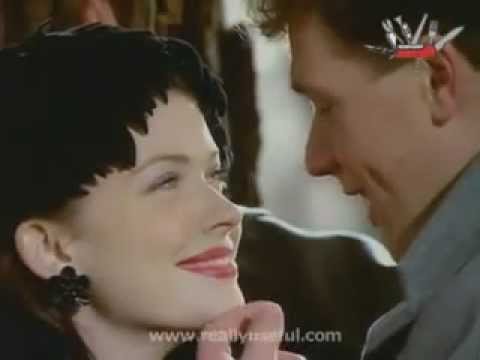
Review and Highlights
Quick summary
- What it is: A signature ballad from Aspects of Love (West End premiere: April 17, 1989), written by Andrew Lloyd Webber with lyrics by Don Black and Charles Hart.
- Who sings it in-story: Alex Dillingham, delivering the show’s opening thesis about love as a force that rewires the future.
- Pop life: Released as a Michael Ball single ahead of the show’s West End opening and became a major UK hit.
- Why it lasts: A theatre tune shaped like a radio single - clear hook, clean harmony, and a chorus built to be remembered after one listen.
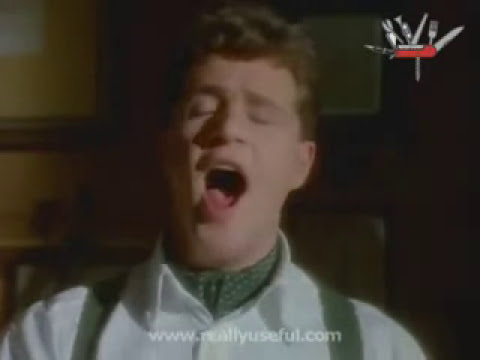
Aspects of Love (1989) - stage musical - non-diegetic. Prologue opener (often staged as Alex stepping into memory), early in Act One, establishing the rulebook for every messy triangle that follows. It matters because the melody sells certainty while the plot spends three hours arguing with it.
As a ballad, it is almost cheeky in how direct it is. The lyric does not tiptoe - it posts a sign, then dares the story to contradict it. Underneath, the tune leans on simple chord gravity and lets the singer do the shading: start conversational, then widen the vowels as the chorus arrives. That is why it plays two roles at once: a theatre scene and a pop confession.
- Key takeaways: big chorus, uncluttered phrasing, and a melodic line that invites a full-voice belt without forcing it.
- Performance trick: the chorus feels like an arrival, but the real tension is in how calmly the verses set up that landing.
- Listener payoff: by the final refrain, the song sounds less like a claim and more like a memory you did not ask for, but recognize anyway.
Creation History
Andrew Lloyd Webber wrote the score for Aspects of Love with lyrics by Don Black and Charles Hart, and the number was positioned as a calling card for the show and its young leading man. Michael Ball originated Alex in the 1989 West End production, and the single release was timed to build momentum before opening night. Years later, the piece kept resurfacing in revivals and gala performances, partly because it works with minimal staging: one voice, one statement, and an audience that already knows where love usually leads.
Song Meaning and Annotations

Plot
In the prologue of Aspects of Love, Alex looks back on the moment love first hit him like weather. The song is the show’s thesis statement: love does not simply add a new feeling, it rearranges the entire map - choices, loyalties, even the stories people tell themselves to sleep at night. It is a promise and a warning delivered with the confidence of youth.
Song Meaning
The meaning is blunt by design: love is a change agent, and once it arrives, the old version of you becomes outdated. The lyric frames love as something that edits the future without permission, while the music keeps the emotion controlled until the chorus opens up. That contrast is the point. The character sounds sure. Life, later, will test the claim.
Annotations
"Love changes everything"
Not just romance, not just a mood - it is written like a law of physics. On stage, that line lands as a thesis, so the audience can measure every later decision against it.
"How you live and how you die"
This is Lloyd Webber and his lyricists sneaking in the largest stakes possible, early. The show is full of love as appetite and confusion, but the song insists it is also destiny.
"Nothing in the world will ever be the same"
That finality is why the tune became a stand-alone hit. A pop single loves a clean slogan, and this one arrives pre-packaged with a rising melody that sells certainty.
Musically, it sits at the crossroads of late-1980s adult pop and theatre ballad craft: steady 4/4 pulse, long vowel-friendly lines, and a chorus that begs for a bright, forward tone. If you want a quick label, it is musical theatre written with radio instincts.
Driving rhythm and emotional arc
The rhythm does not rush. It lets the singer place consonants clearly, almost like speaking over piano. Then the chorus stretches, and the emotional arc tilts from observation into confession. That is the trick: calm certainty up front, heat at the peak.
Symbols and metaphors
The lyric keeps its imagery plain, then sharpens it with absolutes. "Everything" is a word that refuses compromise, and the show will later make you wonder whether the character meant it, or needed to believe it. According to The Guardian, the number is so dominant in performance history that it can feel like the production’s gravitational center.
Technical Information (Quick Facts)
- Song: Love Changes Everything
- Artist: Michael Ball
- Featured: None
- Composer: Andrew Lloyd Webber
- Producer: Andrew Lloyd Webber
- Release Date: January 21, 1989
- Genre: Musical theatre, pop ballad
- Instruments: Lead vocal, piano-led orchestra arrangement
- Label: Really Useful Records (UK single)
- Mood: Earnest, declarative, romantic
- Length: About 4 minutes (varies by recording)
- Track #: Act One prologue theme on the original cast album
- Language: English
- Album (if any): Aspects of Love (original London cast recording)
- Music style: Theatre anthem with radio-ready chorus
- Poetic meter: Predominantly iambic-leaning phrasing with flexible stress for sung delivery
Frequently Asked Questions
- Who sings the song in Aspects of Love?
- It is introduced by Alex Dillingham in the prologue, setting the emotional rulebook for the story’s love entanglements.
- Is the Michael Ball recording tied to the show’s release?
- Yes. The single was released ahead of the West End opening and functioned like a musical calling card you could buy in a record shop.
- Why did it cross over as a pop hit?
- It has a hook that reads like a slogan, plus a chorus that sits comfortably in a pop-ballad frame without losing its theatre sweep.
- What is the song saying in plain terms?
- Once love arrives, it changes your choices, your identity, and how you narrate your own life.
- Is it written for a specific vocal type?
- It is often treated as a baritone-to-tenor showcase, with plenty of room for a supported belt in the chorus and clean diction in the verses.
- What is the dramatic purpose of placing it early?
- It plants the show’s thesis so later scenes can confirm it, contradict it, or complicate it. The audience becomes the judge.
- Did the song appear at the Tony Awards?
- Yes. The production performed the number during the 1990 Tony Awards broadcast season.
- Is the song used differently in the 2023 West End revival?
- In that revival, the staging allowed the older character George to sing it as well, turning a youthful credo into a mature reflection.
- Are there notable covers?
- Yes. It has been recorded by performers across pop and classical-crossover lanes, including Sarah Brightman and Il Divo (with Michael Ball).
- What makes the chorus feel so big?
- The melody climbs in long arcs, the harmony stays supportive and uncluttered, and the lyric switches into absolutes that sound final.
Awards and Chart Positions
The Michael Ball single became a major UK crossover moment: it reached a peak position of No. 2 and stayed on the UK Singles Chart for 15 weeks. The parent show also had a strong awards-season profile in the US, earning multiple Tony nominations in 1990, and the number was used as the show’s televised showcase piece.
| Category | Result | Details |
|---|---|---|
| UK Singles Chart | Peak No. 2 | 15-week chart run (first chart date: January 21, 1989) |
| Tony Awards (1990) | Nominated | Aspects of Love nominated for Best Musical, among other categories |
| Tony Awards broadcast | Performed | "Love Changes Everything" performed as the show’s featured number |
Additional Info
The song’s afterlife is almost a case study in how theatre tunes become standards. It has been re-recorded in different lanes - classical-crossover polish, choral arrangements, duet versions - because the core is sturdy: one big melodic sentence and a chorus that does not need context to land. On Andrew Lloyd Webber’s official site, the release is framed as a deliberate move ahead of the West End opening, a reminder that theatre marketing in 1989 still had to win the record racks, not just the reviews.
Key Contributors
| Entity | Type | Relationship (S-V-O) |
|---|---|---|
| Michael Ball | Person | Michael Ball originated Alex Dillingham in the West End production. |
| Andrew Lloyd Webber | Person | Andrew Lloyd Webber composed the music and produced the single recording. |
| Don Black | Person | Don Black co-wrote the lyrics. |
| Charles Hart | Person | Charles Hart co-wrote the lyrics. |
| Aspects of Love | Work | Aspects of Love features the song as the prologue statement. |
| Really Useful Records | Organization | Really Useful Records released the UK single. |
| Prince of Wales Theatre, London | Venue | The Prince of Wales Theatre hosted the West End opening in 1989. |
How to Sing Love Changes Everything
This song rewards singers who can do two things at once: keep the verse intimate and then let the chorus bloom without turning sharp. Sheet-music listings commonly place it in A major and mark a steady, moderate pulse (often around quarter note equals 120), with published vocal ranges varying by arrangement.
- Tempo first: Set a metronome near quarter note equals 120. Practice speaking the lyric in rhythm before singing, so the phrasing stays conversational.
- Diction: Keep consonants clean but not clipped. The word "changes" needs clarity without a hard "ch" that breaks the line.
- Breathing plan: Take low, quiet breaths at phrase ends, not mid-idea. The verses want long thoughts, not choppy commas.
- Flow and rhythm: Verses should feel like one person telling the truth at a piano. Save the full legato for the chorus lifts.
- Accents: Lean into the stress on "love" and "everything" without hammering them. Think weight, not volume.
- Ensemble and doubles: If you are singing with backing vocals, agree on where the swell happens. A unified crescendo in the last chorus is half the magic.
- Mic technique: In verses, stay close for intimacy. On the chorus, back off slightly so the big notes do not overload the mic or flatten your vowels.
- Pitfalls: Do not rush the chorus. Do not shout the hook. And do not treat every line like a finale - the build is the story.
- Practice materials: Work it in two keys: the published key (often A major) and a step down, so you learn the line without strain, then move it back.
Sources
Sources: Official Charts Company, Andrew Lloyd Webber official site, Tony Awards official site, Playbill, IBDB, The Guardian, Musicnotes, Discogs, ALW Show Licensing
Music video
Aspects of Love Lyrics: Song List
- Act 1
- Love Changes Everything
- A Small Theatre in Montphile
- Parlez-vous Francais?
- The Railway Station
- Seeing is Believing
- The House in Pau
- An Art Exhibition in Paris
- A Memory of a Happy Moment
- In Many Rooms in the House at Pau
- On the Terrace
- Outside the Bedroom
- Chanson d'Enfance
- At the House at Pau
- Everybody Loves A Hero
- George's flat in Paris
- First Orchestral Interlude
- She'd Be Far Better Off with You
- Second Orchestral interlude
- Stop. Wait. Please.
- A registry office
- A Military Camp in Malaysia
- Act 2
- Orchestral introduction to Act 2
- A theatre in Paris
- Leading Lady
- At the Stage Door
- George's House at Pau
- Other Pleasures
- A Cafe in Venice
- There is More to Love
- The garden in Pau
- Mermaid Song
- The Country Side Around the House
- The Garden at Pau
- On the terrace
- The First Man You Remember
- The Vineyard at Pau
- Up in the Pyrenees
- George's Study at Pau
- Journey of a Lifetime
- Falling
- Jenny's Bedroom in Paris
- Hand Me the Wine And the Dice
- A Hey Loft
- On the Terrace
- Anything But Lonely