Public Enemy Number One Lyrics — Anything Goes
Public Enemy Number One Lyrics
Tonight there's going to be some fun
[PASSENGERS]
Some fun-o! Some fun-o!
[CAPTAIN]
For Public Enemy Number One .
[PASSENGERS]
Public Enemy Number One-o!
[PURSER]
Our gallant captain has told the staff
[PASSENGERS]
The staff-o! The staff-o!
[PURSER]
It's time for killing the fatted calf,
As he's throwing a party on behalf
Of Public Enemy Number One.
[PASSENGERS]
Public Enemy Number One-o!
[ALL]
Public Enemy Number One,
Thank thee for ev'rything thou hast done.
Blessings on thee, thou noble chap,
For putting this boat of ours on the map.
Thank thee heartily, holy man,
For taking this liner American,
For henceforth we'll be crowded on ev'ry run
Due to thee, Public Enemy Number One.
Amen!
Song Overview
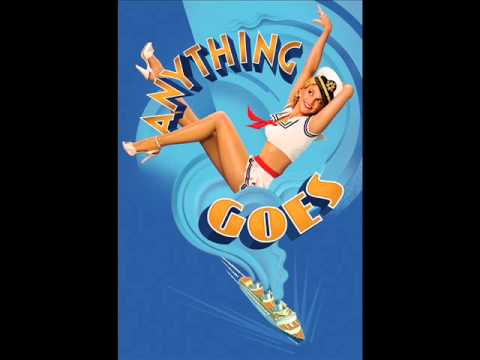
Review and Highlights
Quick summary
- Work: Anything Goes (Broadway premiere context: November 21, 1934).
- Where it lands: Act II opener, right after the entr'acte, when the ship is in full rumor-and-reputation mode.
- Who sings it: Listed as Passengers in the 1934 production record; later editions often feature the Captain and Purser leading the crowd.
- What it sounds like: A march-into-hymn gag that treats celebrity crime like Sunday service.
- Why it matters: It reframes the hero as a headline, which is the fuel this farce runs on.
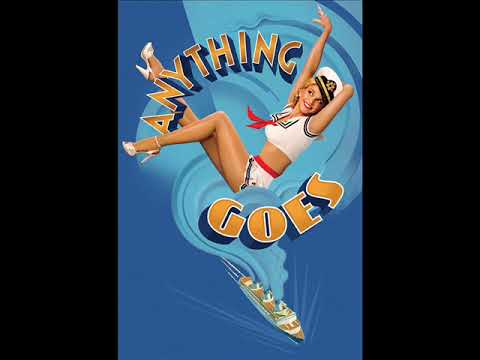
Anything Goes (1934) - stage musical - non-diegetic. This number is a social satire disguised as a pep rally. The ship's passengers hear a gangster is aboard, and instead of panicking, they throw a party for the idea. Porter plays it like a clever bait-and-switch: a marching setup that feels official, then a faux-reverent hymn that is hilarious precisely because everyone commits to it so seriously.
Key takeaways: (1) The joke lands when the tone is deadpan, not wink-wink. (2) The chorus needs crisp consonants so the mock-ceremonial language stays readable. (3) The staging works best when the ensemble behaves like a crowd at a public event: clustering, pointing, whispering, then suddenly singing as one.
Creation History
In the original Broadway production record, the title appears as "Public Enemy #1" sung by Passengers in Act II. Later Broadway editions and revivals expand the presentation into a featured moment led by the Captain and Purser with passengers responding, a shift that makes the satire clearer and helps the scene read fast in a big theatre. A commonly circulated script-vocal book also preserves dialogue references around the "Public Enemy Number One" idea, showing how the phrase becomes a running label inside the story world.
Song Meaning and Annotations
Plot
Anything Goes is built on a simple engine: everyone wants something, and everyone is willing to pretend to be someone else to get it. By Act II, the ship's crowd is primed to latch onto a story, and the "public enemy" label becomes the new obsession. The number plants the idea that reputation is currency aboard the SS American. Once the crowd decides someone is famous, the plot has to deal with the consequences.
Song Meaning
The meaning is a joke with sharp teeth. The passengers worship notoriety, even the dangerous kind, because it spices up their trip. The song is not celebrating crime. It is mocking the way a crowd can turn any headline into a souvenir. The hymn styling matters: it suggests devotion, then undercuts that devotion by aiming it at the worst possible idol.
Annotations
The original production record credits the number to Passengers.
That credit tells you the center of gravity. The crowd is the main character here, and the crowd is the problem. Nobody has to persuade them to sensationalize. They do it on their own.
Later editions often put the Captain and Purser out front to lead the chorus.
This change makes the satire punchier. Authority figures steering the praise makes the scene feel like an official ceremony, which heightens the absurdity.
Some edition notes describe a march-style introduction that shifts into a mock-hymn.
That structure is the laugh. A march promises seriousness. The hymn delivers reverence. The subject makes both styles ridiculous.
The script-vocal book uses the phrase in surrounding dialogue, turning it into an in-world label.
This is where the number earns its keep. It is not just a tune at the top of Act II. It is a tag that other scenes can bounce off, like a newspaper headline everyone keeps repeating.
Style and rhythm
The rhythm tends to sit between a brisk march and light Broadway swing, depending on the edition. The important part is unanimity: the crowd must sound like it has one opinion. If the ensemble gets too jazzy or too loose, the hymn gag loses its clean outline.
Cultural touchpoints
The phrase "public enemy" carries the 1930s crime-mania backdrop, when gangsters were treated like grim celebrities in newspapers and newsreels. The musical flips that fascination into theatre comedy: a ship full of respectable people behaving like fans at a spectacle.
Technical Information (Quick Facts)
- Song: Public Enemy Number One
- Artist: Cole Porter
- Featured: N/A
- Composer: Cole Porter
- Producer: Recording-dependent
- Release Date: November 21, 1934 (musical premiere context)
- Genre: Musical theatre; ensemble chorus
- Instruments: Voices and Broadway pit orchestra
- Label: Recording-dependent
- Mood: Brisk, comic, mock-solemn
- Length: Recording-dependent
- Track #: Often an early Act II track on cast albums
- Language: English
- Album (if any): Cast recordings of Anything Goes
- Music style: March-to-hymn ensemble writing
- Poetic meter: Accentual, chorus-forward phrasing
Frequently Asked Questions
- Where does it appear in the show?
- It opens Act II, following the entr'acte, before the next major scene sequence begins.
- Who sings it in the 1934 production record?
- The original Broadway production record lists the performers as Passengers.
- Why do some editions credit the Captain and Purser?
- Later Broadway editions and tours list the Captain and Purser leading the passengers, which clarifies staging and sharpens the authority-parody tone.
- What is the main joke?
- The crowd treats a gangster headline like a ceremonial honor, singing praise in a style that sounds almost devotional.
- Is it a big belter moment?
- No. It is an ensemble number where blend and diction matter more than vocal fireworks.
- What key and range show up in common sheet music?
- A popular piano-vocal edition lists F major with a printed voice range of C4 to G5, though productions often transpose.
- Does the lyric connect to 1930s crime culture?
- Yes. The phrase and the crowd reaction mirror the era's fascination with public-crime celebrity, turned into Broadway comedy.
- Is there a well-known modern recording?
- A widely circulated 2011 cast-album upload presents it as a short Act II track, matching the revival credit pattern.
Additional Info
One reason this number stays effective is its timing. Act II needs an instant reset: new energy, fresh joke, zero warm-up. The chorus delivers that reset by making the ship crowd into a single character with a single obsession. It is also a neat little mirror held up to the audience. We all know how fast a room can become a crowd, and how fast a crowd can decide what it wants to celebrate.
As stated in IBDB production song lists, the credit shift from "Passengers" (1934) to "Captain, Purser and Passengers" (later editions) is not just bookkeeping. It changes the comedy picture: suddenly the ship's authority figures are conducting the madness. According to Musicnotes metadata, a commonly used piano-vocal edition is published in F major with a wide printed range, which helps explain why productions treat it as an ensemble feature rather than a single star vehicle.
Key Contributors
| Entity | Type | Relationship statement |
|---|---|---|
| Cole Porter | Person | Cole Porter wrote the music and lyrics for the number. |
| Anything Goes | Work | Anything Goes places the number at the top of Act II in production song lists. |
| The Broadway League (IBDB) | Organization | IBDB documents singer credits across the 1934 production and later editions. |
| Passengers | Role group | The Passengers are credited as performers in the 1934 production record. |
| Captain | Role | The Captain leads the ensemble in later edition credits. |
| Purser | Role | The Purser leads the ensemble in later edition credits. |
| Musicnotes | Organization | Musicnotes provides published key and range details for a common piano-vocal edition. |
How to Sing Public Enemy Number One
This is an ensemble feature with a leading line, so clarity beats power. A widely used piano-vocal edition lists F major and a printed voice range of C4 to G5, which is broad enough that most productions will distribute lines and keep the crowd sound unified.
- Tempo: Keep it brisk like a ceremonial march, then settle into steadier time for the hymn-like chorus. The shift should feel intentional, not accidental.
- Diction: Make the title phrase and any repeated crowd syllables crisp. If the consonants blur, the satire blurs with them.
- Breathing: Plan short catch breaths between crowd responses. Avoid gasps that sound panicked, because the joke is that everyone is thrilled.
- Flow and rhythm: Leaders should stay slightly ahead of the ensemble so entrances are clean. The chorus should sound unanimous, like a public ceremony.
- Accents: Stress the mock-official words and keep the filler light. The contrast sells the fake grandeur.
- Blend: Ask the ensemble for matched vowels on long tones. A hymn gag only works if the harmony sounds sincere.
- Mic and room: If amplified, keep crowd mics supportive, not dominant. If unamplified, organize singers in tight clusters to reinforce unity.
- Pitfalls: Do not overplay the humor. Commit to seriousness and let the subject create the laugh.
Sources
Sources: IBDB original production record, IBDB 2011 revival song list, Anything Goes script-vocal book PDF, Musicnotes piano-vocal edition metadata, YouTube 2011 cast track upload
Music video
Anything Goes Lyrics: Song List
- Act 1
- Overture
- I Get a Kick Out of You
- There's No Cure Like Travel
- Bon Voyage
- All Through the Night
- Easy to Love
- I Want to Row on the Crew
- You're the Top
- Sailor's Chantey
- Freindship
- It's De-Lovely
- Anything Goes
- Act 2
- Entr'acte
- Public Enemy Number One
- Blow, Gabriel, Blow
- Goodbye Little Dream, Goodbye
- Be Like the Bluebird
- Gypsy in Me
- Buddie, Beware
- I Get a Kick Out of You (Reprise)
- Anything Goes (Reprise)
- Take Me Back To Manhattan