
Ain't Too Proud to Beg Lyrics
Ain't Too Proud to Beg
I know you wanna leave me,But I refuse to let you go,
If I have to beg, plead for your sympathy,
I don't mind 'cause you mean that much to me.
Ain't too proud to beg and you know it,
Please don't leave me girl,
Don't you go,
Ain't too proud to plead, baby, baby,
Please don't leave me, girl,
Don't you go.
Now I've heard a cryin' man
Is half a man with no sense of pride,
But if I have to cry to keep you,
I don't mind weepin' if it'll keep you by my side.
Ain't too proud to beg and you know it,
Please don't leave me girl,
Don't you go,
Ain't too proud to plead, baby, baby,
Please don't leave me, girl,
Don't you go.
If I have to sleep on your doorstep all night and day
Just to keep you from walking away,
Let your friends laugh, even this I can stand,
'cause I wanna keep you any way I can.
Ain't too proud to beg and you know it,
Please don't leave me girl,
Don't you go,
Ain't too proud to plead, baby, baby,
Please don't leave me, girl,
Don't you go.
Now I've got a love so deep in the pit of my heart,
And each day it grows more and more,
I'm not ashamed to call and plead to you, baby,
If pleading keeps you from walking out that door.
Ain't too proud to beg and you know it,
Please don't leave me girl,
Don't you go,
Ain't too proud to plead, baby, baby,
Please don't leave me, girl,
Don't you go.
Song Overview
Review and Highlights
Quick summary
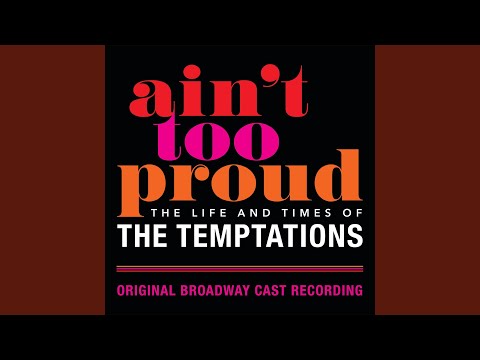
- Work: "Ain't Too Proud to Beg" - used as a featured number in Ain't Too Proud - The Life and Times of The Temptations.
- Two identities: a 1966 Motown single (The Temptations) and a 2019 stage-cast recording cut (Original Broadway Cast Of Ain't Too Proud).
- Dramatic job: a pressure valve scene - the show lets swagger turn into pleading without losing the beat.
- Stage language: tight harmony blocks, footwork that reads like conversation, and a rhythm section that keeps the scene moving even when the lyric begs to stop time.
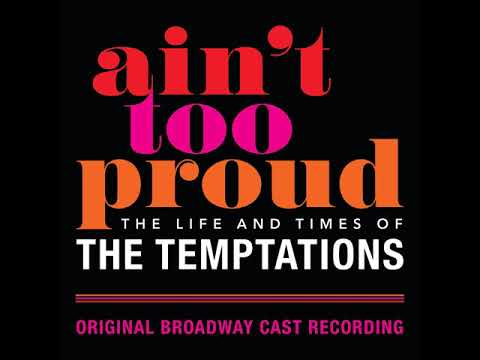
Ain't Too Proud - The Life and Times of The Temptations (2019) - stage musical number - non-diegetic (performed as a theatrical set piece rather than a literal onstage concert). Act I placement in many productions, arriving after earlier hits have established the group as a machine that can charm a room. Here, the machine sputters for a second: the lyric is pure bargaining, but the staging often keeps the feet sharp, as if pride is still trying to save face.
As theater, this is one of those jukebox moments where the song is asked to do double duty: satisfy the audience's memory and also move the plot. The trick is that the hook is already a dare - "I will do anything" - and the show treats that line like a lighting cue. You can almost see the character trying to keep the smile glued on while the body betrays him. The best stagings lean into the contrast: disciplined group movement against a lyric that sounds like it is falling apart in real time.
- Key Takeaways: a dance-forward plea; a call-and-response engine; and a public persona cracking just enough to feel human.
- Listen for: the vocal stack tightening on the choruses, then loosening for the confessional phrases - the music acts like a tie that gets yanked and re-knotted.
- Watch for: how the number can flip from seduction to negotiation without changing tempo - that is the point.
Creation History
The original recording was written by Norman Whitfield and Eddie Holland and released by The Temptations in 1966 on Motown's Gordy label, with Whitfield producing. Decades later, the Broadway musical built its score from The Temptations catalog; the Original Broadway Cast Recording sessions captured the stage arrangement in January 2019 and released the album in March 2019, with a wider physical rollout following soon after. As stated in the Universal Music Enterprises press release, the cast album release plan was staged: venue-exclusive, digital, then wide physical, mirroring how Broadway itself often builds momentum by controlled access.
Song Meaning and Annotations
Plot
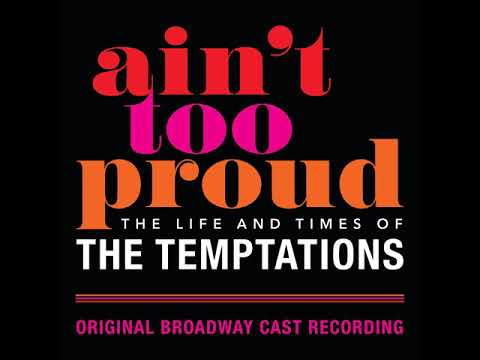
In the musical's narrative flow, this number tends to land after the group has learned how to win an audience, and just as personal fault lines begin to show. The song becomes a scene of leverage: a character tries to keep a relationship from slipping away, using charm, repetition, and raw promises in the same breath. Onstage, it can also read as a warning flare for what fame does to private life - the spotlight amplifies every bargain.
Song Meaning
The title says pride, but the lyric says fear. The core move is transactional: if you stay, I will change, I will pay, I will kneel. Yet the groove does not collapse. That is the Motown magic: the band keeps its posture even when the singer does not. In Ain't Too Proud, that tension plays cleanly - the choreography can stay immaculate while the character confesses need, so the audience reads both the mask and the crack at once.
Annotations
I know you wanna leave me, but I refuse to let you go.
The opening is not romantic, it is positional. "Refuse" is the tell: the singer starts by trying to control the outcome, then spends the rest of the song proving he cannot.
I'd rather be dead than to live alone.
A melodramatic line in a pop single becomes theatrical gasoline onstage. Directors love a sentence like this because it invites a visual counterpoint: the body says bravado while the words say catastrophe.
Ain't too proud to beg.
The phrase is built for a stage reprise, but it rarely needs one. It is already a turn: a public-facing persona admitting a private act. The rhythm keeps it from sounding self-pitying; it is a confession that still wants applause.
Rhythm and style fusion
Call-and-response vocals, backbeat drive, and clipped phrasing make the plea feel communal - like the group itself is complicit in the negotiation. That is why it lands so well in a jukebox musical: the song already contains a "company" structure, even in its original single form.
Cultural touchpoints
Motown's house style was polish with urgency. In period context, the lyric's vulnerability sits inside a sound designed for mass radio rotation. Onstage, that same packaging becomes commentary: the era's discipline, the era's pressure, the era's hunger.
Technical Information (Quick Facts)
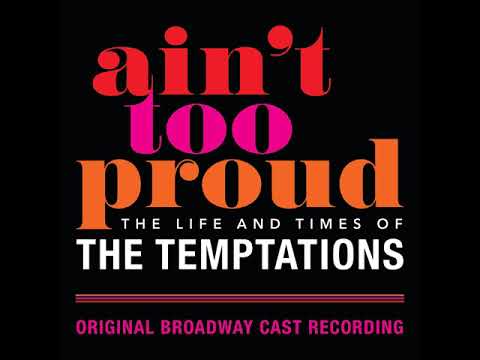
- Song: Ain't Too Proud to Beg
- Artist: The Temptations (1966 single); Original Broadway Cast Of Ain't Too Proud (cast recording track)
- Featured: Ensemble vocals typical of Temptations-style group lead and responses
- Composer: Norman Whitfield; Eddie Holland
- Producer: Norman Whitfield (1966 recording); cast-album production credited in release metadata
- Release Date: May 3, 1966 (single); March 22, 2019 (cast album digital release)
- Genre: Soul; R&B; Motown; stage jukebox arrangement
- Instruments: Lead and backing vocals; rhythm section (drums, bass, guitar, keys); horns (common in arrangements)
- Label: Gordy (Motown) for the 1966 single; Universal Music Enterprises for the cast album release
- Mood: Insistent; flirt-to-plea arc; high drive
- Length: About 2:36 (classic single references); about 1:48 (cast recording track listing)
- Track #: Varies by album edition; listed as an Act I number in many productions
- Language: English
- Album (if any): Gettin' Ready (The Temptations); Ain't Too Proud: The Life and Times of The Temptations (Original Broadway Cast Recording)
- Music style: Groove-forward verse and chant-like chorus; group call-and-response framing
- Poetic meter: Accentual, speech-driven phrasing (hook built on stress and repetition)
Frequently Asked Questions
- Is this song original to the stage musical?
- No - it began as a 1966 single by The Temptations, and the musical repurposes it as a story beat.
- Where does the number usually sit in the show?
- It is commonly placed in Act I, after earlier hits establish momentum and before the drama tightens its grip.
- What does the title mean in plain terms?
- It is a pledge to drop dignity if that is what it takes to stop someone from leaving.
- Why does it work so well with ensemble choreography?
- The song already has a built-in group architecture - lead lines answered by voices that echo and nudge, which reads naturally as stage blocking.
- Does the Broadway arrangement match the original key and tempo?
- Many reference sheets list C major and a brisk 120 feel, but stage productions may transpose for a cast and adjust the pocket for choreography.
- What is the dramatic engine of the lyric?
- Escalation: refusal, bargaining, then a hook that admits the bargain out loud.
- Is the plea meant to be sincere or manipulative?
- It can play both ways. In strong performances you can watch sincerity and strategy argue on the singer's face, bar by bar.
- What is one staging choice that sharpens the scene?
- Keep the chorus movement polished and synchronized, then let the lead break formation on the most vulnerable lines.
- Does the song comment on fame in the musical?
- Often yes, by contrast: a public group image trying to survive a private crisis.
- What should listeners focus on if they only know the hook?
- The opening couplet - it sets the power dynamic before the groove even finishes saying hello.
Awards and Chart Positions
The original Temptations single was a major U.S. hit, crossing to the pop chart while dominating R&B. Later, the Broadway show built a trophy case of its own: according to the Tony Awards website, Ain't Too Proud won the 2019 Tony Award for Best Choreography (Sergio Trujillo), a fitting match for a catalog where the feet are part of the score.
| Item | Metric | Result | Notes |
|---|---|---|---|
| The Temptations - 1966 single | Billboard Hot 100 peak | No. 13 | Pop crossover |
| The Temptations - 1966 single | Billboard R&B peak | No. 1 | Multi-week run reported by reference summaries |
| The Temptations - 1966 single | RIAA certification | Gold (reported date: 1999) | Later-era certification campaign for catalog singles |
| Ain't Too Proud (Broadway) | Tony Awards | Winner - Best Choreography (2019) | Sergio Trujillo |
How to Sing Ain't Too Proud to Beg
Most published reference sheets peg the song in C major with a quarter-note = 120 feel, and one widely circulated vocal-piano arrangement lists a vocal range of E4 to A5 (transposable). Treat that as a starting point, not a law: stage versions often shift keys to suit a lead and keep harmony stacks comfortable.
- Tempo first: Practice at a clean 120 pulse, then rehearse with a slight behind-the-beat lean. Begging is rarely metronomic, even when the band is.
- Diction: Keep consonants quick. The lyric is full of short words that can smear if you sit on them.
- Breath plan: Mark breaths before the hook. The chorus wants to be one long argument, but your lungs do not negotiate.
- Flow and rhythm: Do not over-sing the verses. Let the groove do persuasion; save intensity for the hook and the highest repeated phrase.
- Accents: Hit stress words like "refuse" and "beg" with clear attacks, then relax immediately so the line does not turn into shouting.
- Ensemble awareness: If you are in a group setting, decide who leads each call-and-response pickup. Sloppy handoffs make the number feel like traffic.
- Mic craft: On a belt phrase, pull back a touch and let the consonant sell the emotion. On intimate lines, come closer and lighten the onset.
- Pitfalls: The big one is acting too hard. Let the rhythm remain confident while the text admits defeat - that split is the character.
Additional Info
One quiet pleasure of the musical is how it reminds you that The Temptations were a visual act, not just a vocal one. Their catalog carries choreography in the phrasing, and the show makes that literal. You hear it in "Ain't Too Proud to Beg": the repeated hook is built like a step combination - return, reset, return - which is why it feels so natural in a theatrical frame.
When the show opened on Broadway at the Imperial Theatre in March 2019, it was doing the usual Broadway balancing act: biography as plot, hit parade as score, and a company that has to earn the right to sing songs everyone thinks they already know. According to People magazine, Otis Williams has reflected on the group's early struggle before breaking through, and that long runway helps explain why a lyric about refusing to be left behind can feel less like romance and more like survival talk.
Key Contributors
| Entity | Type | Relationship statement (S-V-O) |
|---|---|---|
| Norman Whitfield | Person | Whitfield co-wrote and produced the 1966 recording of "Ain't Too Proud to Beg". |
| Eddie Holland | Person | Holland co-wrote "Ain't Too Proud to Beg" with Whitfield. |
| The Temptations | MusicGroup | The Temptations popularized "Ain't Too Proud to Beg" as a 1966 hit single. |
| Motown - Gordy label | Organization | Gordy released the original single in 1966. |
| Dominique Morisseau | Person | Morisseau wrote the book for Ain't Too Proud - The Life and Times of The Temptations. |
| Des McAnuff | Person | McAnuff directed the Broadway production of Ain't Too Proud. |
| Sergio Trujillo | Person | Trujillo choreographed Ain't Too Proud and won the 2019 Tony Award for that work. |
| Universal Music Enterprises | Organization | Universal Music Enterprises released the Original Broadway Cast Recording in 2019. |
| Imperial Theatre | Place | The Imperial Theatre housed the Broadway run that opened March 21, 2019. |
Sources
Sources: Tony Awards website, Playbill, Universal Music Enterprises press release, Musicnotes, IBDB, People magazine, Wikipedia