

You're A Mean One, Mr. Grinch Lyrics
You're A Mean One, Mr. Grinch
[Verse 1]You're a mean one, Mister Grinch
You really are a heel
You're as cuddly as a cactus
You're as charming as an eel, Mister Grinch
You're a bad banana with a greasy, black peel
[Verse 2]
You're a monster, Mister Grinch
Your heart's an empty hole
Your brain is full of spiders
You've got garlic in your soul, Mister Grinch
I wouldn't touch you with a thirty-nine-and-a-half-foot pole
[Verse 3]
You're a vile one, Mister Grinch
You have termites in your smile
You have all the tender sweetness
Of a seasick crocodile, Mister Grinch
Given a choice between the two of you
I'd take the seasick crocodile
[Verse 4]
You're a foul one, Mister Grinch
You're a nasty wasty skunk
Your heart is full of unwashed socks
Your soul is full of gunk, Mister Grinch
The three words that best describe you are as follows
And I quote
"Stink, stank, stunk"
[Verse 5]
You're a rotter, Mister Grinch
You're the king of sinful sots
Your heart's a dead tomato splotched
With moldy purple spots, Mister Grinch
Your soul is an appalling dump heap
Overflowing with the most disgraceful assortment
Of deplorable rubbish imaginable
Mangled up in tangled up knots
[Verse 6]
You nauseate me, Mister Grinch
With a nauseous super "naus"
You're a crooked jerky jockey
And you drive a crooked hoss, Mister Grinch
You're a three-decker sauerkraut and toadstool sandwich
With arsenic sauce
Song Overview

Review and Highlights
Quick summary
- Origin: Written for the 1966 animated TV special, then issued on the companion soundtrack album.
- Creators: Lyrics by Dr. Seuss, music by Albert Hague, with a famously low bass lead vocal.
- Identity twist: The vocalist went uncredited in the TV special, which fueled decades of misattribution.
- Afterlife: A holiday standard that keeps getting rebooted: stage, live-action, and modern animated versions.
- Sound: Swingy, cartoon-jazz orchestration built to make insults bounce like rubber balls.
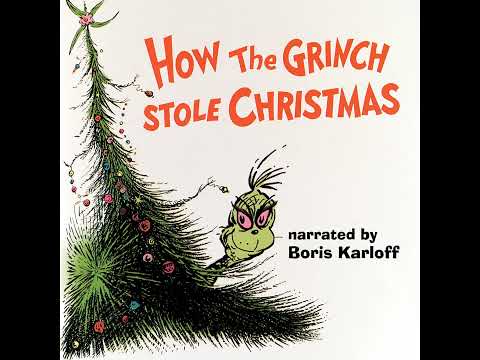
Dr. Seuss' How the Grinch Stole Christmas! (1966) - TV soundtrack track - not. Placed as a musical interlude that underlines the Grinch as a full-time misanthrope, turning character description into a vaudeville roast. The arrangement lets the insults land with a dancer’s timing: setup, punchline, sly orchestral wink.
As a piece of writing, this one is a masterclass in comic nastiness that never tips into cruelty for its own sake. The language is mean, sure, but it is also architectural: each couplet stacks a fresh image, then a sharper one, then a ludicrous garnish. That is why it survives outside the cartoon. You can sing it at a party, quote it at a heckler, or use it as a warm-up for any performance that needs bite without blood.
Musically, the trick is contrast. You get a bass voice that sounds like it was poured from a coal bucket, then you surround it with bright, nimble orchestration. The groove reads like a nightclub swing number that wandered into a children’s storybook and decided to stay. The humor lives in the bounce: the rhythm keeps the venom playful, like a comedian smiling while twisting the knife.
Key takeaways
- Insult as melody: The hook is not a chorus so much as a cadence - each comparison is crafted to be sung, not merely said.
- Cartoon swing: A jazzy pulse gives the track its strut, turning description into movement.
- Voice casting as storytelling: The bass vocal is the sound of a town gossiping in unison, even when only one singer is up front.
Creation History
The song was built for the 1966 animated special as a character sketch set to music: Dr. Seuss wrote lyrics that feel like a children’s rhyme book with sharper elbows, while Albert Hague supplied a swing-minded tune designed for quick punchlines. On record releases, credits commonly list Jesse Kaye as producer for the soundtrack material, with the MGM studio forces providing the polished cartoon-orchestra frame. Later, the tune became a reusable cultural prop: it shows up again in major Grinch adaptations, sometimes as a fairly faithful salute, sometimes as a full makeover. According to Rolling Stone magazine, the 2018 update by Tyler, The Creator leaned into a modernized approach while keeping the recognizable spine of the original.
Song Meaning and Annotations
Plot
The lyric is a guided tour of the Grinch’s reputation. There is no plot twist inside the verses. Instead, it is a musical dossier: a narrator catalogs how unpleasant this character is, using absurd metaphors to keep the mood comic rather than grim. In the context of the story, it functions like a crowd chant you are allowed to hear, even when the town is offscreen.
Song Meaning
The meaning is less about literal hatred and more about social myth-making. The Grinch is framed as a villain so total that ordinary language fails, which forces the lyricist to invent comparisons and escalate them. It is not just "he is bad" - it is "he is an entire bestiary of badness," rendered as a carnival act. The hidden moral is simple: if a community repeats a story about someone long enough, the story becomes the person, until something in the narrative breaks.
Annotations
"You really are a heel"
In modern slang, "heel" can mean a villain, especially in pro wrestling. That framing matters because it suggests the Grinch is not merely disliked - he is cast as the designated bad guy, the one the crowd is meant to boo. It is a neat shortcut: one word, and the song becomes a ring entrance.
"I wouldn't touch you with a thirty-nine-and-a-half-foot pole"
This is Seuss taking a common idiom and stretching it until it becomes visual comedy. The specific measurement makes the exaggeration feel official, like someone filed a safety report about interacting with the Grinch.
"You're a three-decker sauerkraut and toadstool sandwich / With arsenic sauce"
The gag here is texture. You can almost smell it. The lyric does not just call him toxic, it imagines toxicity as lunch, then adds one final absurd flourish. It is gross, but in the way kids enjoy gross: a safe shiver.
Under the jokes, you can hear a cultural touchpoint older than pop radio: the tradition of the comic insult list. Shakespeare did it, vaudeville did it, and schoolyards still do it. Seuss simply makes it singable and child-safe by routing the meanness through impossible imagery - cactus, eel, garlic, spiders, greasy peel. Nothing is realistic, which keeps the tone light even as the narrator goes for the throat.
Genre and rhythm
The pulse sits in that cartoon swing pocket: a steady strut that lets the orchestra punctuate the end of each line. The rhythm is the engine of the humor. Without that bounce, the lyric would read harsher. With it, the insults dance.
Emotional arc
This is not a redemption song, it is the opposite: it freezes the Grinch in his worst reputation. The arc is escalation - each verse tries to outdo the last. That is why later adaptations love to reuse it: you can drop it into any version of the story and instantly communicate who the Grinch is before the plot softens him.
Poetic craft
Seuss favors a fast, rolling meter with jaunty stresses that push the singer forward. The rhyme scheme is tight enough to feel inevitable, but flexible enough to allow oddball words. It is a lyricist’s party trick: making very specific nonsense feel natural on the tongue.
Technical Information
- Artist: Thurl Ravenscroft
- Featured: Jesse Kaye (producer credit on some releases and compilations)
- Composer: Albert Hague
- Producer: Jesse Kaye
- Release Date: December 18, 1966
- Genre: Holiday, cartoon swing, novelty pop, jazz-leaning orchestral
- Instruments: Bass vocal, orchestra, brass and reeds, percussion
- Label: Mercury Records
- Mood: Sardonic, theatrical, comic menace
- Length: 2:56 (common soundtrack cut)
- Track #: 4 (on the 1966 TV soundtrack sequence)
- Language: English
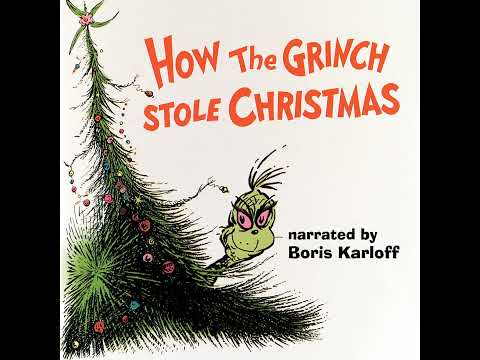
- Album: Dr. Seuss' How the Grinch Stole Christmas! (1966 TV Soundtrack) - also reissued in later soundtrack editions and seasonal compilations
- Music style: Swing feel with animated orchestral stabs and a bass vocal lead
- Poetic meter: Seuss-style rolling anapestic drive with performance-friendly variations
Questions and Answers
- Who wrote the words?
- Dr. Seuss wrote the lyric, leaning on his trademark rhyme logic, where each comparison escalates into a stranger one.
- Who composed the music?
- Albert Hague wrote the tune, giving the vocal line a swing-friendly shape that makes the insults feel like choreography.
- Why do people confuse the singer with Boris Karloff?
- The 1966 special did not clearly credit the vocalist for the song in its closing credits, so audiences made a natural leap to the narrator they already knew.
- Is it a villain song?
- Yes, but it works like a public roast. The narrator is not seduced by evil, he is cataloging it, with a grin.
- What makes the lyric memorable?
- Specificity. "Greasy, black peel" beats a generic insult every time. The images are concrete, silly, and a little disgusting.
- Does the song advance the story?
- Indirectly. It builds the Grinch as a legend, so the later change of heart feels larger than one character choice - it is a crack in a whole reputation.
- How do later adaptations treat the tune?
- They often keep the recognizable skeleton but alter the style. The 2018 film version, for example, was reworked into a modern production frame while still tipping its hat to the classic hook.
- Is "heel" here meant literally?
- No. It is a label for a bad guy, and it lands because it sounds like a crowd verdict.
- What is the main vocal challenge?
- Clarity. The lyric is dense, and the performance needs crisp consonants so the jokes do not blur.
- Why does it feel jazzy without being a jazz standard?
- The swing feel and orchestral punctuation borrow from jazz language, but the structure is built for story and character, not improvisation.
Awards and Chart Positions
The larger Grinch soundtrack legacy has real institutional clout: the companion recording for the TV special won a Grammy for children’s recording categories at the 10th Annual ceremony. The song itself has also charted in the streaming era, resurfacing seasonally as listeners cycle back through holiday staples.
| Category | Result | Notes |
|---|---|---|
| Grammy (children’s recording category) | Winner (soundtrack album) | Companion recording to the 1966 TV special received the award at the 10th Annual ceremony. |
| US Holiday 100 | Peak: 14 | Seasonal chart behavior typical of evergreen holiday recordings. |
| US Hot 100 | Peak: 31 | Streaming-era revival pushed the classic into broader chart territory. |
| Canada (Canadian Hot 100) | Peak: 50 | Holiday-season recurrence. |
| Billboard Global 200 | Peak: 87 | Seasonal global streaming lift. |
How to Sing You’re a Mean One, Mr. Grinch
Because recordings and arrangements vary, treat these as practical targets, not carved-in-stone facts. Still, the classic approach tends to orbit a swing feel with a low bass center of gravity.
- Common original key reference: G major is widely reported for the classic soundtrack listing in some databases, while published vocal-lead sheets often appear in G minor for swing-style arrangements.
- Tempo reference: Around 104 BPM is a common estimate for the classic cut in music analytics databases.
- Vocal range reference: A low bass span is commonly reported around G2 to G3 for the original-style delivery.
- Style: Moderate swing with spoken-sung bite, like a nightclub narrator reading a funny police report.
- Tempo: Practice the lyric at a steady medium tempo first, then add swing. If you swing too early, you will smear the consonants.
- Diction: Over-articulate the hard sounds (k, t, g, p). This song lives on textures like "cactus," "greasy," and "garlic."
- Breathing: Mark breaths by meaning, not by measure. Take air before the long insult runs, not in the middle of the joke.
- Flow and rhythm: Treat each couplet like a stand-up setup and punchline. The downbeat is your punch.
- Accents: Hit the descriptive nouns (banana, peel, spiders, soul). Let the small words stay light.
- Ensemble and doubles: If you have backing voices, use them like a heckling chorus on select words, not constantly.
- Mic technique: Keep the bass tone close, but step back on big plosives. The comedy dies if the mic pops.
- Pitfalls: Do not rush. If you sprint, the lyric becomes a blur of insults instead of a parade of images.
- Practice materials: Drill tongue-twister fragments on a single pitch, then reintroduce melody. It is the fastest way to keep clarity at speed.
Additional Info
The song’s second life is almost as famous as its first. It got pulled into the 2000 live-action film world, where Jim Carrey performs it in character, and it returned again in the 2018 animated reboot with a modern update by Tyler, The Creator. Industry coverage at the time treated that update as a headline event, and critics framed it as a deliberate modernization rather than a throwaway cover. It is the rare seasonal standard that can absorb new production styles without losing its silhouette.
On the stage side, official materials for the musical adaptation explicitly position the tune among the signature numbers carried over from the animated original, which is telling. When producers want audiences to feel instantly at home in Whoville, they reach for this one. It is a sonic logo.
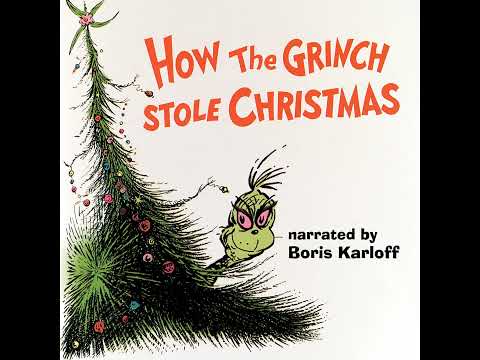
One more wrinkle I always enjoy: the discography around the 1966 material can be confusing, with different reissues and configurations across decades. Specialty history writing has noted how reissue art and labeling made it harder for listeners to tell which album was tied directly to the TV special, especially as later releases reshuffled tracks and presentation.
Key Contributors
| Entity | Type | Relationship statement |
|---|---|---|
| Thurl Ravenscroft | Person | Thurl Ravenscroft performs the lead vocal for the 1966 recording. |
| Theodor Geisel (Dr. Seuss) | Person | Dr. Seuss writes the lyrics that define the Grinch through escalating metaphors. |
| Albert Hague | Person | Albert Hague composes the melody and musical framework. |
| Jesse Kaye | Person | Jesse Kaye is credited as producer on soundtrack releases and track metadata. |
| Mercury Records | Organization | Mercury Records issues the 1966 TV soundtrack release configuration. |
| How the Grinch Stole Christmas! (1966 TV special) | Work | The 1966 TV special introduces the song as a character-defining interlude. |
| How the Grinch Stole Christmas (2000 film) | Work | The 2000 film repurposes the tune with an in-character performance by Jim Carrey. |
| The Grinch (2018 film) | Work | The 2018 film features a modernized version recorded by Tyler, The Creator. |
| Dr. Seuss' How the Grinch Stole Christmas! The Musical | Work | The stage musical keeps the song as a marquee number for audience recognition. |
Sources: GRAMMY.com, Rolling Stone magazine, Pitchfork, Apple Music, Billboard, Nonesuch Records, Hal Leonard, Cartoon Research