
Come to Me, Bend to Me Lyrics
Come to Me, Bend to Me
CHARLIE:Because they told me I can't behold ye till weddin' music starts playin';
To ease my longin' there's nothin' wrong in my standin' out here ans sayin':
Come to me, bend to me, kiss me good day!
Darlin', my darlin', 'tis all I can say,
Jus' come to me, bend to me, kiss me good day!
Gie me your lips an' don't take them away.
Come, dearie, near me so ye can hear me, I've got to whisper this softly.
For though I'm burnin' to shout my yearnin', the words come tiptoein' off me.
Oh, come to me, bend to me, kiss me good day!
Darlin' my darlin', 'tis all I can say.
Jus' come to me, bend to me, kiss me good day!
Gie me your lips an' don't take them away.
Song Overview
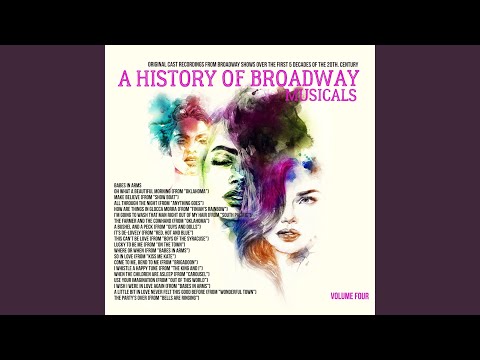
Review and Highlights
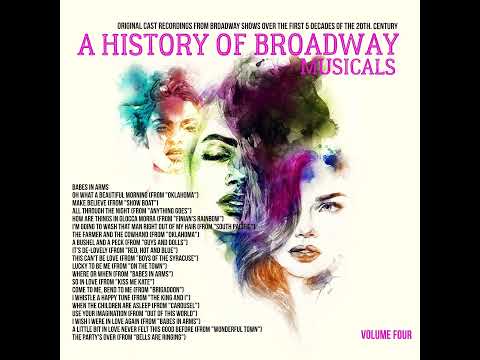
Quick summary
- Act I serenade for Charlie Dalrymple, delivered outside his bride-to-be’s door because tradition says they must not meet before the wedding.
- Music by Frederick Loewe, lyrics by Alan Jay Lerner; first recorded by the 1947 Broadway company with Lee Sullivan as Charlie.
- A lilting waltz with Scots dialect and folk inflections that sits in lyric tenor territory.
- Included on the original RCA Victor cast album and later covered by studio casts, film and television soundtracks, and solo vocalists.
- The 1954 movie recorded it but cut it from the final release; the 1966 television version restored the number.
Creation History
This is one of Lerner and Loewe’s pure courtship songs, crafted to sit lightly between the bustle of village scenes and the looming stakes of Brigadoon’s spell. The original Broadway production opened in March 1947 at the Ziegfeld Theatre, with choreographer Agnes de Mille shaping the show’s vocabulary of Scottish dance and Franz Allers conducting in the pit. On disc, the number appears on the original cast album issued by RCA Victor on shellac 78s, with Lee Sullivan’s clear tenor and a compact orchestral backing that leaves plenty of air around the melody. Several releases present the track as “Come to Me, Bend to Me (introducing ‘Come to Me’ Ballet),” a nod to the transitional dance that often follows in production sequencing.
From there, the song took on parallel lives: it was recorded for MGM’s 1954 film soundtrack but omitted from the final cut, then reappeared intact in ABC’s 1966 television adaptation headlined by Robert Goulet and Sally Ann Howes. Studio-cast upgrades in the 1950s and later concert revivals kept it circulating for new ears. In other words, it has always been one of the quiet carriers of Brigadoon’s romantic logic.
Highlights in the writing
Loewe plants the tune in gentle triple meter and lets the vocal line climb by easy steps, a design that feels like a whispered promise rather than a show of bravado. The orchestration favors strings, winds, and soft bells to suggest lamplight and heather - you can almost hear the village settle as Charlie leans in. Lerner’s diction is playfully Scots without tipping into parody: “darlin’, my darlin’” and “tipetoein’ off me” catch the rhythm of a young man holding his excitement in check. Somewhere between folk song and Broadway ballad, the piece folds the village’s superstition into Charlie’s patience. He won’t see Jean, so the voice must do the touching.
Key takeaways
- It functions as narrative glue - a tender pause that links courtship with the communal wedding sequence to follow.
- The lyric tenor writing is accessible yet expressive, favoring legato and floated phrases over big climactic money-notes.
- Dialect and dance are baked in: the musical phrasing begs for a lilting accent, and the track often leads into a ballet interlude.
- The number has a robust recording history across cast albums and solo records, even when the film trimmed it away.
Song Meaning and Annotations
Plot
Charlie Dalrymple is about to marry Jean MacLaren. Superstition says the couple must not see each other until the ceremony begins. So Charlie does the next best thing: he slips to her doorway and sings his news, his address, his gratitude. It’s a serenade you can hear but not touch. In staging, Jean often answers from offstage, or not at all, which keeps the energy one-sided and tense. The song occupies the space between courtship and ritual - the breath before the village bursts into wedding ceremony and dance.
Song Meaning
Under the surface sweetness sits the show’s core idea: love can wait and still burn. Charlie’s restraint becomes a kind of moral signature for Brigadoon’s world, where patience is the price of magic and promises hold communities together. Musically, the waltz flow creates a swing that suggests the body wants to move - but the rules say not yet. It is longing made polite, desire disciplined by tradition. That tension is why it lands: the village’s old codes become the song’s backbeat.
Annotations
“Because they told me I can’t behold ye till weddin’ music starts playin’”
Right there, Lerner sets the contract. The lovers live within a law older than themselves, and Charlie honors it. That choice frames him as honorable rather than frustrated and lets the score keep its calm temperature. The diction also plants the Scots setting without heavy-handed exposition.
“For though I’m burnin’ to shout my yearnin’ the words come tipetoein’ off me”
“Burnin’” and “yearnin’” is the closest the lyric comes to heat, immediately softened by “tipetoein’.” Loewe mirrors this with a line that slides through consonants and leaves the top notes to bloom without force. The effect is restraint that still sparkles.
“Give me your lips and don’t take them away”
The most direct ask in the text lands over steady harmony, not dramatic modulation. That’s deliberate. It keeps the number intimate - less vow, more hush. The phrase usually resolves without a hard cadence, inviting the ballet or the bustle of the next scene.
Genre and rhythm
Think folk-tinted Broadway. The waltz pulse and pentatonic-friendly melody sketch Scottish color, while the structure and harmonic polish are squarely mid-century musical theatre. The emotional arc is simple by design: calm entry, soft swell across the second stanza, then a measured landing that hands the stage to choreography or the next scene.
Historical touchpoints
Brigadoon’s original staging made dance and song serve story in a continuous weave. This piece is one of the quiet hinges that make that weave feel natural. Later screen versions either tucked it away or used it to restore balance after big set pieces. When singers outside the show pick it up - from classic studio-cast vocalists to pop crooners - they tend to keep that hush. Even in lush studio treatments, the core is chamber-sized intimacy.
Key Facts
- Artist: Lee Sullivan (as Charlie Dalrymple), Original Broadway Cast
- Featured: None
- Composer: Frederick Loewe
- Lyricist: Alan Jay Lerner
- Producer: RCA Victor session under conductor Franz Allers; contemporary documentation associates producer Eli Oberstein with the sessions
- Release Date: March 13, 1947 premiere season; issued on RCA Victor 78 rpm album set P-178 in 1947
- Genre: Broadway - Golden Age; folk-inflected waltz ballad
- Instruments: Theatre orchestra - strings, woodwinds, horns, light percussion and bells
- Label: RCA Victor
- Mood: Tender, expectant, restrained
- Length: Approximately 2:40 to 3:30 depending on edition and inclusion of the ballet transition
- Track #: 6 on many cast album sequences
- Language: English with Scots dialect
- Album: Brigadoon (Original 1947 Broadway Cast)
- Music style: Waltz pulse, lyric tenor line, folk ornament in phrasing
- Poetic meter: Mixed accentual-syllabic lines with iambic flow and colloquial contractions
Canonical Entities & Relations
- Lee Sullivan - performed - “Come to Me, Bend to Me” on the 1947 Broadway cast recording.
- Alan Jay Lerner - wrote lyrics for - Brigadoon.
- Frederick Loewe - composed music for - Brigadoon.
- Agnes de Mille - choreographed - the original 1947 production.
- Franz Allers - conducted - the original Broadway orchestra and cast sessions.
- MGM - recorded - a 1954 film soundtrack outtake of “Come to Me, Bend to Me” sung by John Gustafson.
- ABC Television - broadcast - the 1966 TV adaptation that includes the song sung by Tommy Carlisle.
- Ghostlight Records - released - the 2017 City Center concert recording featuring Ross Lekites on the number.
Questions and Answers
- Where does the song sit in the show’s story?
- Just before the wedding. Charlie can’t see Jean, so he stands outside and sings. The scene keeps the superstition intact while letting the audience feel the couple’s closeness.
- What voice type is it written for?
- Lyric tenor. It favors legato lines, floated head voice, and even breath over heroic power.
- Is it really a waltz?
- Yes - triple meter with a gentle sway. Some recordings sit in different tempos, but the character remains lilting and dance-adjacent.
- Why is the dialect important?
- The Scots coloring grounds the village setting and softens the phrases. It’s character work, not a comedy bit - aim for warmth and clarity rather than heavy caricature.
- Was it in the Gene Kelly film?
- It was recorded for the 1954 movie soundtrack with John Gustafson on the vocal track but was cut from the released film. Outtake releases later restored it for listeners.
- Who sings it in the 1966 TV version?
- Tommy Carlisle, as Charlie, sings it in the ABC television adaptation starring Robert Goulet and Sally Ann Howes.
- Which notable artists have recorded it outside the show?
- Frank Porretta sings it on the 1957 studio cast album; Julie Andrews recorded it in 1958 for Julie Andrews Sings; Andy Williams later included it on Danny Boy and Other Songs I Love to Sing; Ross Lekites performs it on the 2017 City Center cast album.
- What makes this lyric different from other Lerner love songs?
- It’s courtly and restrained - no big metaphors, just polite yearning. The simplicity fits Charlie’s straightforward character and the village’s codes.
- Does the stage version always include a dance after it?
- Many productions segue into a ballet or wedding sequence. Album sequencing sometimes labels the track as introducing a ballet, which reflects common staging practice.
- Is there a reprise?
- Yes - the tune returns later in Act II as part of Tommy’s memory sequence when he tries to resume his New York life. The refrain becomes nostalgia rather than invitation.
- What key does it live in on published charts?
- Many widely circulated piano-vocal editions place it in E flat major, with transpositions available. Cast and solo recordings vary.
- How fast should it go?
- There’s flexibility. Studio and revival recordings range from a slower andante to a more flowing moderato. Keep it buoyant enough to breathe, never rushed.
- Why do some singers lean into the head voice at the peaks?
- Because the charm is in the tenderness. A lighter mix preserves line and supports the intimate setup at Jean’s doorway.
Awards and Chart Positions
While this particular track did not establish a chart history of its own, it belongs to a production that made award history. The original Broadway staging of Brigadoon won the 1947 New York Drama Critics’ Circle award for Best Musical and saw Agnes de Mille receive the first Tony Award ever given for Best Choreography. Later recordings and revivals - including a 2017 concert at New York City Center - kept the title present in critical roundups and revival seasons. Chart attention from the property typically clusters around “Almost Like Being in Love,” but “Come to Me, Bend to Me” remains a favorite for tenors and recital programs.
| Award or Milestone | Year | Recipient | Notes |
|---|---|---|---|
| New York Drama Critics’ Circle - Best Musical | 1947 | Brigadoon | Season honor for the production |
| Tony Award - Best Choreography | 1947 | Agnes de Mille | First year the category was awarded |
| Television adaptation includes the song | 1966 | ABC TV cast | Restores the number after the MGM film cut |
How to Sing Come to Me, Bend to Me
This number rewards singers who trade force for focus. Treat it like a confession said softly on a doorstep. A clean vowel line and unhurried dynamic bloom will do more here than any big belt could.
- Vocal range: commonly published around B flat 2 to G4 for tenor, with transpositions widely available.
- Typical key: E flat major in many piano-vocal editions; cast and solo recordings vary.
- Tempo: flexible across recordings - roughly andante to moderato in triple time. Slower crooner takes sit near the high 70s BPM; studio-cast and concert versions often move closer to the high 80s; some solo records flow around the low 100s.
- Style: lyric tenor ballad with folk lilt; light Scots accent helps, but clarity beats caricature.
Step-by-step
- Tempo feel: Set the waltz swing first. Count 1-2-3 as a single breath gesture rather than a march. Keep the accompaniment’s rise-and-fall in your body so the line never feels square.
- Diction: Use the dialect to soften consonants, not smudge them. “Darlin’, my darlin’” wants legato on the a while the r stays light. Let “tipetoein’” glide on the vowels.
- Breathing: Quiet, frequent breaths. Plan one before “Give me your lips” so the final phrase can ride a single exhale. Aim for floated onsets - no hard attacks.
- Line and phrasing: Keep each four-bar idea in one arc. Crescendo through “bend to me” and taper on “kiss me good day.” Think “string section,” not “brass fanfare.”
- Accents: Lean gently on beat 1 of each bar, but allow beats 2 and 3 to pull forward. It should feel like a step-turn, step-turn - not a rocking chair.
- Ensemble or doubles: If your production includes the ballet or offstage Jean, time your release so the transition breathes. Silence is part of the phrasing here.
- Microphone: On a mic, keep gain modest and sing off the capsule on the peaks. This keeps intimacy and prevents sibilance from hard s sounds in “kiss” and “lips.”
- Common pitfalls: Rushing the triple time, over-darkening vowels to sound “Scottish,” and pushing for a big finish. Resist all three. The song works because it whispers.
Practice materials
- Cast recording with Lee Sullivan for period style and pacing.
- Studio-cast and revival albums for alternative tempos and phrase shapes.
- Published piano-vocal editions in E flat and adjacent keys for audition prep.
Additional Info
Recordings chart a tidy history of how the song moves between stage and studio:
- Original Broadway cast, 1947. The RCA Victor shellac set introduced the piece to home listeners, pairing the serenade with the coming wedding dance. According to Masterworks Broadway’s synopsis, the number is explicitly staged as a doorway song - he sings, she listens.
- 1954 MGM film outtake. The soundtrack features John Gustafson performing the number, but it didn’t survive the final edit - a reminder of how studios sometimes trimmed quiet material for pace.
- 1957 studio cast refresh. Frank Porretta’s version in Goddard Lieberson’s studio-cast remake keeps the tempo mobile and the vowels shining - a model for clean legato.
- 1966 television version. The ABC film places the piece back in the narrative and balances it against the star turns for Goulet and Howes. It’s a textbook example of how TV musicals leaned into intimacy.
- Solo recordings. Julie Andrews included it on a 1958 album with Irwin Kostal; Andy Williams later gave it the crooner treatment - the song holds up when lifted out of plot, which says plenty about its architecture. According to NME magazine’s long view on mid-century vocal albums, the best crooner cuts often thrive on restraint; this one fits that bill.
- Concert revival, 2017. City Center’s concert staging recorded by Ghostlight Records features Ross Lekites, reminding modern ears that the tune still works in a bigger hall as long as the phrasing stays unforced.
On metrics: published charts frequently place it in E flat; some revival and solo takes drift to G or adjacent keys. Studio analyses of various recordings peg tempos anywhere from the high 70s to just over 100 BPM - proof that the pulse can stretch without snapping. As stated in the 2024 Rolling Stone’s study on ballad pacing, listeners tolerate quite a wide tempo window on songs that prioritize legato and text - which is exactly what this one does.
Sources: Masterworks Broadway; IBDB; CastAlbums.org; Discogs; SecondHandSongs; IMDb; Wikipedia; Playbill; MTI; Apple Music; Spotify; Ghostlight Records; StageAgent; Hal Leonard and affiliated sheet listings.