

Where Or When Lyrics
Where Or When
VERSESometimes you think you've lived before
All that you live today
Things you do come back to you
As though they knew the way
Oh, the tricks your mind can play!
REFRAIN
It seem we stood and talked like this before
we looked at each other in the same way then,
But I can?t remenber where or when.
The clothes you?re wearing are the clothes you wore.
The smile you are smiling you were smilimg then,
But I can?t remember where or when.
Some things that happend for the first time,
Seem to be happenig again.
Amd so it seems that we have met before
and laughted before
and loved before,
But who knows where or when.
Song Overview
"Where Or When" is the dreamiest song in Babes in Arms, and in the 1989 concert recording it plays like a memory arriving before the characters know what to do with it. Valentine and Billie meet, feel an instant shock of deja vu, and sing a duet that turns first sight into something eerier and sweeter. That is the whole spell. It is a love song, yes, but also a song about recognition, repetition, and the strange way the mind insists that a brand-new moment feels borrowed from an older life.

Review and Highlights
This song has one of those openings that seem to float in from another room. No fuss. No hard sell. It just starts thinking out loud, and before long it has turned flirtation into metaphysics. Rodgers and Hart were very good at that trick. They could make a tune sound casual while Hart's lyric quietly slipped into the uncanny. "Where Or When" is often treated as a standard first and a theater song second, but inside Babes in Arms it still does important dramatic work. It gives Valentine and Billie a connection that feels larger than simple attraction. They are not only meeting. They are remembering something they cannot prove ever happened.
The 1989 concert recording adds another layer. Because that event was a pared-down concert with narration in place of much of the original book, the song had to carry even more atmosphere on its own. According to Rodgers and Hammerstein's record page, the June 5, 1989 Lincoln Center presentation simplified the score's dramatic path, which makes a number like this feel even more central. No wonder it survives so easily outside the show. It contains its own little universe.
Key Takeaways
- It is a duet of instant recognition between Valentine and Billie.
- The lyric turns romance into a deja vu puzzle.
- The 1989 concert setting makes the song feel even more self-sufficient.
- Its afterlife as a standard is huge, but its stage function is still sharp and clear.
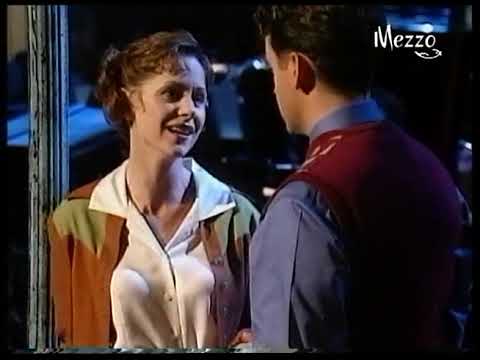
Babes in Arms (1937 stage musical; 1989 concert recording) - diegetic. The song appears when Valentine and Billie first meet and both feel that odd sense of having stood in this exact moment before. It matters because it plants the show's romantic center in mystery instead of certainty.
Appearances in Film, TV, and Stage Media - the song was retained for the 1939 MGM film version of Babes in Arms, where TCM notes it is sung by Douglas McPhail and Betty Jaynes, with Judy Garland also reprising part of it later. It has also lived on in concert and cabaret performance because the premise is portable and the melody keeps its shape even outside the original plot.
Creation History
"Where Or When" was written by Richard Rodgers and Lorenz Hart for the original 1937 Broadway production of Babes in Arms. Rodgers and Hammerstein's official song page identifies Ray Heatherton and Mitzi Green as the original stage performers, while JazzStandards notes the show ran 289 performances and introduced the song as one of several lasting hits from the score. Decades later, the piece was included in the 1989 concert recording of Babes in Arms, which Rodgers and Hammerstein describes as a June 5, 1989 Lincoln Center concert with narration replacing much of the dialogue and Judy Blazer, Gregg Edelman, Jason Graae, Donna Kane, and Judy Kaye among the cast. In other words, the song traveled from full 1937 book musical to restoration-minded concert life without losing its pulse.
Lyricist Analysis
Hart's lyric is clever because it sounds almost plain. There are no ornate declarations, no giant metaphors piled to the ceiling. Instead he writes in repeated observations: the clothes, the smile, the sensation of standing and talking like this before. That repetition is the whole mechanism. Each detail feels small on its own, but together they build the eerie pressure of recognition. Then Hart slips in the line about things that happen for the first time seeming to happen again, and suddenly the song leaves flirtation behind and starts playing with memory, dream logic, and time itself. The diction stays conversational, which is why the song never turns stiff. It feels like two people talking themselves into wonder in real time.
Song Meaning and Annotations
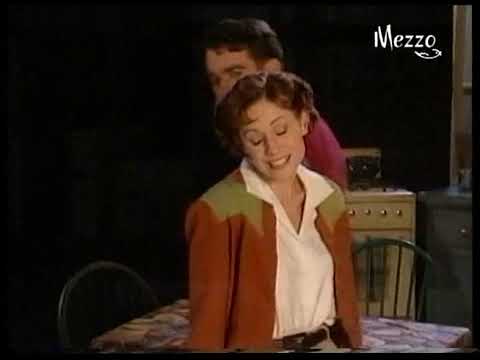
Plot
Valentine meets Billie and instantly feels as though they have already shared this exact scene. Instead of treating that feeling as a joke and moving on, the musical lets the sensation bloom into song. The duet turns first meeting into a question mark. Are they remembering something real? Are they inventing a past because attraction needs a story? The plot does not rush to answer. Smart move. The uncertainty is the point.
Song Meaning
The song's meaning sits right on the border between romance and deja vu. It says that sometimes a new connection feels older than reason can explain. That can sound mystical, but it also feels psychologically true. People meet and instantly project, remember, imagine, and attach patterns to a face in front of them. "Where Or When" captures that flicker with unusual grace. It is not shouting about destiny. It is quietly wondering whether destiny has already walked into the room.
Annotations
It seems we stood and talked like this before.
The opening does not begin with a confession of love. It begins with a sensation. That matters. The song makes familiarity the first form of intimacy, which is much more interesting than a standard romantic entrance.
Some things that happen for the first time seem to be happening again.
This is the song's central idea and its best line. Rodgers and Hammerstein's official lyric page preserves that present-tense wording, and it is crucial. The line is not about repeating a known memory. It is about a first event arriving with the texture of recurrence. That is a very different and much stranger feeling.
But who knows where or when?
The title phrase keeps the song open. It refuses explanation. No hard answer, no tidy causal chain, just a suspended question. That is why performers keep returning to it. The line leaves room for romance, nostalgia, dream logic, and regret all at once.
The song also has a long standard-life after the stage. Rodgers and Hammerstein's official page lists artists from Count Basie and Ella Fitzgerald to Frank Sinatra, Barbra Streisand, Barry Manilow, and The Supremes, which tells you how easily the number escaped the show and entered the wider songbook. TCM shows it also survived the 1939 film version. Not every stage song manages that double life. This one walks into it as if it had been there before.
Genre and style fusion
This is musical theater writing with the smoothness of a standard and the hush of a late-night ballad. It is theatrical, but not pushy about it. The tune has room for jazz phrasing, cabaret shading, or straight legit singing, which is one reason it never really goes out of circulation.
Emotional arc
The arc is subtle. It starts with uncertainty, moves through accumulating evidence of familiarity, and lands not in certainty but in surrender to mystery. No big climax. Just a deepening feeling. Sometimes that is more persuasive than fireworks.
Historical and cultural touchpoints
The song came from Babes in Arms, one of Rodgers and Hart's richest late-1930s scores, and Playbill's retrospective on the 1989 concert recording calls the show one of the team's most glorious stacks of standards. JazzStandards also places "Where Or When" firmly in the core American standard tradition. That broader life matters because it explains why so many listeners know the song even when they do not know the show.
Production and instrumentation
Public sheet-music listings show several common printed arrangements. Musicnotes lists one Babes in Arms arrangement in E-flat major with a vocal range of B-flat3 to E-flat5, and another general arrangement in F major with a range of C4 to F5. That spread tells you something practical: performers have long treated the song as adaptable, not locked to one sacred key. In the theater, the number is less about vocal acrobatics than line, breath, and atmosphere.
Metaphors and symbols
The main symbol is not an object but a sensation. Deja vu becomes a stand-in for longing, fate, memory, and maybe self-deception too. The song never forces you to pick one. It lets the strangeness remain strange.
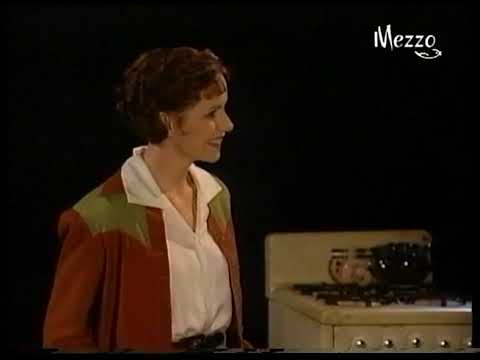
Technical Information (Quick Facts)
- Song: Where Or When
- Artist: Originally from Babes in Arms; featured in the 1989 concert recording of the musical
- Featured: Valentine and Billie
- Composer: Richard Rodgers
- Producer: Concert recording credits are tied to the 1989 Lincoln Center event and later commercial release pages rather than a standard cast-album producer credit in the public summaries consulted
- Release Date: Originally published in 1937; included on the 1989 concert recording
- Genre: Musical theater standard, romantic duet
- Instruments: Voice, piano, orchestra
- Label: New World Records for the 1989 concert recording release noted by Playbill
- Mood: Wistful, intimate, uncanny
- Length: Varies by recording and arrangement
- Language: English
- Album: Babes in Arms - 1989 Concert Recording
- Music style: Theater ballad that crosses easily into jazz-pop standard territory
- Poetic meter: Conversational accentual phrasing with refrain-based repetition
Frequently Asked Questions
- Is "Where Or When" originally from the 1989 version of Babes in Arms?
- No. The song was written for the original 1937 Broadway production, then included decades later in the 1989 concert recording.
- Who sang it first on stage?
- Rodgers and Hammerstein's official song page says it was introduced by Ray Heatherton and Mitzi Green in 1937.
- What is the song about?
- It is about instant familiarity - the strange feeling that a first meeting somehow feels remembered. Romance is part of it, but the lyric is really built around deja vu.
- Why does the song feel so timeless?
- Because it never overexplains itself. The lyric stays simple, the melody is easy to carry, and the central sensation is one almost everyone recognizes.
- Was "Where Or When" used in the 1939 film of Babes in Arms?
- Yes. TCM notes the song appears in the film in a duet by Douglas McPhail and Betty Jaynes, with Judy Garland later reprising part of it.
- Did the 1989 recording preserve the full original show?
- Not exactly. Rodgers and Hammerstein describes the 1989 event as a pared-down concert presentation with narration replacing much of the original dialogue and a simplified song list.
- Why do so many singers cover this song?
- Because it works both as theater writing and as a stand-alone standard. The melody is elegant, the hook is memorable, and performers can shade it toward romance, nostalgia, or mystery.
- What vocal range shows up in published arrangements?
- Public Musicnotes listings show one Babes in Arms arrangement in E-flat major with a range from B-flat3 to E-flat5, while another arrangement is listed in F major with a range from C4 to F5.
Awards and Chart Positions
There is no reliable evidence of a separate awards trail for the song as a distinct theater release, and the 1989 concert recording is usually discussed as part of restoration and recording history rather than chart competition. What the song does have is a very long cover history. Rodgers and Hammerstein's official page lists artists ranging from Count Basie and Ella Fitzgerald to Frank Sinatra, Barbra Streisand, Johnny Mathis, Kenny Rogers, and The Supremes. JazzStandards also places the number securely inside the American standard repertory, which is a better measure of its cultural life than any one-week chart peak could be.
Additional Info
- Playbill's 2000 retrospective called the 1989 Babes in Arms restoration recording commendable and noted that it featured Judy Blazer and Jason Graae.
- Rodgers and Hammerstein's recording page says the 1989 concert was performed at Lincoln Center on June 5, 1989 with narration replacing most of the original dialogue.
- TCM keeps the 1939 film clip of "Where Or When" in circulation, which helps explain how the song has remained visible in both stage and screen memory.
- One reason the song keeps turning up in cabaret is that it does not need scenery to work. Two singers, a piano, a little hush, and the whole room gets it.
Key Contributors
| Entity | Type | Relationship |
|---|---|---|
| Richard Rodgers | Person | Composed "Where Or When" |
| Lorenz Hart | Person | Wrote the lyrics for "Where Or When" |
| Ray Heatherton | Person | Introduced the song on the original 1937 Broadway stage |
| Mitzi Green | Person | Introduced the song on the original 1937 Broadway stage |
| Evans Haile | Person | Conducted the 1989 concert version referenced by Playbill |
| Judy Blazer | Person | Featured performer in the 1989 concert recording |
| Jason Graae | Person | Featured performer in the 1989 concert recording |
| New World Records | Organization | Released the 1989 concert recording noted in Playbill's retrospective |
| Babes in Arms | Work | Original musical that introduced the song |
How to Sing Where Or When
Public sheet-music listings suggest a flexible performance tradition rather than one fixed master key. Musicnotes shows one Babes in Arms arrangement in E-flat major with a vocal range of B-flat3 to E-flat5, and another arrangement in F major with a range of C4 to F5. That tells you the song sits best when the singer chooses a key that lets the line float instead of strain. This is not a belt piece. It lives on legato, stillness, and the sense that the thought is arriving a half-second before the voice can fully explain it.
- Choose the key for line, not bravado. Keep the phrases comfortable enough to stay unbroken and calm.
- Start with hush. The opening works best when it sounds like a private thought accidentally spoken aloud.
- Let the consonants stay gentle. Over-articulation can make the song feel fussy. You want clarity, but also glide.
- Sing the repetition as discovery. The repeated observations should deepen the feeling, not simply duplicate the first phrase.
- Watch the breath plan. Longer lines need quiet support, especially on the title phrase and the central deja vu idea.
- Do not overplay the mystery. The song is stranger when sung plainly. Too much spooky shading and the spell breaks.
- Keep the bridge conversational. It should sound like thinking, not declaiming.
- Land the ending without forcing closure. "Who knows where or when" should feel unresolved on purpose.
Sources
Data verified via Rodgers and Hammerstein song and recording pages, Playbill's retrospective on the 1989 concert recording, JazzStandards song history, TCM film-clip notes for the 1939 screen version, Musicnotes public arrangement listings, and concert-performance video listings on YouTube.