

Babes In Arms Lyrics
Babes In Arms
They call us babes in armsbut we are babes in armour.
They laugh at babes in arms
but we'll be laughing far more.
On city street and farms
They'll hear a rising was cry.
Youth will arrive,
let them know you are alive,
make it your cry!
They call us babes in arms
they think they must direct us.
But if we're babes in arms
we'll make them all respect us.
Why have we got our arms,
what have we got our sight for?
Play day is done,
we have a palce in the sun
we must fight for.
So babes in arms to arms!
Song Overview
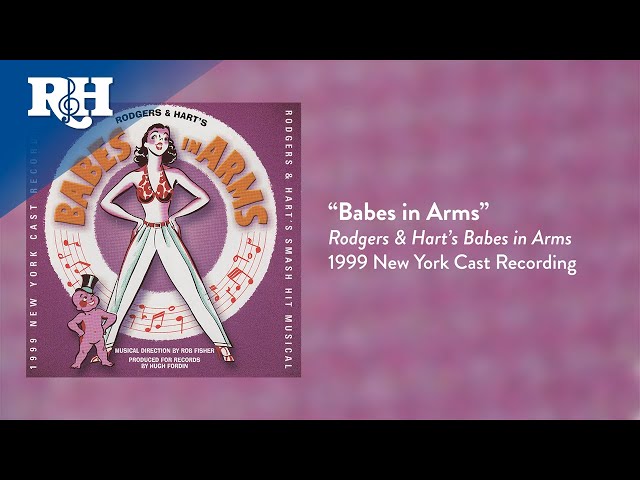
"Babes In Arms" is the title number that gives the show its backbone. In the 1989 concert recording, it lands as a declaration of stubborn youth - Val and the gang refuse to be pushed aside, decide to fend for themselves, and turn uncertainty into a marching-song of self-invention. It is not dreamy like "Where Or When" or sly like "The Lady Is a Tramp." It is a rally. The characters are cornered, broke, and young, so naturally they sing louder.
Review and Highlights
This number is all forward motion. The kids have just been told, in effect, that the adult world has no safe place waiting for them, so they answer with a song that sounds half battle cry, half homemade pledge of allegiance. Rodgers gives it lift and bounce; Hart gives it a lyric that frames youth not as innocence but as energy under pressure. That difference matters. "Babes In Arms" is not a lullaby about being young. It is a refusal to stay helpless.
In the 1989 concert recording, that energy feels especially useful because the show was presented in a streamlined concert format with narration taking over much of the connective tissue. That means the title number has to do real dramatic work fast. It tells you who these people are, what they are up against, and how they want to sound while facing it. According to the official Rodgers and Hammerstein song page, the number is the point where Val and his teenage friends declare their independence and vow to prove their worth. That is the song in one clean sentence.
Key Takeaways
- It is the title number and a group declaration of independence.
- The song frames youth as scrappy resilience rather than softness.
- The 1989 concert format makes the number feel even more central.
- It works as both plot engine and anthem.
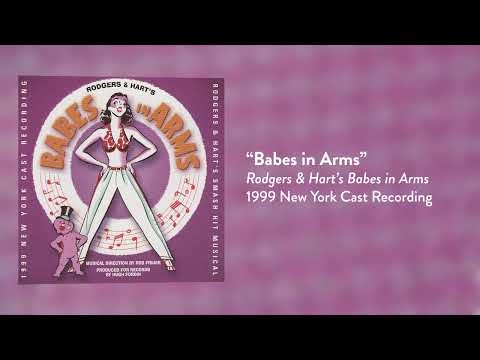
Babes in Arms (1937 stage musical; 1989 concert recording) - diegetic. The number comes after the young characters realize they may be pushed toward a work farm and need to stand on their own. It matters because it gives the show its collective identity - they stop being stranded kids and become a self-made troupe.
Appearances in Film, TV, and Stage Media - the title number survived into the 1939 MGM film version. Rodgers and Hammerstein's production page notes that only two Rodgers and Hart songs remained in that film - the title number and "Where or When" - which gives "Babes In Arms" a stronger direct line from stage score to screen memory than many of its neighboring songs.
Creation History
"Babes In Arms" was written by Richard Rodgers and Lorenz Hart for the original 1937 Broadway production of the same name. The official song page identifies it as the title number in which Val and the teenagers vow to prove themselves, and the official synopsis places it at the moment when the young people decide to stay put and support themselves rather than be shipped off. Decades later, the song was included on the 1989 concert recording conducted by Evans Haile and released by New World Records. Playbill's retrospective on the album describes that recording as a commendable restoration-style version, while New World's own page presents it as a near-entire recovery of one of Rodgers and Hart's richest scores.
Lyricist Analysis
Hart's title lyric is direct in a way that feels almost strategic. He is not trying to dazzle with strange metaphors here. He is trying to unify a group. So the language leans toward declaration, communal rhythm, and forward-facing rhetoric. The phrase "babes in arms" usually suggests helplessness, but Hart flips it. In this song, the words still acknowledge youth and vulnerability, yet they also sound defiant, as if the characters are claiming the insult before anybody else can use it on them. That is sharp writing. Take a phrase that implies weakness, then sing it until it sounds like an identity badge. Rodgers meets that turn with a tune that moves like a march softened by Broadway swing.
Song Meaning and Annotations
Plot
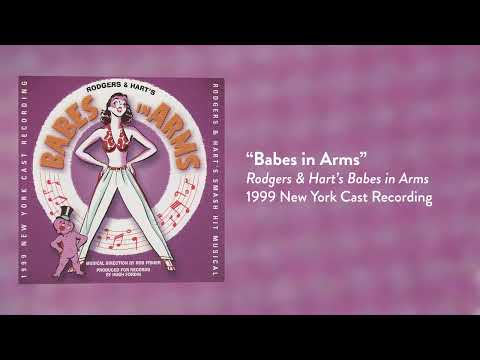
The teenagers have been left behind while the adults go on tour, and the threat of institutional control hangs over them. Instead of folding, they decide to stick together and make something for themselves. "Babes In Arms" is the moment that choice becomes public and musical. It shifts the plot from passive predicament to active resistance.
Song Meaning
The song means that youth is not the same thing as powerlessness. The characters are inexperienced and financially exposed, yes, but the title number says that being unformed can also mean being mobile, improvisational, and hard to pin down. There is optimism in the song, but it is not naive optimism. It is the kind that shows up when people have no better option than courage.
Annotations
They call us babes in arms.
The title phrase begins as a label placed on the characters from the outside. That is important. The song then turns the label around and makes it usable from within. A classic Hart move - language shifts before the plot fully does.
Val and his teenage friends declare their independence and vow to prove their worth.
The official Rodgers and Hammerstein song page sums up the dramatic function that way, and it is exactly right. This is not background atmosphere. It is the moment the kids define themselves in opposition to the adult order around them.
Only two Rodgers and Hart songs, the title number and "Where or When," remained.
That note from the official production page for the 1939 film version tells you something about the number's durability. Even when the material around it changed, this song stayed useful. It carries the premise too clearly to lose.
The title number also reflects the show's Depression-era edge. The original synopsis is full of packed suitcases, absent parents, thin money, and the threat of the work farm. In that context, "Babes In Arms" is not just youthful swagger. It is an answer to economic and social pressure. No wonder it still sounds sturdy.
Genre and style fusion
This is musical theater with traces of a march, a pep song, and a stage-ensemble anthem. It has enough rhythmic snap to feel collective, but enough melodic warmth to stay theatrical instead of purely martial.
Emotional arc
The arc moves from vulnerability to public confidence. The characters do not suddenly become secure. They simply decide to act as though they can carry themselves, and the song gives them the sound of that decision.
Historical and cultural touchpoints
Babes in Arms emerged in 1937, in the long shadow of the Depression, and the show's basic situation - kids scrambling after adults fail them - gives the title number real social bite. Playbill later described the score as one of Rodgers and Hart's most glorious stacks of standards. That makes the anthem quality of this song even more striking. It is not the most covered number from the show, but it may be the one that explains the show's engine most clearly.
Production and instrumentation
Public sheet-music listings show a common printed arrangement in C major with a vocal range of C4 to E5. That suggests a practical, singable theater center rather than a specialist showcase. The point is ensemble clarity and spirit, not ornate vocal display.
Metaphors and symbols
The title is the main symbol. "Babes in arms" usually means infants or inexperienced people, but the song turns it into a banner for collective action. The phrase never fully loses its vulnerability, which is why the number still has some ache under the brass.
Technical Information (Quick Facts)
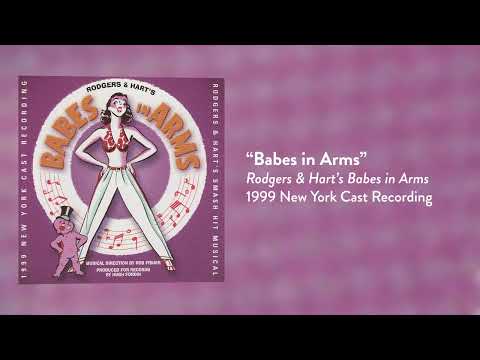
- Song: Babes In Arms
- Artist: 1989 Babes in Arms concert cast
- Featured: Val and the teenage ensemble
- Composer: Richard Rodgers
- Producer: Public summaries emphasize the 1989 concert recording and New World Records release rather than a widely repeated single producer credit
- Release Date: Originally published in 1937; included on the 1989 concert recording released in 1990
- Genre: Musical theater anthem, ensemble show tune
- Instruments: Voice, piano, orchestra
- Label: New World Records
- Mood: Defiant, bright, determined
- Length: About 2:56 on the 1989 recording listings
- Language: English
- Album: Rodgers and Hart: Babes In Arms
- Music style: Ensemble declaration song with march-like swing
- Poetic meter: Conversational accentual phrasing shaped for group delivery
Frequently Asked Questions
- Is "Babes In Arms" the title song of the musical?
- Yes. It is the title number and one of the clearest statements of the show's central idea - young people claiming independence under pressure.
- Was this song part of the 1989 concert recording?
- Yes. The 1989 restoration-style concert recording includes the title song, and major album listings place it as track 3.
- What is the song about?
- It is about a group of young people refusing to accept helplessness. They take a phrase that sounds diminishing and turn it into a collective badge.
- Who sings it in the story?
- The number belongs to Val and the teenage group as a whole, not just one isolated soloist.
- Did the song survive into the 1939 film?
- Yes. The official Rodgers and Hammerstein film page says the title number was one of only two Rodgers and Hart songs retained in the movie version.
- Why is the song less famous than "Where Or When" or "My Funny Valentine"?
- Because it is more tied to plot and ensemble identity than to stand-alone crooning. It is a stage engine first, even though it is still catchy on its own.
- What key appears in public sheet music?
- A commonly listed printed arrangement appears in C major with a vocal range from C4 to E5.
- What makes the song work in performance?
- Clarity, lift, and group conviction. It needs a sense of shared purpose more than vocal decoration.
Awards and Chart Positions
No strong evidence points to a separate chart life or standalone awards trail for the title song as a distinct release from the 1989 concert recording. Its importance is theatrical and historical rather than chart-driven. The larger 1989 album is valued as a restoration-minded recording, while the song itself remains notable for surviving both the original stage version and the 1939 film adaptation.
Additional Info
- Amazon track listings for the 1989 recording place "Babes In Arms" as track 3 with a runtime of 2:56.
- New World Records describes the 1989 album as a near-entire version of the score using original or near-original orchestrations.
- The official synopsis of the original show places the title number right after the kids decide to avoid the work farm by finding another way to support themselves.
- The song's relative scarcity in pop covers compared with other numbers from the score is part of what makes it interesting. It stayed closer to the theater.
Key Contributors
| Entity | Type | Relationship |
|---|---|---|
| Richard Rodgers | Person | Composed "Babes In Arms" |
| Lorenz Hart | Person | Wrote the lyrics for "Babes In Arms" |
| Val | Character | Leads the young group in the title number |
| Evans Haile | Person | Conducted the 1989 concert recording |
| Gregg Edelman | Person | Featured performer on the 1989 recording |
| Judy Blazer | Person | Featured performer on the 1989 recording |
| New World Records | Organization | Released the 1989 concert recording |
| Babes in Arms | Work | Musical that introduced the title song |
How to Sing Babes In Arms
Public sheet-music listings show a practical arrangement in C major with a vocal range from C4 to E5. That tells you the song is built for accessibility and group momentum, not extreme range. The main task is rhythmic unity and confident text. You need it to sound like a group discovering its backbone in real time.
- Set a clean march pulse. The number needs forward motion without sounding stiff.
- Lead with diction. Group songs live or die on whether the text reaches the back row.
- Blend the ensemble without sanding off edge. The kids should sound united, not polished into blandness.
- Use breath at phrase seams. Keep the declarations energized and unbroken.
- Avoid over-singing. This is a conviction song, not a belt contest.
- Keep the emotional center scrappy. The characters are vulnerable, but they are choosing bravado as a tactic.
- Shape the rises together. Ensemble lift matters more than individual flourish.
- Finish with public confidence. The song should feel like a banner being raised, not merely a tune being completed.
Sources
Data verified via Rodgers and Hammerstein song, synopsis, and film pages, Playbill's retrospective on the 1989 recording, New World Records album notes, Amazon track listings for the concert recording, Musicnotes public arrangement details, and a concert-performance clip on YouTube.