
Lonely Heart Lyrics
Lonely Heart
Miss Lonely Heart, what will I do?I am a lonely heart writing to you
Hoping that through your column you will drop me a line
Saying you know a lonely heart as lonely as mine
Miss Lonely Heart, hear my appeal
You seem to know the way lonely hearts feel
That's why I'm writing and I'm asking for a reply
That's why I'm hoping you know someone lonely as I
I'm so blue returning to my lonely room
Ev'ry night, for nothing's quite as lonely as a lonely room
Miss Lonely Heart, I'm by myself
Watching the clock that stands up on the shelf
Hoping to hear the news that you know somebody who
Watches a clock and whispers "I'm a lonely heart too"
Song Overview
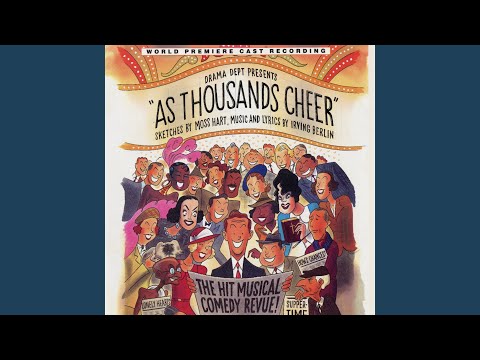
Review and Highlights
Quick summary
- Work: As Thousands Cheer (1933), the Broadway newspaper revue with sketches by Moss Hart and songs by Irving Berlin.
- Original staging credit: Listed in Act I as "Lonely Heart" with dance, with performers including Harry Stockwell and dancers Letitia Ide and Jose Limon.
- Modern listening anchor: Recorded by Judy Kuhn on the 1998 New York revival cast album (about 2:21).
- Scene logic: A lonely-hearts setup, where a private plea is framed like public copy.
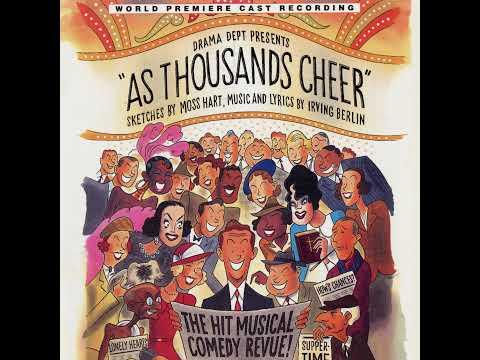
As Thousands Cheer (1933) - stage revue - non-diegetic. This number feels like the paper has turned from headlines to classifieds. The voice is intimate, almost letter-like, but the show’s frame keeps reminding you that even confession can be formatted and sold. Berlin’s craft here is restraint: a simple melodic line, clear cadence, and space for a performer to let meaning arrive a half-second late, like someone rereading what they just admitted.
It also plays nicely against the revue’s louder, splashier items. After the big public wink of a newsroom gag or a weather blowout, "Lonely Heart" pulls the lens in close. That contrast is the trick. It is not a showstopper. It is a scene that breathes, with dance historically attached to it, which suggests the original production treated loneliness as motion, not just a pose.
- Key takeaways:
- Underplayed delivery works better than belting.
- Clarity matters: it is written to sound like spoken confession that happens to sing.
- The best performances keep the tone tender without turning it syrupy.
Creation History
The revue opened at the Music Box Theatre on September 30, 1933, with Berlin and Hart building scenes from newspaper concepts. "Lonely Heart" is documented in the show’s Act I numbers list, paired with dance, and later revived in the 1998 New York production that produced a widely available cast album. Outside theatre, the song also shows up in period and later recordings, including a 1933 Meyer Davis Orchestra side and a 1967 recording by Richard Chamberlain, both pointing to how easily Berlin’s theatre writing could slip into pop presentation.
Song Meaning and Annotations
Plot
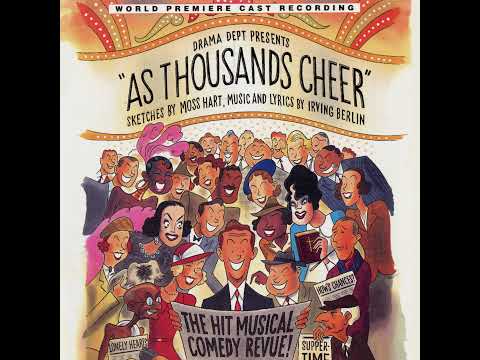
A speaker presents themselves as a "lonely heart" searching for connection. The scene reads like a personal ad turned into a stage moment: a private need shaped into neat lines, with the audience positioned as both confidant and crowd.
Song Meaning
The song is about wanting company without knowing how to ask for it plainly. Berlin writes the sentiment with a soft edge: the speaker wants to be seen, but keeps the request modest, as if too much directness would tempt rejection. Inside the revue’s newspaper frame, that modesty becomes part of the joke and part of the ache - the heart is real, but it is also copy, and copy has to fit the column.
Annotations
"Lonely Heart and Dance - Harry Stockwell, Letitia Ide, Jose Limon"
Show musical numbers listing
The dance credit changes how you can stage the feeling. Instead of a static lament, the original concept suggests movement around the singer: loneliness as a pattern you repeat, a small orbit you cannot break.
"Lonely Heart - Judy Kuhn - As Thousands Cheer (1998 Off-Broadway Cast Recording)"
Platform track listing
This version matters because it is how many listeners meet the song today. Kuhn’s cast-recording context emphasizes the number as a scene, not a standalone pop vehicle, which keeps the lyric’s vulnerability front and center.
One more angle: the lonely-hearts premise is a cultural touchpoint with real history. Newspapers ran advice columns and personal ads as everyday entertainment, and Berlin taps that voice with a gentle wink. It is theatre that borrows the diction of ordinary people trying to sound composed in public. According to IBDB’s production notes, even the original show’s costume and design credits singled out "Lonely Heart" as a distinct visual element, which hints that the staging treated it as a specific kind of page on the paper, not just another song.
Style and emotional arc
The emotional arc stays small on purpose: quiet hope, a flicker of embarrassment, then a steadier claim to deserving love. The harmony does not need to thunder. The point is proximity. If the singer makes it feel like a note passed across a table, the audience leans in without being told to.
Technical Information (Quick Facts)
- Song: Lonely Heart
- Artist: Judy Kuhn (1998 New York revival cast recording reference)
- Featured: Solo voice (often staged with dancers in the original production concept)
- Composer: Irving Berlin
- Producer: Bruce Kimmel (1998 cast recording credit in catalog metadata)
- Release Date: September 30, 1933 (show opening date context); January 1, 1998 (1998 cast album metadata date on major platforms)
- Genre: Musical theatre, traditional pop standard
- Instruments: Theatre orchestra or small band arrangement (varies by version)
- Label: Concord Theatricals (1998 cast album metadata)
- Mood: Tender, cautious, quietly hopeful
- Length: About 2:21 (1998 cast track listing)
- Track #: 6 (1998 cast album track listing on Apple Music)
- Language: English
- Album (if any): As Thousands Cheer (1998 Off-Broadway Cast Recording)
- Music style: Intimate scene song shaped like a personal ad
- Poetic meter: Accentual, speech-led phrasing with regular refrain-like anchors
Frequently Asked Questions
- Who wrote the song?
- Irving Berlin wrote the music and words for the number as part of the 1933 revue score.
- Where does it sit inside the show?
- It appears in Act I, presented as a lonely-hearts style scene and historically linked to dance.
- Who is the best-known modern performer on record?
- Judy Kuhn recorded it for the 1998 New York revival cast album.
- Is it a comedy song?
- It has a soft comedic frame because it borrows the voice of newspaper copy, but the center of it plays straight: a person trying to ask for love without overreaching.
- Are there early recordings from the 1930s?
- Yes. A 1933 recording credited to the Meyer Davis Orchestra circulates, showing the song moving quickly from stage into band-era release culture.
- Did it become a major pop-chart standard?
- It is less associated with chart milestones than the show’s breakout hits. Its footprint shows up more through recordings, revivals, and specialist documentation.
- Does it appear in film or television soundtracks?
- Commonly cited screen placements focus on other Berlin standards from the period, and this title is not consistently listed as a signature film feature number.
- What makes a performance convincing?
- Sing it like you are speaking to one person, not a balcony. Keep tempo steady, diction clear, and let the vulnerable lines arrive without pushing them.
Additional Info
Two small facts make the song feel more tangible. First, the original production documentation highlights that "Lonely Heart" had its own costume and design attention, which suggests the number was staged with a specific look, not just a generic ballad stance. Second, the recording trail is oddly revealing: you can jump from a 1933 band-era discography upload to a 1967 celebrity pop recording and then to the 1998 cast album, and the core idea still works. That is Berlin’s advantage - he writes scene-specific material that keeps enough melodic plainness to survive wardrobe changes.
Key Contributors
| Entity | Type | Relationship (S - V - O) |
|---|---|---|
| Irving Berlin | Person | Berlin wrote the music and words for the song. |
| Moss Hart | Person | Hart wrote the revue sketches and headline frame. |
| Judy Kuhn | Person | Kuhn recorded the song on the 1998 revival cast album. |
| Harry Stockwell | Person | Stockwell is listed as a performer for the original Act I "Lonely Heart" number. |
| Letitia Ide | Person | Ide is credited as a dancer in the original "Lonely Heart" staging. |
| Jose Limon | Person | Limon is credited as a dancer in the original "Lonely Heart" staging. |
| Concord Theatricals | Organization | Concord distributes licensing info and the 1998 cast recording metadata. |
| Music Box Theatre | Venue | The venue hosted the Broadway opening of As Thousands Cheer in 1933. |
Sources
Sources: YouTube topic upload for "Lonely Heart" (Judy Kuhn), Spotify track and album pages for the 1998 cast recording, Apple Music album listing for the 1998 cast recording, Wikipedia entry for As Thousands Cheer (musical numbers list), IBDB production page for As Thousands Cheer, Concord Theatricals show page and track list, YouTube uploads documenting a 1933 Meyer Davis Orchestra recording, YouTube upload of Richard Chamberlain recording.