
Prelude Act I Lyrics
Prelude Act I
InstrumentalSong Overview
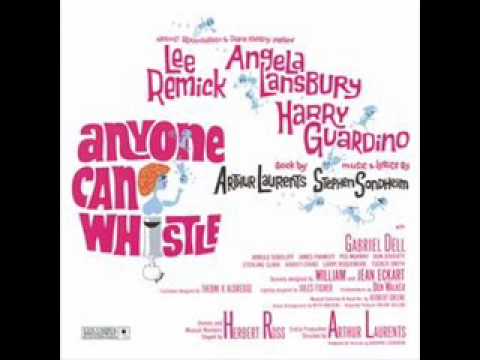
Review and Highlights
Quick summary
- Work: Prelude Act I - instrumental opener from Anyone Can Whistle (Broadway, 1964).
- Function: A curtain-raiser that telegraphs the show’s satiric bite before any character opens their mouth.
- On record: Heard on the Original Broadway Cast Recording (with later expanded editions) and on later complete recordings that restore more connective tissue.
- Sound world: Brassy, quick-footed, and a little nervous - like a parade that cannot decide whether it is civic pride or civic panic.
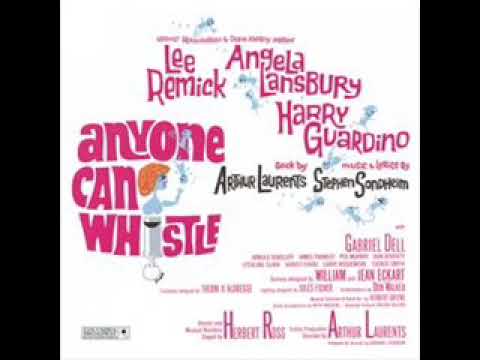
Anyone Can Whistle (1964) - stage musical - non-diegetic. This is the Act I musical front door: it ushers in a town that looks ordinary until the harmony starts smirking. In performance, the prelude typically sits before "I'm Like the Bluebird," setting a tone of conformity under pressure, with the orchestra doing the character work early.
Creation History
Stephen Sondheim wrote both music and lyrics for Anyone Can Whistle, with a book by Arthur Laurents, and the Broadway run opened April 4, 1964 at the Majestic Theatre. The show’s reputation grew after the fact, helped along by the cast album that Columbia chose to preserve even when the production itself collapsed quickly. That background matters here: a prelude is usually polite; this one sounds like it knows the evening is risky and leans into it - a quick tour of the show’s rhythmic motor and its appetite for surprise, later echoed by complete and concert recordings that expand what the original album could not fit.
Song Meaning and Annotations
Plot
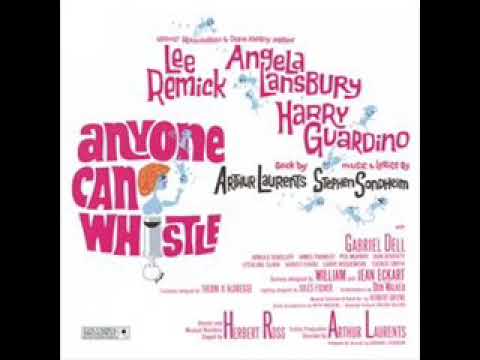
The musical is a satire about a bankrupt town whose leadership tries to manufacture a miracle, while the local asylum’s residents - the so-called Cookies - blur the line between "sane" and "insane." Act I begins in a community that wants order, wants money, wants good optics; the score keeps asking what that costs.
Song Meaning
"Prelude Act I" does not tell the story with words; it frames the story with attitude. The brisk tempos and bright surfaces feel municipal - civic-band energy, public-facing cheer. But the harmony and rhythmic snap hint at strain underneath, like a smile held a beat too long. The meaning, in practice, is theatrical: it primes the audience to expect a comedy that is not interested in being comforting. According to Masterworks Broadway’s album notes, the cast recording became a key vehicle for the score’s afterlife, and that status makes the prelude a kind of calling card: a one-minute thesis that says, "This town is selling something."
Annotations
The score begins with a high-octane Prelude which perhaps echoes the cartoon music of Carl Stalling and Scott Bradley.
That comparison is useful because it points to craft, not just mood. Cartoon scoring is about quick pivots, sharp outlines, and musical punchlines. In this prelude, the orchestra can turn on a dime - a technique that suits a show built on public spectacle and private anxiety.
Rhythm and style fusion
Listen for the way the prelude toggles between parade-drive and something more brittle. It is not content with one stable groove; it keeps tightening the screws, a small preview of how the show treats conformity as both comfort and trap.
Emotional arc
The arc is compressed but clear: a confident opening gesture, a flicker of doubt in the harmony, and a snap back to forward motion. The orchestra is essentially saying, "Keep moving," which is exactly what towns, politicians, and crowds do when the story starts to wobble.
Cultural touchpoints
Mid-century American public music - bands, civic ceremonies, bright institutional sound - sits in the background. The score borrows that language and then lets it misbehave, a neat match for a plot about a town staging a miracle as tourism marketing.
Technical Information (Quick Facts)
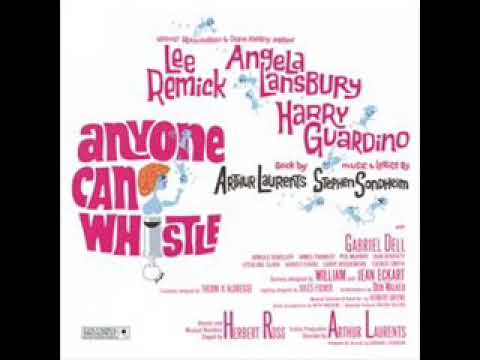
- Song: Prelude Act I
- Artist: Anyone Can Whistle Orchestra (Original Broadway Cast Recording context)
- Featured: None (instrumental)
- Composer: Stephen Sondheim
- Producer: Goddard Lieberson (cast album producer)
- Release Date: May 13, 2003 (expanded bonus-track edition release date; recording originally released in 1964)
- Genre: Musical theatre; orchestral prelude
- Instruments: Orchestra
- Label: Columbia Masterworks (Masterworks Broadway catalog context)
- Mood: Brisk; satiric; unsettled
- Length: 01:01
- Track #: 1 (on the cast album track list)
- Language: Instrumental
- Album (if any): Anyone Can Whistle - Original Broadway Cast Recording
- Music style: Pastiche civic-band color with modern harmonic bite
- Poetic meter: Not applicable
Frequently Asked Questions
- Is "Prelude Act I" a full song with Lyrics?
- No. It is an instrumental curtain-raiser. The storytelling is in orchestration, rhythm, and harmonic attitude rather than text.
- Where does it sit in the show?
- It opens Act I, typically leading into the first sung material and establishing the score’s comic tension.
- Who wrote it?
- Stephen Sondheim composed it as part of his score for Anyone Can Whistle, for which he also wrote the lyrics to the sung numbers.
- Why is it so short on the cast album?
- The original Broadway cast recording was selective and, in early releases, truncated compared with later restorations and complete editions.
- What does it sound like, in plain theatre terms?
- Like a town putting on a show for itself: bright brass, quick turns, and a sense that the "official" story is not the whole story.
- Is there a later recording that includes more connective music?
- Yes. A later "first complete recording" release presents multiple act preludes and additional material, offering a fuller sense of the score’s architecture.
- Did the musical have a major revival that changed how the prelude is played?
- Concert presentations, notably the Carnegie Hall benefit concert, helped preserve more of the score; later recordings reflect that broader musical picture.
- Does the prelude quote themes from later numbers?
- It often functions as a condensed palette rather than a literal medley: gestures and harmonic fingerprints appear that feel at home across the score.
- What is the best listening context for it?
- Play it as a lead-in to the opening sequence of Act I rather than a stand-alone "track." It is stage time, not radio time.
- Why do fans talk about this show so much if it flopped?
- The cast album kept the score in circulation; it became a listening object for Sondheim followers and theatre musicians after the production vanished from Broadway.
Awards and Chart Positions
Tony Awards: The Broadway production received a single Tony nomination, for choreography (Herbert Ross). The prelude itself is not treated as a chart single in standard pop reporting; its visibility comes from cast-album circulation and later archival releases.
Additional Info
There is a special kind of theatrical courage in writing a prelude that refuses to behave. This one does not "warm up" the audience so much as put it on alert. The town in Anyone Can Whistle sells spectacle, and the orchestra starts selling it first. I keep returning to a detail some critics and listeners have noticed: the quick-change energy that recalls cartoon scoring, where the music has to land jokes, pivot moods, and underline absurdity at speed. It is not a cheap comparison; it is a compliment to timing.
For listeners who want the piece in context, the recording history matters. The Masterworks Broadway presentation emphasizes how the cast album preserved the score’s reputation after the Broadway run ended quickly, and later projects such as the Carnegie Hall benefit concert and modern complete recordings expanded the musical material available to hear.
Key Contributors
| Entity | Type | Relationship |
|---|---|---|
| Stephen Sondheim | Person | Composed "Prelude Act I" for Anyone Can Whistle. |
| Arthur Laurents | Person | Wrote the book for Anyone Can Whistle. |
| Herbert Greene | Person | Conducted the original cast recording orchestra listing for the prelude track. |
| Goddard Lieberson | Person | Produced the cast album that preserved the score on record. |
| Columbia Masterworks | Organization | Released the original cast recording (later expanded in reissues). |
| Majestic Theatre | Venue | Hosted the Broadway opening of Anyone Can Whistle on April 4, 1964. |
| Carnegie Hall | Venue | Hosted the 1995 benefit concert that helped preserve more of the score. |
| Jay Records | Organization | Issued a modern complete recording edition that includes an Act One prelude track. |
Sources
Sources: IBDB production record, Masterworks Broadway album notes, Apple Music album listing, Cherry Red Records catalog listing, Wikipedia production summary, Topsey Turvey Dom essay