You're the Devil in Disguise Lyrics — All Shook Up
You're the Devil in Disguise Lyrics
Walk like an angel
Talk like an angel
But I got wise
You're the devil in disguise
Oh yes you are
The devil in disguise
You fooled me with your kisses
You cheated and you schemed
Heaven knows how you lied to me
You're not the way you seemed
You look like an angel
Walk like an angel
Talk like an angel
But I got wise
You're the devil in disguise
Oh yes you are
The devil in disguise
I thought that I was in heaven
But I was sure surprised
Heaven help me, I didn't see
The devil in your eyes
You look like an angel
Walk like an angel
Talk like an angel
But I got wise
You're the devil in disguise
Oh yes you are
The devil in disguise
You're the devil in disguise
Oh yes you are
The devil in disguise
Oh yes you are
The devil in disguise
Song Overview
Review and Highlights
Quick summary
- What it is: A mayoral tantrum with a pulse - the town's rulebook set to a rock hook.
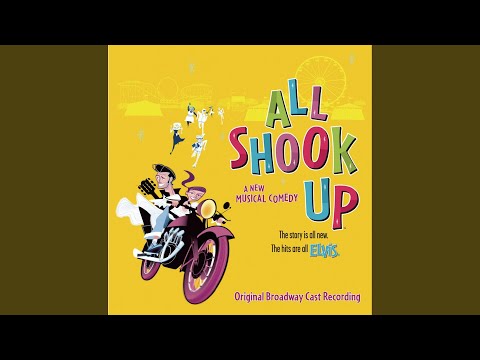
- Who sings on the 2005 cast album: Alix Korey with the All Shook Up Ensemble.
- Where it appears: Act I, when Matilda tries to ship Dean back to military school, blaming Chad and the new romance.
- What the musical changes: The lyric shifts from lover's accusation to civic panic, turning suspicion into policy.
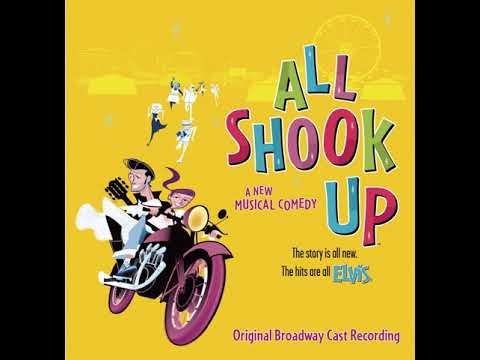
All Shook Up (2005) - musical - non-diegetic. Matilda has spent Act I polishing her small-town virtue like a trophy, and then the plot does the rude thing: it gives her a son in love with the person she would rather erase. The official synopsis nails the trigger: she tries to send Dean away to save him from Lorraine and the "evil influence" of Chad and his music, and this song is the soundtrack to that control move. The number is not just comic heat. It is a strategy: define the outsider as a threat, then legislate him out of town.
What I like here is how the score gives Matilda a vocabulary she would never admit she enjoys. She is fighting rock-and-roll, but the arrangement lets her ride it, which is a sly joke at her expense. In performance, the best Matildas make the accusation sound moral, then let the rhythm betray how thrilling the accusation feels. That friction is theatre gold.
Key takeaways
- Driving rhythm: Brisk, punchy rock that turns outrage into momentum.
- Character lens: Matilda as a politician in miniature, building a villain story for public consumption.
- Scene leverage: The song helps justify Dean's break from obedience by making Matilda's control louder and clearer.
Creation History
The parent single was written by Bill Giant, Bernie Baum, and Florence Kaye and released by Elvis Presley in June 1963. The Broadway use is a sharp repurpose: a romantic "you fooled me" complaint becomes a civic indictment. As stated in the 2025 Masterworks Broadway essay by Peter Filichia, the show leans on well-known chart toppers and lets orchestration and placement do the storytelling work, and this track is a clean example of that approach.
Song Meaning and Annotations
Plot
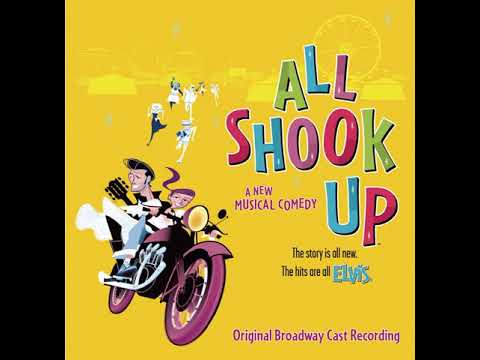
Dean has begun to stand near Lorraine instead of behind his mother, which in Matilda's universe counts as treason. She reacts with a familiar play: remove him from the environment, blame the outsider, and restore the town's old order before the new one hardens. The song sits at the moment her plan becomes action, which is why it feels like a chase scene without literal running.
Song Meaning
In the musical, the meaning is scapegoating with style. Matilda labels Chad as a threat in order to keep her authority intact, and the lyric's "disguise" language becomes a way to treat charisma as deception. The number is less about being fooled by love and more about being frightened by change, especially change you cannot arrest politely.
Annotations
Dean's mother tries to send him back to military school to save him from Lorraine and the evil influence of Chad and his music - "Devil In Disguise".Synopsis cue
The phrase "evil influence" is comedy, but it is also politics. Matilda is not arguing facts, she is arguing atmosphere. If she can make rock feel like moral rot, she can make obedience feel like hygiene.
The cast album credits the track to Alix Korey and the All Shook Up Ensemble, placing it at track 11 with a 2:00 runtime.Recording note
Two minutes is plenty for a theatrical crackdown. The number hits, rallies, and clears the stage for the bus and bicycle pursuit that follows. It plays like a fuse, not a sermon.
The original 1963 single reached number 1 on the UK singles chart and number 3 on the US Hot 100.Chart note
Those peaks explain why the hook lands fast in a jukebox score. The audience tends to recognize the bite immediately, and recognition helps the scene move without extra setup.
Style fusion, arc, and stagecraft
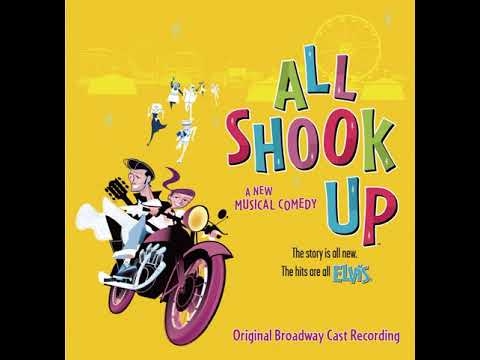
The number fuses pop-rock brightness with a sneer that reads cleanly from the balcony. The emotional arc is simple: suspicion to certainty to command. The trick is that Matilda must sound fully convinced, because doubt would soften her authority. So the singer rides the beat like a gavel, and the ensemble can function as the town's echo chamber, validating her fear even as the show laughs at it.
Technical Information (Quick Facts)
- Song: Youre the Devil in Disguise
- Artist: Alix Korey; All Shook Up Ensemble
- Featured: Ensemble
- Composer: Bill Giant; Bernie Baum; Florence Kaye
- Producer: Jay David Saks (cast recording)
- Release Date: May 31, 2005
- Genre: Musical theatre; rock and roll
- Instruments: Voices; theatre orchestra and band
- Label: Masterworks Broadway (Sony BMG Music Entertainment)
- Mood: Accusatory; comic severity
- Length: 2:00
- Track #: 11
- Language: English
- Album (if any): All Shook Up - Original Broadway Cast Recording (2005)
- Music style: Villain-label number reframed as a civic crackdown anthem
- Poetic meter: Accent-driven rock phrasing with conversational stresses
Frequently Asked Questions
- Who sings the number in the Broadway story?
- Matilda Hyde leads it, using the hook as a public indictment, with the ensemble backing her fear.
- What is Matilda trying to accomplish during the song?
- She tries to remove Dean from town by sending him back to military school, framing Chad as the cause of Dean's rebellion.
- Is the accusation aimed at Chad or at Lorraine?
- On the surface it targets Chad, but the energy also polices Lorraine: Matilda wants to control who Dean is allowed to love.
- Why does the show use this title here?
- Because it lets Matilda label charisma as deception. If Chad is "disguise," then her authority can pretend it is protection.
- Is this staged as a performance inside the town's world?
- Most productions treat it as scene music: Matilda's thoughts and commands made musical, not a planned concert.
- What comes right after this in the Act I chain?
- The bus departure and Lorraine's pursuit, which makes the song feel like a fuse for the chase.
- How does the ensemble function in this number?
- They can act as townspeople, deputies, or Matilda's echo, depending on staging, reinforcing how fear spreads.
- What is the main acting beat for Matilda?
- Certainty. The joke lands when she sounds absolutely convinced that rock-and-roll is a threat to civic order.
- Does the original single have notable chart peaks?
- Yes. It reached number 1 in the UK and peaked at number 3 on the US Hot 100 in 1963.
- Is the Broadway track a direct cover of the Elvis arrangement?
- It borrows the pop-rock engine, but the theatrical placement changes the intent: accusation becomes policy.
Awards and Chart Positions
The cast recording cut is a theatre-album track, so its "chart life" is really about placement and credit. The parent 1963 single, however, carries hard public milestones: it reached number 1 on the UK singles chart and peaked at number 3 on the US Hot 100. Reference summaries also note a Gold certification in the United States for the single pairing.
| Version | Year | Marker | Notes |
|---|---|---|---|
| Elvis Presley single | 1963 | UK peak 1; US Hot 100 peak 3 | High-recognition hook that a jukebox score can deploy quickly |
| Elvis Presley single | 1963 | RIAA Gold (reported in reference summaries) | Sales-era benchmark for the single pairing |
| All Shook Up cast recording track | 2005 | Track 11, 2:00, Alix Korey with ensemble | Documents Matilda's crackdown scene in Act I |
How to Sing Youre the Devil in Disguise
Practice references commonly place the song around 123 BPM in F major, and a published sheet-music arrangement lists a vocal range around C4 to F5. Stage productions may transpose for the actor playing Matilda, but the essentials remain: crisp diction, fast resets, and a comic bite that never turns sloppy.
- Tempo: Start at 100 BPM to lock consonants, then bring it up toward 123 BPM. The groove should feel like a march in heels.
- Diction: Treat the hook as a verdict. Clean the D and G sounds in "devil" and "disguise" so the accusation lands.
- Breathing: Plan quick breaths before the hook repeats. Do not let breath noise become part of the character unless staging demands it.
- Flow and rhythm: Keep phrases short and direct, almost speech-like. Let the band do the swagger while you do the control.
- Accents: Stress the labeling words, not the filler. Your job is to classify Chad as a threat and convince the room.
- Ensemble balance: If the ensemble echoes you, coordinate consonant timing. A unified town is scarier than a loud one.
- Mic: If amplified, lean in for spoken edge, not volume. The bite should come from articulation.
- Pitfalls: Turning it into an Elvis impersonation or oversinging the hook. Matilda is not flirting, she is campaigning.
Additional Info
Matilda is the show’s best reminder that a jukebox musical can do real character work with a borrowed catalog. Give her a love ballad and she might soften. Give her a suspicious pop hit and she weaponizes it. The number also lands as a comic mirror: she hates Chad's influence, yet she uses his musical language to amplify her authority. That is the sort of irony that plays well at the Palace Theatre scale.
Peter Filichia's Masterworks Broadway writing also singles out Stephen Oremus's orchestrations as a major asset of the score, and this track benefits: it can sound like a radio-ready sting while still supporting scene logic and stage traffic.
Key Contributors
| Entity | Type | Relationship (S-V-O) |
|---|---|---|
| Alix Korey | Person | Korey performs the cast recording track as Mayor Matilda Hyde. |
| All Shook Up Ensemble | Organization | The ensemble supports Matilda's accusation as the town's echo and pressure. |
| Bill Giant | Person | Giant co-wrote the original 1963 single used in the musical. |
| Bernie Baum | Person | Baum co-wrote the original 1963 single used in the musical. |
| Florence Kaye | Person | Kaye co-wrote the original 1963 single used in the musical. |
| Jay David Saks | Person | Saks produced the Original Broadway Cast Recording. |
| Stephen Oremus | Person | Oremus shaped the show sound through music direction and orchestrations. |
| Joe DiPietro | Person | DiPietro places the song at the Act I crackdown moment to sharpen Matilda's role. |
| Masterworks Broadway | Organization | Masterworks Broadway released the cast album and published the synopsis placement and runtime. |
Sources
Sources: Masterworks Broadway album page and synopsis for All Shook Up, Masterworks Broadway YouTube audio release, Apple Music album listing, Official Charts Company song page for DEVIL IN DISGUISE, Wikipedia entry for (Youre the) Devil in Disguise, Musicnotes sheet music listing, Masterworks Broadway essays by Peter Filichia, Tunebat key and BPM listing
Music video
All Shook Up Lyrics: Song List
- Act 1
- Overture
- Love Me Tender
- Heartbreak Hotel
- Roustabout
- One Night With You
- C'mon Everybody
- Follow That Dream
- Teddy Bear/Hound Dog
- Teddy Bear Dance
- That's All Right
- You're the Devil in Disguise
- It's Now or Never
- Blue Suede Shoes
- Don't Be Cruel
- Let Yourself Go
- Cant Help Falling in Love
- Act 2
- All Shook Up
- It Hurts Me
- A Little Less Conversation
- Power of My Love
- I Don't Want To
- Jailhouse Rock
- There's Always Me
- If I Can Dream
- Fools Fall in Love
- Burning Love
- C'mon Everybody Encore