
Cats Lyrics: Song List
- Act 1
- Overture
- Prologue: Jellicle Songs for Jellicle Cats
- Naming of Cats
- Invitation to the Jellicle Ball
- Old Gumbie Cat
- Rum Tum Tugger
- Grizabella: The Glamour Cat
- Bustopher Jones
- Mungojerrie and Rumpelteazer
- Old Deuteronomy
- Jellicle Ball
- Memory
- Act 2
- Moments of Happiness
- Gus: The Theatre Cat
- Growltiger's Last Stand
- Skimbleshanks: The Railway Cat
- Macavity: The Mystery Cat
- Mr. Mistoffelees
- Journey to the Heaviside Layer
- Ad-Dressing of Cats
About the "Cats" Stage Show
One of the brightest diamonds among the works of Andrew Lloyd Webber, who wrote the music for this musical. One of the songs, Memory, became a hit and widely known far beyond the borders of the musical world. Over time, this song has become a standard not only for this musical but also marked the bar for all musicals' songs. And those who did not reach it cannot be considered successful since 1981 the first performance of Cats.
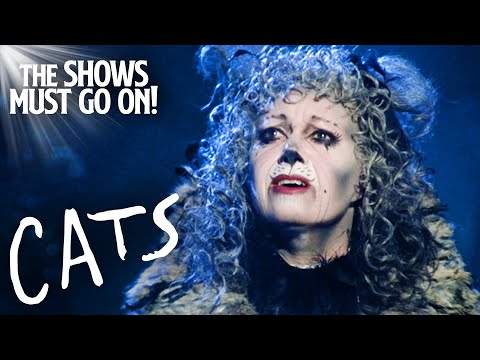
Trevor Nunn was director & together with choreographer Gillian Lynne, they did the premiere, which was first staged in the West End, and a year later, stepped over the ocean and played on Broadway in 1982. In the current day, this play is in the TOP-4 of most longest-running musicals of the world, giving a total of 7485 representations in the USA before closing in 2000. However, this figure is not complete since it displays only official shows on Broadway, but there were also other ones, adding to the total figure, so it increases. Even right now in 2015, this musical has visited 5 different locations (Paris, Bahrain, the West End, Blackpool, Australia) and should continue in 2016.
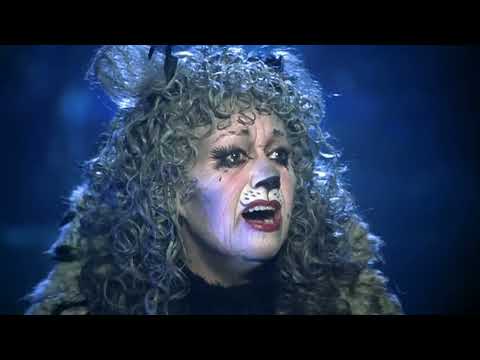
All that time it received 7 Tonies, 3 Drama Desks & 1 Grammy – all these awards for the period of 1993 – 1994. In contrast to the TOP-3 of musicals, which still run in the theaters, this does not run anymore on a regular basis on Broadway, reviving only for individual productions year after year. For example, it visited Paris for the first time in 1989, then it was Berlin in 2002, and Madrid in 2003. After 7 years, it was a national tour in Australia, and in 2014, it was presented in the West End again as a revival and in South Korea too. These are only a few mentions of its total plays around the globe & a tiny number of countries it has visited for the whole time.
One of the actresses, M. Danielle, has devoted 18 years of her life, playing throughout all musical productions in the United States since 1982 and till the very year of its official closure, 2000. A musical staged in England, 21 years ago.
Release date of the musical: 1981
“Cats” – The Musical Guide & Song Meanings
Review: why the lyrics feel like a ritual
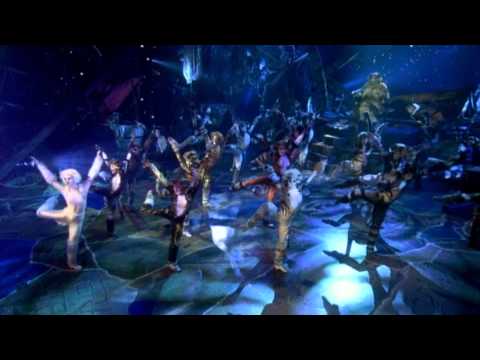
“Cats” asks a strange favor. Stop demanding plot logic. Start listening for introductions, hierarchies, and bids for belonging. The lyrics are built like a roll call, then a talent show, then a funeral, all inside one moonlit night. Most songs are character dossiers. They are funny, fussy, and specific. That specificity is the hook: if you can name yourself well enough, maybe you get chosen.
The show’s language comes from T. S. Eliot’s “Old Possum” poems, which means the lyric engine runs on rhyme, mischief, and social observation. You can hear how much of the humor is about status. Who gets admired. Who gets tolerated. Who gets pushed to the edge of the tribe and left there to sing into the dark. That last category is where “Memory” lives, and the score keeps circling back to it in fragments, like a scent the whole junkyard can’t shake.
Musically, Lloyd Webber stitches styles together with confidence that borders on arrogance: music-hall bounce, rock pose, a noir-ish swing for the villain, then a full stop for a torch song. The variety is not random. It is dramaturgy. Each style is a costume, and the cats wear them as proof of identity. When the night moves toward the Heaviside Layer, the music stops selling personality and starts asking for mercy.
How it was made: Eliot, Sydmonton, and the late-arriving heart
Andrew Lloyd Webber’s starting point was simple: set existing words to music. He reached back to the Eliot poems he knew from childhood, then sought permission from Eliot’s widow, Valerie. A New Yorker deep-dive describes Lloyd Webber presenting sample songs at his Sydmonton festival and how Valerie Eliot brought along unpublished scraps, including material connected to Grizabella. Those scraps helped create a narrative spine: a community night, a single choice, and an outcast who wants to be let back in.
That outcast did not arrive with a ready-made anthem. “Memory” had to be written into the show as an emotional center, with lyrics credited to Trevor Nunn and built from Eliot-adjacent sources rather than an existing “Practical Cats” poem. The separate authorship matters. Much of “Cats” is about naming yourself with flair. “Memory” is about failing to do that, then trying anyway.
Even the controversial pieces tell the same story: the show is a collage, and the collage has been edited over time. “Growltiger’s Last Stand” became a repeated site of revision and, by the mid-2010s, was removed from major US and UK stagings after longstanding criticism. The score survives because it is flexible, and because the core night in the junkyard keeps making room for new frames.
Key tracks & scenes: the moments that carry the meaning
“Jellicle Songs for Jellicle Cats” (Company)
- The Scene:
- A junkyard at midnight. Cats slip out from under scrap and shadows, testing the audience, then claiming the space. Lighting tends to pulse between prowling darkness and sudden, bright reveals, like eyes catching a flashlight.
- Lyrical Meaning:
- This opening is a manifesto about belonging. The lyric rules are silly on purpose. If the tribe can define itself in nonsense, it can define itself against outsiders too.
“The Naming of Cats” (Company)
- The Scene:
- The night slows. The cats gather in a loose semicircle, as if the junkyard becomes a classroom. The light softens into something ceremonial.
- Lyrical Meaning:
- It’s a thesis on identity. Public name, private name, secret name. The lyric insists that a self is layered, and the tribe respects that even while it gossips.
“The Rum Tum Tugger” (Tugger)
- The Scene:
- A sudden spike of energy. Tugger hits the yard like a celebrity drop-in, pulling focus, pulling bodies toward him, then dodging any real closeness. Lights flirt with rock-concert flash.
- Lyrical Meaning:
- The lyric is a study in charm as disruption. Tugger’s whole persona is contradiction. He gets attention by refusing to be satisfied, which is its own kind of power.
“Gus: The Theatre Cat” (Gus)
- The Scene:
- An older cat relives past glory. The yard becomes a memory palace. Lighting often narrows and warms, isolating Gus from the party mood.
- Lyrical Meaning:
- This is “Cats” admitting it’s about performance. Gus is a theatre ghost inside a musical about personas. The lyric asks what happens when applause stops and you still need a self.
“Macavity: The Mystery Cat” (Company)
- The Scene:
- The tone turns sly. The cats warn each other, half thrilled and half terrified. Shadows stretch. Movement gets sharper, more predatory.
- Lyrical Meaning:
- Macavity is the tribe’s fear made catchy. The lyric is gossip as protection: if you can name the danger, you can pretend you control it.
“Mr. Mistoffelees” (Company, Mistoffelees)
- The Scene:
- A communal cheer for a magician. The yard becomes a stage within the stage. Lighting typically turns electric, with quick hits timed to reveals.
- Lyrical Meaning:
- The lyric celebrates talent as social glue. Mistoffelees earns love through skill, which mirrors the show’s bargain with its audience: be dazzled, then believe.
“Skimbleshanks: The Railway Cat” (Skimbleshanks, Company)
- The Scene:
- The junkyard transforms into a train world through movement and sound. Rhythms mimic wheels and schedules. Lighting often suggests passing stations and late-night travel.
- Lyrical Meaning:
- Skimbleshanks is order in a show of chaos. The lyric is obsessed with routine, and that obsession reads like comfort: rules can be a lullaby.
“Memory” (Grizabella, later joined by Jemima/Sillabub in stage versions)
- The Scene:
- Grizabella appears at the edge, kept at a distance. The stage clears around her. Light isolates her face and hands, letting the audience see the cost of being unwanted. Later, the song returns as the night’s moral verdict.
- Lyrical Meaning:
- It’s the show’s emotional refusal to stay cute. The lyric is about a past self that no longer protects you. Its power comes from plain yearning, not clever description.
Live updates (2025/2026): Broadway’s runway, UK tour dates, licensing versions
The biggest “Cats” story in 2026 is Broadway. “CATS: The Jellicle Ball,” first seen at Perelman Performing Arts Center in 2024, is scheduled to begin performances March 18, 2026 at the Broadhurst Theatre, with an April 7 opening date. The production resets the Jellicle night inside ballroom culture, with directors Zhailon Levingston and Bill Rauch and choreography by Omari Wiles and Arturo Lyons. The official Andrew Lloyd Webber site and Playbill’s production listing both confirm the Broadway dates and venue.
Meanwhile, the traditional stage version is also staying busy. The official UK tour site lists fall 2026 stops including Plymouth (Oct 6–17), Hull (Oct 20–24), Birmingham (Oct 27–Nov 7), and Manchester (from Nov 10). These listings are practical, and that practicality is the point: “Cats” remains a touring brand because its hook is visual, physical, and instantly legible across languages.
For schools and regional theatres, licensing has become more modular. ALW Show Licensing and Concord list multiple versions, including youth and abridged options, and they flag that lyric credits vary by song. That matters for directors choosing which “Cats” they are actually producing, and it matters for audiences noticing what has been edited out over time.
Notes & trivia
- The West End premiere was May 11, 1981 at the New London Theatre, and the original run closed after 8,949 performances on May 11, 2002.
- The original Broadway production opened October 7, 1982 at the Winter Garden Theatre and closed September 10, 2000 after 7,485 performances.
- Valerie Eliot supplied unpublished material connected to Grizabella, helping build a narrative center for an otherwise plot-light poem cycle.
- “Memory” is credited to Trevor Nunn for lyrics and is based on Eliot beyond “Old Possum,” rather than being a straight poem setting.
- “Growltiger’s Last Stand” has been repeatedly revised, then removed from major US and UK productions by the mid-2010s after criticism of racist language and stereotyping.
- ALW licensing notes credit additional lyric material in “Prologue - Jellicle Songs for Jellicle Cats” to Trevor Nunn and Richard Stilgoe.
- The ALW licensing site publishes the show’s musical-number breakdown by act, which is unusually useful for a title that lives by sequence more than plot.
Reception: the divide that never closed
“Cats” has always been reviewed like a dare. Is it theatre, or is it a two-hour brand experience with leg warmers and claws. The answer shifts by era. The 2014 London revival was praised for execution even by critics skeptical of what the piece taught the musical marketplace. The new ballroom reframe, on the other hand, has been treated as proof that the underlying structure is sturdy enough to carry a different culture on its shoulders without snapping.
“The dancing is excellent and Nunn’s direction gives a diffuse show a carnivalesque unity.”
“The success of ‘Cats’ quickly shifted from a surprise to a force that would reshape the world of musical theatre.”
“Eliot’s verses have no connecting narrative, so Lloyd Webber and Nunn corralled them into a junk-yard revue.”
Quick facts: album and production metadata
- Title: Cats
- Year: 1981 (West End premiere)
- Type: Dance-forward musical built from a poetry cycle
- Music: Andrew Lloyd Webber
- Lyrics: T. S. Eliot (with additional lyric material credited to Trevor Nunn and Richard Stilgoe on specific songs)
- Original West End venue: New London Theatre (opened May 11, 1981)
- Original Broadway venue: Winter Garden Theatre (opened Oct 7, 1982)
- Original director: Trevor Nunn
- Original choreography: Gillian Lynne
- Design signatures: John Napier (set/costumes), David Hersey (lighting)
- Story anchor: The Jellicle Ball, where Old Deuteronomy chooses one cat to ascend to the Heaviside Layer
- Cast recording highlight: Original London cast album released in 1981; “Cats: Complete Original Broadway Cast Recording” released Jan 26, 1983 on Geffen
- Album status: The complete Broadway set won the Grammy for Best Cast Show Album
- Selected notable placements: The Jellicle Ball sequence; “Memory” as Act I close and later culmination; “Gus” as a theatre-within-theatre interlude
Frequently asked questions
- Who wrote the lyrics for “Cats”?
- The core lyrics come from T. S. Eliot’s poems, with additional lyric material credited to Trevor Nunn and Richard Stilgoe on specific numbers (including the prologue, and “Memory” credited to Nunn).
- Is “Memory” an original T. S. Eliot poem?
- No. It was written for the musical, with lyrics credited to Trevor Nunn and built from Eliot beyond the “Old Possum” poems. It functions as the show’s emotional center.
- What is the Jellicle Ball, in plain terms?
- It’s a yearly gathering where the cats present themselves and one is chosen by Old Deuteronomy to ascend to the Heaviside Layer and be reborn.
- Is “Cats” coming back to Broadway in 2026?
- Yes. “CATS: The Jellicle Ball” is scheduled to begin performances March 18, 2026 at the Broadhurst Theatre, with an April 7 opening date.
- Why do some productions cut “Growltiger’s Last Stand”?
- The number has been criticized for racist language and stereotyping; major US and UK productions removed it by the mid-2010s, and newer stagings often keep it out.
- Is there a movie version?
- Yes. A feature-film adaptation was released in 2019, and a filmed stage version was released earlier, which helped spread the choreography and vocal traditions globally.
Key contributors
| Name | Role | Contribution |
|---|---|---|
| Andrew Lloyd Webber | Composer | Wrote the score and shaped its genre-hopping structure. |
| T. S. Eliot | Primary lyric source | Provided the poems that became most of the lyric text and characters. |
| Trevor Nunn | Director; additional lyrics | Built the show’s stage narrative frame; wrote additional lyric material including “Memory.” |
| Richard Stilgoe | Additional lyrics | Credited for additional material in the prologue in licensing documentation. |
| Gillian Lynne | Choreographer | Created the movement vocabulary that became the show’s global signature. |
| John Napier | Set and costume designer | Designed the junkyard world and the feline-human visual language. |
| David Hersey | Lighting designer | Defined the night-time atmosphere and the spotlight logic of the “introductions.” |
| Cameron Mackintosh | Producer | Produced the original West End and helped scale the title globally. |
| Zhailon Levingston | Director (2026 Broadway revival) | Co-directs “CATS: The Jellicle Ball,” resetting the piece inside ballroom culture. |
| Bill Rauch | Director (2026 Broadway revival) | Co-directs the revival and shapes its event-style staging configuration. |
| Omari Wiles | Choreographer (2026 Broadway revival) | Brings ballroom vocabulary and competitive structure into the movement language. |
| Arturo Lyons | Choreographer (2026 Broadway revival) | Co-creates choreography rooted in ballroom performance and community history. |
Sources: Official Andrew Lloyd Webber site, ALW Show Licensing, Playbill, IBDB, Cats UK Tour official site, Concord Theatricals, The Guardian, The New Yorker, Perelman Performing Arts Center (PAC NYC), Wikipedia (background cross-checks).