Top Of The World Lyrics — Wild Rose
Top Of The World Lyrics
I wished I was smarter
I wished I was stronger
I wished I loved Jesus
The way my wife does
I wish it had been easier
Instead of any longer
I wished I could have stood
Where you would have been proud
But that won't happen now
That won't happen now
[Chorus]
There's a whole lot of singing that's never going to be heard
Disappearing everyday without so much as a word somehow
Think I broke the wings off that little song bird
She's never gonna fly to the top of the world right now
Top of the world
[Verse 2]
I don't have to answer any of these questions
Don't have no God to teach me no lessons
I come home in the evening
Sit in my chair
One night they called me for supper
But I never got up
I stayed right there in my chair
[Chorus]
There's a whole lot of singing that's never going to be heard
Disappearing everyday without so much as a word somehow
Think I broke the wings off that little song bird
She's never gonna fly to the top of the world right now
Top of the world
[Verse 3]
I wished I'd have known you
Wished I'd have shown you
All of the things I was on the inside
But I'd pretend to be sleeping
When you'd come in in the morning
To whisper goodbye
And go to work in the rain
I don't know why
Don't know why
Because everyone's singing
We just wanna be heard
Disappearing everyday without so much as a word somehow
Want to grab a hold of that little song bird
Take her for a ride to the top of the world right now
To the top of the world
To the top of the world
To the top of the world
To the top of the world
To the top of the world
To the top of the world
To the top of the world
To the top of the world
[Outro]
To dream the impossible dream
To fight the unbeatable foe
To bear with unbearable sorrow
To run where the brave dare not go
To right the unrightable wrong
To love pure and chaste from afar
To try when your arms are too weary
To reach the unreachable star
This is my quest
To follow that star
No matter how hopeless
No matter how far
Song Overview
Review and Highlights
Quick summary
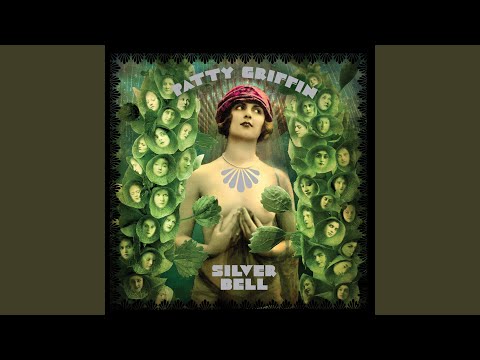
- Writer: Patty Griffin, written from a dead man’s vantage point, looking down and taking stock.
- Album context: recorded for the long-shelved Silver Bell sessions (2000), released years later.
- Notable afterlife: widely known through a later hit-adjacent cover by The Chicks, plus a line of covers across country and indie-folk.
- Signature move: the chorus frames “singing” as a stand-in for any life you meant to live out loud but never did.
This is one of those songs that walks in quietly, sits down, and refuses to make small talk. The narrator keeps stacking up wishes, like he is sorting old receipts at the kitchen table: smarter, stronger, closer to faith, easier years, a moment that would have made someone proud. The twist is that none of it is aimed at winning a debate. It is confession as routine, the way some people talk when they are already past being interrupted.
The chorus is the knife. “There’s a whole lot of singing that’s never going to be heard” is not really about music. It is about unlived versions of a self. Griffin frames regret as a kind of daily disappearance, the slow vanishing you do while still technically showing up. Then she brings in that “little song bird” image, fragile enough to be harmed by one careless hand, and suddenly you can feel the weight of what the narrator admits he did to his own spirit.
- Key takeaway: the song treats shame as something domestic, not dramatic - a chair, an evening, a house where the lights are on but nobody is reaching for each other.
- Key takeaway: the repetition of “top of the world” is not triumph. It is longing, almost stubborn, like he is trying to talk himself into believing the climb was still possible.
- Key takeaway: the final coda lands like borrowed light, pulling a classic musical standard into a story that has already run out of time.
Creation History
The track traces back to the Silver Bell sessions recorded in 2000 at Kingsway Studio in New Orleans, a record that famously sat unreleased for years before it finally arrived in 2013. For this release, the album received a fresh mix by Glyn Johns, while the original sessions were guided by Griffin with producer Jay Joyce, and album credits also cite Craig Ross in the wider project lineage. Critics have long treated the “lost album” story as more than label drama, because the writing already sounded finished - like it had been waiting in a drawer, not a workshop. A later Griffin recording appeared earlier on Impossible Dream (2004), which also sets up the song’s coda in a way that feels intentional rather than cute.
Lyricist Analysis
Metric and scansion: the verses lean into speech-rhythm rather than a strict, marching foot. You can still spot gravitational pulls toward iambic movement (unstressed to stressed), but Griffin keeps breaking the symmetry, which fits a narrator who cannot keep his thoughts tidy. There is a lot of soft anacrusis - extra pickup syllables that slide into the line - especially in the opening “I wished I was…” run, which makes the self-critique feel unstoppable, like he is blurting it out before courage fades.
Rhyme scheme and quality: much of the writing avoids neat end-rhymes. When rhyme does appear, it is often slant or echoed phrasing (“now” as a blunt landing pad, and the repeated “top of the world” as a refrain-rhyme with itself). That choice matters: perfect rhyme can feel like a bow on a wound. Griffin leaves the edges frayed, so the confession stays credible.
Phonetic texture: listen to the plosives in “broke the wings off” and the hard consonants in “stood” and “proud.” Those hits feel like self-accusation you cannot take back. Meanwhile, the sibilants in “singing,” “disappearing,” and “somehow” blur into each other, like the narrator is already fading out.
Prosodic match and breath economy: the chorus uses longer phrases that demand breath control, then forces a reset with “right now.” That cut is psychological. He reaches for transcendence and then snaps back to the room he is stuck in. The repeated outro lines later become almost mantra-like, suggesting the voice is clinging to a script when real words fail.
Structural function: the verses are confession; the chorus is thesis; the late coda is the curveball. Pulling in “The Impossible Dream” reframes the narrator’s regret as a cracked version of heroism. Not conquest, just endurance, and the cost of trying.
Song Meaning and Annotations
Plot
A man speaks after death, replaying the life he did not quite manage to live. He catalogs what he lacked, what he avoided, and the ordinary moments where love could have been shown but was not. The chorus widens the lens: his private failure becomes a bigger idea about people disappearing without being heard. In the final stretch, the song pivots into a famous musical lyric, as if the narrator is borrowing someone else’s language to say what he can no longer fix.
Song Meaning
At its core, the song is about self-sabotage and late clarity. The narrator is not asking for forgiveness in a clean way. He is naming the damage, including the damage he did to his own “song,” his voice, his chance at being fully present. The chorus turns that into a quiet social critique: whole lives can slip by with their best parts unspoken. As stated in a 2026 interview with The Line of Best Fit, Griffin has discussed how the coda ties back to her family and to the musical that shaped the album’s title, which adds an extra layer of inherited longing to the ending.
Annotations
I wished I could have stood
Where you would have been proud
This is not about a trophy moment. It is about standing in a version of yourself that another person could relax beside. The phrasing makes pride feel relational: he wanted to be someone whose presence did not ask others to carry him. That small verb, “stood,” also hints at spine, backbone, the kind of steadiness he believes he never earned.
One night they called me for supper
But I never got up
I stayed right there in my chair
The line reads like a scene you can see without any camera tricks: a house operating as usual, a voice from another room, and then silence that nobody understands yet. Taken as the moment of death, it is brutal because it is unadorned. No final speech, no reconciliation, just inertia winning. The song makes regret feel physical - not a thought, a posture.
Genre and rhythmic engine
The writing sits in country and Americana, but the structure borrows from folk confessionals: fewer big hooks, more lived-in sentences. The chorus repeats like an intrusive thought, which is exactly what regret does when the room gets quiet.
Key phrases and symbols
The “song bird” is not a cute metaphor. It is the self as something living and breakable. “Broke the wings off” points to deliberate harm, or at least neglect that became harm. And the repeated “top of the world” works as a cruel contrast: we are used to the phrase meaning victory, but here it is a destination he cannot reach because the vehicle is damaged.
The outro and its cultural reference
The coda quotes “The Impossible Dream” from Man of La Mancha. In this setting, it feels like a prayer recited by someone who did not live like a hero, but still wants the dignity of a quest. It is also a sly mirror: the narrator once wished he “loved Jesus” the way his wife does, and the musical lyric becomes a secular hymn about trying when you are too weary.
Technical Information (Quick Facts)
- Song: Top of the World
- Artist: Patty Griffin
- Featured: None
- Composer: Patty Griffin
- Producer: Jay Joyce (album production credits also include Craig Ross)
- Release Date: October 8, 2013
- Genre: Country, Americana, folk rock
- Instruments: Vocal, guitars, bass, keys, drums, and supporting textures typical of roots-rock production
- Label: A&M Records, Universal Music Enterprises
- Mood: Regretful, searching, restrained
- Length: 5:01
- Track #: 13
- Language: English
- Album: Silver Bell
- Music style: Narrative country-folk with a mantra-like refrain
- Poetic meter: Speech-rhythm with iambic pull in places
Frequently Asked Questions
- Who wrote the song?
- Patty Griffin wrote it, and the lyrics keep that first-person confession tight and unsparing.
- Is the narrator alive during the story?
- The verses read like a posthumous inventory: he speaks as if he is already gone, looking back on what he never repaired.
- What does “little song bird” stand for?
- It is the narrator’s own voice and possibility - the part of a person that wants to rise, create, and be recognized.
- Why does the chorus talk about singing that will not be heard?
- Because the song is not only personal. It hints at whole lives going quiet through shame, isolation, or simple giving up.
- What is the significance of the chair scene?
- It turns the abstract fear of wasted time into a concrete image: a last evening where a person does not stand up again.
- Why include “The Impossible Dream” at the end?
- The quote reframes the story as a failed quest. It also connects the track to the musical that inspired the album title Impossible Dream and, in Griffin’s telling, to family history.
- Did another major act record a well-known version?
- Yes. The Chicks recorded a prominent cover that helped push the song into a wider country audience, and their live take later won a Grammy in a duo or group vocal category.
- Is this track tied to a soundtrack or film placement?
- No widely verified film or TV placement stands out in the standard soundtrack databases. The song’s biggest “placement” is musical: it traveled through cover culture.
- What makes the writing hit so hard without flashy imagery?
- It uses ordinary language and lets repetition do the work. The pain is in what is not said: the withheld goodbye, the avoided morning, the years that lasted “any longer.”
Awards and Chart Positions
No major singles chart run is widely documented for Griffin’s recording, but the song’s profile was boosted through The Chicks: their live version won the Grammy for Best Country Performance by a Duo or Group with Vocal at the 47th Annual Grammy Awards. Griffin’s long-shelved album Silver Bell debuted on the Billboard 200 and also placed strongly on the Folk Albums chart when it finally arrived in October 2013.
| Item | Result | Date / Notes |
|---|---|---|
| The Chicks - Live performance award | Grammy win (Best Country Performance by a Duo or Group with Vocal) | 47th Annual Grammy Awards (award year 2005) |
| Silver Bell (album) | Billboard 200 peak: 64 | Debuted October 2013 |
| Silver Bell (album) | Billboard Folk Albums peak: 5 | Debuted October 2013 |
Additional Info
- The song’s “afterlife” is unusually loud for such a quiet piece - it moved through country and pop circles via covers and live performances.
- In a 2026 interview, Griffin described the family connection behind recording the “Impossible Dream” idea for the album-era world around the track, grounding the coda in something real rather than theatrical.
- SecondHandSongs documents a spread of interpretations across genres, a good indicator that the core writing is sturdy enough to survive new arrangements.
Key Contributors
| Entity | Role | Relationship (S-V-O) |
|---|---|---|
| Patty Griffin | Writer, performer | Griffin wrote and recorded the song. |
| Jay Joyce | Producer (session-era credit) | Joyce produced tracks from the album sessions. |
| Craig Ross | Producer (album credit) | Ross is credited in the album’s production lineage. |
| Glyn Johns | Mixer | Johns mixed the album for its 2013 release. |
| Kingsway Studio (New Orleans) | Recording location | The album sessions were recorded at Kingsway Studio. |
| The Chicks | Cover artist | The Chicks recorded a widely known cover. |
| Man of La Mancha | Referenced work | The song’s coda quotes “The Impossible Dream.” |
Sources
- Data verified via label press material about the album’s release and recording context, plus discography databases for credits and dates.
- Arrangement references and cover history cross-checked using a covers database and the album documentation pages.
- Grammy category and awards pages used to verify the duo/group vocal win attached to the live cover version.
- Interview attribution: according to The Line of Best Fit magazine (2026), Griffin discussed the family story behind the “Impossible Dream” connection.