
More to the Story Lyrics
More to the Story
Fiona:This is by the book
A picture perfect bride
I got my happy ending
In a fairytale the knott must get tied
This is what i dreamed
Finally it's real
I knew what i might look like
But i never thought how i might feel
And there's more
More
More to the story
What you so often see isn't always so
There's more
More to the story
Now i know
Every princess is a beauty
Every dragon must be cruel
Big goes with bad
And royal goes with beauty
We play our parts
We follow every rule
This is by the book
I knew it from the start
The ogre tries to hurt you
But i never knew they meant in the heart
And there's more
More
More to the story
What you so clearly see
Isn't always so
There's more
More to the story
Now i know
Now i know
What you so fondly told
Isn't always so
There's more
More
To the story
Now i know
This is by the book
I got my happy ending
Song Overview
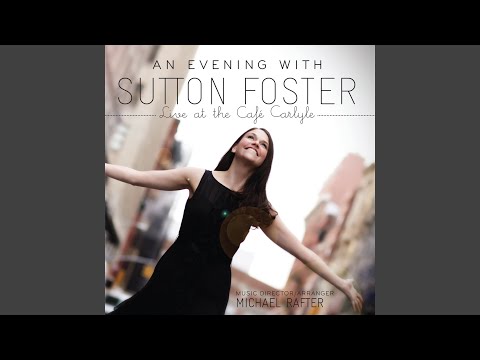
“More to the Story” is the reflective Fiona solo that Shrek: The Musical developed out of town and then set aside before the Broadway opening. It survives on record as a bonus track on the original cast album - a quiet confessional in which Fiona talks herself past the fairy-tale template and toward the messy truth. The piece lives at the intersection of Jeanine Tesori’s lyric lyricism and David Lindsay-Abaire’s plainspoken candor: a hummable melody, clean prosody, and a lyric that keeps puncturing its own myths. Sutton Foster’s studio take is the canonical reference, and a later concert version extended its afterlife. In one song you can hear the show asking an honest question: what if the story you were promised is smaller than the life you actually want?
Review and Highlights
Quick summary
- A late-Act II introspection for Fiona that was cut before Broadway but preserved as an iTunes bonus on the original cast recording.
- Studio vocal by Sutton Foster; music by Jeanine Tesori, lyric by David Lindsay-Abaire.
- Text reframes fairy-tale binaries - beauty/ugly, good/bad - and hints at Fiona choosing the ogre over the prince.
- On most track lists it sits as track 21 in the “Bonus Track Version,” separate from the show’s final running order.
- A live rendition by Foster appears on a 2011 concert album, keeping the song in circulation for performers and fans.
Creation History
Like many big commercial musicals, Shrek evolved fast between its Seattle tryout and the Broadway opening. The creative team wrote, refined, and sometimes retired full numbers to streamline the late game. “More to the Story” was part of that winnowing. In out-of-town drafts it sat near the wedding buildup, adjacent to community numbers like “Freak Flag” and the story’s last turn toward the finale. In the final Broadway structure, its dramatic assignment - giving Shrek and Fiona’s conflict a late shove - shifted to dialogue and other songs, while the company pressed ahead to the reprise and finale. The ballad didn’t vanish, though: the cast album included it as a bonus cut, and Foster later brought it into her concert sets. According to Playbill’s track-list announcement, it was offered specifically as an iTunes-only extra when the album first dropped - a nod that the song, while cut, had a devoted champion in the show’s leading lady.
Highlights & Key takeaways
- Fairy-tale audit: the lyric lists received wisdoms - “every princess is a beauty,” “every dragon must be cruel” - only to doubt them out loud.
- Actor-forward writing: square phrases, clear cadences, and a tuned vowel line let a storytelling voice stay front and center.
- Pivot of perspective: Fiona reframes the ogre as a contender, which sets up the finale’s transformation logic even if the number itself was cut.
- Cast-album afterlife: a studio bonus and a later live release gave the piece a life independent of the show’s running order.
Song Meaning and Annotations
Plot
Picture Fiona on the cusp of the wedding - alone with her dress, her script, and that stubborn itch that the script might be wrong. She has performed the role for years: perfect princess, perfect rescue, perfect match. In the lyric she checks every assumption, holds it up to the week she has just lived, and finds the edges fraying. Shrek has changed her categories. The result is less a decisive announcement than a mental reroute: if stories are rules, life is exceptions - and love may ask you to choose the exception.
Song Meaning
The song is a mid-century style “I thought I knew, but I didn’t” confession, filtered through Tesori’s taste for melodies that hover between folk and theatre lyricism. Where other princess ballads pledge, this one doubts. The refrain - “there’s more to the story” - is a thesis against the way fairy tales flatten people for speed. It’s also the hinge that turns a romance about appearances into a romance about recognition. The vocabulary is intentionally plain. Lindsay-Abaire keeps the language demystified so the revelation reads as common sense rather than sermon. That simplicity makes the number playable in concert - you don’t need the full set to understand the moment.
Annotations
“This is by the book - a picture perfect bride”
Opening with a manual - not a feeling - is the joke and the tell. Fiona has been living from a script. Singing the phrase “by the book” gives the actor a clean choice: either play resigned compliance or quiet revolt. The arrangement leaves room for either.
“Every princess is a beauty - every dragon must be cruel”
Binary logic laid bare. Tesori harmonizes these lines with tidy cadences, then lets the next phrases undercut them. It’s a neat example of a tune doing meta-commentary - order in the music, doubt in the words.
“The ogre tries to hurt you - but I never knew they meant in the heart”
A single twist turns the ogre from monster to mirror. It’s the moment the song stops diagnosing others and starts confessing. For performers, this is where placement, not volume, sells the thought - keep it head-voice honest rather than belt-blunt, unless your arrangement leans bigger.
Style & instrumentation
On record the palette is theatre-pop minimalism: rhythm section in soft focus, strings drawing a clean horizon line, and a piano part that moves like thought. No showboating - the point is to let the text breathe. Live, Foster’s concert arrangement stretches time a little, which fits a song that is, structurally, a slow-dawning self-correction.
Emotional arc
Frame - doubt - clarity. The number starts in rules and lands in reality. In the version that played out of town, this was the last solo pulse before the finale machinery kicked in; its job was to humanize a decision the plot would soon force.
Context & touchpoints
On Broadway, this slot in the story now belongs to other pieces, but you can hear the DNA echo in later scenes - the reprise, the finale, the transformation. In the ecosystem of princess songs, it sits closer to 21st-century self-reckoners than to classic declarations. That’s part of why it endures offstage: performers use it to show clarity without showboating.
Key Facts
- Artist: Sutton Foster (as Princess Fiona)
- Featured: Studio orchestra for the original cast album; later live band on Foster’s concert recording
- Composer: Jeanine Tesori
- Lyricist: David Lindsay-Abaire
- Producer: Jeanine Tesori (producer), Peter Hylenski (co-producer) - cast album
- Release Date: March 24, 2009
- Genre: Broadway ballad with pop-folk inflection
- Instruments: Piano-led rhythm section, strings; voice solo
- Label: Decca Broadway (cast album release); Ghostlight Records (live concert track)
- Mood: Self-searching, clear-eyed, tender
- Length: 3:44 (studio bonus track)
- Track #: 21 on Shrek: The Musical (Bonus Track Version)
- Language: English
- Album: Shrek: The Musical (Original Broadway Cast Recording) - bonus track edition
- Music style: Lyrical theatre-pop with steady 4-bar phrasing
- Poetic meter: Predominantly iambic lines with occasional anapestic pickups
Canonical Entities & Relations
- Jeanine Tesori - composed “More to the Story.”
- David Lindsay-Abaire - wrote the lyric and the show’s book.
- Sutton Foster - originated Fiona on Broadway and recorded the bonus track; later performed it in concert.
- Decca Broadway - released the original cast album with the iTunes bonus track.
- Ghostlight Records - released Foster’s live version in 2011.
- Playbill - published the official track list including the bonus designation.
Questions and Answers
- Was “More to the Story” ever performed on Broadway?
- No - it was cut before the Broadway opening. It remains part of the album and the show’s development history.
- Where would it have appeared in the story?
- Late Act II near the wedding setup, after community momentum like “Freak Flag” and before the reprise-finale run, as Fiona reconsidered the so-called perfect ending.
- Why cut a strong ballad?
- Flow and focus. Late-act pacing is delicate; the team streamlined the show to keep forward motion, moving Fiona’s realization into the surrounding scenes.
- Is the song licensed in standard performance materials?
- No - because it was cut, it doesn’t appear in the standard licensed score. Companies typically perform the finalized Broadway stack.
- Where can you hear it officially?
- On the original cast album’s bonus-track edition and on Foster’s 2011 live concert album.
- What key and tempo are common?
- Studio listings show C major around the mid-70s BPM; the live concert cut edges a touch slower in performance.
- Does the lyric “break” the fairy tale?
- Not exactly - it reframes it. The song argues the tale is bigger than the book, making the finale’s transformation feel earned rather than automatic.
- Any notable covers?
- Beyond Foster’s own live release, the song mostly circulates in concert and cabaret; it’s a favorite for mezzos who want a clear narrative arc without a belting arms race.
- How does it color the ending if included?
- It makes Fiona’s choice more interior - less plot device, more confession - so the finale reads as consequence rather than quick fix.
Awards and Chart Positions
The song itself did not chart as a single. The album and production context, however, carried high visibility. The original Broadway cast recording was tracked at Legacy Recording Studios and released March 24, 2009. It debuted at number 1 on Billboard’s Top Cast Albums and number 88 on the Billboard 200, and it later earned a Grammy nomination for Best Musical Show Album. The Broadway production received multiple Tony nominations, with a win for Costume Design. Those recognitions, while not specific to this bonus track, helped the song stay in the conversation - the cast album’s success meant listeners found the cut material alongside the canon.
| Year | Entity | Category | Result/Peak |
|---|---|---|---|
| 2009 | Shrek: The Musical OBC Album | Billboard Top Cast Albums | #1 debut |
| 2009 | Shrek: The Musical OBC Album | Billboard 200 | #88 |
| 2010 awards cycle | Shrek: The Musical OBC Album | Grammy - Best Musical Show Album | Nominee |
| 2009 | Broadway production | Tony Awards - multiple categories | Winner - Costume Design; several additional nominations |
How to Sing More to the Story
Think confession, not coronation. The voice sits conversationally, and the arc is more clarity than climax. A few practical specs and a stepwise plan:
- Typical key: C major in the studio bonus; live versions stay close.
- Tempo: roughly mid-70s BPM on the studio cut, easing toward low-80s live.
- Range & placement: lyric mezzo or soprano with mix - sweet spot in the middle; the payoff sits in sustained mid-register vowels.
- Length: ~3:44 studio reference.
Step-by-step HowTo
- Tempo & count-in: Set a steady, unhurried four. This is a thought process - momentum comes from meaning, not speed.
- Diction: Keep consonants clean but soft. The text relies on simple words; let vowels carry the line.
- Breath map: Mark the refrain entries and the “every princess/dragon” quatrain. Small, low breaths keep the legato unbroken.
- Flow & phrasing: Think paragraphing. Land each idea, then release a beat before the next - like turning a page.
- Accents: Gently weight the reversal lines (“isn’t always so,” “now I know”). No need to spike volume - a color shift is enough.
- Mic craft: If amplified, sing just off-axis on the brightest vowels. Keep the piano textures audible under you.
- Common pitfalls: Over-belting the refrain, telegraphing the “lesson,” or losing pulse in rubato. Quiet conviction wins.
Additional Info
Where it would sit: In early sequencing, the number followed community momentum - “Freak Flag” and allied scenes - and preceded Shrek’s final push and the big reprise. Internal production notes from workshops place it in that late-act corridor where characters commit to choices.
Album context: As reported widely in theatre press, the cast album was recorded in January 2009 and released March 24 on Decca Broadway; a later highlights edition added material once the show’s end-of-run song stack shifted. Playbill’s track listing called out “More to the Story” as an iTunes-only bonus at release.
Afterlife onstage: Foster championed the ballad in concert - a reminder that sometimes the songs that don’t make opening night still carry a truth the writers meant to keep. As stated in Playbill and reiterated by fans and reviewers, it’s become a staple for cabaret and audition books where a storyteller’s balance matters more than high notes.
Sources: Playbill, Apple Music, Spotify, Wikipedia, Tunebat, Ghostlight Records, BroadwayWorld, Tony Awards.