

There When I Need Him Lyrics
There When I Need Him
There when I need himThere when I need him
That's all that matters
There when I'm fed up
Holding my head up
When everything shatters
Someone to lean on
Really rely on
A shoulder to cry on
No muscled Adonis
With vine leaves in his hair
But there when I need him
There
To determine what I've left
Is Juno all alone?
If the sole communication
Was by mail or telephone
Delilah might have been
No friend of Sam's
If he always had
To send her telegrams
The workable relationship
Must be with someone you can
Touch, and hold, and see
And so I found
The perfect man for me
For, he is there when I need him
There when I need him
That's all that matters
There
Someone to lean on
Really rely on
A shoulder to cry on
No muscled Adonis
With vine leaves in his hair
But, love when I need him
Love when I need him
Love when I need him
There
Song Overview
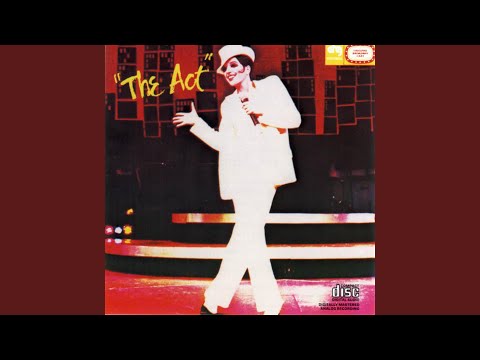
TL;DR: A quiet Act II anchor that refuses the glamour myth. The lyric picks dependability over spectacle, and the tune gives the performer time to mean every syllable without rushing the room.
Review and Highlights
Quick summary
- Where it sits: Act II, credited to Michelle Craig in the Broadway song list.
- Track identity: Track 9 on the cast album, running 4:23 on common digital editions.
- What it is: A values song - the character chooses presence over fantasy, and says it with a straight face.
- Sound world: A measured ballad pulse (listed at 80 BPM) that favors phrasing over fireworks.
- Why it lands: The lyric is funny, then suddenly practical, then quietly romantic without turning sugary.
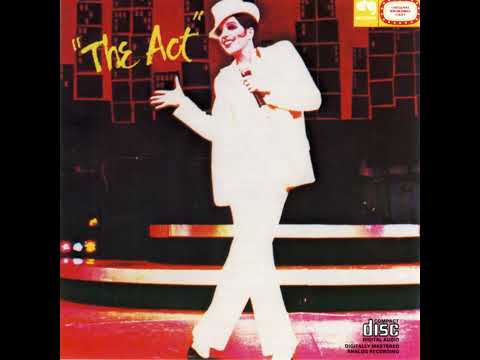
The Act (1977) - stage musical - not strictly diegetic. Act II placement: Michelle Craig steps out of the big street-scene energy of the Act II opener and narrows the focus to one rule for living. Why it matters: the show is built to prove she can dazzle, but this number proves she can stand still and still hold the room.
Creation History
The cast album for The Act was recorded in a single long session at A&R Recording Studios in April 1978 and released in June 1978, after the Broadway run had already become a hot topic. This ballad reads like a deliberate counterweight to the score's brighter contemporary touches: it is engineered for clarity, not fashion. According to Cash Box magazine, the album singled out this track as a sensitive, carefully executed moment, which tracks with its job in the sequence - a pause that lets the character sound like a grown-up, not a headline.
Song Meaning and Annotations
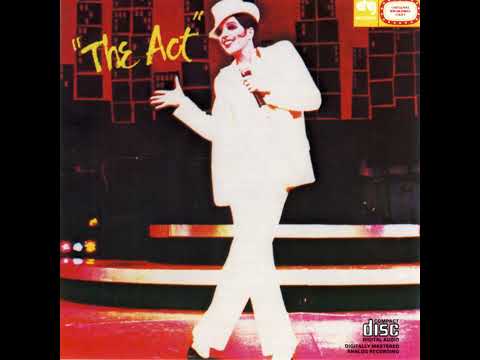
Plot
The Act frames Michelle Craig as a star trying to rebuild her stage identity while her personal life stays complicated. The score often behaves like a run of nightclub turns, with the plot acting as scaffolding. This song arrives in Act II as a re-centering: after the show has shown you noise and motion, she tells you what she actually wants from love and from life.
Song Meaning
The central idea is blunt and strangely brave: what matters is that he shows up. Not perfection, not heroics, not the postcard image of romance - just the daily proof. The lyric keeps offering mythic comparisons and then shrugging them off, as if she is clearing clutter from the stage. It is also a performer talking to herself. A celebrity life invites distance and substitution, so the insistence on touch, visibility, and plain presence becomes a kind of self-protection.
Annotations
No muscled Adonis
The lyric punctures the fantasy body type without sounding cruel. She is not rejecting beauty. She is rejecting the idea that beauty is the payment for intimacy.
Touch, and hold, and see
Three simple verbs, arranged like a checklist. This is the song telling you its terms: relationship as physical reality, not phone calls and promises.
Mail or telephone
A period detail that also makes a theatrical point. Distance turns romance into narrative. She wants the opposite: less story, more presence.
There when I need him
Repetition here is not decorative. It is the thesis, restated until the audience stops waiting for a twist and accepts the simplicity.
Style and driving rhythm
At 80 BPM, the number gives the singer room to let consonants land and to shape the ends of phrases like spoken thought. Kander writes a melody that supports legato without forcing it, and Ebb keeps the language conversational so the humor can appear naturally, then disappear just as naturally when the song gets serious.
Cultural touchpoints and imagery
The references to Juno, Delilah, and telegrams sound like a smart performer entertaining herself while she makes a point. Myth and legend show up, then get waved away, because the song is allergic to grand gestures. The emotional arc moves from amused skepticism to calm certainty - a rare kind of romantic statement in a show-business context.
Technical Information (Quick Facts)
- Artist: Liza Minnelli
- Featured: Original Broadway cast album context
- Composer: John Kander
- Lyricist: Fred Ebb
- Producer (cast album): Hugh Fordin
- Release Date: June 1, 1978
- Genre: show tune, traditional pop ballad
- Instruments: voice, orchestra
- Label: DRG Records
- Mood: steady, intimate, practical
- Length: 4:23
- Track #: 9
- Language: English
- Album: The Act (Original 1977 Broadway Cast Recording)
- Music style: conversational ballad with clean refrain
- Poetic meter: accentual, speech-led stresses
- Tempo: 80 BPM
- Published key: D major
- Notated vocal range: F#3 to B4
Frequently Asked Questions
- Who sings the song in the Broadway show?
- The Broadway song list credits it to Michelle Craig, making it a solo character statement in Act II.
- Where does it sit in the show sequence?
- It comes early in Act II, after the big opener energy and before the next run of club-style turns.
- What is the song really asking for?
- Presence. The lyric values a partner who shows up and can be touched, held, and seen.
- Why do myth references appear in such a practical lyric?
- They are contrast. The song name-drops legends to prove how little she wants legend behavior in real life.
- How long is it on the recording?
- On major digital listings, the track runs 4:23.
- How fast is it?
- Track metadata lists it at 80 BPM, which supports deliberate phrasing and clear storytelling.
- What key and range are commonly published for singers?
- As stated in a widely sold sheet-music listing, the published key is D major with a notated vocal range of F#3 to B4.
- Is it a torch song?
- It borrows the calm intimacy of a torch song, but it is less about longing and more about standards.
- Did the cast album chart?
- Yes, briefly. The cast recording is documented as peaking at 188 on the Cash Box albums chart.
Awards and Chart Positions
The song was not a standalone chart single, but it belongs to a production with a clear awards footprint and a documented album chart appearance. The Act received Tony nominations including Best Original Score, and Minnelli won Best Actress in a Musical. The cast album later made a brief showing on the Cash Box Top Albums chart, peaking at 188, a small but real commercial echo.
| Item | Result | Year / Date |
|---|---|---|
| Tony Awards (The Act) | Best Actress in a Musical - Liza Minnelli (win); Best Original Score - Kander and Ebb (nomination) | 1978 season |
| US Top Albums (Cash Box) | Cast album peak position: 188 | July 15, 1978 |
How to Sing There When I Need Him
Known metrics: Tempo listed at 80 BPM; published key D major; notated range F#3 to B4. The whole game is calm authority: you are not selling romance, you are stating terms.
- Tempo first: Rehearse with a click at 80 BPM, then remove it. You want steadiness that still feels human.
- Diction as intimacy: Keep consonants clean, especially on repeated lines. Repetition reads as conviction only if the words stay clear.
- Breath as punctuation: Take small breaths at thought breaks, not at convenient bar lines. It should sound like speech that learned to sing.
- Key comfort: In D major, keep the middle voice warm and forward. Avoid going breathy in the lower range, it can flatten the intent.
- Top note strategy: The upper end (around B4 in the listing) should feel like a firm statement, not a cry for help. Bright tone, no shove.
- Emotional arc: Start amused, then get practical, then land on calm certainty. If you start sad, you have nowhere to go.
- Pitfalls: Over-sentimental phrasing, stretching vowels until the text loses bite, or leaning into comedy so hard the sincerity disappears.
Additional Info
One of the sly pleasures here is how the song argues against the very show it sits inside. A star vehicle invites fantasy: lights, costumes, a persona larger than rent. This number says, quietly, that none of that solves anything at 2 a.m. The lyric even frames communication technology as a problem. That is theater logic with real-life teeth: the closer you get to the person, the less you need the story.
If you are choosing audition material, this is the kind of Kander and Ebb ballad that rewards restraint. It is built for a performer who can act on a whisper, vary a repeated phrase, and let the punchlines land without announcing them.
Key Contributors
| Subject | Verb | Object |
|---|---|---|
| John Kander | composed | "There When I Need Him" |
| Fred Ebb | wrote lyrics for | "There When I Need Him" |
| Liza Minnelli | performed | the track on the original cast album |
| Michelle Craig | sings | the number in The Act (stage attribution) |
| Hugh Fordin | produced | The Act (cast album) |
| DRG Records | released | The Act (cast album) |
| A&R Recording Studios | hosted | the April 1978 cast album recording session |
| Cash Box magazine | reported | the cast album chart peak and praised select tracks |
Sources
Sources: IBDB production page for The Act (song list), The Act (cast recording) reference entry (recording session, release month, Cash Box chart note, critical reception summary), Apple Music album listing (track number and timing), Shazam track page (tempo), Musicnotes sheet-music listing (published key and range), DRG Records YouTube delivery page for the track