

My Own Space Lyrics
My Own Space
I won't need muchJust my own space
A little time
With my own thoughts
And my own space
Some place to run
Some place to hide
Where there is no one else
But me, to meet inside
I love you more
Than I can ever say
I love you more, and more, and more
With every passing day
Allow me light
A breath of air
Leave me the only thing
I own, we cannot share
Just leave me that
Sweet love of mine
Just leave me that
Just my own space
And we'll be fine
I love you more
Than I could ever say
I love you more, and more, and more
With every passing day
Allow me light
A breath of air
Leave me the only thing
I own, we cannot share
Just my own space
Sweet love of mine
Just leave me that
Just my own space
And we'll be fine
Song Overview
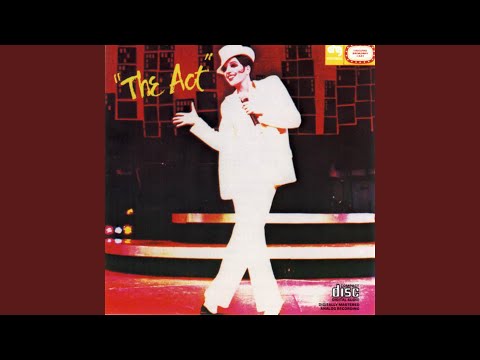
TL;DR: A privacy anthem sung by a public woman. It sounds modest, but it is a power move: she names what she needs, sets the boundary, and does not apologize for the silence she is buying.
Review and Highlights
Quick summary
- Where it sits: Credited to Michelle Craig in the Broadway song list.
- Track identity: Track 12 on common album track lists; 3:55 on a major digital listing.
- What it is: A quiet statement number where the character makes a case for solitude as survival.
- How it plays: Measured ballad pacing (metadata often lists 90 BPM), with sheet music marking a freer feel.
- What makes it theatre-smart: It gives the star a still center late in the evening, right when louder material could start to blur together.
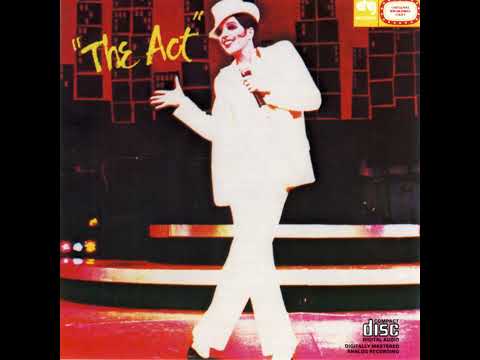
The Act (1977) - stage musical - not strictly diegetic. Placement: late-show solo for Michelle Craig. Why it matters: the show sells spectacle, but this song sells the need to stop selling. The contrast is the dramatic function.
Creation History
Cast recordings often tidy up a stage evening into something that plays like an album, and this song is a prime example. Documentation for the cast album notes that the track order was altered for the recording, with "My Own Space" moved from a faux-encore position after the finale into the main listing. That choice changes how it reads: less as a postscript and more as a late-game reset, a moment where the performer can let the room breathe. As stated in the Musicnotes product notes for the standard piano-vocal edition, the published key is Eb major and the feel is marked "Freely, flowing," which matches the number's identity as a controlled exhale rather than a push for applause.
Song Meaning and Annotations
Plot
The Act frames Michelle Craig as a movie star rebuilding herself as a Las Vegas headliner. Much of the score functions like nightclub turns, with book scenes acting as connective tissue. In that landscape, "My Own Space" operates as a character note written in plain language: when the act ends, she wants a door she can close.
Song Meaning
The lyric makes a deceptively simple request: a little time, a little quiet, a place not managed by the public eye. In a star-vehicle story, that becomes more than comfort. It is strategy. The character is surrounded by people who profit from her availability, so the wish for space becomes a wish for ownership. The way the song avoids melodrama is the point. She is not pleading, she is stating terms.
Annotations
I won't need much
A performer sings this and the audience hears two things at once: modesty, and a warning. She is about to name a non-negotiable.
Just my own space
It is a title phrase that doubles as a stage direction. The singer can physically claim territory with one step, one chair, one stillness.
Freely, flowing
The sheet-music marking suggests the song is built to feel spoken, not pinned to a grid. That is useful acting information: it should sound like thought, not ceremony.
G3-Bb4
The notated range from a common published edition tells you what kind of ballad this is: mid-voice, conversational, with the top reserved for emphasis rather than sheer volume.
Style and emotional arc
The shape is steady and declarative. It starts with restraint, grows into clarity, and ends in a calm kind of insistence. If you play it as sadness, it shrinks. If you play it as relief, it opens. The best performances treat the song as a practical wish granted in real time, even if the plot cannot guarantee it.
Technical Information (Quick Facts)
- Artist: Liza Minnelli
- Featured: Original Broadway cast album context
- Composer: John Kander
- Lyricist: Fred Ebb
- Producer (cast album): Hugh Fordin
- Stage credit: Michelle Craig
- Release Date: June 1978 (cast album release)
- Genre: show tune, theatrical pop ballad
- Instruments: voice, orchestra
- Label: DRG Records
- Mood: intimate, resolute, quiet
- Length: 3:55
- Track #: 12
- Language: English
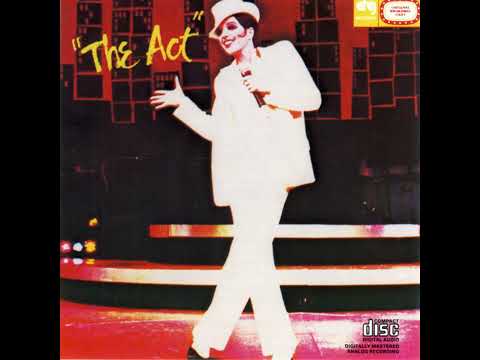
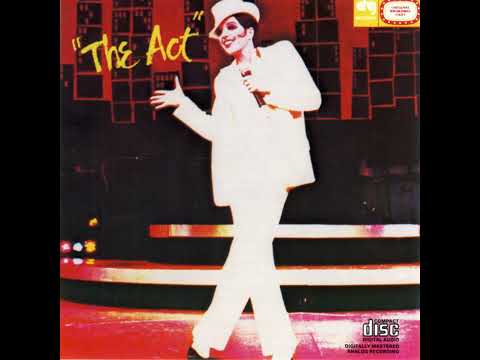
- Album: The Act (Original 1977 Broadway Cast Recording)
- Music style: late-show ballad built for conversational phrasing
- Poetic meter: accentual, speech-led stresses
- Tempo: 90 BPM (metadata listing); "Freely, flowing" with metronome quarter note = 100 (published piano-vocal)
- Published key: Eb major
- Notated vocal range: G3 to Bb4
Frequently Asked Questions
- Who sings "My Own Space" in the Broadway show?
- The Broadway song list credits it to Michelle Craig.
- Where does it fall on the cast album?
- Common track lists place it as Track 12, near the end of the recording.
- How long is the track on major digital editions?
- A major digital listing shows a duration of 3:55.
- Was the track order changed for the cast album?
- Yes. Cast-album documentation notes that the sequence was altered and that this song was repositioned from a faux-encore spot into the main track listing.
- What is the song's dramatic function?
- It gives the character a still center: a moment of self-definition that is not mediated by show business noise.
- What key and range do common published editions list?
- A widely sold piano-vocal edition lists Eb major with a notated vocal range of G3 to Bb4.
- What tempo should a singer use?
- Metadata listings often cite 90 BPM, while the published piano-vocal marks a freer feel with a metronome suggestion at quarter note = 100. Most performers split the difference and prioritize speech-like phrasing.
- Is it a belter's showpiece?
- Not by design. It is built for clarity and intent, with the upper notes used as emphasis rather than sustained force.
- Did the production win major awards?
- The show earned multiple Tony nominations, and Minnelli won Best Actress in a Musical.
Awards and Chart Positions
The song itself is not typically treated as a standalone chart single, but its parent production has a documented awards footprint. The Broadway record shows The Act received Tony nominations including Best Original Score, and Minnelli won Best Actress in a Musical. Album documentation also notes the cast recording had a brief trade-chart appearance on the Cash Box albums chart, which matters mostly as context: the recording is the preserved version of a show that lived by star wattage and careful sequencing.
| Item | Result | Year / Date |
|---|---|---|
| Tony Awards (The Act) | Best Actress in a Musical - Liza Minnelli (win); Best Original Score (nomination) | 1978 season |
| Cast album trade-chart note | Cash Box albums peak reported in cast recording documentation | July 1978 |
How to Sing My Own Space
Known metrics: Published key Eb major with notated range G3 to Bb4; sheet music describes the feel as "Freely, flowing" with metronome quarter note = 100, while metadata listings often cite 90 BPM. Aim for speech-driven legato and clear text, not volume.
- Start with text: Speak the lyric as a calm boundary statement. Find where you naturally pause, then map those pauses onto the musical phrases.
- Tempo choice: Practice once at 90 BPM for steadiness, then once around 100 with a lighter touch. Keep whichever version lets the line endings land cleanly.
- Breath planning: Use small breaths at thought breaks. Avoid big inhalations that turn privacy into melodrama.
- Key comfort: In Eb major, keep the middle voice warm and forward. Do not darken the tone to "sound serious" - seriousness is already in the text.
- Top notes as emphasis: The Bb4 should read as a firm underline, not a shout. Bright, focused vowel, no shove.
- Dynamic arc: Begin contained, grow into certainty, and finish with calm ownership. The ending should feel like a door closing gently.
- Pitfalls: Dragging the tempo, pushing the high points, or adding extra suffering. The song works when the performer sounds relieved to tell the truth.
Additional Info
There is a backstage truth hiding in the lyric. In a business that rewards availability, saying "no" can be a kind of rebellion. This song makes that rebellion sound courteous, which is the sharpest kind. It is also a reminder that Kander and Ebb could write for stillness as well as sparkle; they knew a star sometimes needs the opposite of a showstopper.
In cabaret settings, performers often pick this number as a palate cleanser between louder material. It works because it does not demand a concept. It demands an honest voice and a clear boundary.
Key Contributors
| Subject | Verb | Object |
|---|---|---|
| John Kander | composed | "My Own Space" |
| Fred Ebb | wrote lyrics for | "My Own Space" |
| Liza Minnelli | performed | the cast album track |
| Hugh Fordin | produced | The Act (cast album) |
| DRG Records | released | The Act (cast album and later digital editions) |
| IBDB | lists | the stage credit "Michelle Craig" for the song |
| Musicnotes | publishes | a piano-vocal edition in Eb major with range G3-Bb4 |
Sources
Sources: IBDB production page for The Act (song list and awards), The Act (cast recording) reference entry (track-order notes and recording context), Shazam track page for "My Own Space" (BPM and metadata), Apple Music album listing (track duration and sequence), Musicnotes piano-vocal listing MN0081417 (published key, range, and tempo marking), DRG Records YouTube delivery page for the track