

It's The Strangest Thing Lyrics
It's The Strangest Thing
I'll have my back to the doorI'll be standing with my back to the door,
yet I'll know when he walks in
It's the strangest thing
I'll hear the laugh of the crowd,
though standing well apart from the crowd
And I'll know when he walks in
It's the strangest thing
What do you suppose it is
that's mine and his
What would you call that?
I would call it something mystical
if I believed in all that
Just the same
I know when I enter a room,
from the moment I enter the room,
if it's some room he's been in
It's the strangest thing
What do you suppose it is
that's mine and his
What would you call that?
I would call it something magical
if I believed in all that
Just the same
When I hear the telephone ring,
as I hurry to answer the ring
If I know it's him, it's him
It's the strangest thing
It's the strangest thing
Song Overview
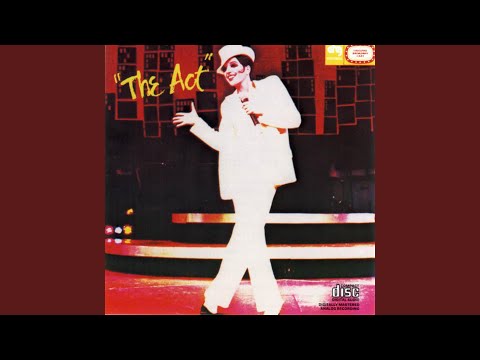
TL;DR: A stage-love song written as a spotlight for a star persona - private intuition dressed as public performance, set inside a 1977 Broadway vehicle that played with late-1970s pop sheen.
Review and Highlights
Quick summary
- Role on the album: Track 2, built as a breath-catching reset after the opener - a soft-focus lens before the show swings back to brass and bite.
- Dramatic function: A diegetic "hit" inside the story: the character sings a familiar number as part of her onstage act, letting the audience watch a performer watching herself.
- Writing team: John Kander and Fred Ebb at their most slyly classical: a standard-style love song, but with stagecraft hidden in the folds.
- What it feels like: Not confession, exactly - more like radar. The lyric sells instinct as a kind of craft.
- Signature move: The refrain repeats like a gentle insistence, the way a star repeats a story until it becomes believable.
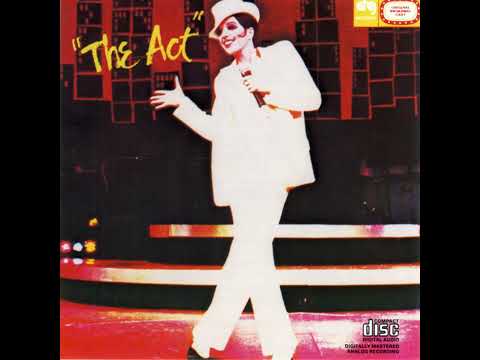
The Act (1977) - stage musical - diegetic. Act 1 placement: Michelle Craig presents the number as part of her nightclub set, a public-facing song that still lands like a private signal. Why it matters: it lets the show do its favorite trick - turning performance into plot without forcing a literal scene change.
Creation History
Kander and Ebb wrote the score for a contemporary, glitzy Broadway vehicle that opened in late 1977, then the cast album was captured in a single long studio session the following spring. The recording was produced by Hugh Fordin and released via DRG, with RCA handling manufacturing and marketing during the original rollout. Digital reissues later arrived with updated catalog details that sometimes tag the project to the show year rather than the album release year - a small data quirk that has confused more than a few librarians and playlist editors.
Song Meaning and Annotations
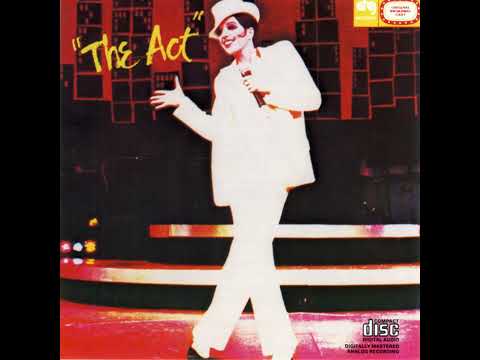
Plot
Inside The Act, Michelle Craig is a famous performer trying to keep her professional sparkle while her personal life refuses to behave. This song lands early as one of her signature numbers - a familiar piece in her repertoire that the story can frame as a "hit." The plot detail is the point: she sings a love song to an audience, while the show quietly asks who, exactly, she is singing it for.
Song Meaning
The lyric describes a kind of hyper-attunement - sensing a lover before he appears, recognizing his presence in a room, hearing a phone ring and knowing who it is. On paper, it is romantic superstition; onstage, it reads like technique. A seasoned performer sells instinct the way she sells a punchline: with timing, with pauses, with total control of where the light falls. That double register is the real subject. Love is the story she tells the crowd, but attention is the muscle she is showing off.
Annotations
I'll be standing with my back to the door
A simple visual that plays like blocking. The line sets up a stage picture, then the song undercuts it: she is turned away, yet she "knows." It is romance phrased as choreography.
It's the strangest thing
The refrain works like a wink that never quite becomes a joke. Each repeat resets the tone: wonder, then certainty, then wonder again. It is a soft engine that keeps the scene from sinking into sentimentality.
What do you suppose it is that's mine and his
That little question is the dramatic hinge. Rather than naming fate or destiny, the lyric circles it, as if the character is testing what she can admit while staying in control of her own narrative.
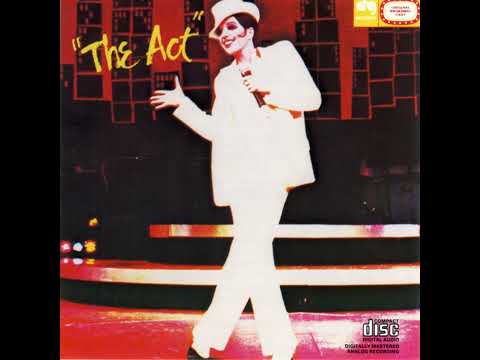
Style and rhythm
For a show associated with late-1970s textures, this number leans into the "standard" end of the spectrum: clear melody, patient phrasing, and a harmonic bed that supports the voice rather than competing with it. That restraint is strategic. It places the singer in a classic spotlight, then lets the lyric do the modern work - selling intuition as a lived, urban experience instead of a storybook spell.
Emotional arc
The arc runs from observation to admission. First she reports the sensation, then she tries to explain it, then she accepts she cannot. The last repeat is not bigger, just firmer - which, theatrically, is often the braver choice. Big belts can be borrowed; quiet certainty has to be acted.
Symbols and key phrases
Doors, crowds, rooms, telephones - all social spaces. The romance is not pastoral; it is public. The character is always in a place where people watch her, and the song turns that condition into its own metaphor: she can feel him enter the room the way she can feel an audience settle. Love, here, looks a lot like stage awareness.
Technical Information (Quick Facts)
- Artist: Liza Minnelli
- Featured: Original Broadway Cast ensemble (album context)
- Composer: John Kander
- Lyricist: Fred Ebb
- Producer: Hugh Fordin
- Release Date: June 1978 (original cast album release)
- Genre: show tune, traditional pop
- Instruments: voice, piano, rhythm section, orchestral accompaniment
- Label: DRG Records
- Mood: intimate, alert, romantic
- Length: 3:07
- Track #: 2
- Language: English
- Album: The Act (Original Broadway Cast Recording)
- Music style: classic ballad phrasing with late-1970s production polish
- Poetic meter: mostly iambic speech-rhythm with conversational variations
Frequently Asked Questions
- Who sings the number in the Broadway story?
- Michelle Craig sings it, and the show treats it as one of her recognizable stage numbers - part of the act she is selling to an audience while her life unravels behind the curtain.
- Is it written as a plot song or a showcase?
- It behaves like both. The lyric is self-contained enough to function as a standalone ballad, yet the framing as a diegetic "hit" gives it narrative teeth.
- Why does the lyric keep returning to rooms, doors, and crowds?
- Those are performance spaces in miniature. The song turns romance into stage awareness: sensing a person enter the way a pro senses a house settling.
- What is the central idea behind the refrain?
- That intuition can look like magic from the outside, but from the inside it is attention - practiced, sharpened, and quietly trusted.
- Does the song connect to any other Kander and Ebb projects?
- Yes. The title and lyric have been discussed in archival commentary as material that traveled between projects, which fits the writers' long habit of reworking good theatrical goods until the right show needed them.
- Is the recording more "Broadway" or more "pop"?
- Vocally it is Broadway craft - clear diction and scene-first phrasing. The production polish nods to the late 1970s marketplace, where cast albums wanted to sit on the shelf beside adult pop.
- What makes it effective for a star performer?
- It lets the singer play authority without shouting. The drama is in restraint: the audience leans in, which is always a nice trick to pull in a big room.
- Are there notable cover versions?
- Celia Berk recorded a modern cabaret reading that names the song as a "lesser-known" Kander and Ebb gem, with arrangements that tip a hat to classic torch-song cinema.
- Why do some services list the album as 1977 when it is a 1978 cast album?
- Metadata often follows the show year (or later reissue notes) rather than the original cast-album street date. It is a common mismatch for theater recordings that get reissued across formats.
- What should a listener focus on first: lyric or melody?
- Start with phrasing. The melody is built to be sung like spoken thought, and the lyric lands hardest when the line endings feel like decisions rather than decorations.
Awards and Chart Positions
As stated in IBDB records, The Act opened on Broadway in late October 1977 and ran into mid-1978, with Liza Minnelli winning the Tony Award for Best Actress in a Musical for her performance. The cast album made a brief appearance on the Cash Box Top Albums chart, and the July 15, 1978 issue lists it at a peak position of 188.
| Category | Result | Date / Note |
|---|---|---|
| Tony Award | Best Actress in a Musical - Liza Minnelli (for The Act) | 1978 season recognition |
| Cash Box Top Albums | Peak: 188 | Issue dated July 15, 1978 |
Additional Info
One of the pleasures of the number is how portable it is: it can live inside a plot as a "famous" hit, or it can step out into cabaret and behave like a confessional. Celia Berk leaned into that second life, recording it with a small ensemble and naming it as a choice pick from the Kander and Ebb shelf. And theater historians have noted the song's afterlife in archival discussion of other, unrealized projects - a reminder that Broadway writing is full of rescued furniture, reupholstered when the right room finally appears.
In a New York Public Library blog note, the song is described as a straightforward love song in The Act, and specifically as a diegetic number the star character has become famous for performing. That framing is half the fun: the audience is invited to admire the singer twice, as a character and as a pro.
Key Contributors
| Subject | Verb | Object |
|---|---|---|
| John Kander | composed | "It's the Strangest Thing" |
| Fred Ebb | wrote lyrics for | "It's the Strangest Thing" |
| Liza Minnelli | performed | "It's the Strangest Thing" (Original Broadway cast album track) |
| Hugh Fordin | produced | The Act (Original Broadway Cast Recording) |
| DRG Records | released | The Act (Original Broadway Cast Recording) |
| RCA Records | handled manufacturing and marketing for | The Act (Original Broadway Cast Recording) (original release arrangement) |
| The Act | features | Michelle Craig singing "It's the Strangest Thing" as a diegetic number |
Sources
Sources: IBDB production record for The Act, Cash Box magazine (July 15, 1978 issue) Top Albums 101 to 200, New York Public Library blog on Kander and Ebb works, Concord Theatricals show listing for The Act, DRG Records YouTube delivery page for the track, Apple Music album listing for The Act (Original 1977 Broadway Cast), Discogs release and master entries for The Act cast recording, Celia Berk - You Can't Rush Spring album notes