

The Money Tree Lyrics
The Money Tree
The day will comeHe'll come running to me
The day the sun turns black
And there's a money tree
The day will come
He'll be changing his tune
When there's a granite lake
And a cotton moon
And I listen
To all of his
Sorryful pleas
And I'll forgive him
And life will be cool as a breeze
When the rain falls up!
The day will come
He'll come back to my arms
And the slate is clean
When the snow is green
And we'll share a love
Idealic, and final, and free
Yeah the time will come
When he'll never stray
On a never gone
Of a never day
When the green dollar fits
On the silver money tree
That old money tree
Oh, yeah!
A granite lake
And a cotton moon
And he'll tremble, and stammer
And say he was wrong
And together is how we will always belong
When the earth stands still
The day will come
He'll come back to my arms
And forget the past
When a snail runs after (Sharili)*
Idealic, and final, and free
Yeah, the time will come
When he'll never stray
On the never gone
Of the never day
When we all take turns
On the silver money tree
He'll come back to me
Song Overview
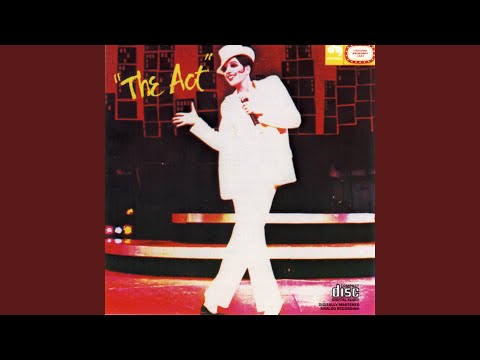
TL;DR: A bitterly playful promise song: she will forgive him when the laws of nature collapse. Kander and Ebb write it like a ballad with claws, and the joke keeps sharpening as the impossible images stack up.
Review and Highlights
Quick summary
- Where it sits in the show: Act I, sung by Michelle Craig.
- Track identity: Track 7 on the cast album, about 4:00.
- What it is: A breakup boundary dressed as a love-song wager.
- How it moves: A slow ballad pulse (listed at 71 BPM) that leaves room for sarcasm to land.
- Stage function: It shows Michelle as a pro at converting pain into material - not confession, but control.
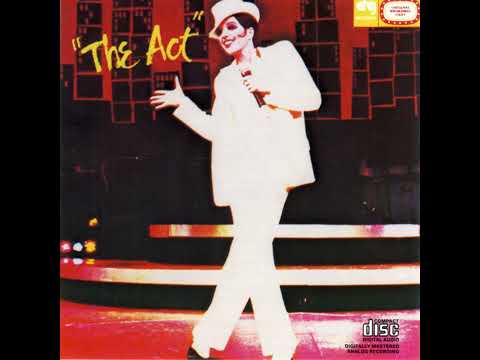
The Act (1977) - stage musical - not strictly diegetic. Act I placement: Michelle Craig takes the room alone and makes a deal with the universe. Why it matters: in a show built to prove she can sell any number, this one proves she can sell a refusal without sounding like she is begging for applause.
Creation History
The Act opened on Broadway on October 29, 1977, and the cast album followed in June 1978 after an all-day studio session. This song has an earlier paper trail: archival listings for the Fred Ebb papers include a piano-vocal item dated August 3, 1977, which puts the number in working form during the final stretch before Broadway. As stated in the Columbia Spectator in March 1978, critics were already arguing about the score's tone - which tracks with this song, because it refuses to play nice while still staying tuneful.
Song Meaning and Annotations
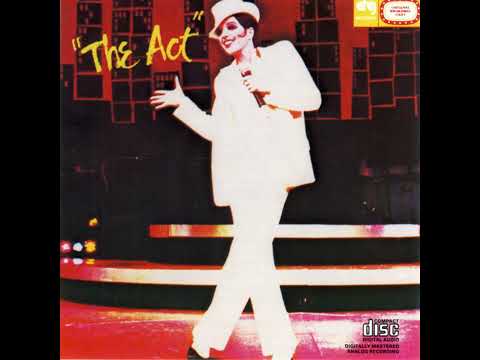
Plot
Michelle Craig is a famous performer trying to rebuild her act and her life, and the show keeps toggling between stage turns and the damage they are meant to conceal. This number arrives as a concentrated character portrait: she names the conditions under which she would take him back, then makes sure those conditions can never happen.
Song Meaning
On the surface, she promises forgiveness. Underneath, she is drawing a boundary with a grin. The lyric keeps saying "the day will come," then attaches a fantasy-world trigger - as if she is writing a contract that cannot be signed. The title image is the bullseye: a "money tree" is wishful thinking, and she knows it. So her mercy becomes a private joke, and the joke becomes a shield.
Annotations
The day will come
She starts with prophecy language, like a classic torch song. Then she undercuts it with impossible physics, and the mood flips from yearning to verdict.
When the rain falls up
A clean surreal image that does double duty. It is funny in isolation, but in context it is the sound of a door being shut politely.
And there's a money tree
The title lands like a punchline that also hurts. The phrase is playful, yet it makes the whole premise clear: he comes back only when miracles become currency.
Sorryful pleas
That odd adjective is deliberate. It makes his apologies feel rehearsed, like a performance she has watched too many times from the wings.
Style and driving rhythm
Kander writes the melody to sit comfortably in the voice and let the consonants do the damage. At 71 BPM, the song has time to breathe, which is essential because the comedy is in the timing. Ebb's images arrive one by one, and Michelle has to savor them, like she is placing props on a table for the audience to inspect.
Arc and touchpoints
The song begins in conditional hope and ends in conditional immunity. The final effect is not heartbreak spilled onstage, but heartbreak managed. That is a very 1970s Broadway kind of sophistication: the character is not asking to be rescued, she is showing you how she rescues herself.
Technical Information (Quick Facts)
- Artist: Liza Minnelli
- Featured: Original Broadway cast album context
- Composer: John Kander
- Lyricist: Fred Ebb
- Arranger: Earl Brown
- Orchestrator: Ralph Burns
- Producer (cast album): Hugh Fordin
- Stage debut: October 29, 1977 (Broadway opening date for The Act)
- Cast album release: June 1978
- Genre: show tune, theatrical pop ballad
- Instruments: voice, orchestra
- Label: DRG Records
- Mood: wry, steady, guarded
- Length: about 4:00
- Track #: 7
- Language: English
- Album: The Act (Original 1977 Broadway Cast Recording)
- Music style: ballad phrasing with punchline timing
- Poetic meter: accentual speech-rhythm with held-note releases
- Tempo: 71 BPM
Frequently Asked Questions
- Who sings the number in the Broadway story?
- The Broadway song list credits it to Michelle Craig.
- Where does it appear in the show?
- It is placed in Act I, after "Hollywood, California" and before the Act II set of club turns begins.
- What is the song's main argument?
- She will take him back when impossible things happen, which is her way of saying she will not.
- Is it comic or serious?
- Both at once. The images are funny, but they are used to protect a serious boundary.
- Why do the lyrics lean on nature images?
- Nature is the most reliable measure of impossibility. If rain falling up is required, then his return is not part of the plan.
- How long is it on the cast album?
- The cast album track list places it at about four minutes.
- How slow is it?
- Track metadata commonly lists it at 71 BPM, which supports careful phrasing and clean punchline timing.
- Is there evidence it was released as a standalone single?
- The best-documented circulation is through the cast album and later reissues and compilations, not a separate single campaign.
- What is the simplest acting note for a performer?
- Play the certainty. The humor works when she is calm, not when she is trying to sell the joke.
Awards and Chart Positions
The song did not have a separate pop-chart life in standard discographies, but it belongs to a production with a visible awards footprint. The Act received Tony nominations including Best Original Score, and Minnelli won Best Actress in a Musical. The cast album also has a documented trade-chart appearance, including a Cash Box albums peak noted in album documentation.
| Item | Result | Year / Date |
|---|---|---|
| Tony Awards (The Act) | Best Actress in a Musical - Liza Minnelli (win); Best Original Score (nomination) | 1978 season |
| Cast album trade-chart note | Cash Box albums peak reported in cast recording documentation | July 1978 |
How to Sing The Money Tree
Known metrics: Tempo listed at 71 BPM; track length about 4:00. Treat it like a monologue with a melody attached: the stakes are high, but the delivery stays controlled.
- Lock the tempo: Rehearse with a steady click at 71 BPM. The song needs patience more than power.
- Choose a target: Decide who she is talking to. One person, not "the audience." That choice keeps the sarcasm sharp.
- Turn images into actions: Each impossible condition is a small action - a new exhibit she presents calmly, like evidence.
- Let consonants do the work: Crisp endings make the punchlines audible without pushing volume.
- Plan breaths as punctuation: Take small breaths where a speaker would pause for effect, not where a singer would simply refuel.
- Do not rush the hook: The title line should feel inevitable, not performed. Land it and move on.
- Common pitfalls: Over-selling the jokes, stretching vowels until the lyric loses bite, or adding extra sadness that the text does not ask for.
Additional Info
There is a Broadway-specific pleasure in a song that pretends to be generous while doing the opposite. This number is not just "I will forgive you" - it is "I know the pattern, and I am choosing not to repeat it." In a Minnelli vehicle, that reads as character and as craft: she performs the boundary so confidently that the room has no choice but to respect it.
For performers hunting repertoire, the song has turned up repeatedly in Kander and Ebb tribute concerts and reviews, often paired with other narrative ballads to show how their writing can be conversational without getting slack.
Key Contributors
| Subject | Verb | Object |
|---|---|---|
| John Kander | composed | "The Money Tree" |
| Fred Ebb | wrote lyrics for | "The Money Tree" |
| Liza Minnelli | performed | the track on the original cast album |
| Earl Brown | arranged | the recording (metadata credits) |
| Ralph Burns | orchestrated | the recording (metadata credits) |
| Hugh Fordin | produced | The Act (cast album) |
| DRG Records | released | The Act (cast album and later reissues) |
| Michelle Craig | sings | "The Money Tree" in The Act (stage attribution) |
Sources
Sources: IBDB production record for The Act, The Act (cast recording) reference entry, Shazam track page for "The Money Tree" (credits and BPM), DRG Records YouTube delivery page for the track, NYPL guide to the Fred Ebb papers (piano-vocal listing), Columbia Spectator archive item referencing discussion of the score, London Arrangements listing for "Money Tree" (length and arrangement notes)